Origin Story
The domestic cat traces its origins to ancient wild felines, gradually domesticated over thousands of years in regions such as the Near East and Egypt. Selective breeding and human migration have shaped today’s recognized breeds, with formal breed registries emerging in the late 19th and early 20th centuries to standardize traits and histories.
Classification
Domestic cats belong to the genus Felis and species Felis catus, forming the core of the feline family. Within this taxonomy, breeds are the primary unit, grouped by physical traits, coat types, or geographic origin. Major registries such as CFA, TICA, and FIFe define and recognize specific breeds, sometimes subdivided into varieties based on color or coat length.
Appearance or Form
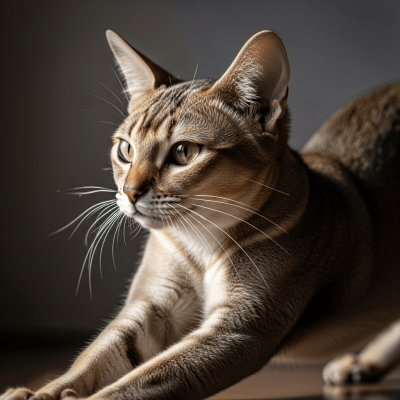
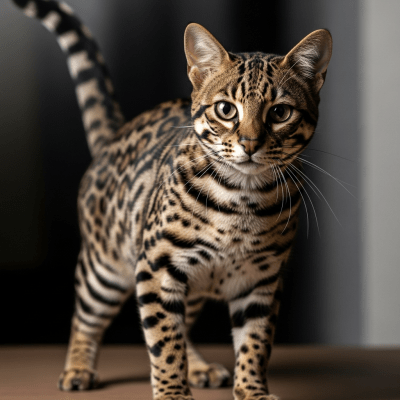
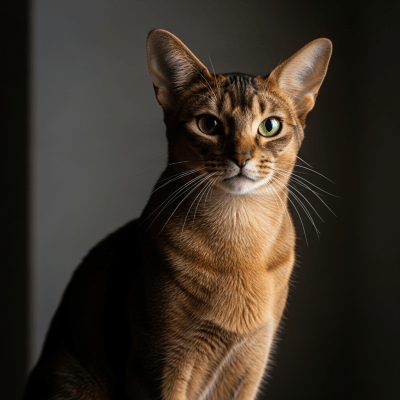
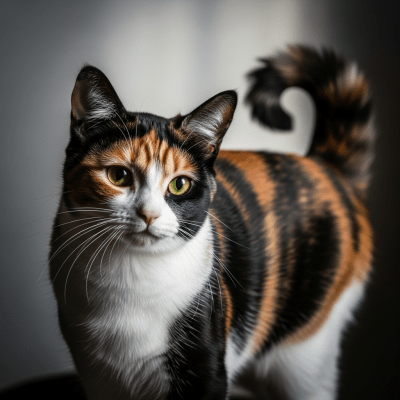
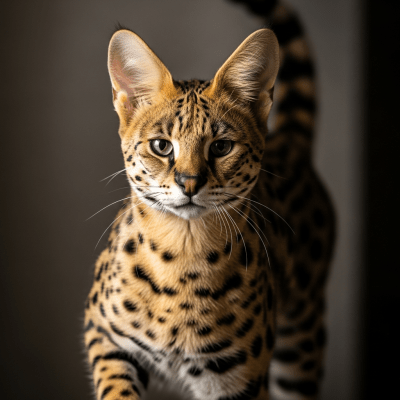
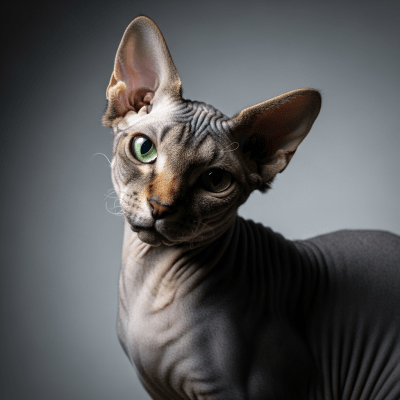
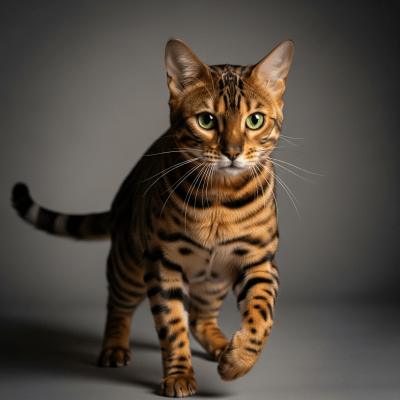
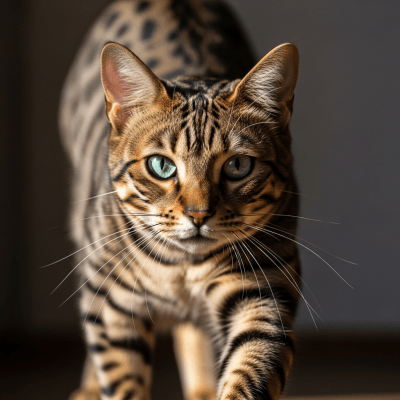
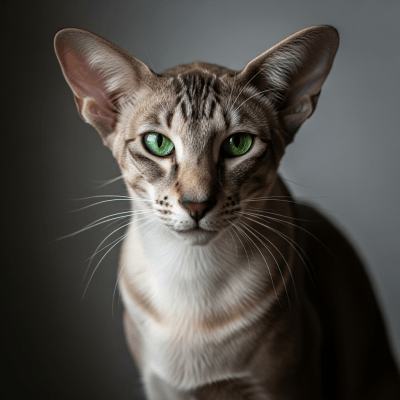
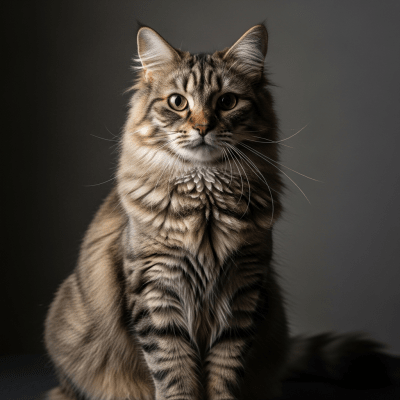
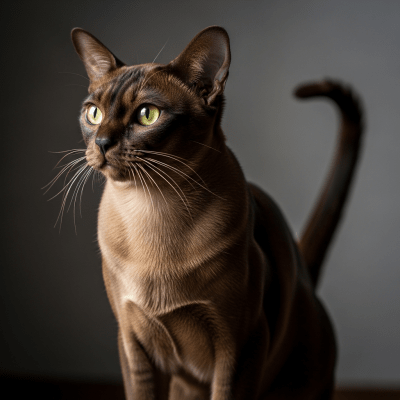
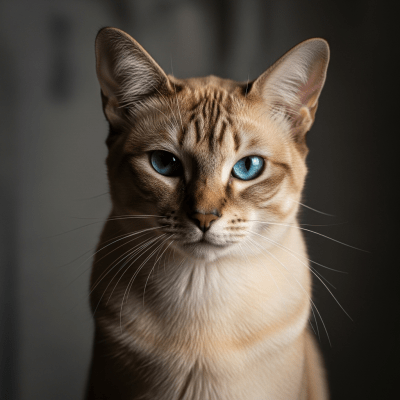
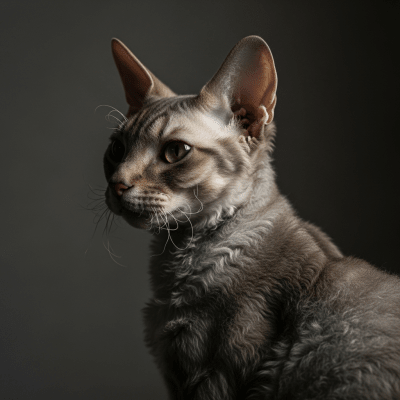
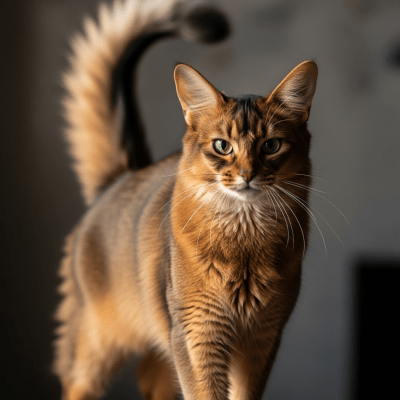
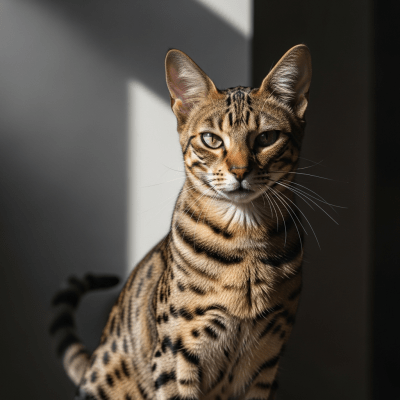
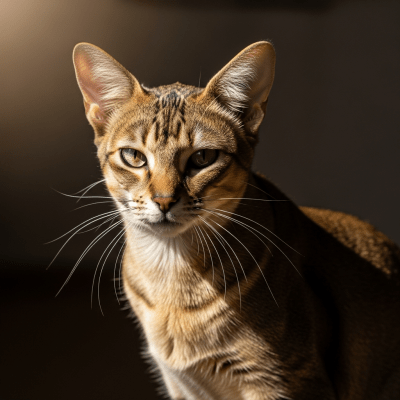
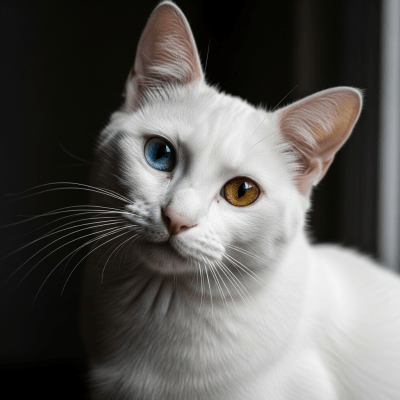
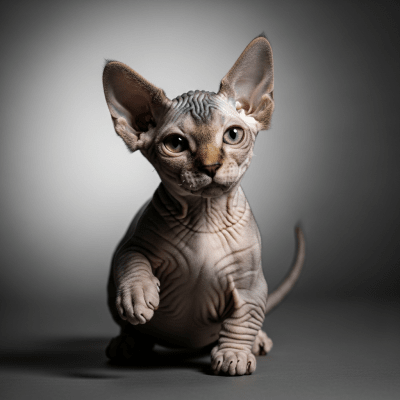
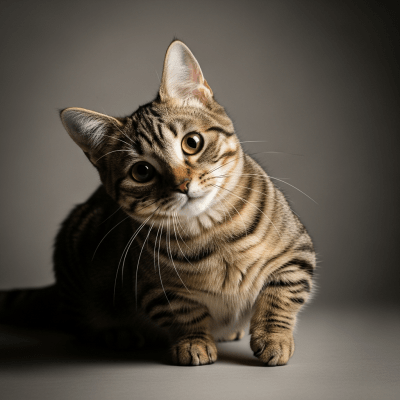
Cats display remarkable variety in appearance, ranging from the plush, voluminous coats of longhair breeds to the sleek, elegant lines of shorthairs and the striking hairlessness of breeds like the Sphynx. Their eyes, ears, and tails vary in shape and size, while color patterns span solid, tabby, calico, and more. Each breed’s physical characteristics are shaped by genetics and breed standards, resulting in a dazzling array of feline forms.
Behavior or Usage
Domestic cats are cherished for their companionship, intelligence, and adaptability. While most serve as affectionate household pets, some breeds are prized for specific behaviors—such as playful energy, calm demeanor, or social nature. Cats play vital roles in pest control, therapy, and even show competitions, with breed traits often influencing their suitability for these functions.