Origin Story
The family Canidae originated millions of years ago, evolving from early carnivorous mammals that adapted to diverse environments across the Northern Hemisphere. Over time, canines spread globally, diversifying into numerous species and subspecies. Their evolutionary journey reflects a complex history shaped by natural selection, environmental changes, and, more recently, human influence through domestication.
Classification
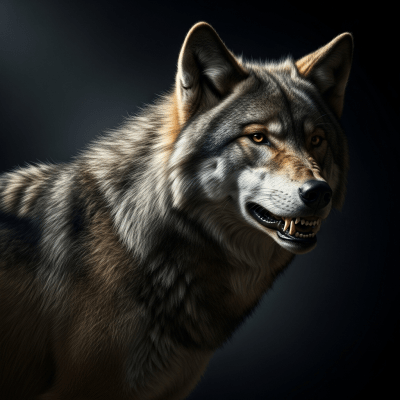
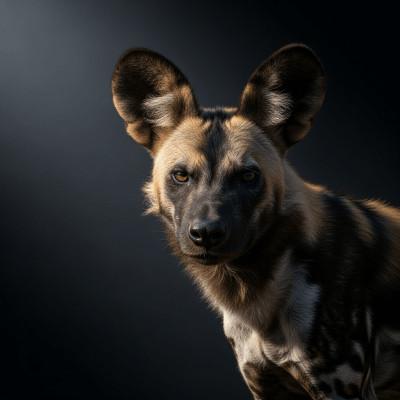
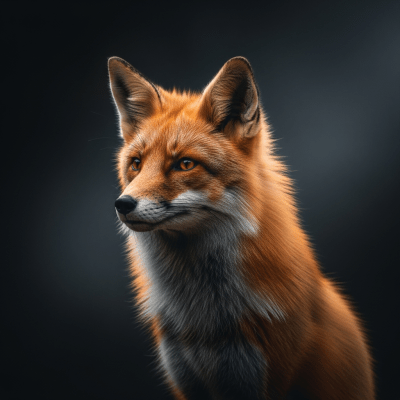
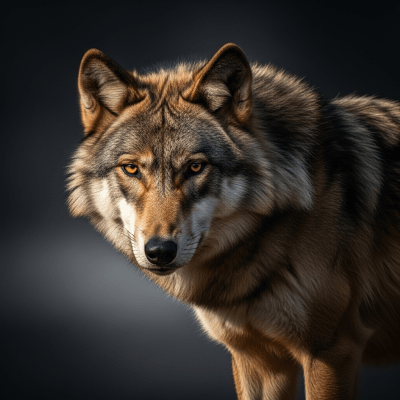
Canines are classified within the family Canidae, which is subdivided into several subfamilies and genera. The primary living subfamily, Caninae, includes well-known genera such as Canis (wolves, dogs, jackals), Vulpes (true foxes), Lycaon (African wild dogs), and others. Species are named using binomial nomenclature, for example, Canis lupus for the gray wolf, with domestic dogs recognized as a subspecies, Canis lupus familiaris. This classification reflects both evolutionary relationships and ecological adaptations.
Appearance or Form
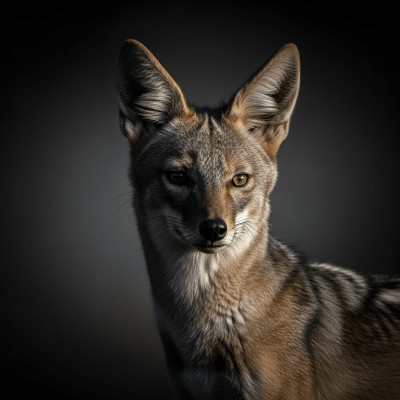
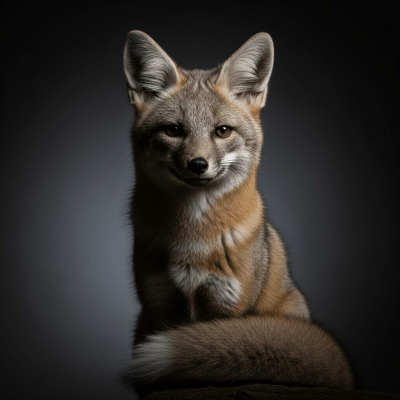
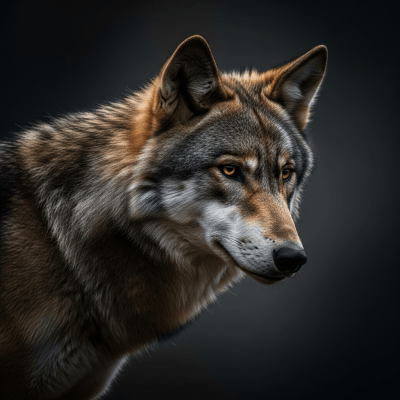
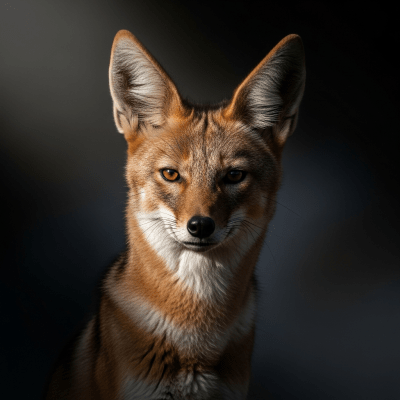
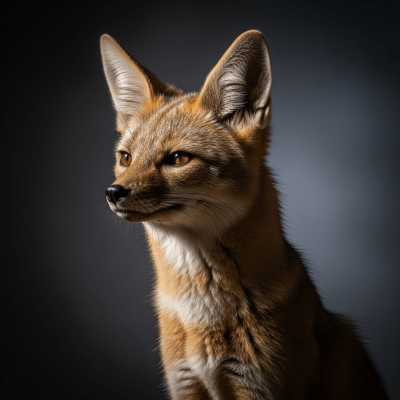
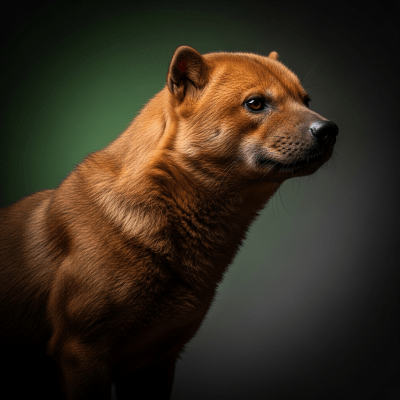
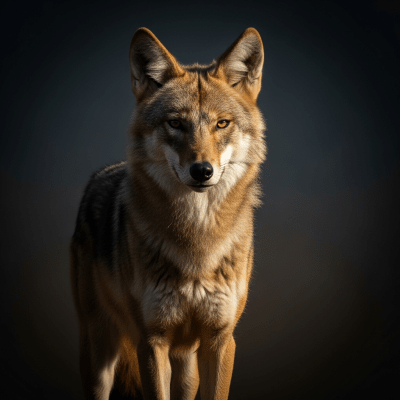
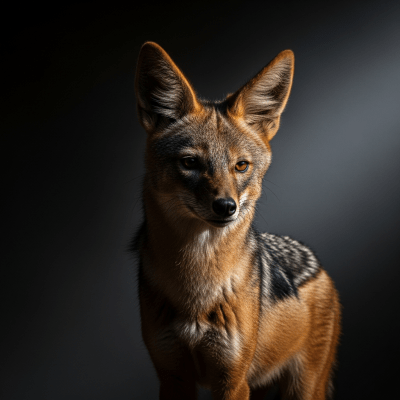
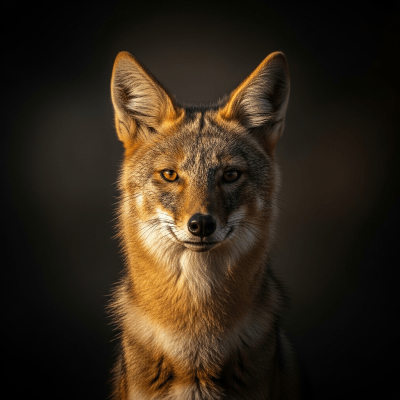
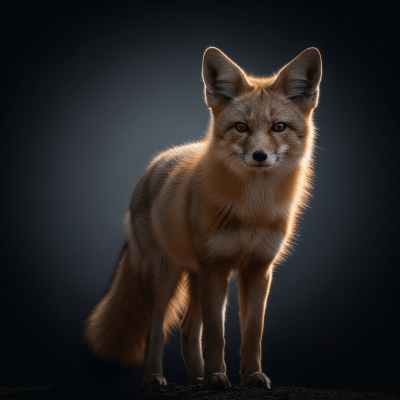
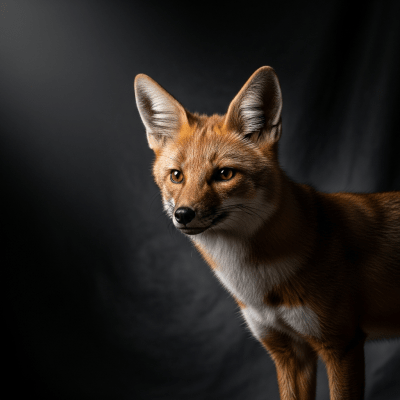
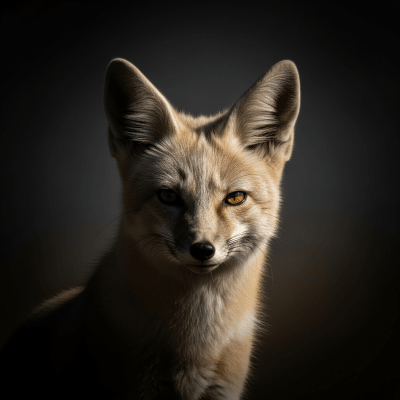
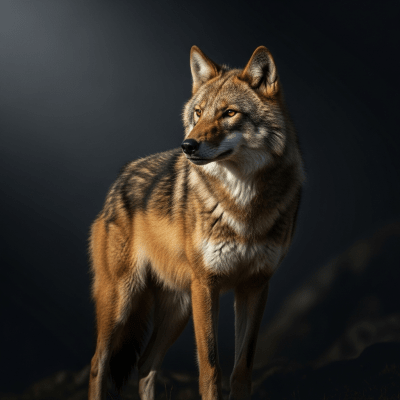
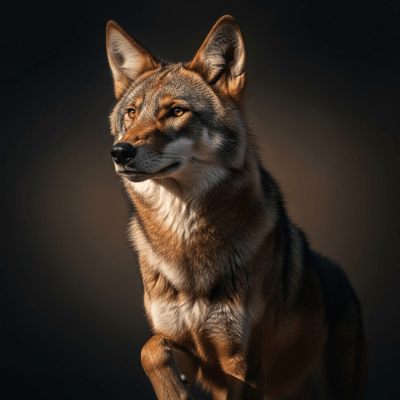
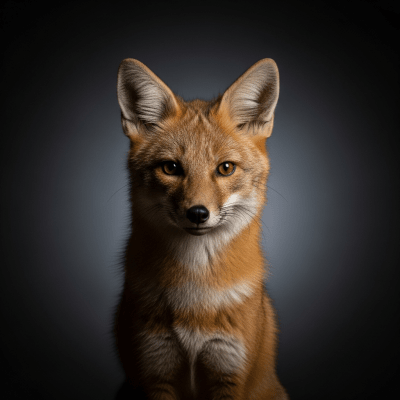
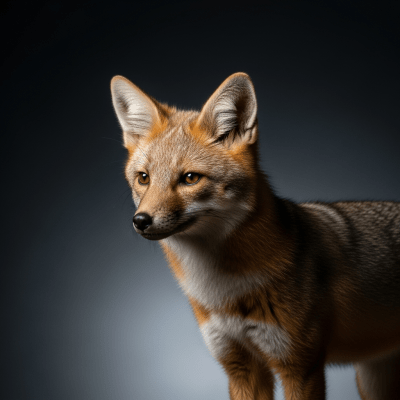
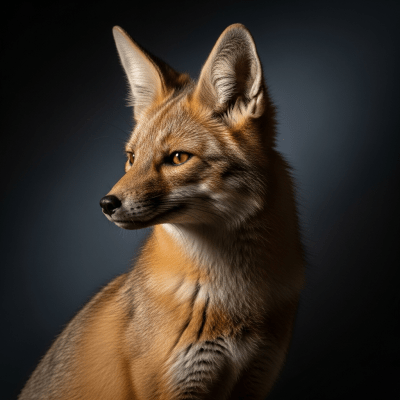
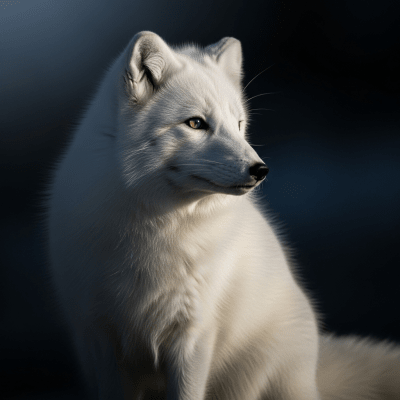
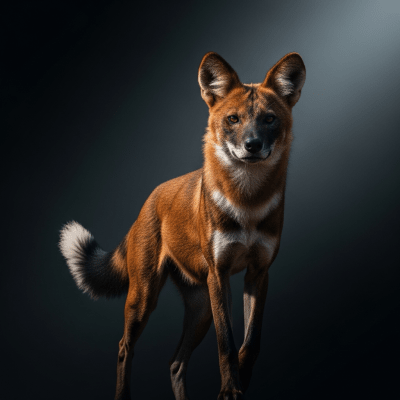
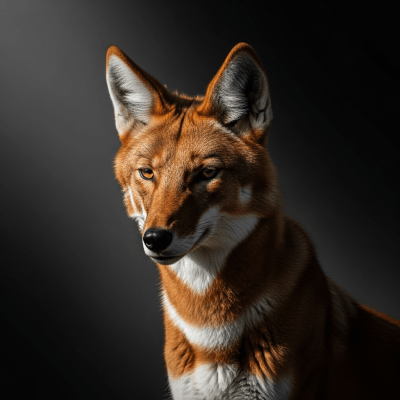
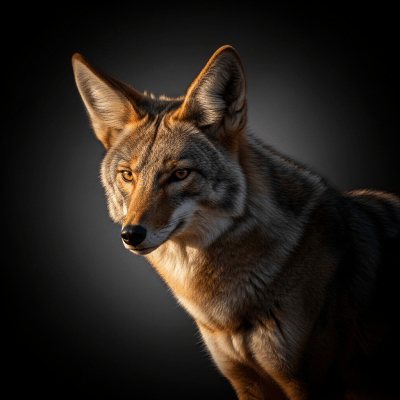
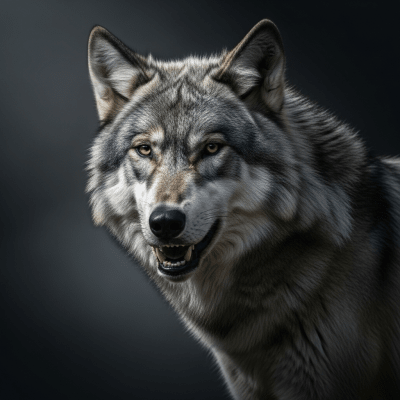
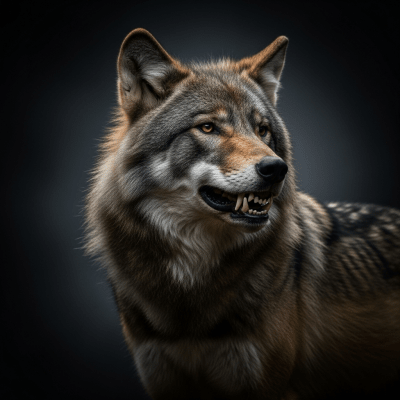
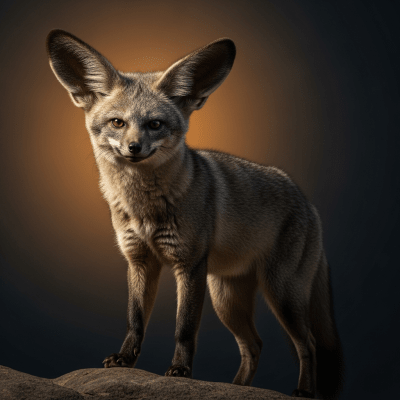
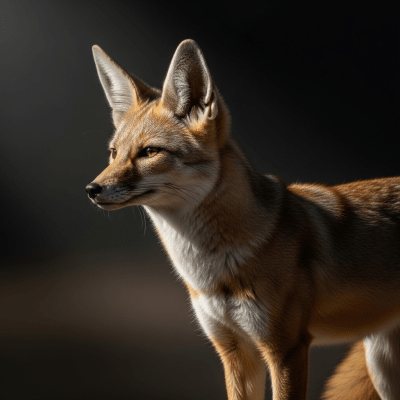
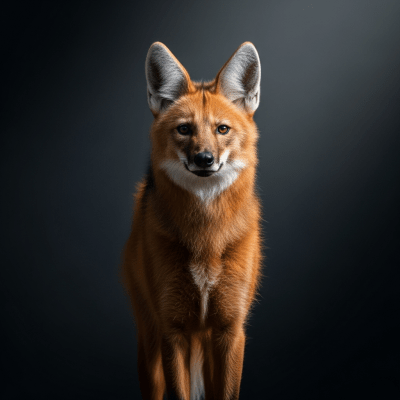
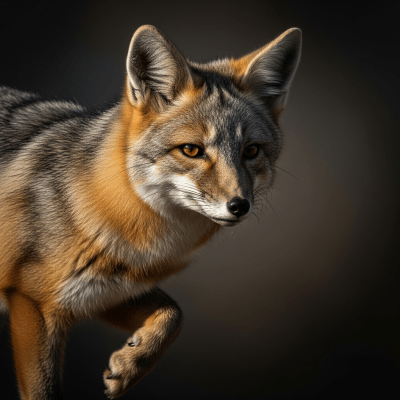
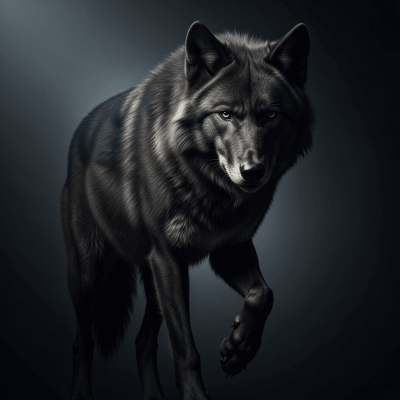
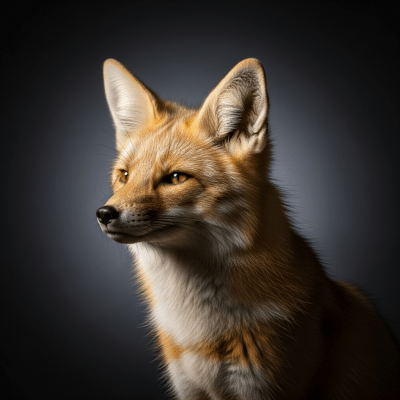
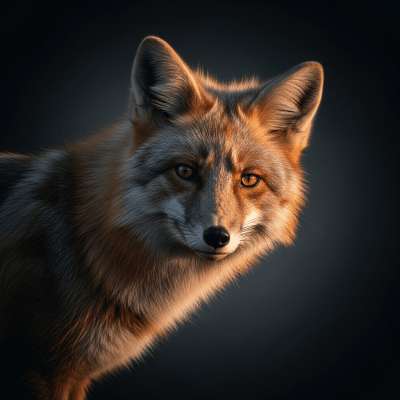
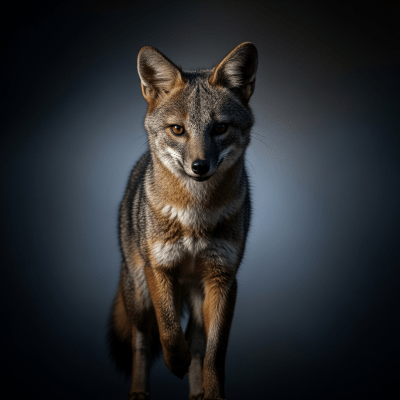
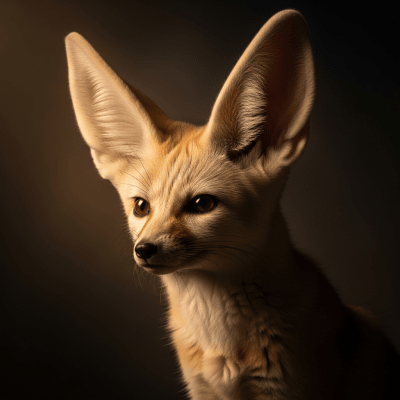
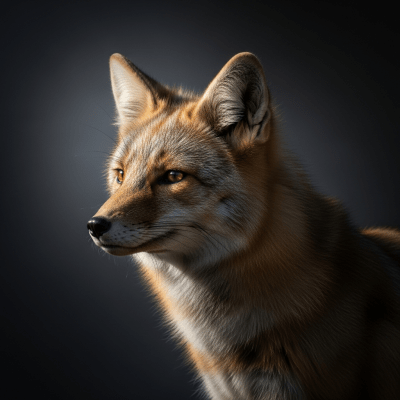
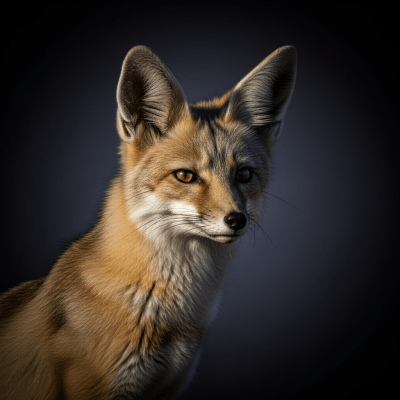
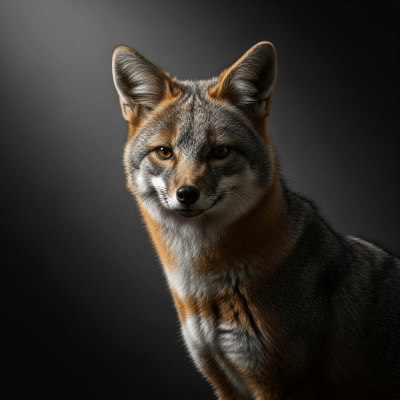
Canines typically exhibit a lean, agile body structure with sharp teeth adapted for a carnivorous diet, though many are omnivorous. They range in size from small foxes with bushy tails and pointed ears to large wolves with robust builds. Their fur varies widely in color and texture, often providing camouflage in their natural habitats. Distinctive features include elongated snouts, keen senses of smell and hearing, and digitigrade locomotion that supports swift and silent movement.
Behavior or Usage
Canines display complex social behaviors, often living in packs or family groups that cooperate in hunting and raising young. Many species are territorial and communicate through vocalizations, scent marking, and body language. Humans have long utilized canines for various purposes, including companionship, hunting, herding, and protection. Domestic dogs, in particular, have been selectively bred for specialized roles, showcasing the adaptability and close bond between humans and canines.