Bengal Fox
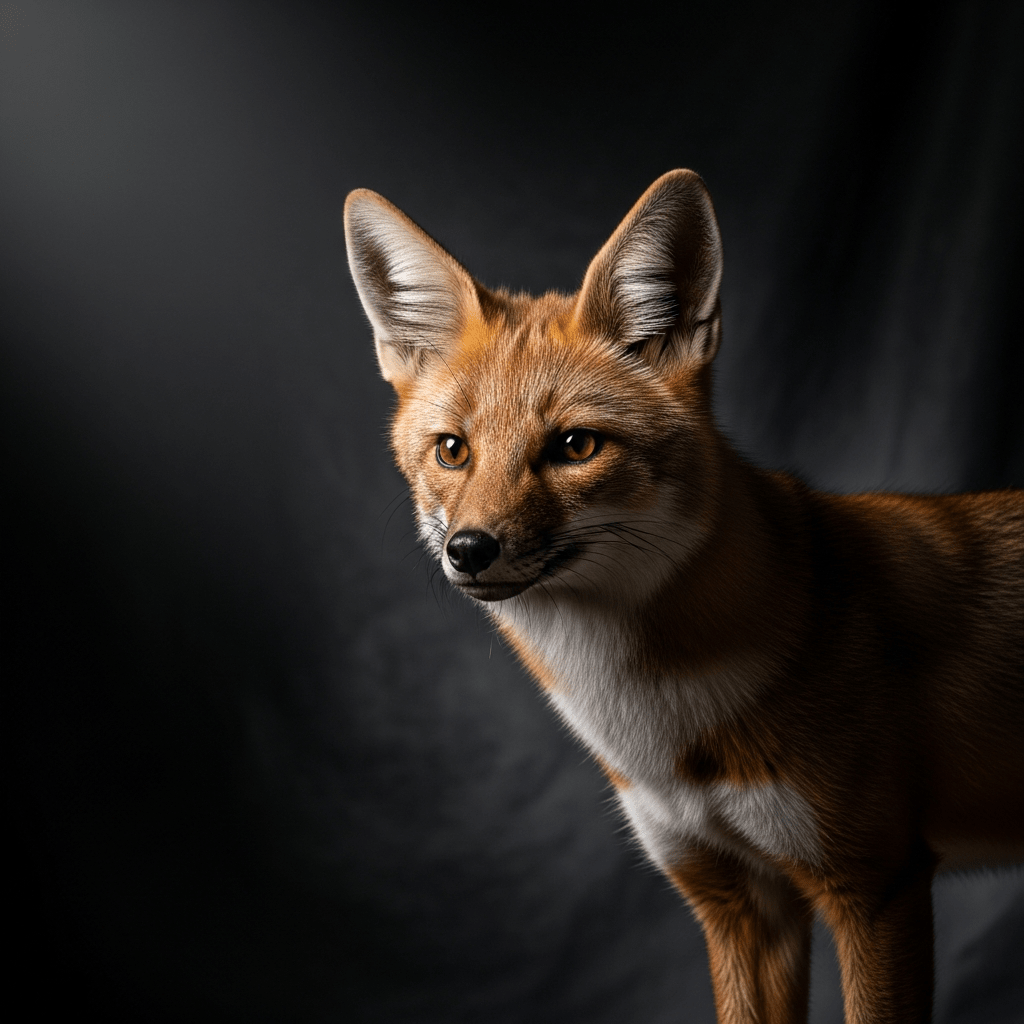
The Bengal Fox (Vulpes bengalensis) is a small, agile canid native to the Indian subcontinent, instantly recognized by its bushy, white-tipped tail and remarkable adaptability to open landscapes.
The Bengal Fox (Vulpes bengalensis) is a small, agile canid native to the Indian subcontinent, instantly recognized by its bushy, white-tipped tail and remarkable adaptability to open landscapes.
First described by Edward Blyth in 1831, the Bengal Fox traces its lineage to the genus Vulpes, which comprises the true foxes. Its evolutionary journey is deeply intertwined with the arid and semi-arid regions of South Asia, where it has thrived for centuries. Unlike many other canids, there are no documented subspecies or formal breeding programs; wild populations remain the sole representatives of this species.
The Bengal Fox belongs to the family Canidae, under the genus Vulpes and species Vulpes bengalensis. As a member of the true foxes, it shares close kinship with other Vulpes species, but stands apart from wolves, jackals, and domestic dogs. Its classification highlights both its evolutionary distinctness and its place within the broader canid family.
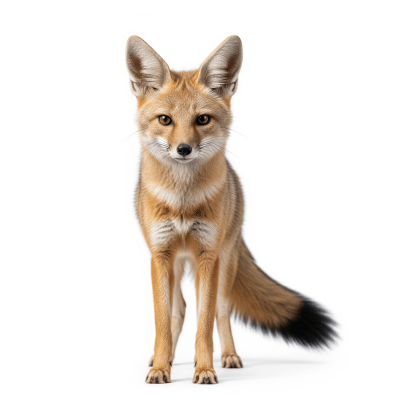
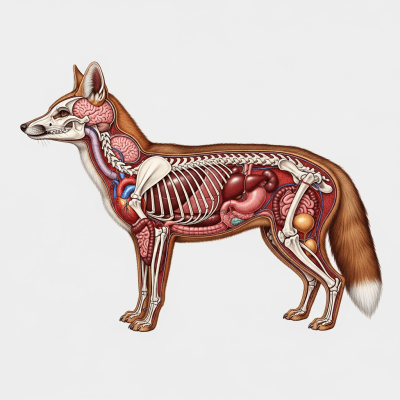
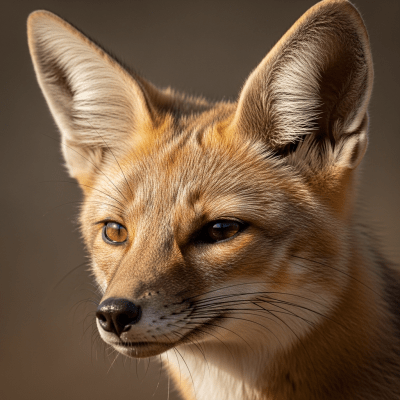
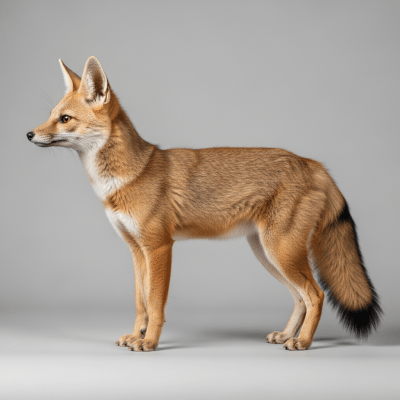
Slender and graceful, the Bengal Fox features a head-body length of 45–60 cm and a tail spanning 25–35 cm, with an overall weight between 2.3 and 4.1 kg. Its coat ranges from pale gray to brown, accented by a striking bushy tail tipped in white. Large, pointed ears and a sharp muzzle lend it a keen, alert expression. The fox’s limbs are built for swift running and agile digging, perfectly suited to its open habitat.
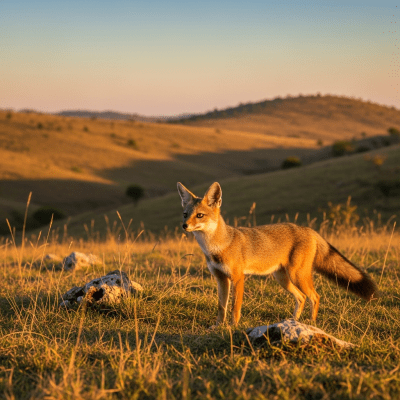
Primarily crepuscular and nocturnal, the Bengal Fox is most active at dawn and dusk. It lives in pairs or small family groups, constructing intricate dens for shelter and raising young. Omnivorous by nature, its diet includes rodents, insects, fruits, and occasional carrion. The species is highly adaptable, tolerating moderate habitat disturbance, yet remains vulnerable to severe habitat loss and human persecution.
Bring this kind into your world � illustrated posters, mugs, and shirts.
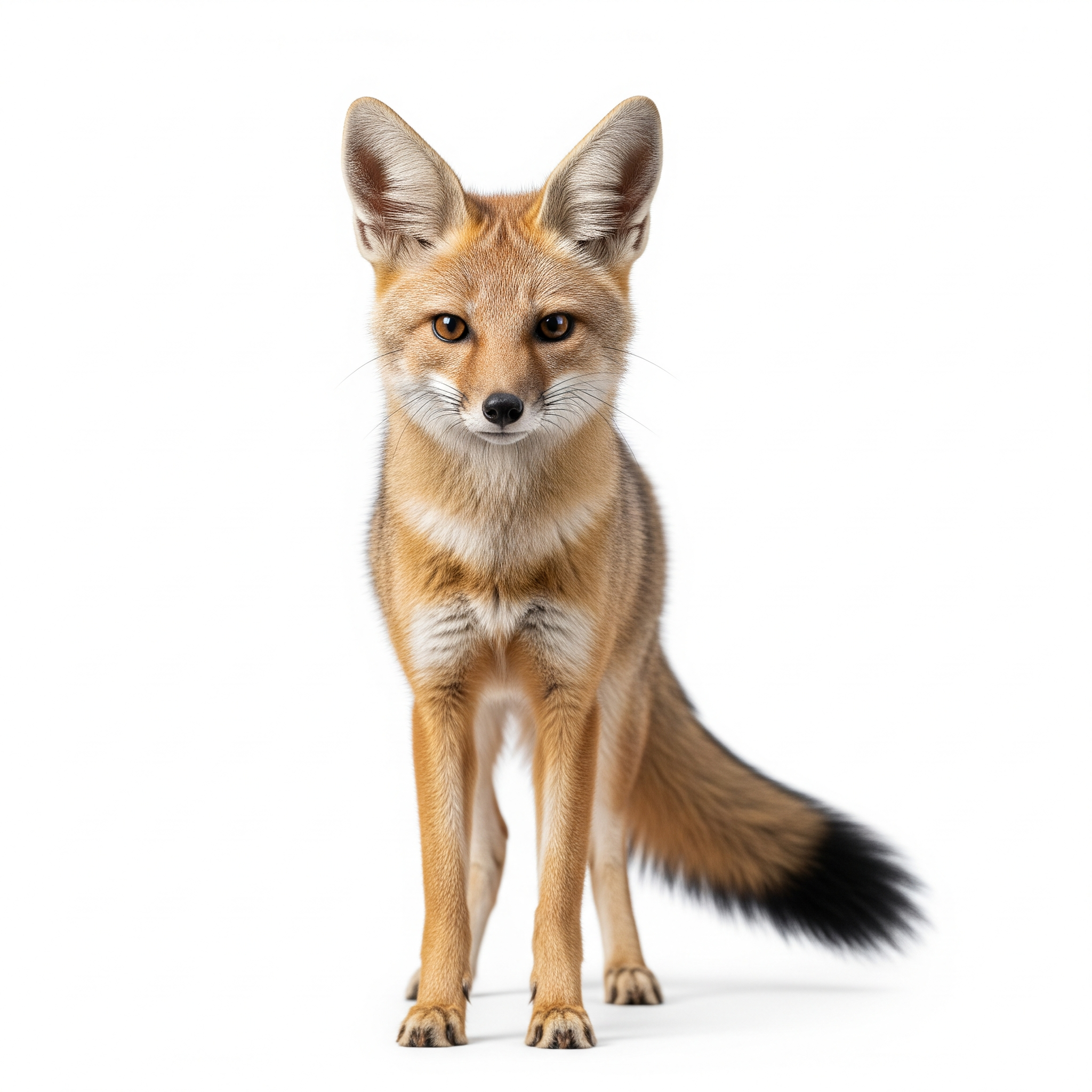
Archival print, museum-grade paper
Buy Poster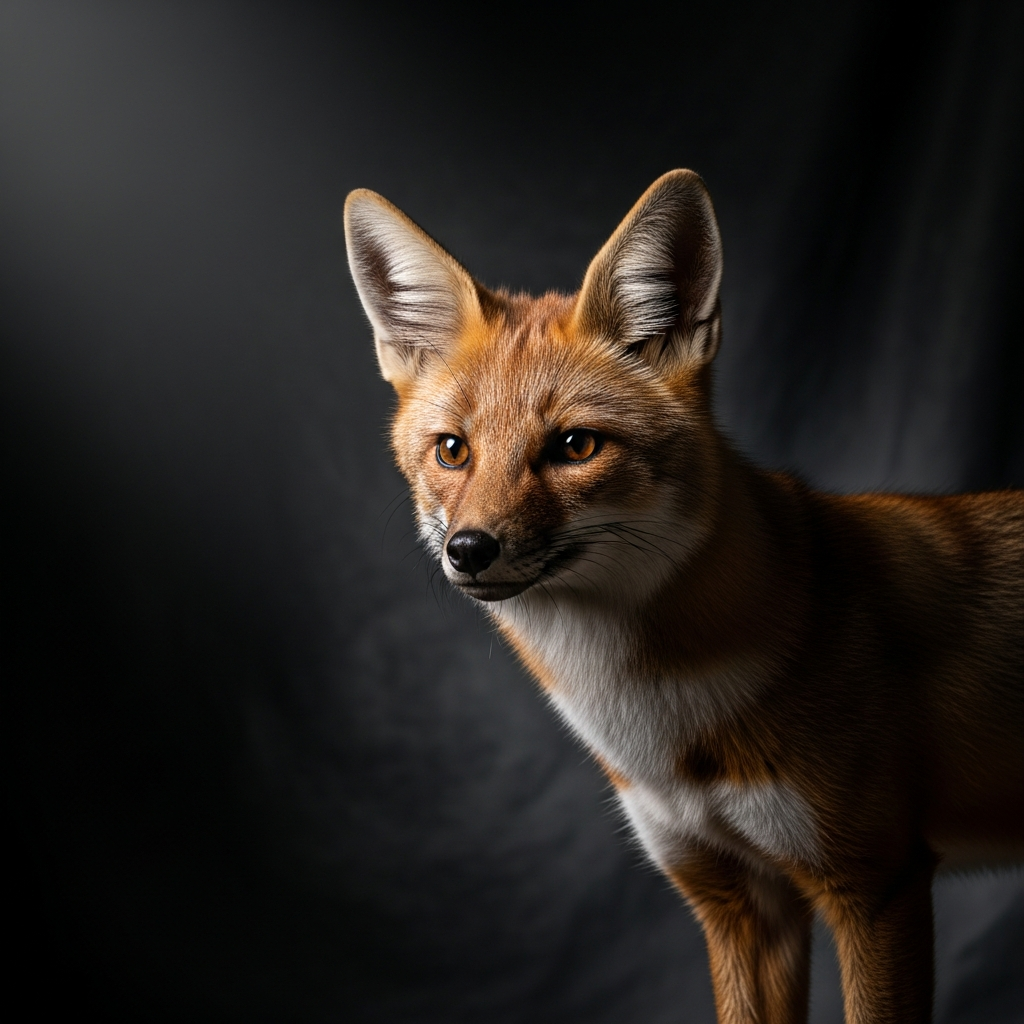
Stoneware mug, dishwasher safe
Buy Mug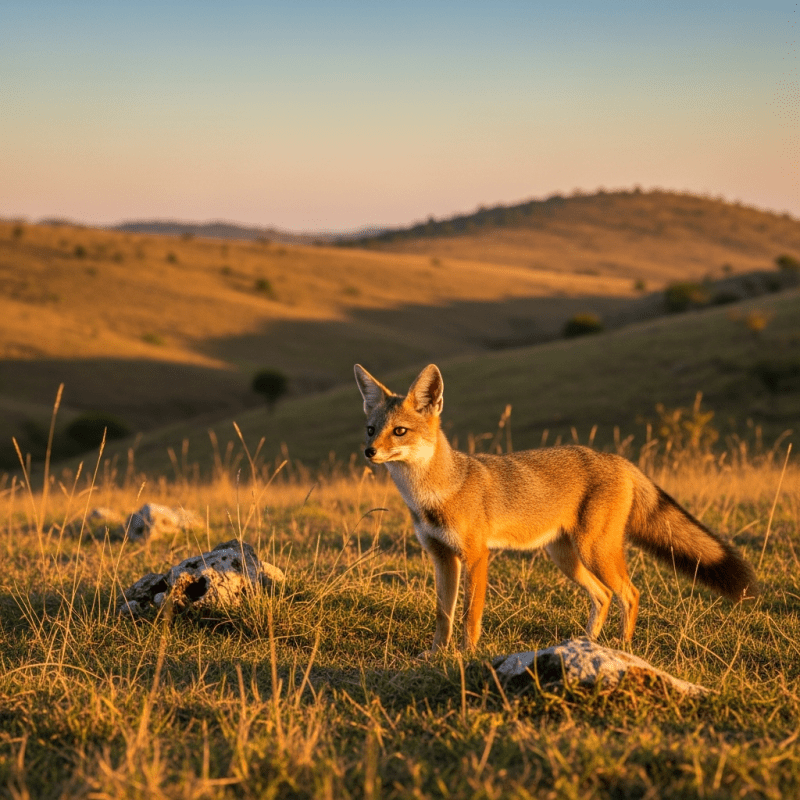
Soft cotton tee, unisex sizes
Buy ShirtAcross the Indian subcontinent, the Bengal Fox is woven into local folklore as a symbol of cleverness and elusiveness. Known regionally as "Lomdi" in Hindi and "Nekra" in Bengali, it often appears in stories that highlight its wit and resourcefulness. While not a major figure in global culture, its presence in South Asian myth and rural life underscores its enduring role in local traditions.
The Bengal Fox has never been domesticated and exists solely in wild populations. Its evolutionary history is rooted in the genus Vulpes, which diverged from other canids millions of years ago. Unlike domestic dogs, whose lineage is shaped by human selection, the Bengal Fox’s adaptations are the result of natural pressures in South Asia’s open habitats.



Unlike domesticated dogs, which have been bred for companionship, work, and diverse traits, the Bengal Fox remains entirely wild. It exhibits natural behaviors such as den construction, nocturnal activity, and omnivorous foraging. While domestic dogs rely on humans for food and shelter, the Bengal Fox is self-sufficient, navigating the challenges of its environment without human intervention.
The Bengal Fox is a distinct species within the genus Vulpes, with no recognized subspecies or breeds. It stands apart from other regional canids such as jackals, wolves, and domestic dogs. Its closest relatives are other true foxes, but its unique adaptations and exclusive South Asian range make it a singular presence among canines.
As a mesopredator, the Bengal Fox plays a vital role in regulating populations of rodents, insects, and other small animals. Its omnivorous diet helps maintain ecological balance in grasslands and scrublands. By scavenging and dispersing seeds, it also contributes to ecosystem health and resilience, making it an important component of South Asia’s biodiversity.
The Bengal Fox is generally robust, with natural resistance to moderate habitat disturbance. However, it is susceptible to threats such as habitat loss, hunting, and disease. Conservation efforts focus on protecting its habitats and minimizing human-wildlife conflict. In captivity, welfare concerns include stress and limited space, but such instances are rare.
While the Bengal Fox does not have widely recognized individual representatives, it is celebrated in regional folklore as a clever and elusive creature. Its role in rural stories and local myth highlights its cultural presence, even if not tied to specific famous individuals.
The Bengal Fox is currently not considered globally threatened, but faces ongoing risks from habitat destruction, urban expansion, and persecution. Conservation organizations monitor its populations and advocate for habitat protection to ensure its continued survival across the Indian subcontinent.
Known by various names such as "Indian Fox," "Lomdi," and "Nekra," the Bengal Fox is widely recognized throughout South Asia. While there are no formal subspecies, local adaptations may occur in response to differing climates and habitats. Its portrayal in folklore and rural life varies by region, reflecting the diversity of cultural connections across its range.