Origin Story
The evolutionary story of apes traces back millions of years to the primate lineage within the order Primates. Emerging from early catarrhine ancestors, apes diversified primarily in the Old World, with lesser apes (gibbons) evolving in Southeast Asia and great apes developing in Africa and parts of Asia. This diversification reflects adaptations to varied forest habitats and social structures, marking a significant chapter in primate evolution.
Classification
Apes belong to the superfamily Hominoidea, which is divided into two families: Hylobatidae, comprising the lesser apes or gibbons, and Hominidae, the great apes. The Hominidae family further splits into subfamilies including Ponginae (orangutans) and Homininae, which contains African apes such as gorillas and chimpanzees, as well as humans. This hierarchical classification reflects both evolutionary relationships and morphological distinctions across species.
Appearance or Form
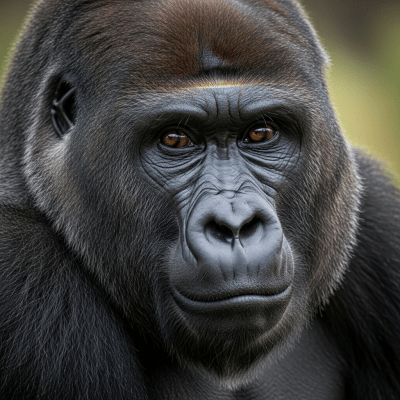
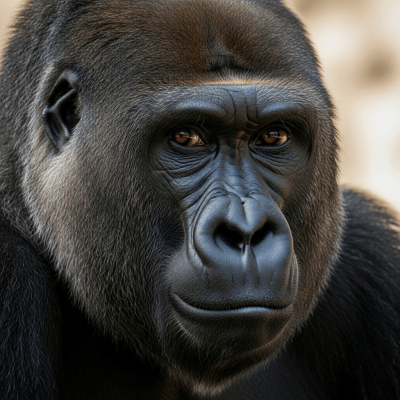
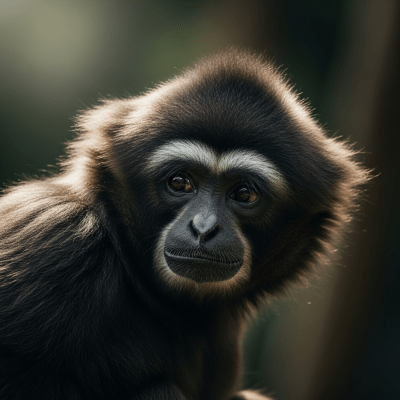
Apes are distinguished by their lack of tails, upright posture, and relatively large brains compared to other primates. Lesser apes, or gibbons, are smaller and more slender with long arms adapted for brachiation, while great apes are generally larger and more robust. Their facial features, body size, and limb proportions vary widely, but all share traits such as flexible shoulder joints and opposable thumbs, enabling complex movement and manipulation.
Behavior or Usage
Apes exhibit diverse and sophisticated behaviors, including complex social structures, tool use, and communication methods. Many species live in social groups with intricate hierarchies and cooperative behaviors. Humans, as part of this group, have developed culture and technology extensively. Beyond their natural behaviors, apes have also been studied extensively by humans for insights into evolution, cognition, and conservation, while some species are kept in managed care to support their survival.