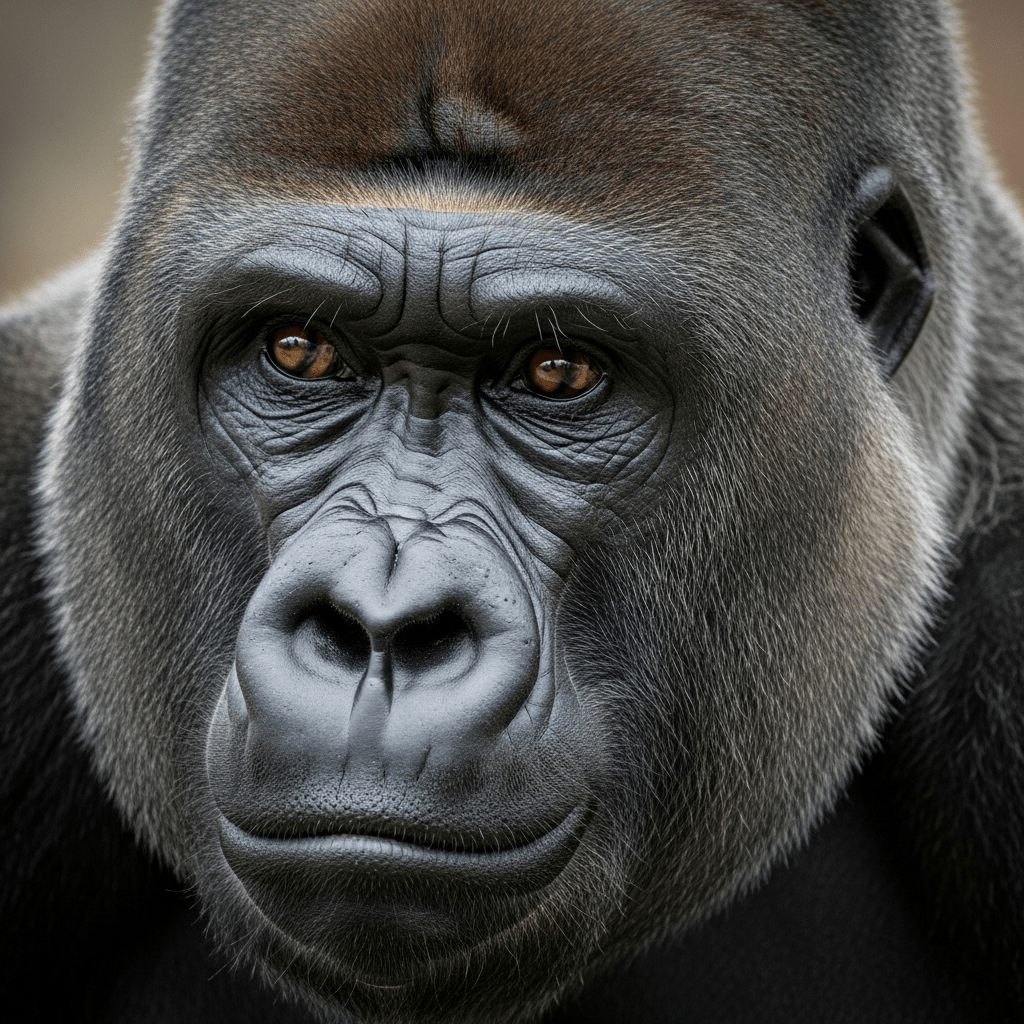
Western Gorilla
The Western gorilla (Gorilla gorilla) is a robust and powerful great ape species native to Central and West Africa, recognized as the most numerous gorilla species in the wild despite facing rapid population declines.
The Western gorilla (Gorilla gorilla) is a robust and powerful great ape species native to Central and West Africa, recognized as the most numerous gorilla species in the wild despite facing rapid population declines.
First described in 1847 by Thomas Savage and Jeffries Wyman from specimens in West Africa, the Western gorilla has since been classified into two main subspecies based on geography and morphology: the Western lowland gorilla and the Cross River gorilla. This species evolved distinctly from its eastern relatives, adapting to diverse forest habitats across Central and West Africa.
The Western gorilla belongs to the family Hominidae within the superfamily Hominoidea, placing it among the great apes. Its genus is Gorilla, and it is phylogenetically distinct from the Eastern gorilla (Gorilla beringei). Two widely accepted subspecies are recognized: the Western lowland gorilla (Gorilla gorilla gorilla) and the Cross River gorilla (Gorilla gorilla diehli).
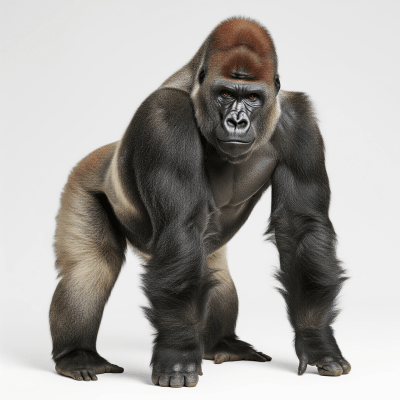
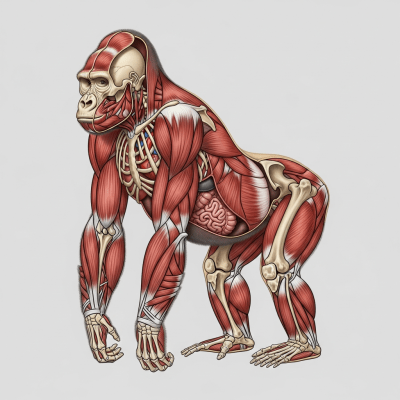
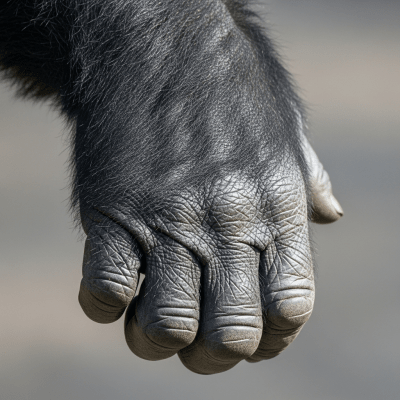
Western gorillas are large, muscular primates with adult males reaching up to 170 cm in height and weighing between 140 and 200 kg, while females are smaller, weighing 70 to 115 kg. Their fur is generally brownish-gray with a reddish crown, lighter than that of eastern gorillas. They exhibit pronounced sexual dimorphism, a broad chest, muscular arms, a short and stocky build, and a distinctive pronounced brow ridge.
Western gorillas live in stable social groups typically led by a dominant silverback male, with group sizes ranging from five to ten individuals. They interact closely within their environment, primarily feeding on fruit supplemented by leaves, stems, seeds, and occasional insects. Their slow reproductive rate includes a gestation period of about 8.5 months and interbirth intervals of four to six years, reflecting extended parental care and investment.
Bring this kind into your world � illustrated posters, mugs, and shirts.
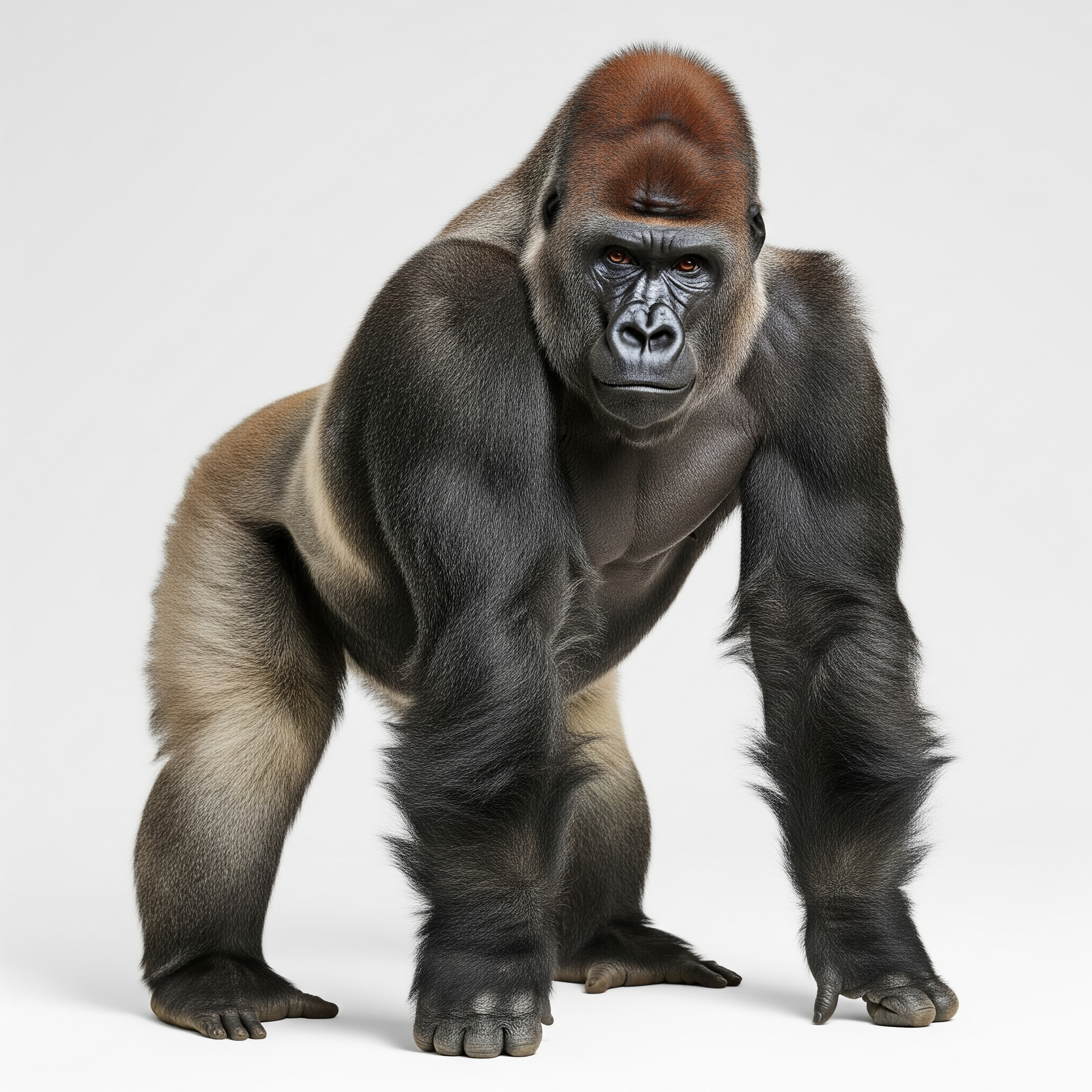
Archival print, museum-grade paper
Buy Poster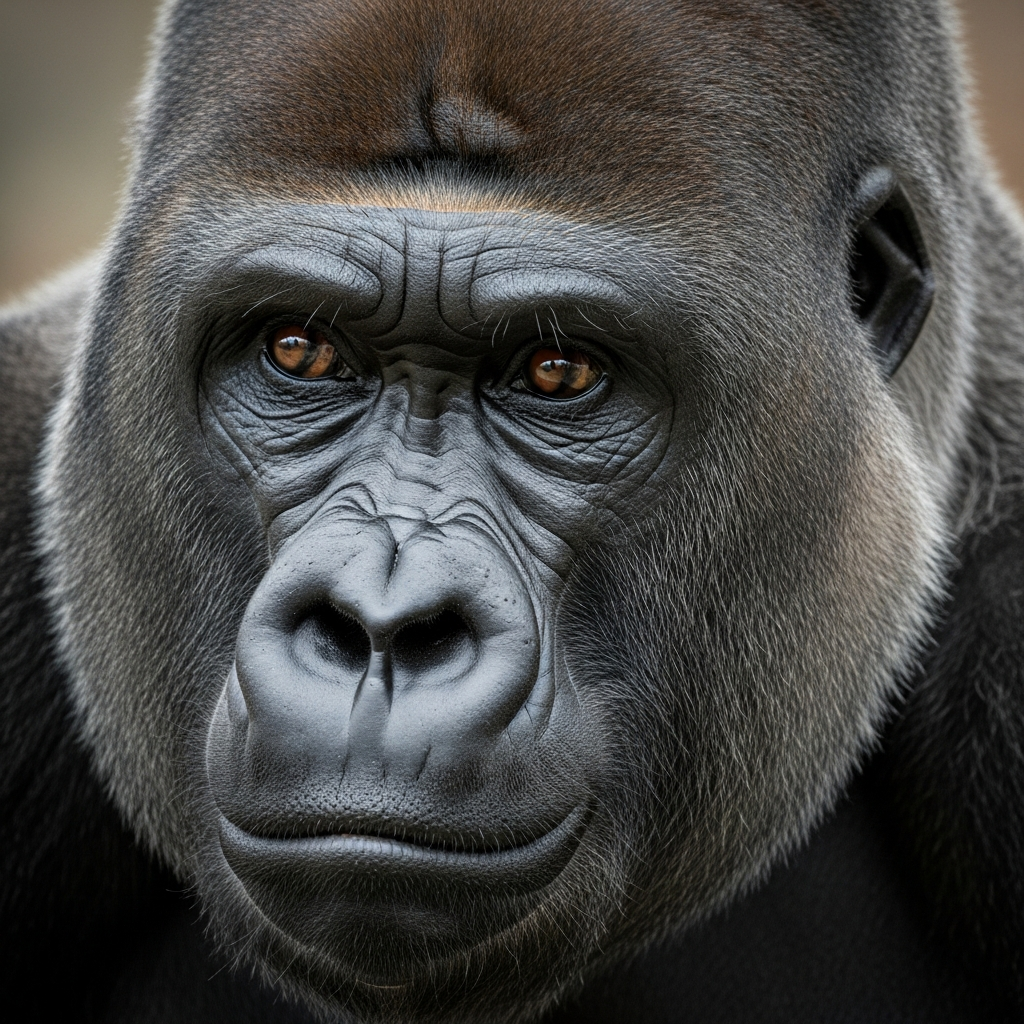
Stoneware mug, dishwasher safe
Buy Mug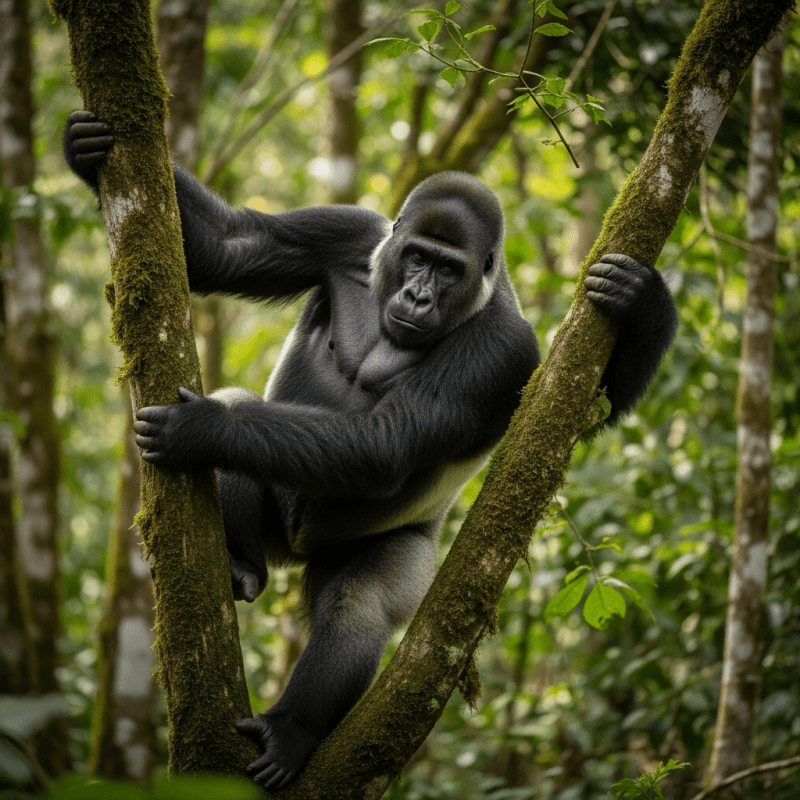
Soft cotton tee, unisex sizes
Buy ShirtThe Western gorilla holds significant cultural and ecological value across Central Africa. It features prominently in local folklore and regional names such as "Mbeli" and "Nkuba." As a flagship species for conservation, it also supports ecotourism initiatives that provide economic benefits to local communities while raising global awareness about biodiversity and habitat preservation.
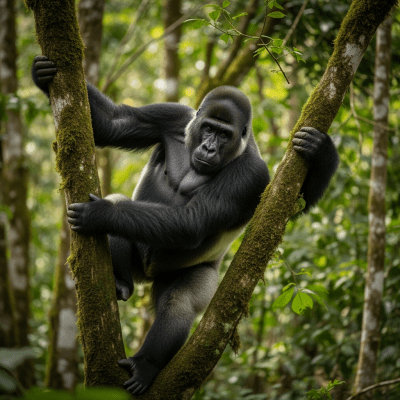
Western gorillas inhabit a range of forested environments across Central and West Africa. The Western lowland gorilla thrives in lowland tropical forests, swamp forests, and secondary forests, while the Cross River gorilla occupies montane and submontane forests in a limited area along the Nigeria-Cameroon border. Their distribution is fragmented and shrinking due to human activities.
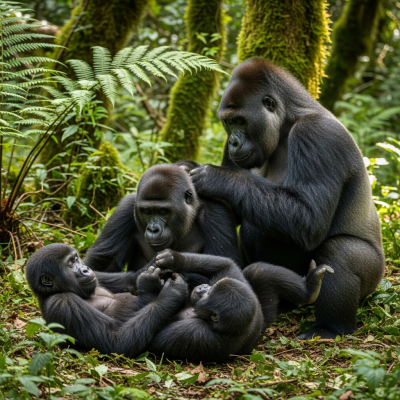
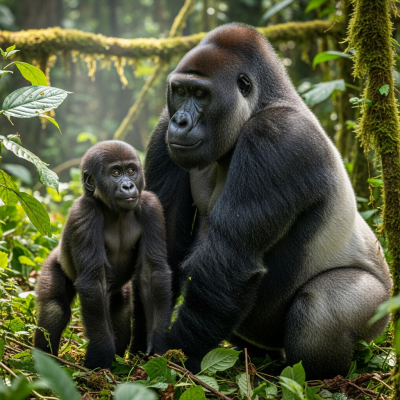
Western gorillas live in cohesive social groups led by a dominant silverback male who protects and guides the group. These groups typically consist of five to ten individuals, including females and their offspring. Social bonds are strong, with the silverback mediating conflicts and maintaining group cohesion through vocalizations and displays.
The diet of Western gorillas is largely frugivorous, relying heavily on a variety of fruits. This is supplemented by leaves, stems, seeds, and occasionally insects, providing a balanced intake of nutrients. Their feeding behavior adapts seasonally to the availability of resources within their forest habitats.
Classified as critically endangered, Western gorillas face severe threats from habitat destruction due to logging and agriculture, poaching for bushmeat, and devastating disease outbreaks such as Ebola virus. Conservation efforts focus on habitat protection, anti-poaching measures, and regulated ecotourism to support local economies while minimizing human impact.
Western gorillas possess 48 chromosomes and exhibit clear genetic distinctions between their two subspecies, with no documented hybridization. Their evolutionary lineage diverged from the Eastern gorilla, reflecting adaptations to different ecological niches. Genetic studies support their status as distinct population units critical for conservation planning.