Cymric
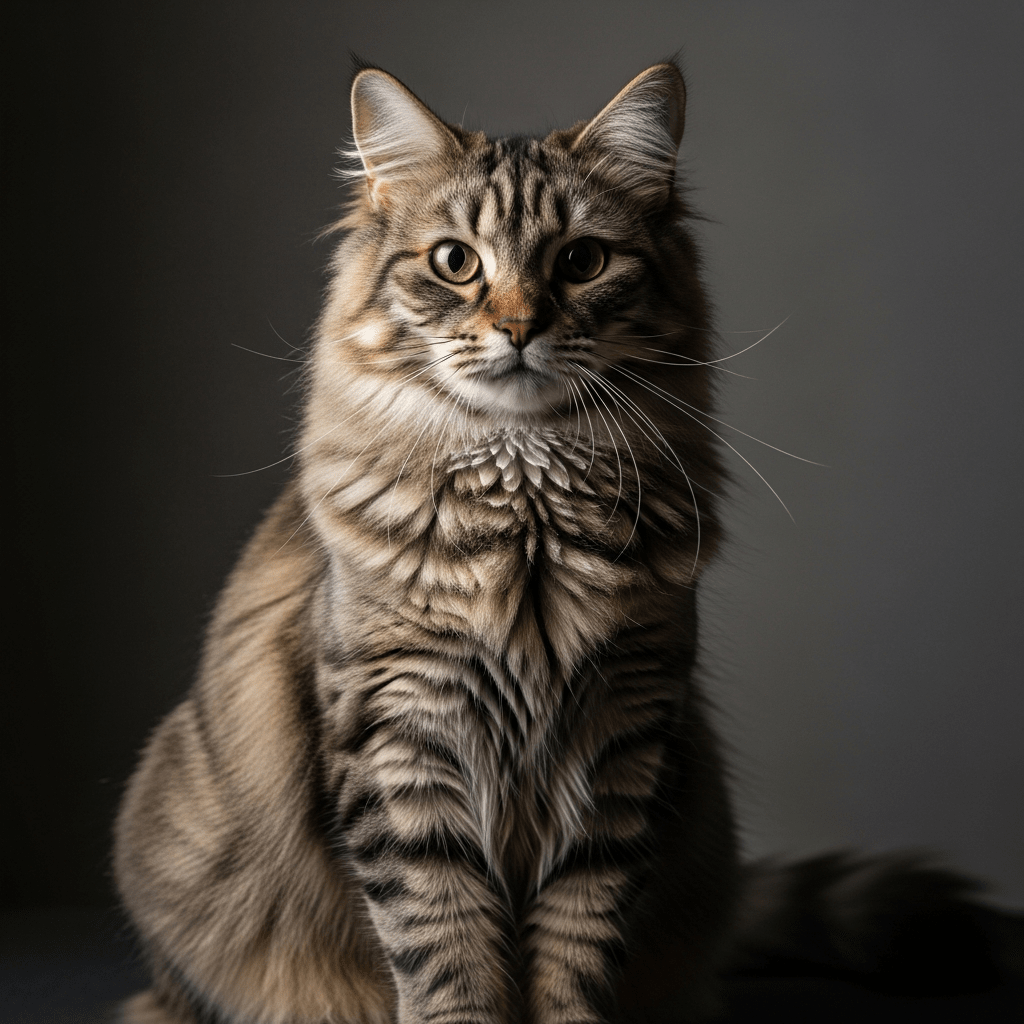
The Cymric is a longhaired, tailless or short-tailed cat breed, celebrated for its plush double coat and distinctive rounded form—a striking combination of the Manx’s unique genetics with luxurious fur.
The Cymric is a longhaired, tailless or short-tailed cat breed, celebrated for its plush double coat and distinctive rounded form—a striking combination of the Manx’s unique genetics with luxurious fur.
Originating in Canada in the 1960s and 1970s, the Cymric was developed when longhaired kittens appeared in Manx litters. Breeders selectively cultivated these cats, naming the breed "Cymric"—Welsh for "Wales"—to evoke a Celtic heritage, though its roots are North American. The breed shares its genetic lineage and the iconic tailless gene with the Manx, and was first formally recognized by the Canadian Cat Association in the 1970s before gaining acceptance with other registries.
The Cymric is classified as a domestic cat breed within Felis catus, specifically as the longhaired variant of the Manx. While some registries treat it as a distinct breed, others consider it a coat-length variety of the Manx. Its defining feature is the Manx gene, which causes taillessness or a shortened tail.
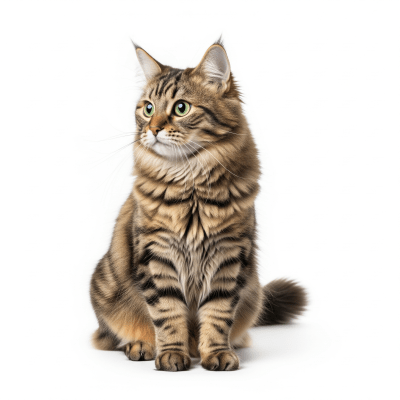
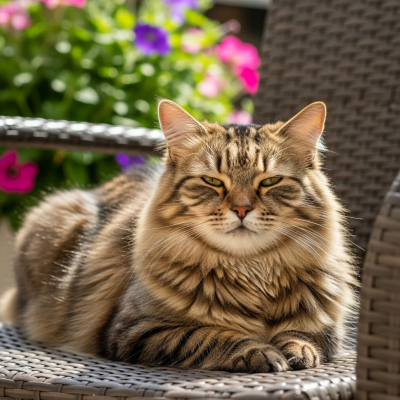
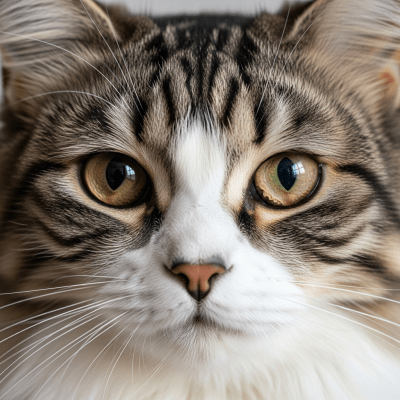
Cymrics are medium-sized, compact, and muscular cats with a rounded silhouette. Their most notable trait is the absence of a tail (rumpy), a short tail (stumpy), or a partial tail (longy), all resulting from the Manx gene mutation. The dense, soft double coat ranges from medium-long to long, forming a ruff around the neck and breeches on the hindquarters. Large, expressive eyes and a round head with prominent cheeks complete their gentle, plush look.
Primarily cherished as companion animals, Cymrics are known for their affectionate, playful, and intelligent nature. Their gentle temperament makes them ideal family pets, while their striking appearance and unique tail variations make them favorites in cat shows. They thrive in interactive environments and are valued for both companionship and exhibition.
Bring this kind into your world � illustrated posters, mugs, and shirts.
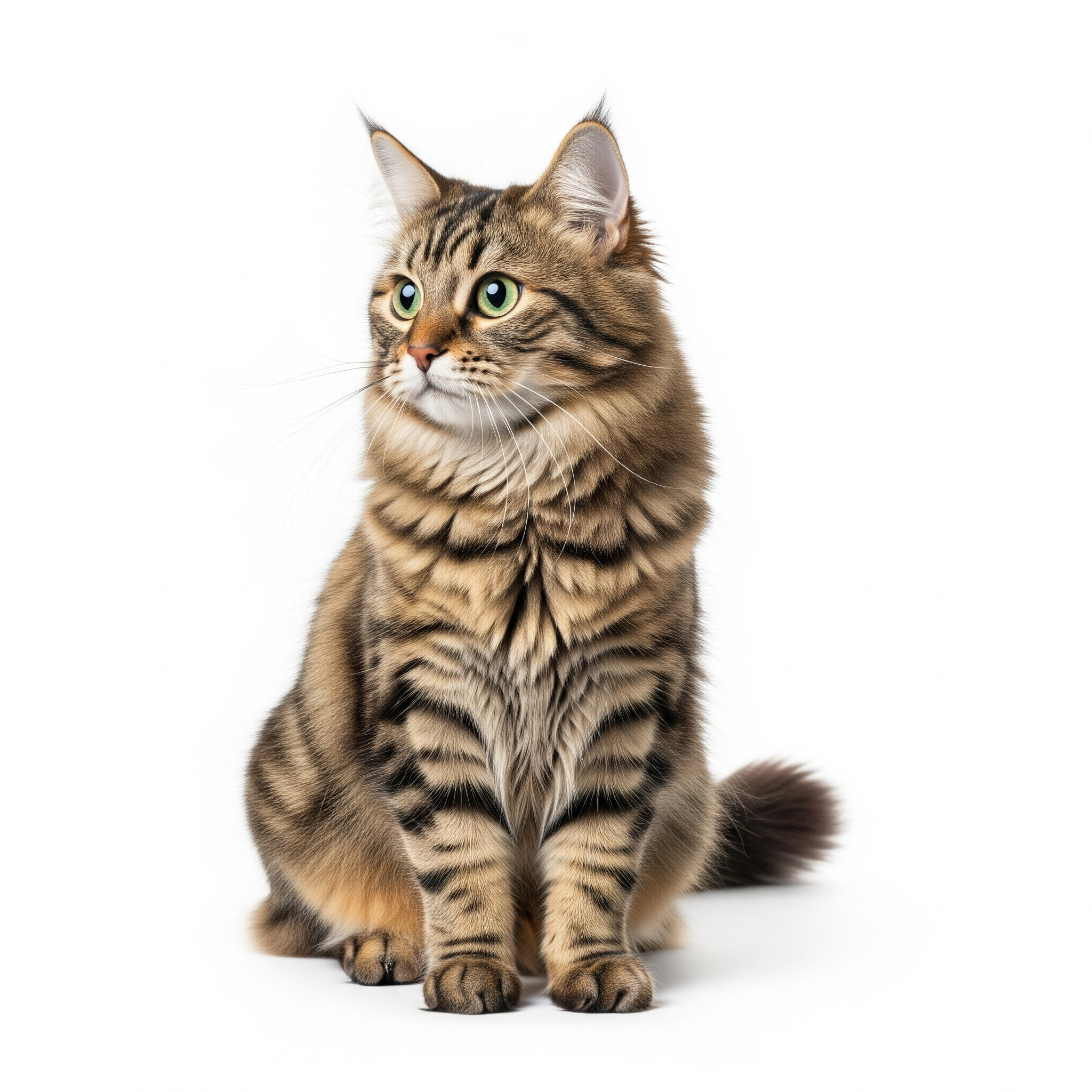
Archival print, museum-grade paper
Buy Poster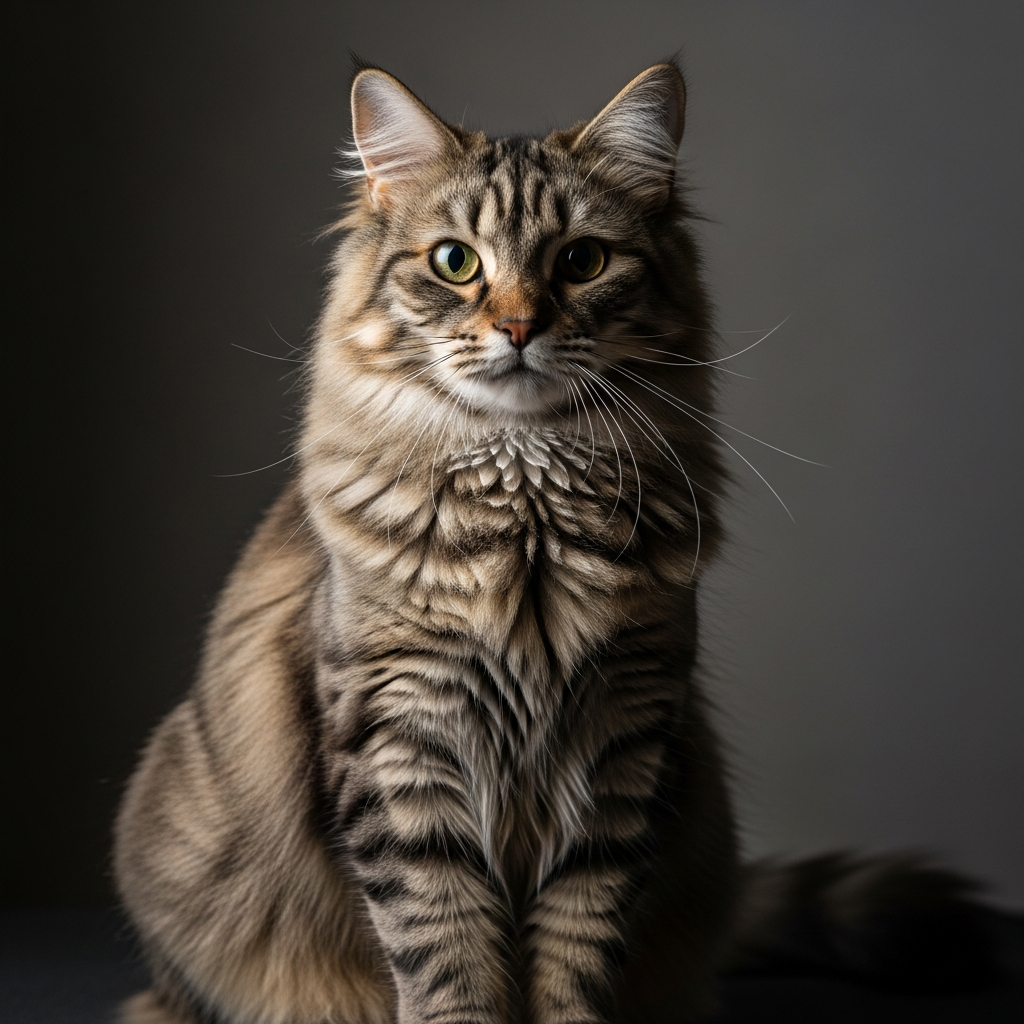
Stoneware mug, dishwasher safe
Buy Mug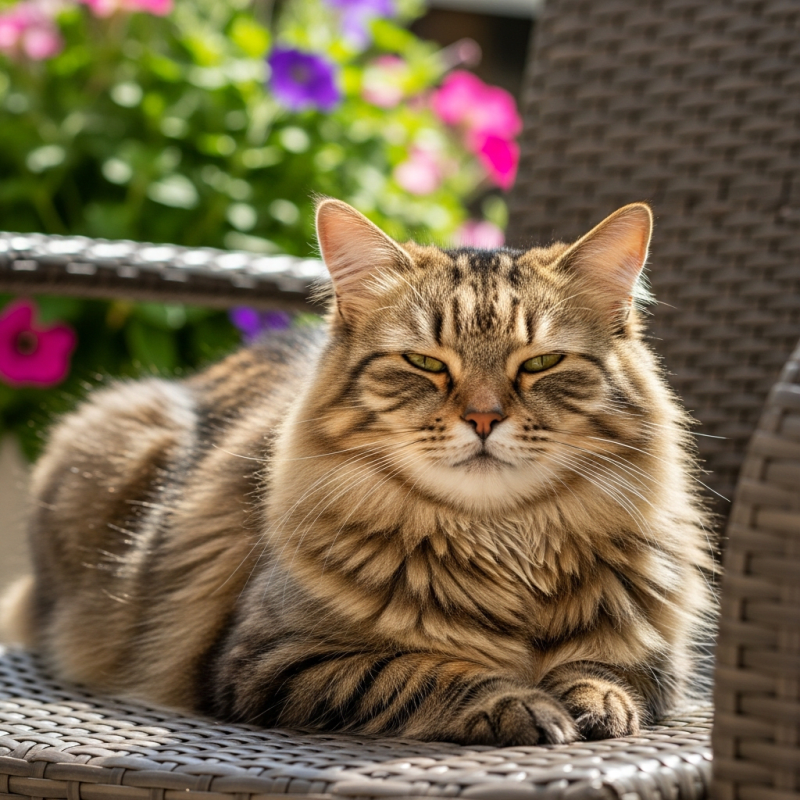
Soft cotton tee, unisex sizes
Buy ShirtThe Cymric’s Celtic-inspired name and distinctive appearance lend it a certain mystique among cat fanciers. Though not as widely represented in art or folklore as its Manx ancestor, the Cymric’s taillessness and luxurious coat have made it a symbol of rarity and elegance in modern cat culture, especially in North America.
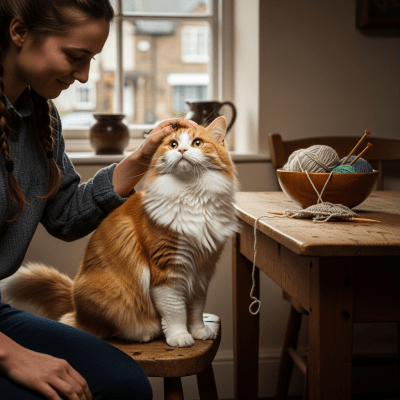
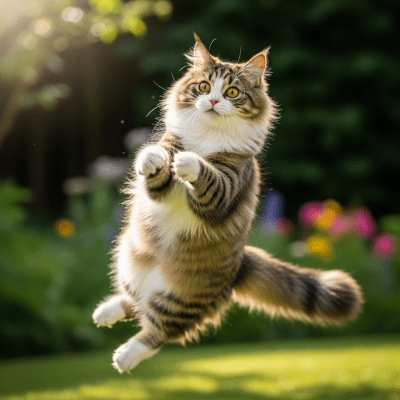
Cymrics are playful, intelligent, and gentle cats. They form strong bonds with their families, enjoy interactive play, and are both affectionate and adaptable. Their easygoing personality makes them well-suited to households with children or other pets.
The Cymric is predisposed to certain genetic health issues associated with the Manx gene, most notably Manx Syndrome, which can cause spinal and neurological defects. Responsible breeders work to minimize these risks. With proper care and careful breeding, Cymrics can enjoy a healthy life, though specific lifespan data is variable.
The Cymric’s dense, medium-long to long coat requires regular brushing to prevent matting and maintain its plush texture. Routine grooming, along with attention to overall health and monitoring for genetic issues, helps keep Cymrics looking and feeling their best.
All coat colors and patterns are accepted in the Cymric breed, except those indicating hybridization (such as pointed, chocolate, or lavender). Their double coat displays a wide variety of hues and markings, making each Cymric visually unique.
While there are no widely recognized individual Cymrics in popular culture, the breed itself is notable among cat enthusiasts and at cat shows for its distinctive taillessness and luxurious coat.
The name "Cymric" is predominantly used in North America. In the UK, the Governing Council of the Cat Fancy (GCCF) registers longhaired Manx cats as Manx (Longhair) rather than Cymric. Some registries treat the Cymric as a coat variant of the Manx rather than a separate breed, reflecting regional differences in nomenclature and classification.