Japanese Bobtail
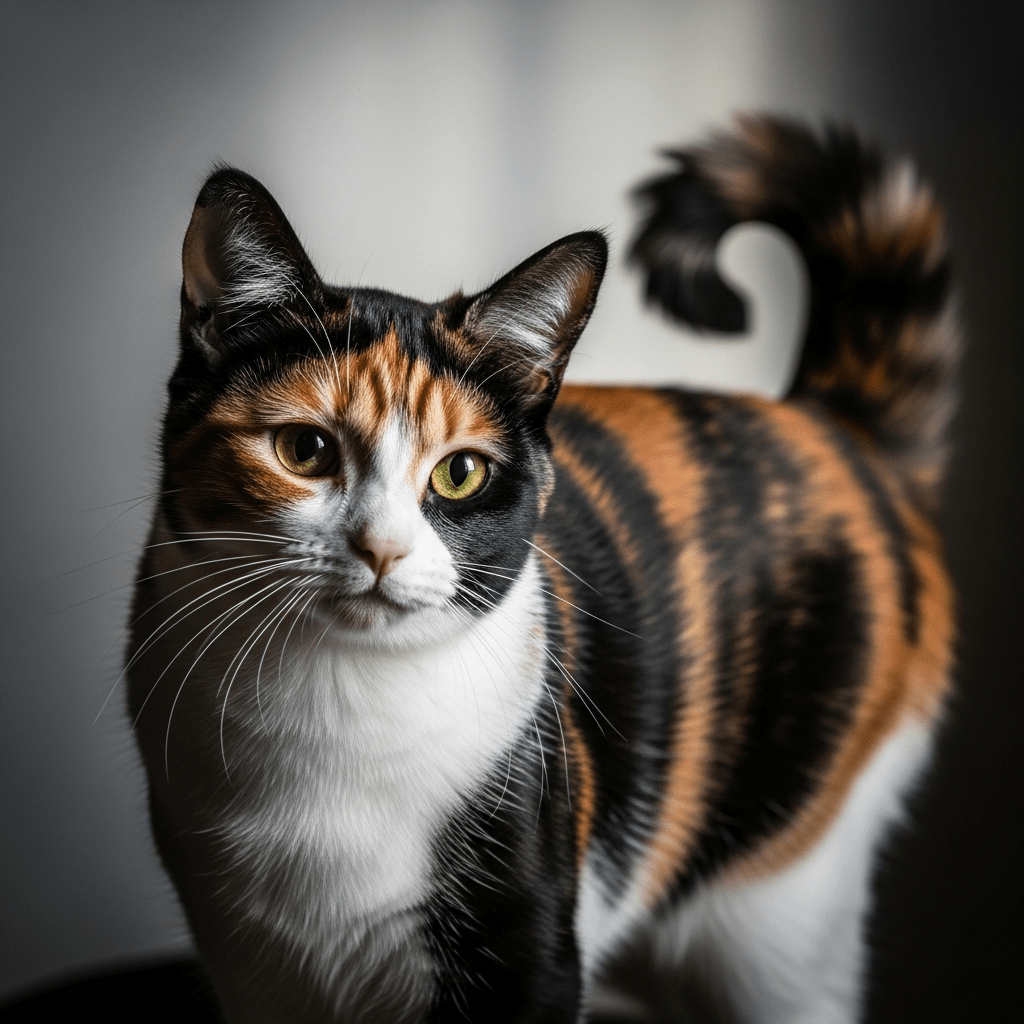
The Japanese Bobtail is a distinctive domestic cat breed celebrated for its unique pom-pom-like bobbed tail, elegant athletic build, and lively, intelligent personality.
The Japanese Bobtail is a distinctive domestic cat breed celebrated for its unique pom-pom-like bobbed tail, elegant athletic build, and lively, intelligent personality.
Originating in Japan, the Japanese Bobtail boasts a heritage that stretches back at least a thousand years. Deeply woven into Japanese tradition, these cats have been depicted in art and folklore for centuries, most famously as the 'Maneki-neko' or beckoning cat—an enduring symbol of good fortune. While the breed naturally developed in Japan, formal breeding programs began in the mid-20th century, and the breed was introduced to North America in the late 1960s by Elizabeth Freret. Unlike many modern breeds, the Japanese Bobtail is not the result of hybridization or crossbreeding, but rather a naturally occurring feline population.
The Japanese Bobtail is a recognized breed within the domestic cat species, Felis catus. It belongs to the broader family of felines but is distinguished by its unique tail and cultural history. Major cat registries—including CFA, TICA, and FIFe—formally recognize the breed, which is classified by its naturally bobbed tail and elegant form. Both shorthair and longhair varieties exist, and the breed is grouped among companion and show cats.
Japanese Bobtails are medium-sized cats with muscular, slender bodies and long legs—the hind legs slightly longer than the front, lending a poised, athletic stance. Their most iconic feature is the short, kinked, and fluffy tail, which varies in shape and length but always resembles a pom-pom. The coat is soft, silky, and lies close to the body, available in both shorthair and longhair varieties. The breed displays a wide range of colors and patterns, though the tricolor 'mi-ke' (white, black, and orange) is especially cherished. Their overall look is elegant and expressive, often enhanced by bright, alert eyes and a lively demeanor.
Known for their agility and intelligence, Japanese Bobtails are highly interactive and thrive on human companionship. They are playful, energetic, and enjoy engaging in games and activities, making them excellent family pets. Their melodious vocalizations and affectionate nature further endear them to owners. In addition to their role as beloved companions, Japanese Bobtails are popular in cat shows, admired for both their beauty and lively personality. In Japanese culture, they are regarded as symbols of good luck and prosperity.
Bring this kind into your world � illustrated posters, mugs, and shirts.
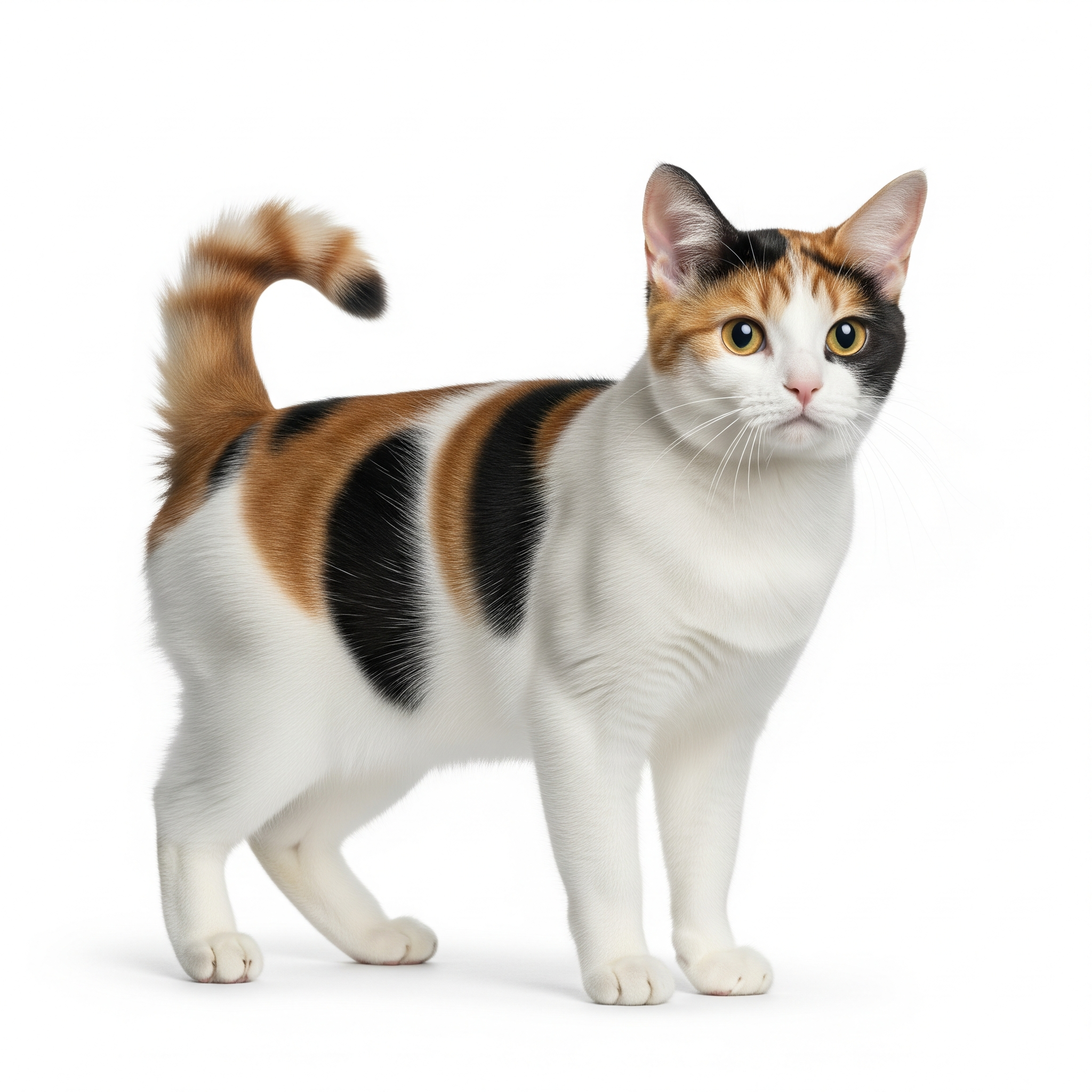
Archival print, museum-grade paper
Buy Poster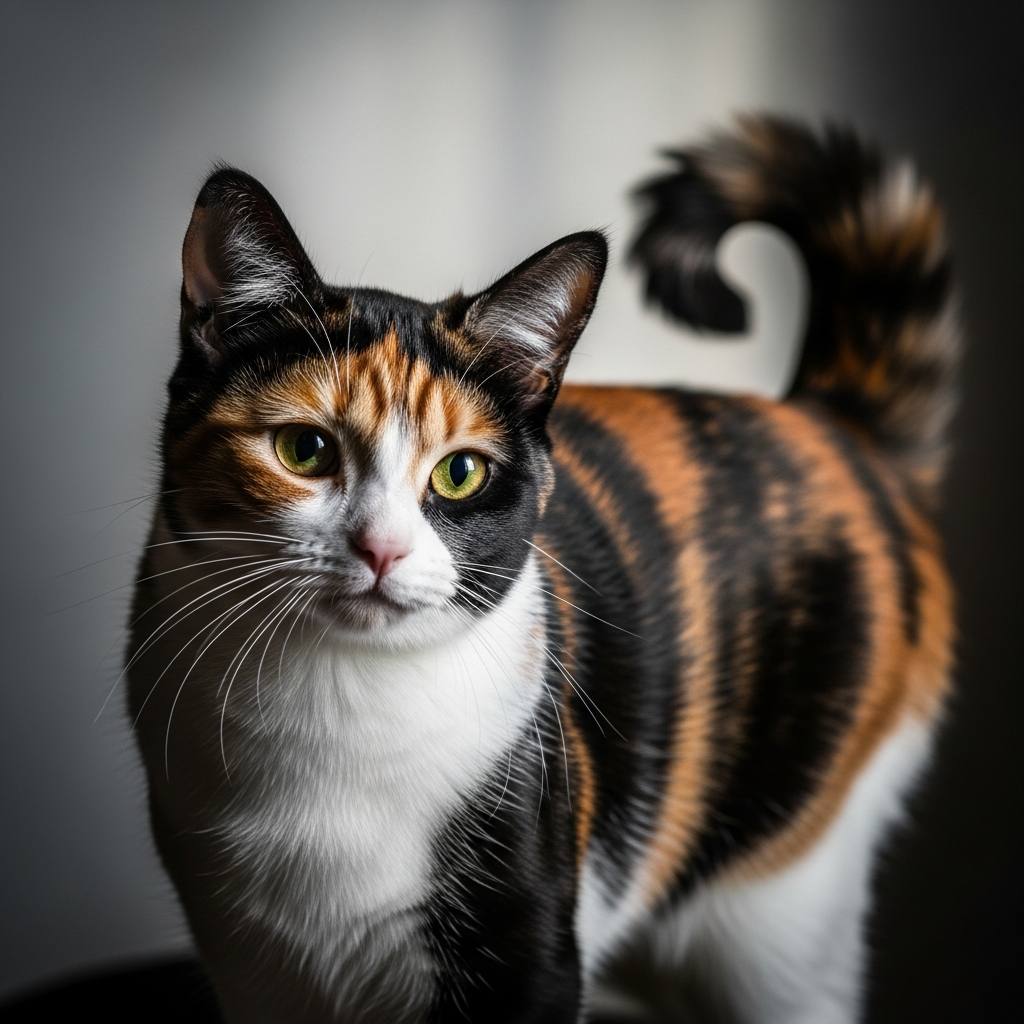
Stoneware mug, dishwasher safe
Buy Mug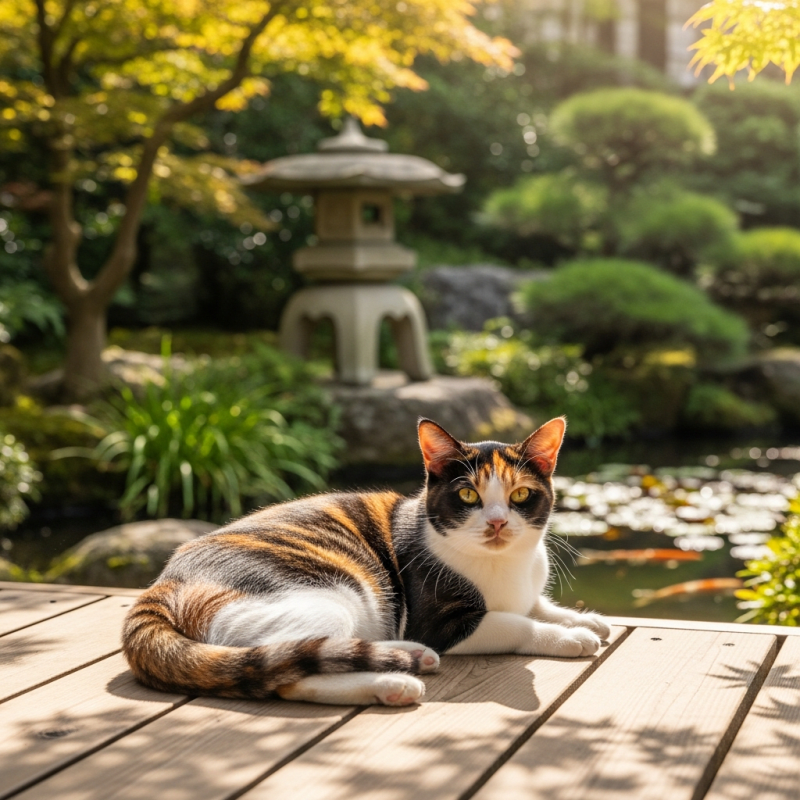
Soft cotton tee, unisex sizes
Buy ShirtThe Japanese Bobtail holds a prominent place in Japanese art and folklore, most notably as the model for the 'Maneki-neko'—the iconic beckoning cat figurine believed to bring good fortune. Paintings, prints, and sculptures frequently feature this breed, reflecting its status as a cultural symbol. The Bobtail's image is also used in modern media and pop culture, representing luck, happiness, and prosperity. Its enduring presence in Japanese society underscores its importance far beyond the realm of pets and shows.

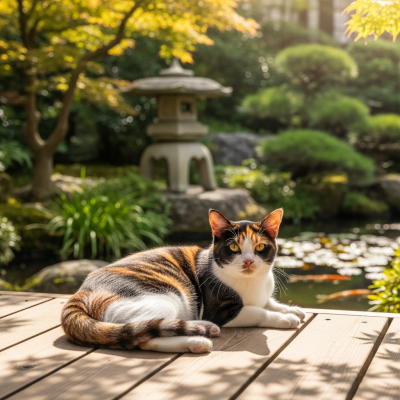
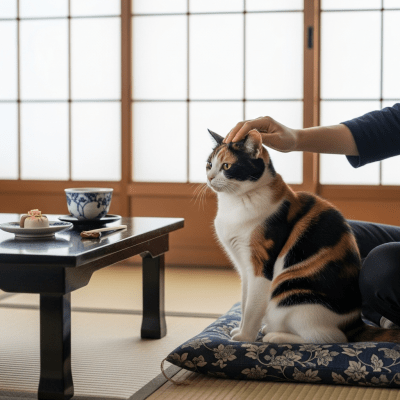
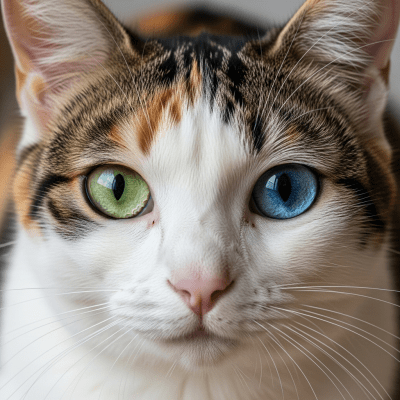
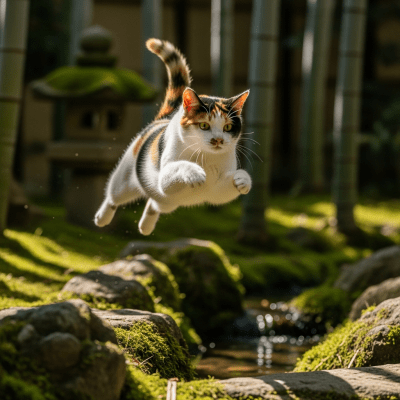
Japanese Bobtails are celebrated for their lively, playful, and highly intelligent personalities. They are affectionate, adaptable, and thrive on interaction with humans, often forming strong bonds with their families. Their vocalizations are melodious and expressive, and they enjoy engaging in games and activities. These cats are curious, energetic, and sociable, making them delightful companions for those seeking an active and loving pet.
Japanese Bobtails are renowned for their robust health and minimal genetic disorders. While specific lifespan data is not provided, they are generally considered a healthy breed with longevity typical of domestic cats. Regular veterinary care and a balanced diet will help ensure a long, active life.
Both shorthair and longhair Japanese Bobtails have soft, silky coats that are easy to maintain. Regular brushing will keep their fur in optimal condition and minimize shedding. Routine care should include nail trimming, dental hygiene, and periodic health checkups. Their active nature means they benefit from interactive play and enrichment.
The Japanese Bobtail comes in a wide array of colors and patterns. The tricolor 'mi-ke'—white, black, and orange—is especially prized and considered a symbol of luck. Other accepted colors and patterns are broad, reflecting the breed's diversity and appeal.
The most famous representation of the Japanese Bobtail is the 'Maneki-neko,' the beckoning cat figurine found in shops and homes throughout Japan and beyond. While individual cats may not be widely publicized, the breed's image is iconic in art, folklore, and modern pop culture.
In Japan, the breed is sometimes referred to as 'Nihon Bobtail.' Both shorthair and longhair varieties are recognized, and while regional standards may differ slightly, the bobbed tail is a universal requirement. The breed's core traits remain consistent across registries and regions.