Bengal
The Bengal is a domestic cat breed celebrated for its wild, leopard-like appearance and lively, intelligent personality.
The Bengal is a domestic cat breed celebrated for its wild, leopard-like appearance and lively, intelligent personality.
The Bengal originated in the United States during the 1970s, pioneered by breeder Jean Mill. By crossing domestic cats with Asian leopard cats, Mill sought to create a cat with an exotic look but a gentle, domestic temperament. Through careful selection and refinement in the early 1980s, Bengals became fully domestic, with their wild ancestry now several generations removed.
The Bengal belongs to the species Felis catus, the domestic cat, and is classified as a hybrid breed due to its origins from both domestic cats and Asian leopard cats (Prionailurus bengalensis). Today, Bengals are recognized as a distinct breed by major cat registries and are considered fully domestic, fitting within the broader taxonomy of domestic cats.
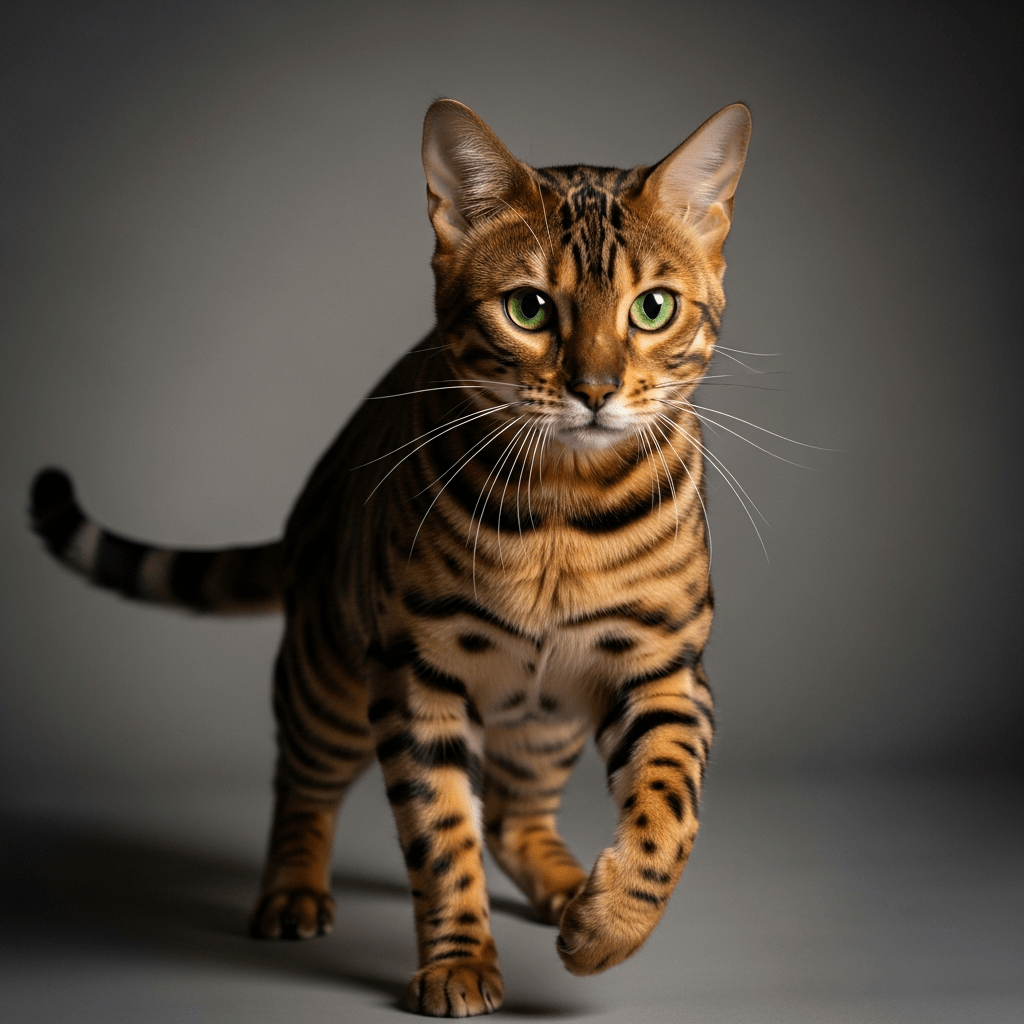
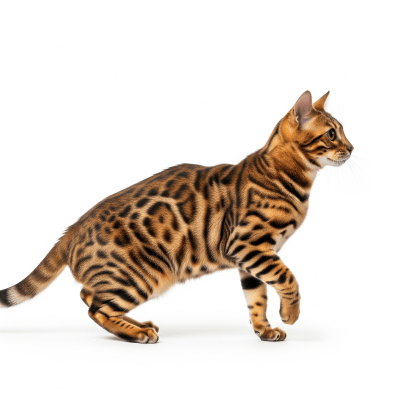
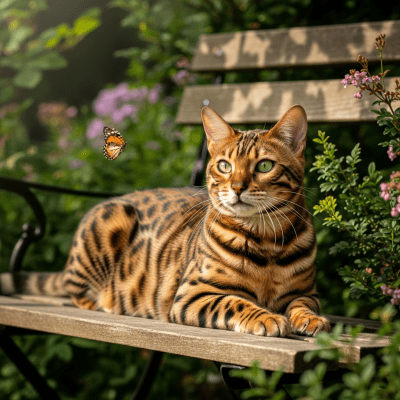
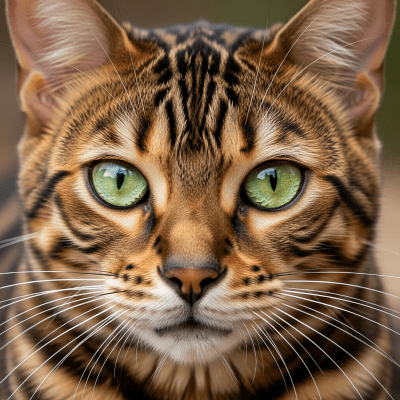
Bengals are medium to large cats with a muscular, athletic build. Their most iconic feature is their short to medium-length, dense, and luxuriously soft coat, which displays vivid spots, rosettes, or marbling reminiscent of wild felines. Many Bengals have a glittering or iridescent sheen to their fur, enhancing their exotic allure. Their wild look is further emphasized by a broad head, expressive eyes, and a powerful stance.
Bengals are renowned for their high energy, intelligence, and playful nature. They thrive on mental and physical stimulation, often enjoying interactive games, climbing, and exploring. As companion animals, Bengals bring vibrancy and curiosity into the home, and their striking appearance makes them popular in cat shows. Their lively personality requires engaged owners who can provide enrichment and activity.
Bring this kind into your world � illustrated posters, mugs, and shirts.
Archival print, museum-grade paper
Buy Poster
Stoneware mug, dishwasher safe
Buy Mug
Soft cotton tee, unisex sizes
Buy ShirtThe Bengal’s wild beauty has captivated cat enthusiasts and the broader public, making it a symbol of exotic elegance in the domestic cat world. Its leopard-like coat often features in media, advertising, and pop culture as an emblem of luxury and adventure. The breed’s development also reflects a fascination with blending wild aesthetics and domestic companionship.

Bengals are highly active, intelligent, and curious. They are known for their playful antics, love of climbing, and strong desire for interaction. Bengals often bond closely with their humans and may follow them around the house. Their inquisitive nature means they thrive in environments that offer toys, puzzles, and opportunities for exploration.
Bengals are generally robust cats, with an average lifespan of 12–16 years. However, they may be predisposed to certain genetic conditions, including hypertrophic cardiomyopathy (HCM) and progressive retinal atrophy (PRA-b). Regular veterinary checkups and responsible breeding practices help ensure their ongoing health.
Bengals have short to medium, dense coats that require minimal grooming—weekly brushing is usually sufficient to keep their fur healthy and reduce shedding. They benefit greatly from daily play and mental stimulation, and owners should provide climbing structures, interactive toys, and safe outdoor access if possible. Routine veterinary care and a balanced diet are essential for their well-being.
The Bengal’s coat comes in a range of striking colors and patterns. Accepted colors include brown (black-spotted), snow (lynx, sepia, mink), and silver. Patterns feature vivid spots, rosettes, or marbling, often with a shimmering or iridescent effect. Each registry may have slight variations in accepted standards, but the wild, leopard-like look is always prized.
While individual Bengals may not be globally famous, the breed itself is a frequent winner at cat shows and has appeared in various media and advertising campaigns. The original foundation cats bred by Jean Mill are notable for establishing the breed’s legacy and popularity.
Bengals are recognized under the same name worldwide, but regional distinctions exist in color nomenclature. For example, "Snow Bengal" and "Silver Bengal" refer to specific color variants. Some experimental lines may be labeled differently in certain countries, but the breed standard remains consistent among major registries.