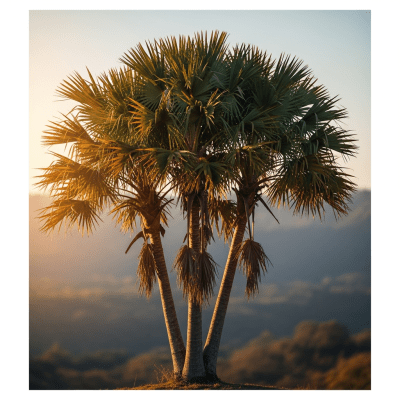
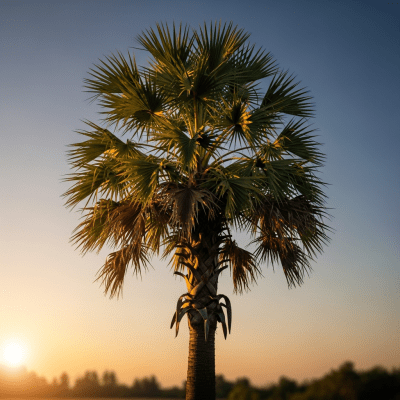
Palms

25 kinds of palms described and visualized

Palms are a distinctive family of flowering plants known scientifically as Arecaceae, encompassing over 2,600 species characterized by their unbranched stems and large, often fan-shaped or feather-like leaves. These monocotyledonous plants are found worldwide in tropical and subtropical regions, valued for their ecological roles and wide-ranging economic uses.

A collection from Kinds Of - designing the world’s structured knowledge

Kinds of Palms

Origin Story

The palm family, Arecaceae, originated millions of years ago in tropical environments, evolving into a diverse group adapted to warm climates across the globe. Their earliest ancestors thrived in the lush forests of the ancient tropics, gradually spreading and diversifying into the many genera and species we recognize today. This evolutionary journey reflects their adaptation to varied habitats, from coastal shores to inland rainforests.

Classification

Palms belong to the plant kingdom Plantae, within the clade Angiosperms and order Arecales. The family Arecaceae is subdivided into several subfamilies such as Arecoideae and Coryphoideae, which further break down into tribes, genera, and species. This structured taxonomy helps distinguish true palms from unrelated plants often mistaken for them, ensuring scientific clarity and aiding conservation efforts.

Appearance or Form

Palms typically feature a single, unbranched trunk topped with a crown of large leaves that can be pinnate (feather-like), palmate (fan-shaped), or costapalmate (a combination of both). Their trunks vary from slender and tall to stout and short, often marked by leaf scars. Fruits range widely, from coconuts and dates to small berries, reflecting the family's morphological diversity and adaptation to diverse environments.

Behavior or Usage

Palms play vital ecological roles, providing habitat and food for numerous animal species. Humans have long utilized palms for their versatile products: coconuts and dates as staple foods; palm oil as a major agricultural commodity; rattan for furniture and crafts; and ornamental palms enhancing landscapes worldwide. Their resilience in tropical climates makes them essential in agriculture, trade, and cultural practices.
Buy the Collection

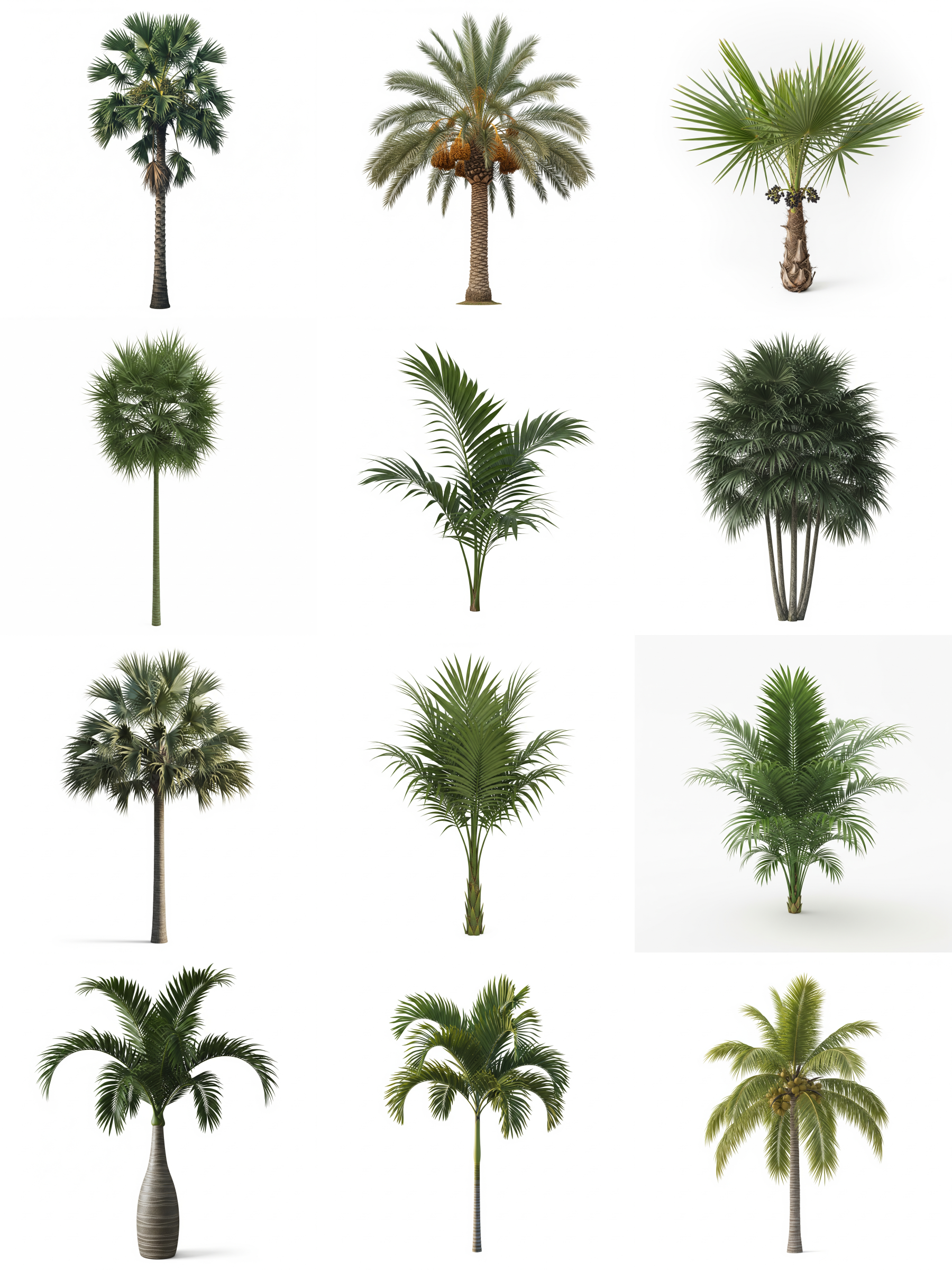
See how the Palms edition appears in two poster formats.

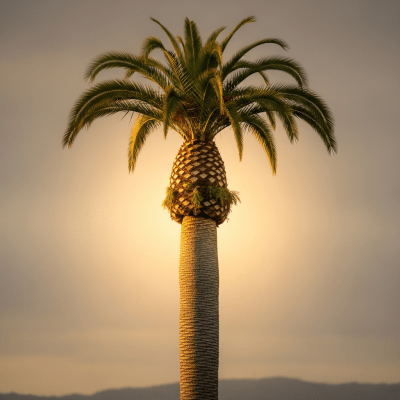
Sugar Palm

Sugar Palm

The Sugar Palm (Arenga pinnata) is a towering, clustering palm native to Southeast Asia, celebrated for its sweet sap and versatile uses in food, crafts, and agroforestry.

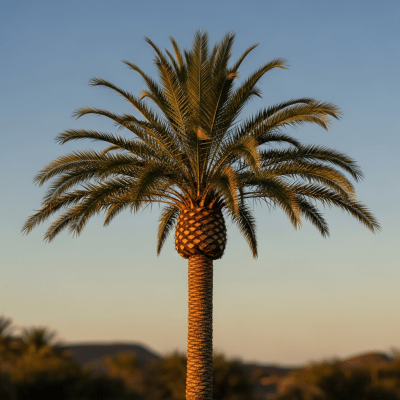
Date Palm

Date Palm

The Date Palm (Phoenix dactylifera) is a tall, drought-tolerant palm renowned for its sweet, edible fruit and its vital role in desert agriculture and culture across the Middle East and North Africa.

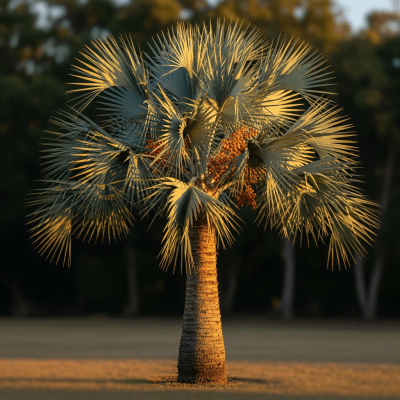
Saw Palmetto

Saw Palmetto

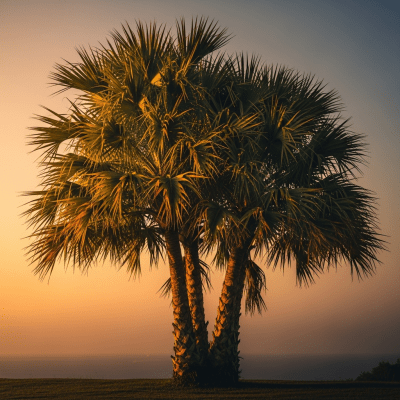
Saw Palmetto is a low-growing, fan-leaved palm native to the southeastern United States, renowned for its ecological resilience and medicinally valued berries.

Foxtail Palm

Foxtail Palm

The Foxtail Palm (Wodyetia bifurcata) is a striking, fast-growing palm native to northern Queensland, Australia, admired worldwide for its feathery, plume-like leaves and exceptional adaptability in tropical landscapes.

Fishtail Palm

Fishtail Palm

The Fishtail Palm (Caryota mitis) is a striking Southeast Asian palm recognized for its jagged, fishtail-shaped leaflets and versatile uses in ornamental landscaping and traditional culture.

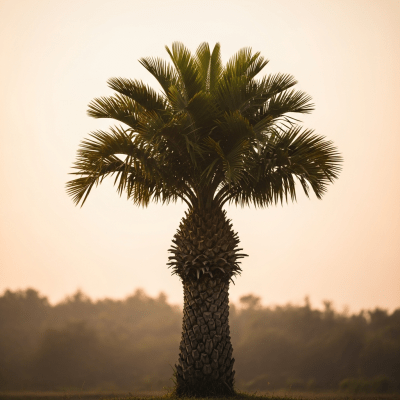
European Fan Palm

European Fan Palm

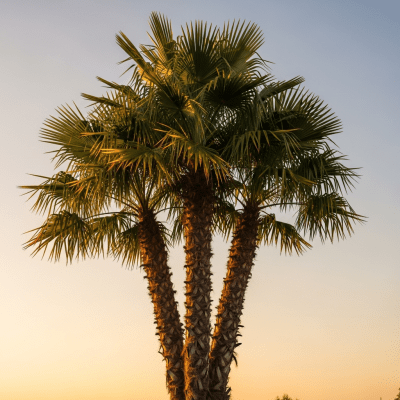
The European Fan Palm (Chamaerops humilis) is the only palm species native to continental Europe, admired for its compact, clumping form and fan-shaped leaves, and renowned for its resilience in Mediterranean and temperate landscapes.

Fan Palm

Fan Palm

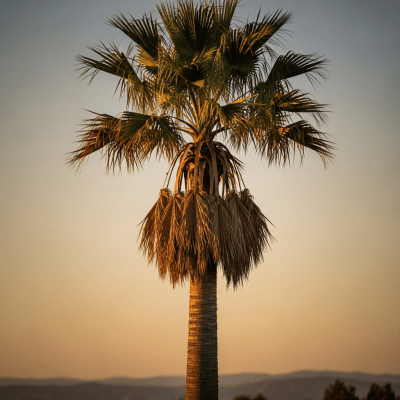
The Fan Palm is a tall, fast-growing palm tree distinguished by its dramatic fan-shaped leaves and slender trunk, most commonly referring to Washingtonia robusta, a popular ornamental species native to northwestern Mexico.

Pygmy Date Palm

Pygmy Date Palm

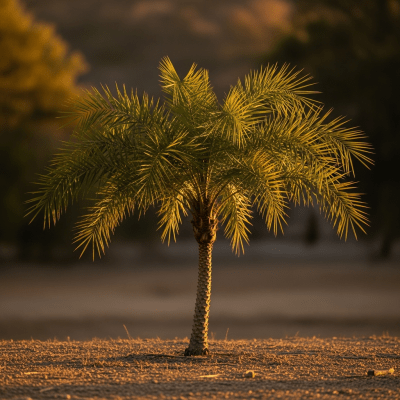
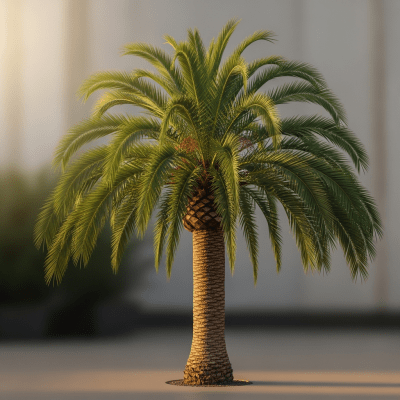
The Pygmy Date Palm (Phoenix roebelenii) is a compact, slow-growing ornamental palm prized for its graceful, feathery foliage and suitability for both indoor and outdoor landscaping.

Majesty Palm

Majesty Palm

The Majesty Palm (Ravenea rivularis) is a graceful, medium-sized palm native to Madagascar, prized worldwide as an ornamental houseplant for its lush, feathery fronds and adaptability to indoor environments.

Bottle Palm

Bottle Palm

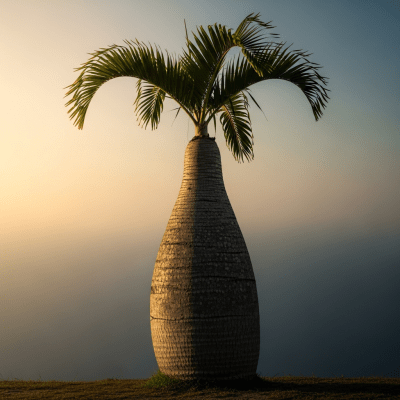
The Bottle Palm (Hyophorbe lagenicaulis) is a striking ornamental palm species instantly recognizable by its swollen, bottle-shaped trunk and sparse crown of arching leaves.

Areca Palm

Areca Palm

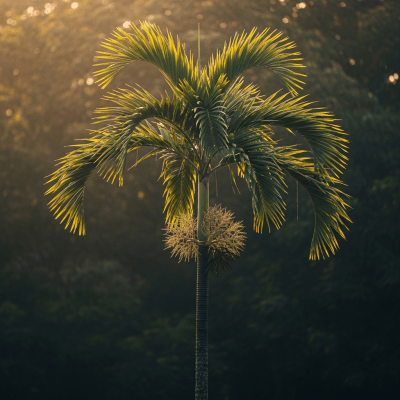
The Areca Palm (Areca catechu) is a slender, tropical palm species renowned as the source of the betel nut, a culturally and economically significant seed widely used across South and Southeast Asia.

Coconut Palm

Coconut Palm

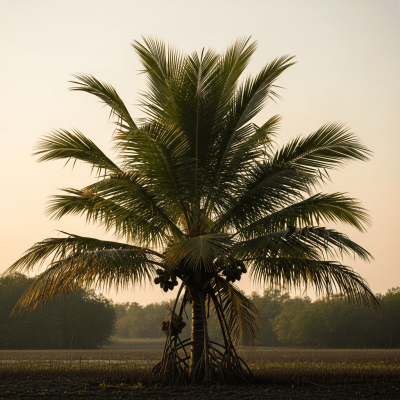
The Coconut Palm (Cocos nucifera) is a towering tropical palm renowned for its iconic fruit, versatile uses, and vital role in coastal societies worldwide.

Oil Palm

Oil Palm

The Oil Palm (Elaeis guineensis) is a towering tropical palm renowned as the world’s leading source of commercial palm oil, powering global industries from food to cosmetics and biofuels.

Nipa Palm

Nipa Palm

The Nipa Palm (Nypa fruticans) is a distinctive mangrove palm native to Southeast Asia and the Indian Ocean, renowned for its sprawling form, ecological role in tidal wetlands, and its use as a source of sugar, alcohol, and building materials.

Royal Palm

Royal Palm

The Royal Palm (Roystonea regia) is a majestic, towering palm native to the Caribbean and parts of the Americas, celebrated worldwide for its stately trunk and graceful crown of feathery leaves.

Jelly Palm

Jelly Palm

The Jelly Palm (Butia capitata) is a medium-sized, feather-leaved palm native to South America, celebrated for its sweet, aromatic fruit and graceful, cold-tolerant form.

Buy Large Edition with 16 Kinds

Cultural Significance

Throughout history, palms have symbolized victory, peace, and fertility in many cultures. They appear prominently in religious ceremonies, art, and mythology, from ancient Egyptian iconography to Christian palm Sunday traditions. Today, palms continue to inspire design and architecture, embodying tropical beauty and cultural identity across continents.

Notable Facts

  • Palms include over 180 genera and approximately 2,600 species worldwide.
  • The coconut palm (Cocos nucifera) is one of the most economically important palms globally.
  • Despite their tree-like appearance, palms are monocots, related to grasses and lilies.
  • Some palms produce valuable fibers like rattan, used extensively in furniture making.
  • Not all plants called "palms" are true palms; for example, the sago palm is a cycad, not a member of Arecaceae.

Kinds of Palms

Explore the range of forms, textures, and traditions within this collection.

Sorted by popularity

Editorial-style image of a solitary Sugar Palm (palms) as a majestic centerpiece.

Sugar Palm

The Sugar Palm (Arenga pinnata) is a towering, clustering palm native to Southeast Asia, celebrated for its sweet sap and versatile uses in food, crafts, and agroforestry.

Editorial-style image of a solitary Date Palm (palms) as a majestic centerpiece.

Date Palm

The Date Palm (Phoenix dactylifera) is a tall, drought-tolerant palm renowned for its sweet, edible fruit and its vital role in desert agriculture and culture across the Middle East and North Africa.

Editorial-style image of a solitary Saw Palmetto (palms) as a majestic centerpiece.

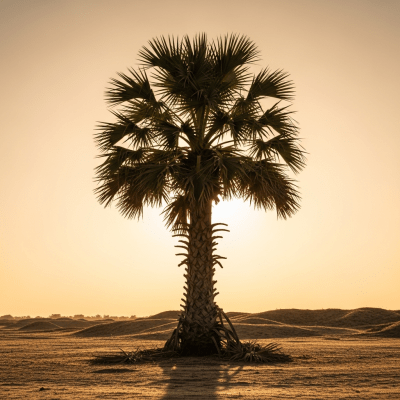
Saw Palmetto

Saw Palmetto is a low-growing, fan-leaved palm native to the southeastern United States, renowned for its ecological resilience and medicinally valued berries.

Editorial-style image of a solitary Foxtail Palm (palms) as a majestic centerpiece.

Foxtail Palm

The Foxtail Palm (Wodyetia bifurcata) is a striking, fast-growing palm native to northern Queensland, Australia, admired worldwide for its feathery, plume-like leaves and exceptional adaptability in tropical landscapes.

Editorial-style image of a solitary Fishtail Palm (palms) as a majestic centerpiece.

Fishtail Palm

The Fishtail Palm (Caryota mitis) is a striking Southeast Asian palm recognized for its jagged, fishtail-shaped leaflets and versatile uses in ornamental landscaping and traditional culture.

Editorial-style image of a solitary European Fan Palm (palms) as a majestic centerpiece.

European Fan Palm

The European Fan Palm (Chamaerops humilis) is the only palm species native to continental Europe, admired for its compact, clumping form and fan-shaped leaves, and renowned for its resilience in Mediterranean and temperate landscapes.

Editorial-style image of a solitary Fan Palm (palms) as a majestic centerpiece.

Fan Palm

The Fan Palm is a tall, fast-growing palm tree distinguished by its dramatic fan-shaped leaves and slender trunk, most commonly referring to Washingtonia robusta, a popular ornamental species native to northwestern Mexico.

Editorial-style image of a solitary Pygmy Date Palm (palms) as a majestic centerpiece.

Pygmy Date Palm

The Pygmy Date Palm (Phoenix roebelenii) is a compact, slow-growing ornamental palm prized for its graceful, feathery foliage and suitability for both indoor and outdoor landscaping.

Editorial-style image of a solitary Majesty Palm (palms) as a majestic centerpiece.

Majesty Palm

The Majesty Palm (Ravenea rivularis) is a graceful, medium-sized palm native to Madagascar, prized worldwide as an ornamental houseplant for its lush, feathery fronds and adaptability to indoor environments.

Editorial-style image of a solitary Bottle Palm (palms) as a majestic centerpiece.

Bottle Palm

The Bottle Palm (Hyophorbe lagenicaulis) is a striking ornamental palm species instantly recognizable by its swollen, bottle-shaped trunk and sparse crown of arching leaves.

Editorial-style image of a solitary Areca Palm (palms) as a majestic centerpiece.

Areca Palm

The Areca Palm (Areca catechu) is a slender, tropical palm species renowned as the source of the betel nut, a culturally and economically significant seed widely used across South and Southeast Asia.

Editorial-style image of a solitary Coconut Palm (palms) as a majestic centerpiece.

Coconut Palm

The Coconut Palm (Cocos nucifera) is a towering tropical palm renowned for its iconic fruit, versatile uses, and vital role in coastal societies worldwide.

Editorial-style image of a solitary Oil Palm (palms) as a majestic centerpiece.

Oil Palm

The Oil Palm (Elaeis guineensis) is a towering tropical palm renowned as the world’s leading source of commercial palm oil, powering global industries from food to cosmetics and biofuels.

Editorial-style image of a solitary Nipa Palm (palms) as a majestic centerpiece.

Nipa Palm

The Nipa Palm (Nypa fruticans) is a distinctive mangrove palm native to Southeast Asia and the Indian Ocean, renowned for its sprawling form, ecological role in tidal wetlands, and its use as a source of sugar, alcohol, and building materials.

Editorial-style image of a solitary Royal Palm (palms) as a majestic centerpiece.

Royal Palm

The Royal Palm (Roystonea regia) is a majestic, towering palm native to the Caribbean and parts of the Americas, celebrated worldwide for its stately trunk and graceful crown of feathery leaves.

Editorial-style image of a solitary Jelly Palm (palms) as a majestic centerpiece.

Jelly Palm

The Jelly Palm (Butia capitata) is a medium-sized, feather-leaved palm native to South America, celebrated for its sweet, aromatic fruit and graceful, cold-tolerant form.

Editorial-style image of a solitary Sago Palm (True Palm) (palms) as a majestic centerpiece.

True Sago Palm

The True Sago Palm (Metroxylon sagu) is a towering, tropical palm native to Southeast Asia, renowned as the world’s primary source of commercial sago starch.

Editorial-style image of a solitary Rattan Palm (palms) as a majestic centerpiece.

Rattan Palm

The rattan palm is a climbing member of the palm family (Arecaceae), renowned for its long, flexible stems that are the world’s primary source of rattan—a vital material for furniture, basketry, and handicrafts.

Editorial-style image of a solitary Canary Island Date Palm (palms) as a majestic centerpiece.

Canary Island Date Palm

The Canary Island Date Palm (Phoenix canariensis) is a majestic, robust palm native to the Canary Islands, celebrated worldwide for its striking appearance and prominent use in ornamental landscaping.

Editorial-style image of a solitary Bismarck Palm (palms) as a majestic centerpiece.

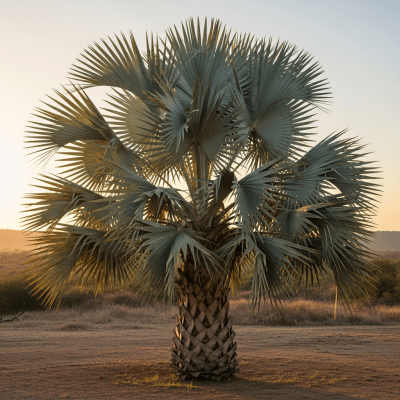
Bismarck Palm

The Bismarck Palm (Bismarckia nobilis) is a majestic, silver-blue fan palm native to Madagascar, celebrated worldwide for its dramatic ornamental presence and architectural foliage.

Editorial-style image of a solitary Caranday Palm (palms) as a majestic centerpiece.

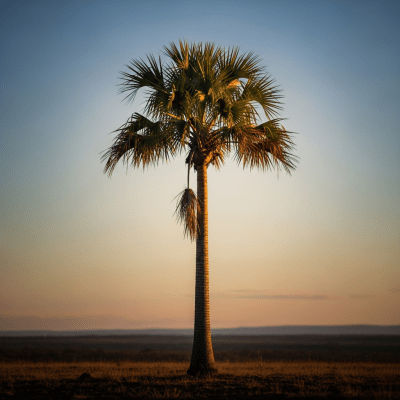
Caranday Palm

The Caranday Palm (Copernicia alba) is a resilient South American palm renowned for its fan-shaped leaves and its role as a natural source of carnauba-type wax.

Editorial-style image of a solitary Kentia Palm (palms) as a majestic centerpiece.

Kentia Palm

The Kentia Palm (Howea forsteriana) is a graceful, shade-tolerant palm native to Lord Howe Island, Australia, celebrated worldwide for its elegant fronds and exceptional adaptability as an indoor ornamental plant.

Editorial-style image of a solitary Triangle Palm (palms) as a majestic centerpiece.

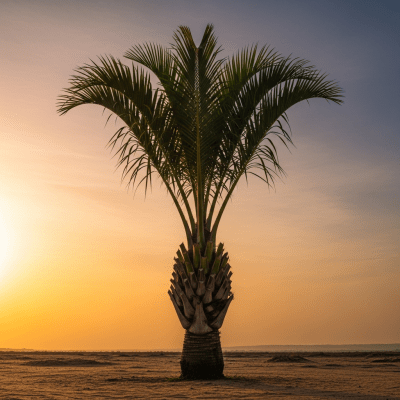
Triangle Palm

The Triangle Palm (Dypsis decaryi) is a striking ornamental palm native to Madagascar, instantly recognized by its unique triangular leaf base arrangement and elegant, arching foliage.

Editorial-style image of a solitary Palmyra Palm (palms) as a majestic centerpiece.

Palmyra Palm

The Palmyra Palm (Borassus flabellifer) is a towering, fan-leaved palm native to South and Southeast Asia, revered for its edible fruits, sweet sap, durable timber, and deep cultural roots.

Editorial-style image of a solitary Paurotis Palm (palms) as a majestic centerpiece.

Paurotis Palm

The Paurotis Palm (Acoelorrhaphe wrightii) is a medium-sized, clumping palm native to southern Florida, Mexico, Central America, and the Caribbean, prized for its ornamental beauty and ecological value in wetland landscapes.

A collection is complete only when its kinds are seen in full.