Ferns

37 kinds of ferns described and visualized

Ferns are a diverse group of vascular, spore-bearing plants distinguished by their lush fronds and complex life cycles featuring independent sporophyte and gametophyte stages. Known scientifically as monilophytes, these ancient plants thrive worldwide, bridging evolutionary gaps between mosses and seed plants.

A collection from Kinds Of - designing the world’s structured knowledge

Kinds of Ferns

Origin Story

Ferns trace their origins back hundreds of millions of years, emerging as some of the earliest vascular plants during the Devonian period. They evolved in moist, shaded environments where their spore-based reproduction and frond structures adapted to diverse habitats. Over time, ferns diversified into numerous lineages, surviving mass extinctions and shaping the undergrowth of forests globally.

Classification

Classified within the division Monilophyta, ferns form a distinct clade separate from seed plants and bryophytes. They encompass several orders such as Polypodiales and Marattiales, with families like Pteridaceae and Dryopteridaceae. Unlike their fern-allied relatives like lycophytes, true ferns possess leptosporangiate or eusporangiate sporangia, defining their reproductive biology and taxonomic placement.

Appearance or Form

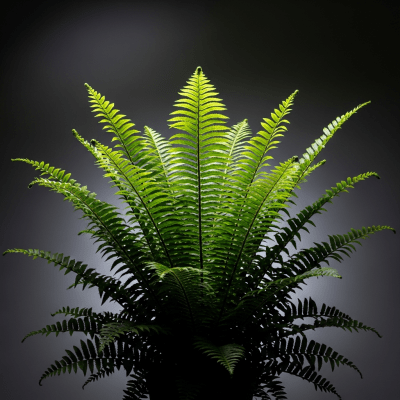
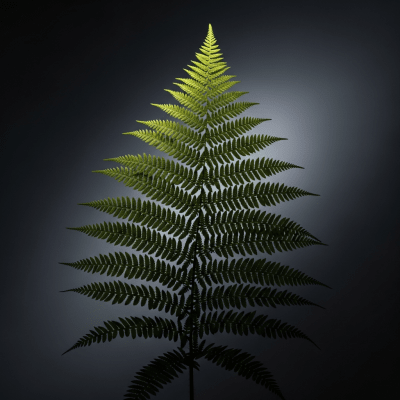
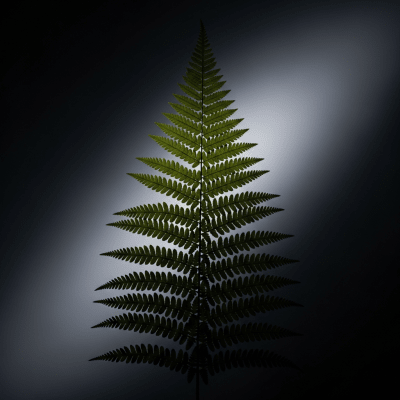
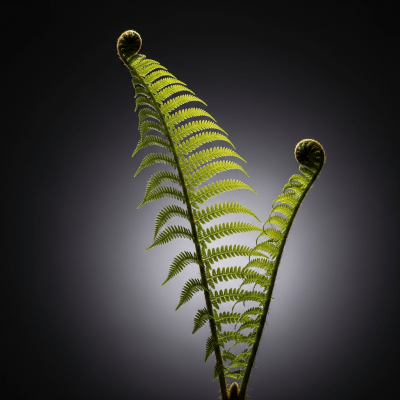
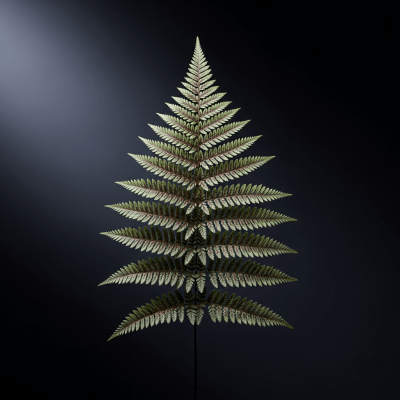
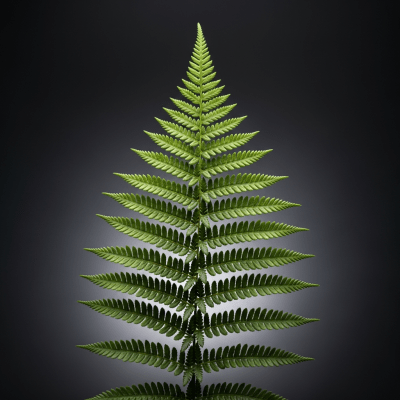
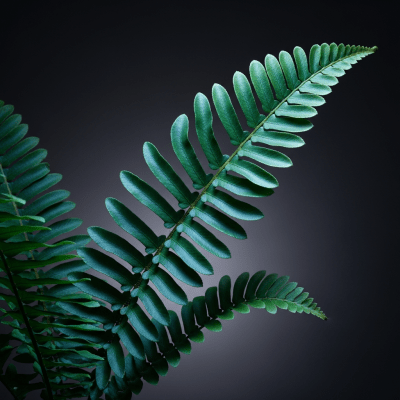
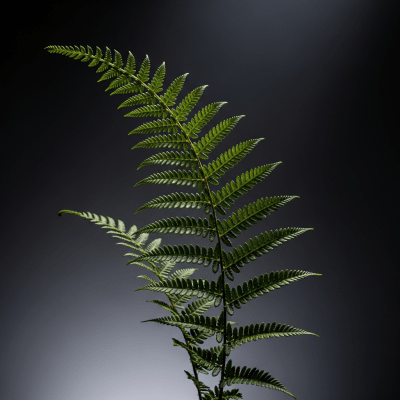
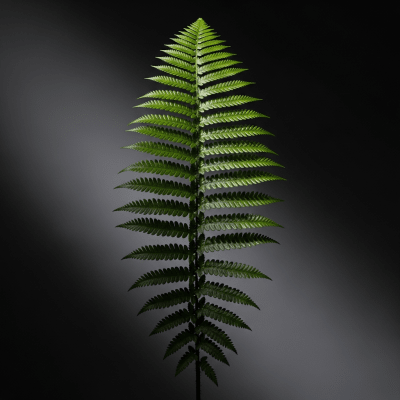
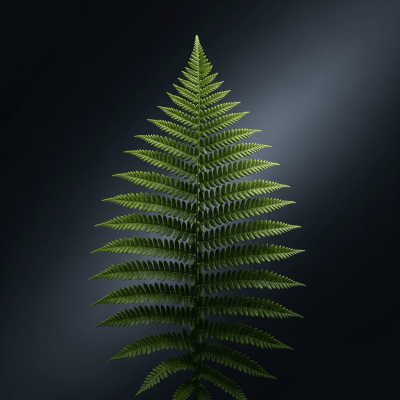
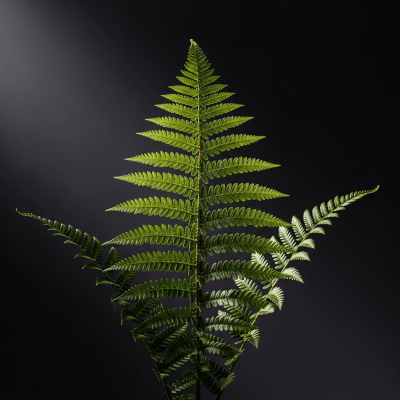
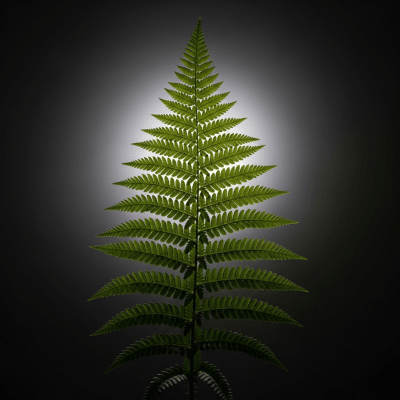
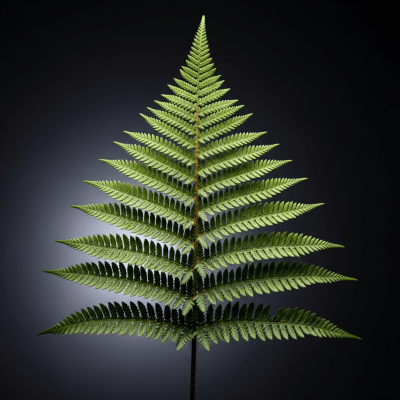
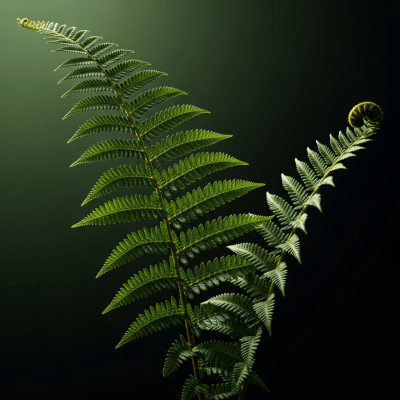
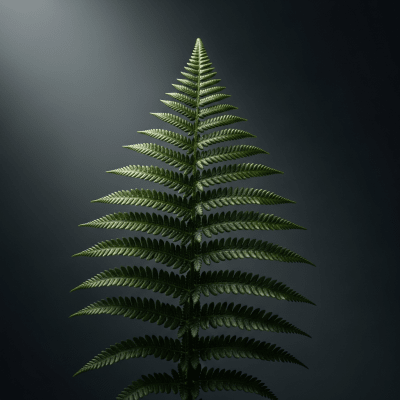
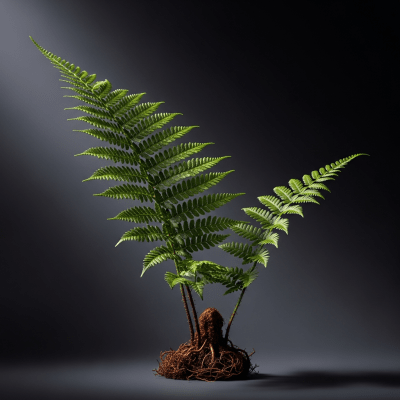
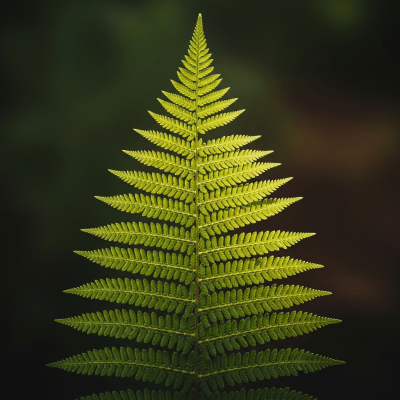
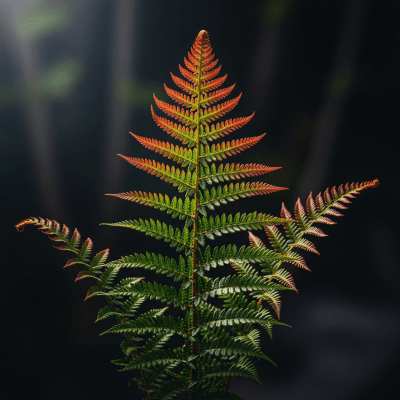
Ferns are easily recognized by their feather-like fronds, which unfurl from coiled fiddleheads. These fronds bear sori—clusters of sporangia that release spores for reproduction. Most ferns grow from creeping or erect rhizomes, with leaf shapes ranging from delicate and finely divided to broad and leathery. Their green, often glossy foliage adds texture and depth to shaded habitats.

Behavior or Usage

Ferns reproduce via spores rather than seeds, cycling through distinct gametophyte and sporophyte generations. Ecologically, they contribute to soil stabilization and habitat complexity, especially in forest understories. Humans cultivate many fern species for ornamental purposes, appreciating their graceful foliage in gardens and homes. Additionally, some cultures use ferns in traditional medicine and as food sources.

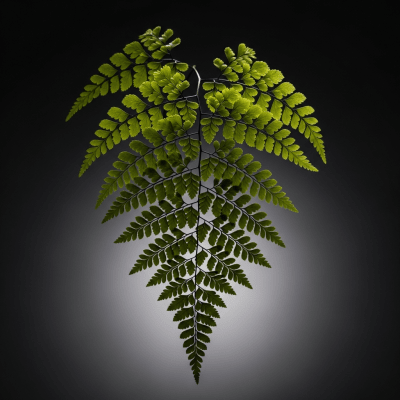
Buy the Collection

See how the Ferns edition appears in two poster formats.

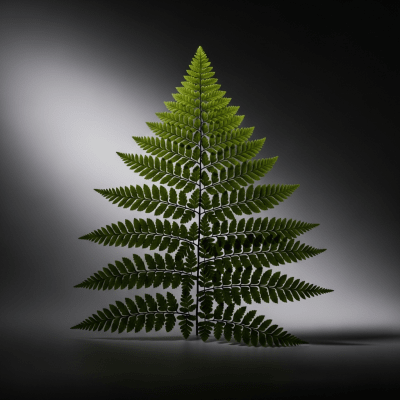
Delta Maidenhair Fern

Delta Maidenhair Fern

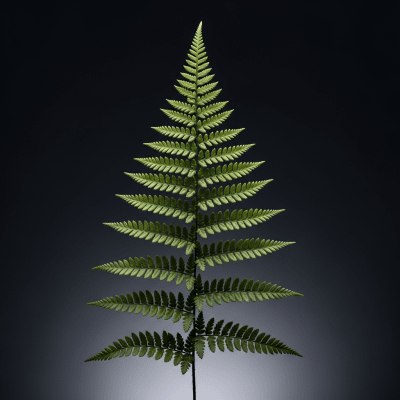
Adiantum raddianum, commonly known as the Delta maidenhair fern, is a delicate and graceful fern species prized for its fan-shaped, triangular fronds and distinctive black, wiry stems, widely cultivated as an ornamental plant in indoor and shaded environments.

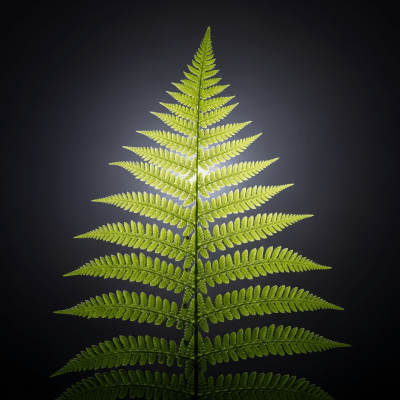
Bird’s-Nest Fern

Bird’s-Nest Fern

Asplenium nidus, commonly known as the bird’s-nest fern, is a striking epiphytic fern native to tropical Asia, Australia, and the Pacific, recognized for its large rosette of glossy, undivided fronds forming a nest-like crown.

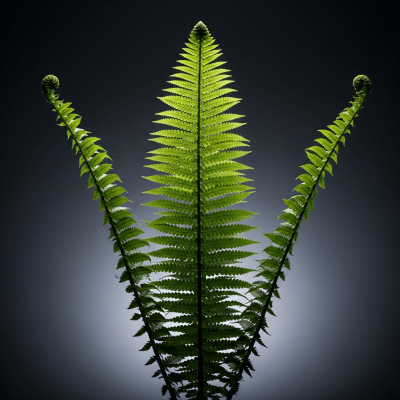
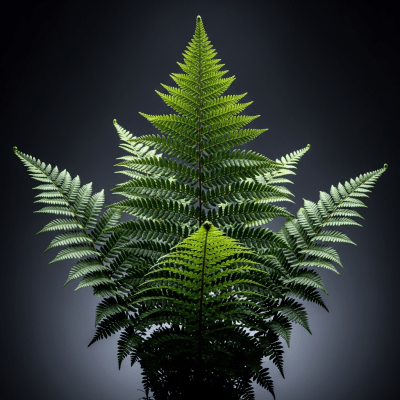
Ostrich Fern

Ostrich Fern

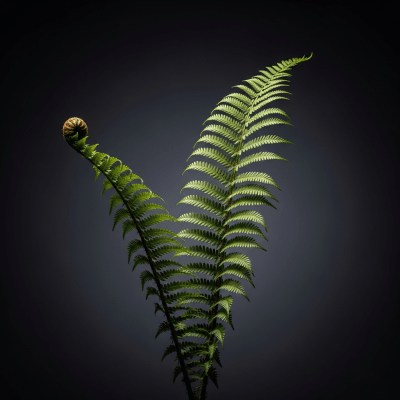
Matteuccia struthiopteris, commonly known as the ostrich fern, is a large, deciduous fern native to temperate regions of Eurasia and North America, recognized for its distinctive tall, plume-like sterile fronds and edible fiddleheads.

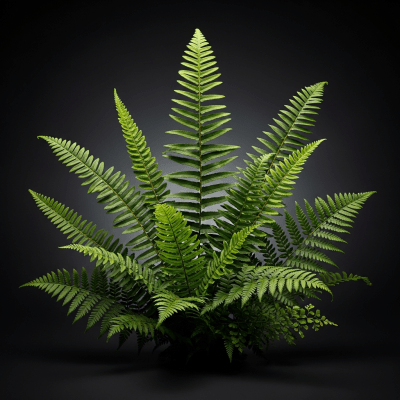
Maidenhair Spleenwort

Maidenhair Spleenwort

Asplenium trichomanes, commonly known as maidenhair spleenwort, is a small, delicate fern recognized for its slender dark stipes and pinnate fronds, thriving primarily on rocky substrates across temperate regions.

Staghorn Fern

Staghorn Fern

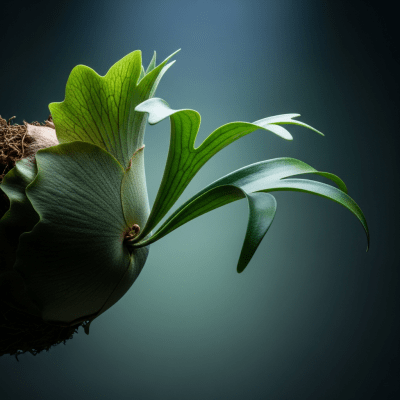
Platycerium bifurcatum, commonly known as the staghorn fern, is a distinctive epiphytic fern famed for its bifurcated fronds that resemble the antlers of a stag, making it a popular ornamental species worldwide.

Western Sword Fern

Western Sword Fern

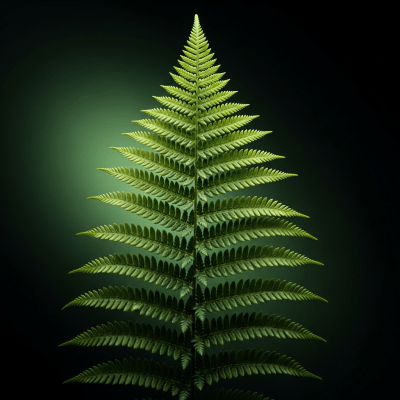
Polystichum munitum, commonly known as the western sword fern, is a robust, evergreen terrestrial fern native to the moist forest understories of western North America.

Boston Fern

Boston Fern

Nephrolepis exaltata, commonly known as the Boston fern, is a tropical fern species celebrated for its elegant, arching fronds and widespread use as a houseplant and ornamental landscape fern.

Bracken

Bracken

Pteridium aquilinum, commonly known as bracken, is a widespread terrestrial fern recognized for its large, coarse fronds and aggressive colonization of disturbed habitats across most continents.

Chinese Brake

Chinese Brake

Pteris vittata, commonly known as the Chinese brake fern, is a medium-sized terrestrial fern famed for its ability to hyperaccumulate arsenic, making it vital in environmental remediation.

Royal Fern

Royal Fern

Osmunda regalis, commonly known as the royal fern, is a large, deciduous fern native to wetlands across Europe, Africa, Asia, and the Americas, prized for its striking bipinnate fronds and distinctive fertile tips.

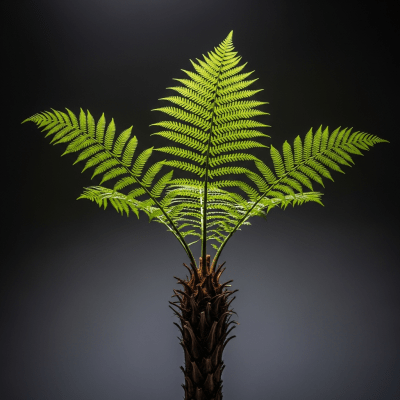
Australian Tree Fern

Australian Tree Fern

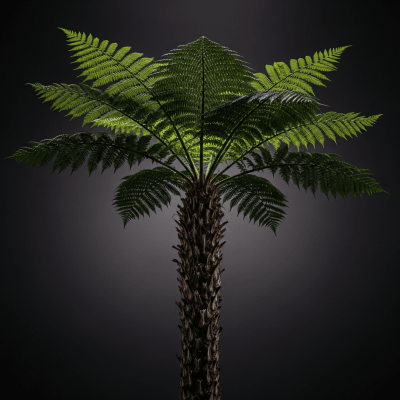
Sphaeropteris cooperi is a tall, fast-growing tree fern native to eastern Australia, prized for its elegant arching fronds and slender trunk.

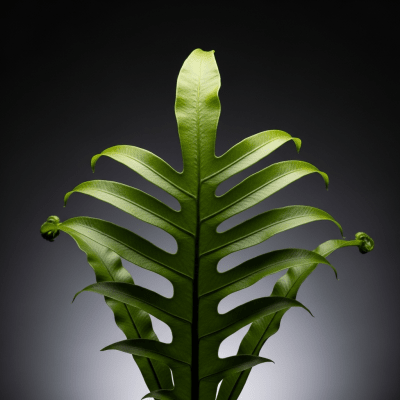
Hart’s-Tongue Fern

Hart’s-Tongue Fern

Asplenium scolopendrium, commonly known as Hart’s-tongue fern, is a distinctive evergreen fern notable for its simple, undivided, strap-shaped fronds that set it apart from most other ferns.

Tuberous Sword Fern

Tuberous Sword Fern

Nephrolepis cordifolia is a tuberous fern species known for its arching, sword-shaped fronds and distinctive underground tubers, widely cultivated as an ornamental plant and naturalized across tropical and subtropical regions worldwide.

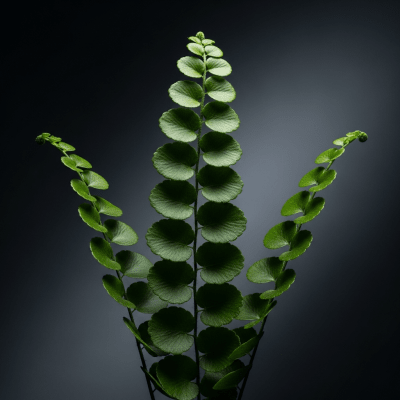
Button Fern

Button Fern

Pellaea rotundifolia, commonly known as the button fern, is a compact evergreen fern prized for its distinctive round leaflets and adaptability as an indoor ornamental plant.

Japanese Painted Fern

Japanese Painted Fern

Athyrium niponicum, commonly known as the Japanese painted fern, is a terrestrial fern species native to East Asia, celebrated for its striking silvery-grey and burgundy variegated fronds and valued widely as an ornamental plant.

Lady Fern Family

Lady Fern Family

Athyriaceae is a family of terrestrial ferns known for their pinnate to bipinnate fronds and adaptability to moist, shaded habitats worldwide.

Buy Large Edition with 16 Kinds

Cultural Significance

Ferns have long held symbolic and aesthetic value in human culture. In art and mythology, they often represent humility, magic, and eternal youth. Their delicate forms inspire design motifs in textiles and architecture. Today, ferns remain popular in horticulture and interior decoration, embodying a connection to nature and tranquility in modern living spaces.
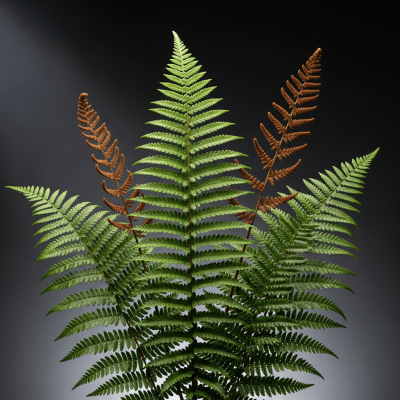
Notable Facts

  • Ferns reproduce without seeds or flowers, relying solely on spores.
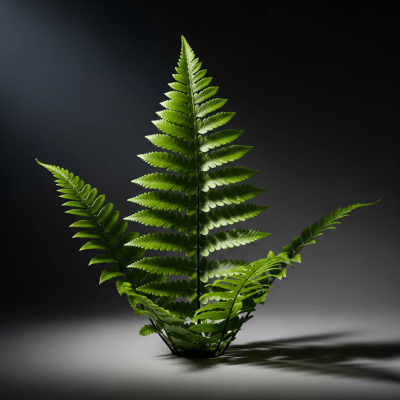
  • They possess one of the oldest vascular plant lineages, dating back over 360 million years.
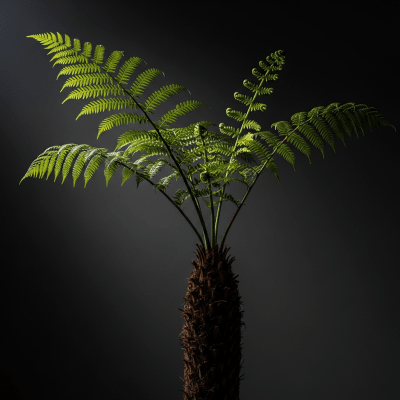
  • Many fern species form natural hybrids, complicating their classification.

  • Some ferns exhibit apogamy, reproducing asexually without fertilization.
  • Ferns can thrive in a wide range of habitats, from tropical rainforests to temperate woodlands.

Kinds of Ferns

Explore the range of forms, textures, and traditions within this collection.

Sorted by popularity

Editorial-style image of a Adiantum raddianum, of the taxonomy ferns, arranged heroically with dramatic lighting and shallow depth of field to emphasize its form and beauty.

Delta Maidenhair Fern

Adiantum raddianum, commonly known as the Delta maidenhair fern, is a delicate and graceful fern species prized for its fan-shaped, triangular fronds and distinctive black, wiry stems, widely cultivated as an ornamental plant in indoor and shaded environments.

Editorial-style image of a Asplenium nidus, of the taxonomy ferns, arranged heroically with dramatic lighting and shallow depth of field to emphasize its form and beauty.

Bird’s-Nest Fern

Asplenium nidus, commonly known as the bird’s-nest fern, is a striking epiphytic fern native to tropical Asia, Australia, and the Pacific, recognized for its large rosette of glossy, undivided fronds forming a nest-like crown.

Editorial-style image of a Matteuccia struthiopteris, of the taxonomy ferns, arranged heroically with dramatic lighting and shallow depth of field to emphasize its form and beauty.

Ostrich Fern

Matteuccia struthiopteris, commonly known as the ostrich fern, is a large, deciduous fern native to temperate regions of Eurasia and North America, recognized for its distinctive tall, plume-like sterile fronds and edible fiddleheads.

Editorial-style image of a Asplenium trichomanes, of the taxonomy ferns, arranged heroically with dramatic lighting and shallow depth of field to emphasize its form and beauty.

Maidenhair Spleenwort

Asplenium trichomanes, commonly known as maidenhair spleenwort, is a small, delicate fern recognized for its slender dark stipes and pinnate fronds, thriving primarily on rocky substrates across temperate regions.

Editorial-style image of a Platycerium bifurcatum, of the taxonomy ferns, arranged heroically with dramatic lighting and shallow depth of field to emphasize its form and beauty.

Staghorn Fern

Platycerium bifurcatum, commonly known as the staghorn fern, is a distinctive epiphytic fern famed for its bifurcated fronds that resemble the antlers of a stag, making it a popular ornamental species worldwide.

Editorial-style image of a Polystichum munitum, of the taxonomy ferns, arranged heroically with dramatic lighting and shallow depth of field to emphasize its form and beauty.

Western Sword Fern

Polystichum munitum, commonly known as the western sword fern, is a robust, evergreen terrestrial fern native to the moist forest understories of western North America.

Editorial-style image of a Nephrolepis exaltata, of the taxonomy ferns, arranged heroically with dramatic lighting and shallow depth of field to emphasize its form and beauty.

Boston Fern

Nephrolepis exaltata, commonly known as the Boston fern, is a tropical fern species celebrated for its elegant, arching fronds and widespread use as a houseplant and ornamental landscape fern.

Editorial-style image of a Pteridium aquilinum, of the taxonomy ferns, arranged heroically with dramatic lighting and shallow depth of field to emphasize its form and beauty.

Bracken

Pteridium aquilinum, commonly known as bracken, is a widespread terrestrial fern recognized for its large, coarse fronds and aggressive colonization of disturbed habitats across most continents.

Editorial-style image of a Pteris vittata, of the taxonomy ferns, arranged heroically with dramatic lighting and shallow depth of field to emphasize its form and beauty.

Chinese Brake

Pteris vittata, commonly known as the Chinese brake fern, is a medium-sized terrestrial fern famed for its ability to hyperaccumulate arsenic, making it vital in environmental remediation.

Editorial-style image of a Osmunda regalis, of the taxonomy ferns, arranged heroically with dramatic lighting and shallow depth of field to emphasize its form and beauty.

Royal Fern

Osmunda regalis, commonly known as the royal fern, is a large, deciduous fern native to wetlands across Europe, Africa, Asia, and the Americas, prized for its striking bipinnate fronds and distinctive fertile tips.

Editorial-style image of a Sphaeropteris cooperi, of the taxonomy ferns, arranged heroically with dramatic lighting and shallow depth of field to emphasize its form and beauty.

Australian Tree Fern

Sphaeropteris cooperi is a tall, fast-growing tree fern native to eastern Australia, prized for its elegant arching fronds and slender trunk.

Editorial-style image of a Asplenium scolopendrium, of the taxonomy ferns, arranged heroically with dramatic lighting and shallow depth of field to emphasize its form and beauty.

Hart’s-Tongue Fern

Asplenium scolopendrium, commonly known as Hart’s-tongue fern, is a distinctive evergreen fern notable for its simple, undivided, strap-shaped fronds that set it apart from most other ferns.

Editorial-style image of a Nephrolepis cordifolia, of the taxonomy ferns, arranged heroically with dramatic lighting and shallow depth of field to emphasize its form and beauty.

Tuberous Sword Fern

Nephrolepis cordifolia is a tuberous fern species known for its arching, sword-shaped fronds and distinctive underground tubers, widely cultivated as an ornamental plant and naturalized across tropical and subtropical regions worldwide.

Editorial-style image of a Pellaea rotundifolia, of the taxonomy ferns, arranged heroically with dramatic lighting and shallow depth of field to emphasize its form and beauty.

Button Fern

Pellaea rotundifolia, commonly known as the button fern, is a compact evergreen fern prized for its distinctive round leaflets and adaptability as an indoor ornamental plant.

Editorial-style image of a Athyrium niponicum, of the taxonomy ferns, arranged heroically with dramatic lighting and shallow depth of field to emphasize its form and beauty.

Japanese Painted Fern

Athyrium niponicum, commonly known as the Japanese painted fern, is a terrestrial fern species native to East Asia, celebrated for its striking silvery-grey and burgundy variegated fronds and valued widely as an ornamental plant.

Editorial-style image of a Athyriaceae (family), of the taxonomy ferns, arranged heroically with dramatic lighting and shallow depth of field to emphasize its form and beauty.

Lady Fern Family

Athyriaceae is a family of terrestrial ferns known for their pinnate to bipinnate fronds and adaptability to moist, shaded habitats worldwide.

Editorial-style image of a Phlebodium aureum, of the taxonomy ferns, arranged heroically with dramatic lighting and shallow depth of field to emphasize its form and beauty.

Blue Star Fern

Phlebodium aureum, commonly known as the blue star fern, is an epiphytic fern native to subtropical and tropical regions of the Americas, prized for its distinctive blue-green, wavy fronds and adaptability as a popular houseplant.

Editorial-style image of a Blechnaceae (family), of the taxonomy ferns, arranged heroically with dramatic lighting and shallow depth of field to emphasize its form and beauty.

Blechnum Family

Blechnaceae is a globally distributed family of ferns distinguished by their dimorphic fronds and unique linear sori, encompassing over 250 species adapted to a wide range of habitats.

Editorial-style image of a Gymnocarpium dryopteris, of the taxonomy ferns, arranged heroically with dramatic lighting and shallow depth of field to emphasize its form and beauty.

Oak Fern

Gymnocarpium dryopteris, known commonly as the oak fern or woodland fern, is a small, delicate terrestrial fern recognized by its three-pinnate, triangular fronds and slender creeping rhizomes, thriving in cool, moist temperate woodlands across the Northern Hemisphere.

Editorial-style image of a Adiantum pedatum, of the taxonomy ferns, arranged heroically with dramatic lighting and shallow depth of field to emphasize its form and beauty.

Northern Maidenhair Fern

Adiantum pedatum, commonly known as the Northern maidenhair fern, is a graceful terrestrial fern native to North America's temperate woodlands, recognized for its distinctive fan-shaped fronds and delicate black stems.

Editorial-style image of a Athyrium filix-femina, of the taxonomy ferns, arranged heroically with dramatic lighting and shallow depth of field to emphasize its form and beauty.

Lady Fern

Athyrium filix-femina, commonly known as the Lady Fern, is a medium-sized, deciduous fern native to temperate regions of the Northern Hemisphere, prized for its delicate, lacy fronds and adaptability to shaded, moist woodland environments.

Editorial-style image of a Polypodiaceae (family), of the taxonomy ferns, arranged heroically with dramatic lighting and shallow depth of field to emphasize its form and beauty.

Polypody Family

Polypodiaceae is a large and diverse family of primarily epiphytic ferns known for their simple, leathery fronds and distinctive round, naked sori.

Editorial-style image of a Pteridaceae (family), of the taxonomy ferns, arranged heroically with dramatic lighting and shallow depth of field to emphasize its form and beauty.

Brake Fern Family

Pteridaceae is a large and diverse family of ferns known for their often highly divided fronds and adaptability to a wide range of habitats, from tropical rainforests to arid rocky slopes.

Editorial-style image of a Cyrtomium falcatum, of the taxonomy ferns, arranged heroically with dramatic lighting and shallow depth of field to emphasize its form and beauty.

Holly Fern

Cyrtomium falcatum, commonly known as the holly fern, is an evergreen fern species prized for its glossy, holly-like fronds and remarkable adaptability to both indoor and outdoor environments.

Editorial-style image of a Polypodium vulgare, of the taxonomy ferns, arranged heroically with dramatic lighting and shallow depth of field to emphasize its form and beauty.

Common Polypody

Polypodium vulgare, commonly known as the common polypody, is a small to medium-sized evergreen fern native to Europe, western Asia, and North Africa, recognized for its leathery pinnatifid fronds and creeping rhizomes.

Editorial-style image of a Pteris cretica, of the taxonomy ferns, arranged heroically with dramatic lighting and shallow depth of field to emphasize its form and beauty.

Cretan Brake

Pteris cretica, commonly known as the Cretan brake, is an evergreen fern prized for its elegant, arching fronds and adaptability as a houseplant and landscape species.

Editorial-style image of a Dicksonia antarctica, of the taxonomy ferns, arranged heroically with dramatic lighting and shallow depth of field to emphasize its form and beauty.

Soft Tree Fern

Dicksonia antarctica, known as the soft tree fern or Tasmanian tree fern, is a large, trunk-forming evergreen fern native to southeastern Australia, prized for its architectural presence and lush, arching fronds.

Editorial-style image of a Dryopteris filix-mas, of the taxonomy ferns, arranged heroically with dramatic lighting and shallow depth of field to emphasize its form and beauty.

Male Fern

Dryopteris filix-mas, commonly known as the male fern, is a robust, terrestrial fern native to the temperate regions of the Northern Hemisphere, prized for its distinctive bipinnate fronds and adaptability to shaded woodland environments.

Editorial-style image of a Dryopteridaceae (family), of the taxonomy ferns, arranged heroically with dramatic lighting and shallow depth of field to emphasize its form and beauty.

Wood Ferns

Dryopteridaceae, commonly known as the wood ferns, is a globally widespread family of terrestrial ferns recognized for their robust, pinnate to bipinnate fronds and scaly rhizomes, playing vital ecological roles in temperate and tropical forest understories.

Editorial-style image of a Blechnum spicant, of the taxonomy ferns, arranged heroically with dramatic lighting and shallow depth of field to emphasize its form and beauty.

Deer Fern

Blechnum spicant, commonly known as the deer fern, is a perennial woodland fern native to temperate regions of Europe, North America, and Asia, notable for its distinctive dimorphic fronds that separate sterile and fertile functions.

Editorial-style image of a Dryopteris marginalis, of the taxonomy ferns, arranged heroically with dramatic lighting and shallow depth of field to emphasize its form and beauty.

Marginal Wood Fern

Dryopteris marginalis, commonly known as the Marginal Wood Fern, is a hardy, evergreen fern native to eastern North America, prized for its leathery blue-green fronds and distinctive sori located near the pinnae margins.

Editorial-style image of a Thelypteris palustris, of the taxonomy ferns, arranged heroically with dramatic lighting and shallow depth of field to emphasize its form and beauty.

Marsh Fern

Thelypteris palustris, commonly known as the marsh fern, is a terrestrial fern species native to temperate wetlands of the Northern Hemisphere, recognized for its adaptability to saturated soils and ecological importance in wetland habitats.

Editorial-style image of a Dennstaedtiaceae (family), of the taxonomy ferns, arranged heroically with dramatic lighting and shallow depth of field to emphasize its form and beauty.

Bracken Family

Dennstaedtiaceae is a globally distributed family of terrestrial ferns known for their large, highly divided fronds and distinctive reproductive structures, including cup-shaped indusia and marginal sori.

Editorial-style image of a Dryopteris erythrosora, of the taxonomy ferns, arranged heroically with dramatic lighting and shallow depth of field to emphasize its form and beauty.

Autumn Fern

Dryopteris erythrosora, known as the autumn fern, is a medium-sized terrestrial fern celebrated for its striking coppery-red young fronds that mature into glossy green foliage, making it a popular ornamental plant in shaded gardens.

Editorial-style image of a Osmundaceae (family), of the taxonomy ferns, arranged heroically with dramatic lighting and shallow depth of field to emphasize its form and beauty.

Royal Fern Family

Osmundaceae is a globally distributed family of ferns distinguished by their large, pinnate fronds and unique fertile frond morphology bearing naked sporangia.

Editorial-style image of a Aspleniaceae (family), of the taxonomy ferns, arranged heroically with dramatic lighting and shallow depth of field to emphasize its form and beauty.

Spleenwort Family

Aspleniaceae, commonly known as the spleenwort family, is a globally distributed group of ferns distinguished by their characteristic linear sori and diverse growth forms.

Editorial-style image of a Cyatheaceae (family), of the taxonomy ferns, arranged heroically with dramatic lighting and shallow depth of field to emphasize its form and beauty.

Tree Ferns

Cyatheaceae is the family of tree ferns, renowned for their distinctive arborescent growth and large, elegant fronds that grace tropical and subtropical forests worldwide.

A collection is complete only when its kinds are seen in full.