Origin Story
Flowers originated over 100 million years ago during the Cretaceous period, evolving as specialized reproductive organs within angiosperms. Their emergence marked a significant evolutionary advancement, enabling more efficient pollination strategies and diversification of plant species across various continents and climates.
Classification
Flowers belong to the angiosperm group, classified within a hierarchical biological taxonomy that includes kingdom, division, class, order, family, genus, and species. This system organizes flowers scientifically by their genetic and morphological traits, while horticultural classification often groups them by common names, bloom types, and uses.
Appearance or Form
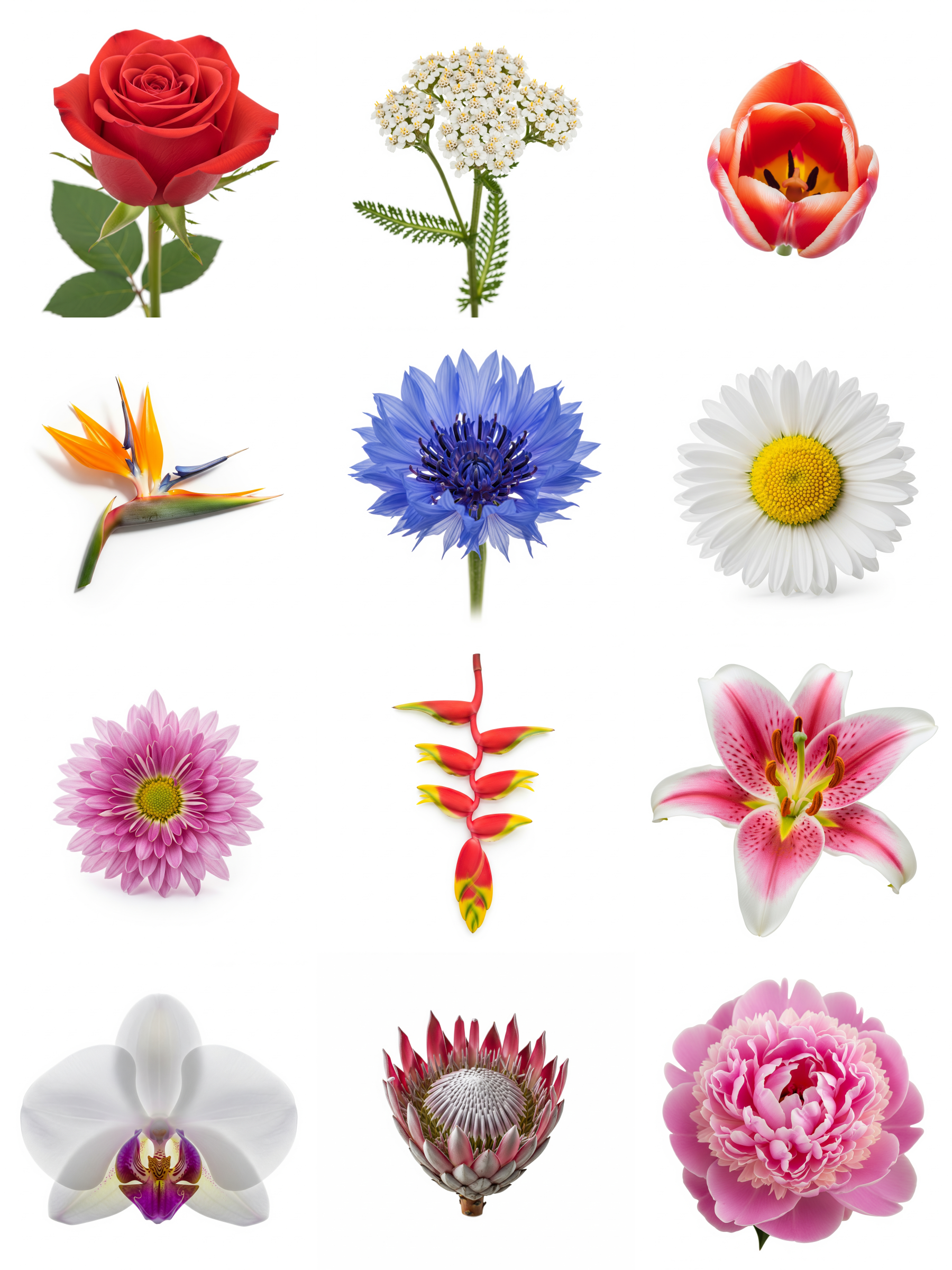
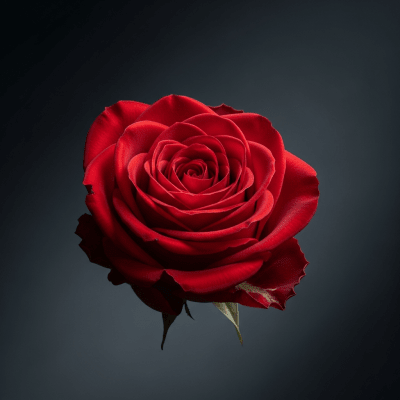
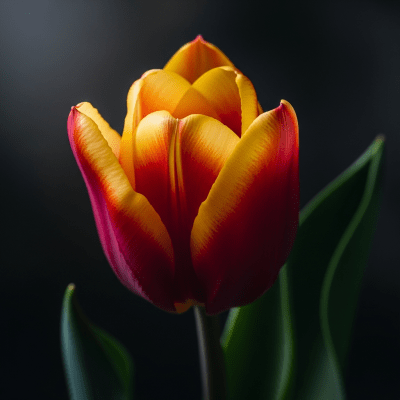
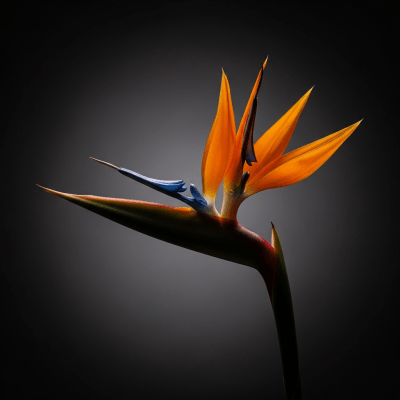
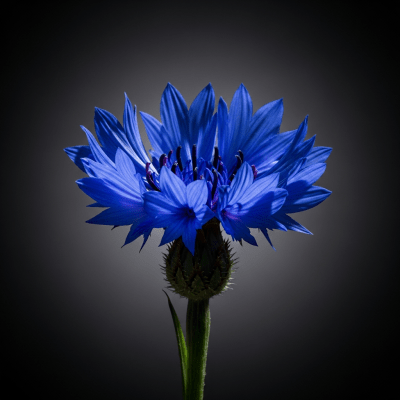
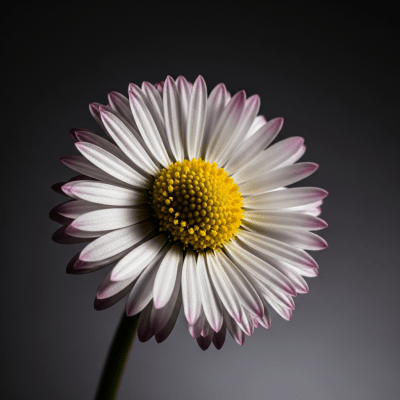
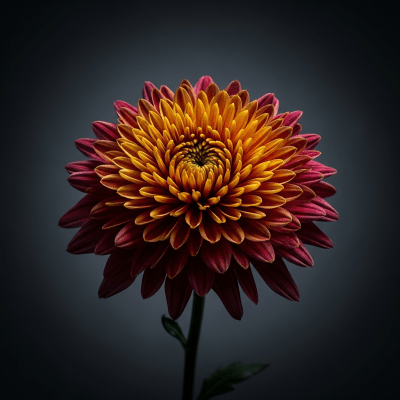
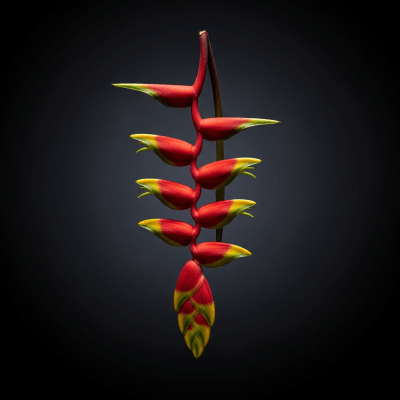
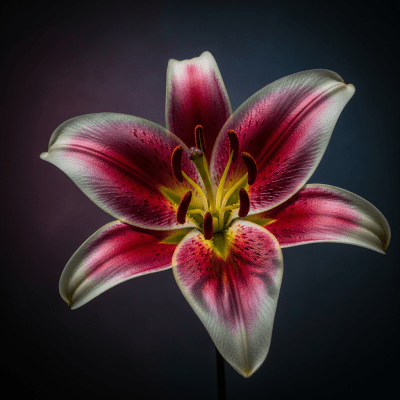
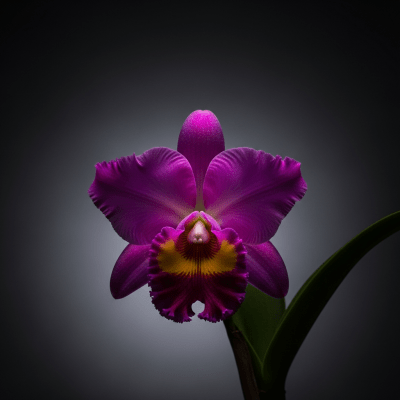
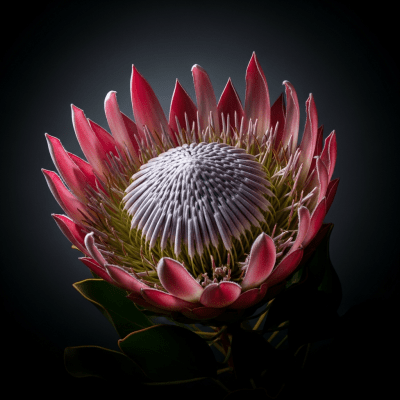
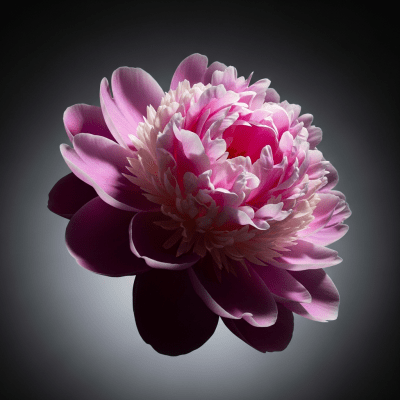
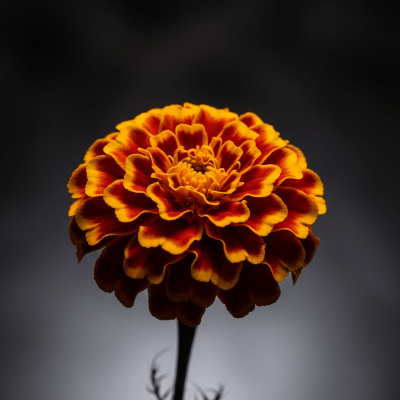
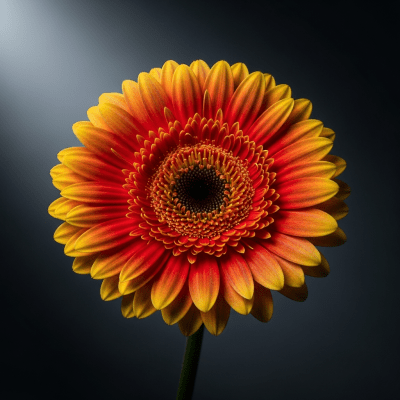
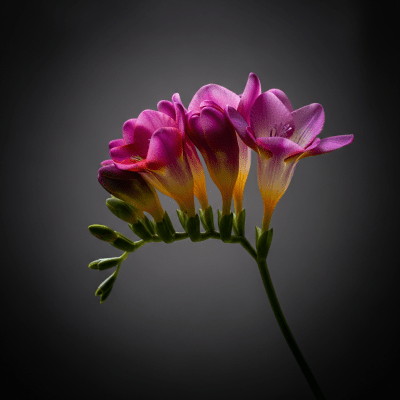
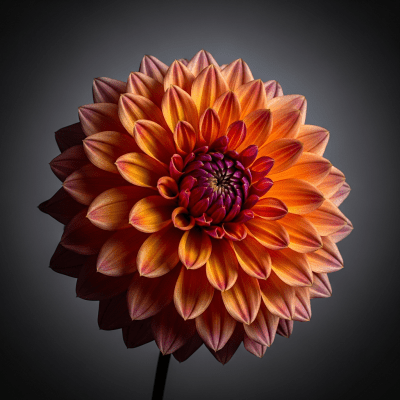
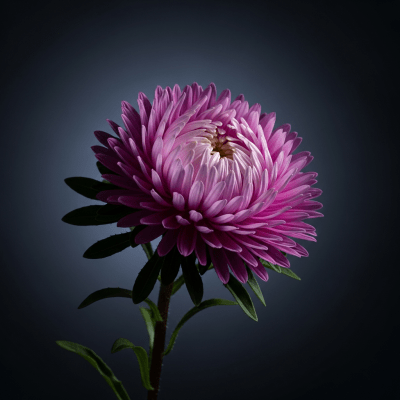
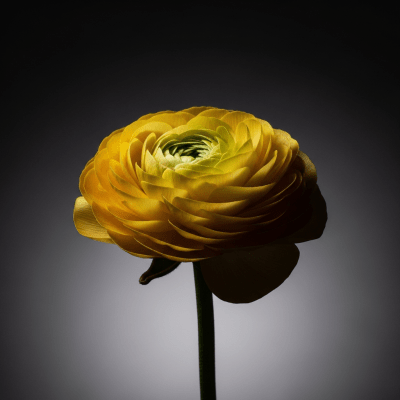
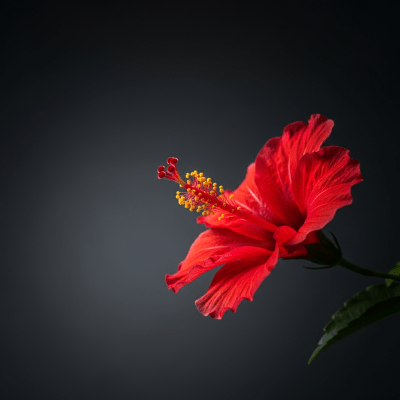
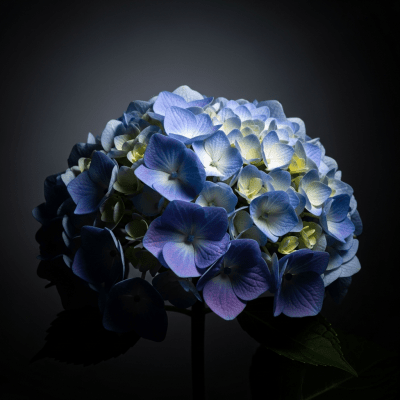
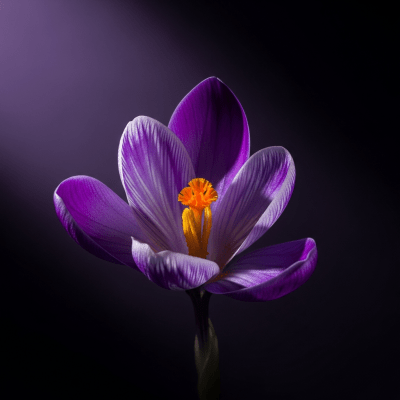
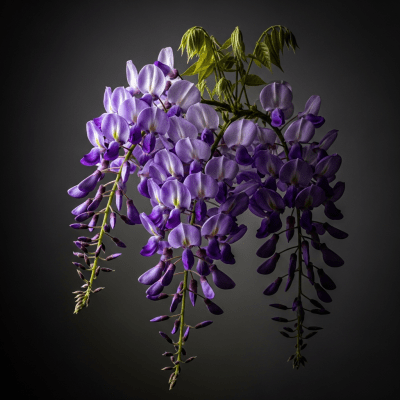
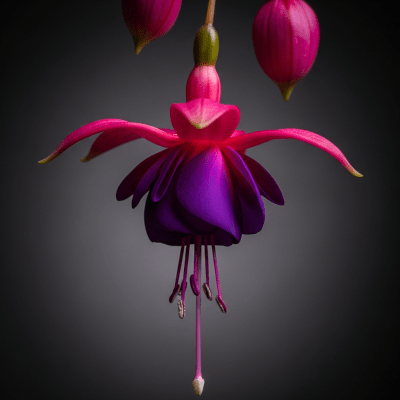
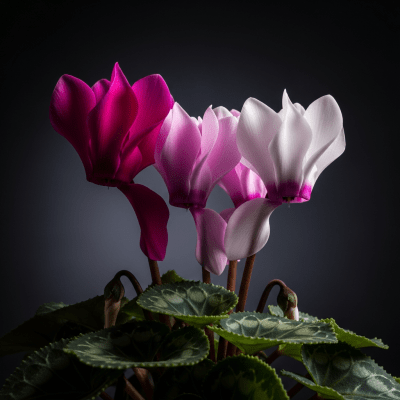
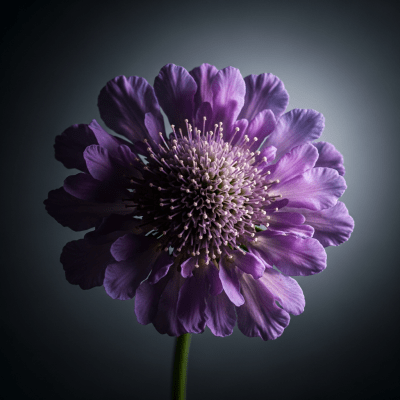
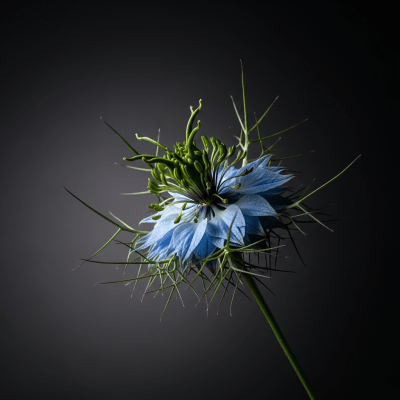
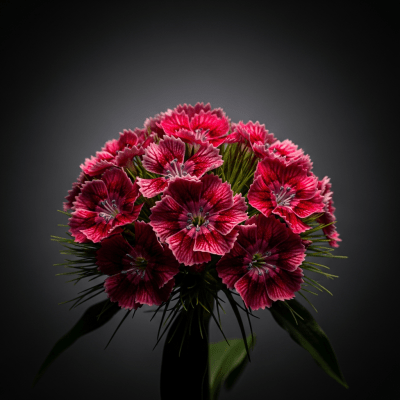
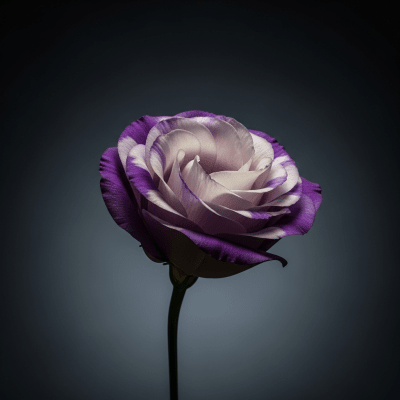
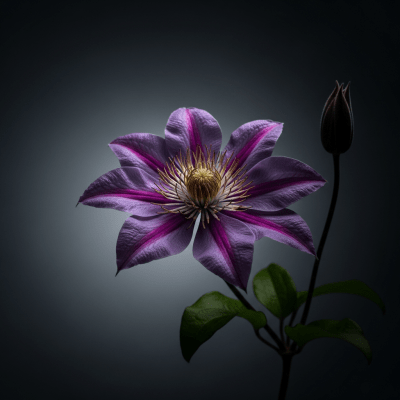
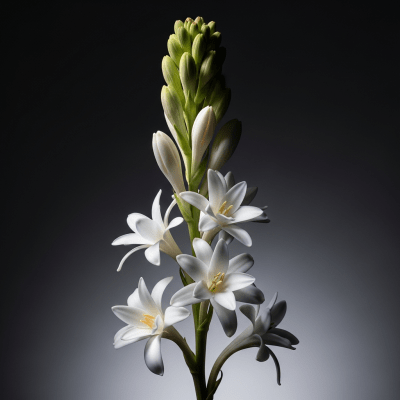
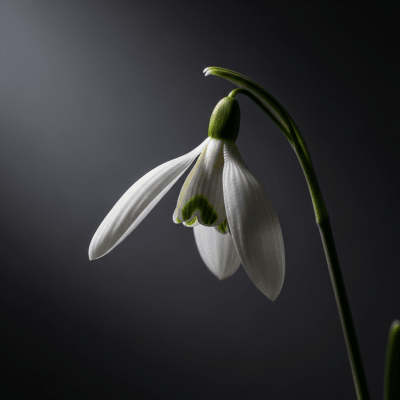
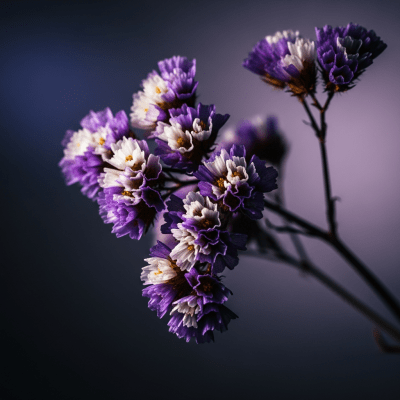
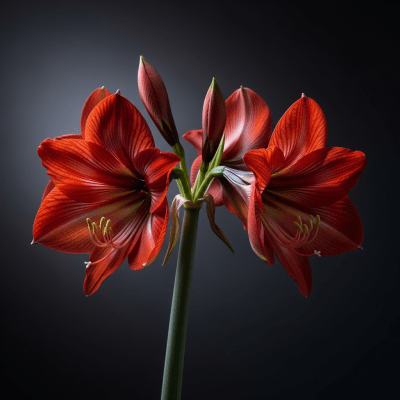
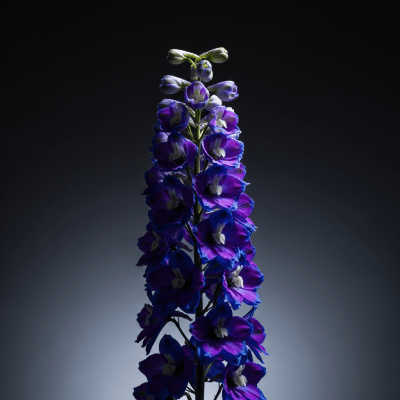
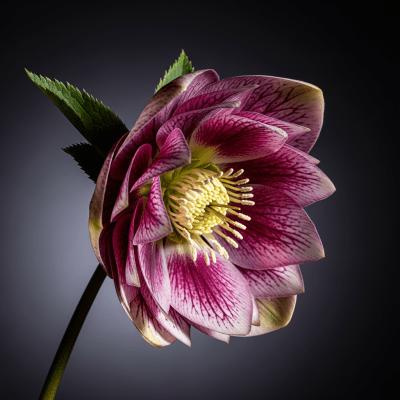
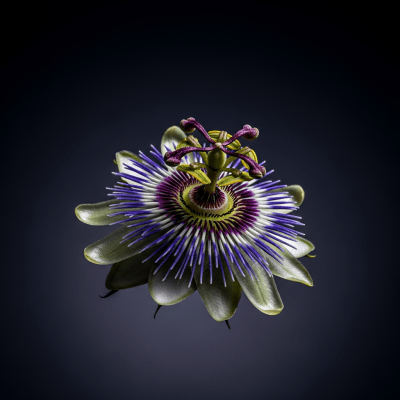
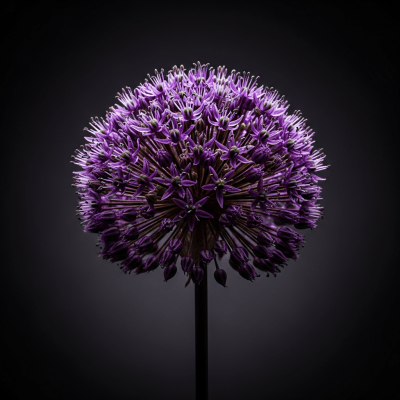
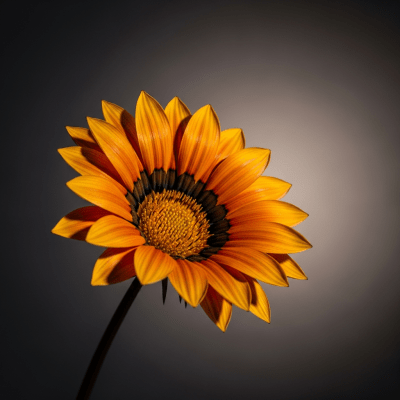
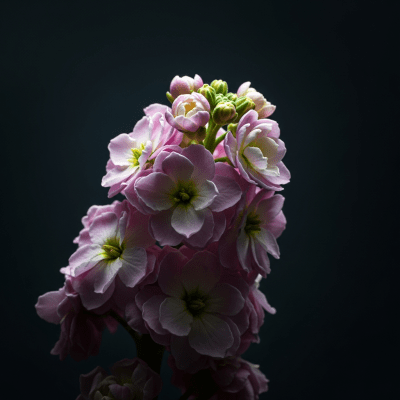
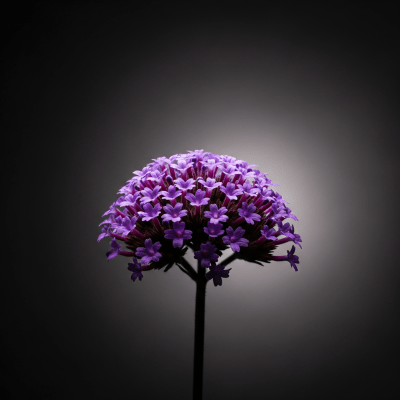
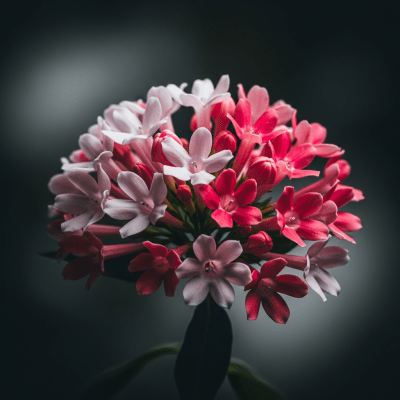
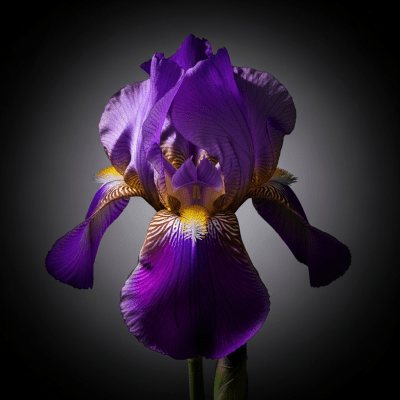
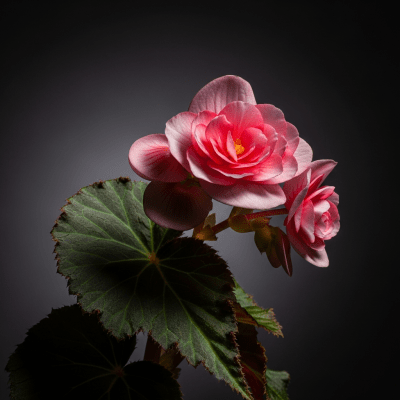
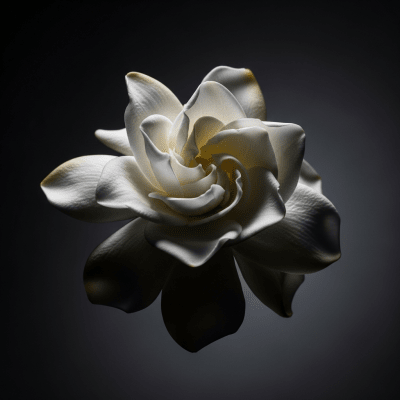
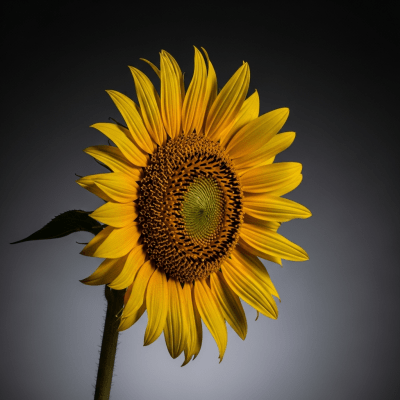
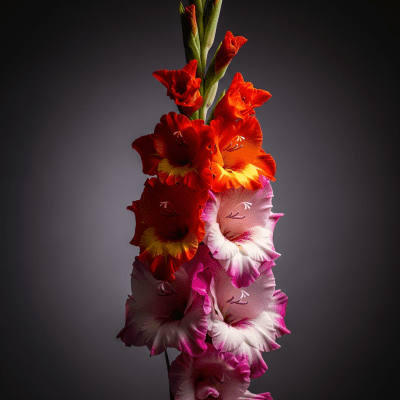
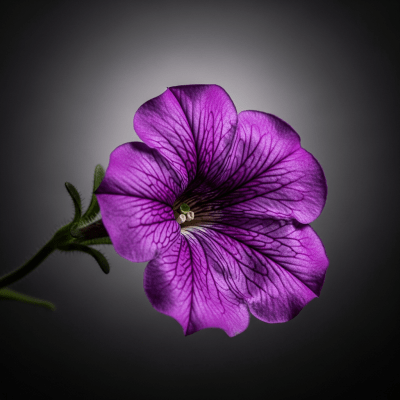
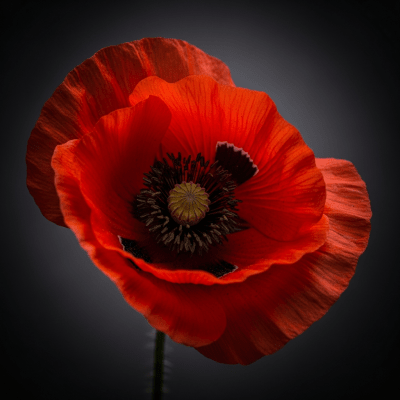
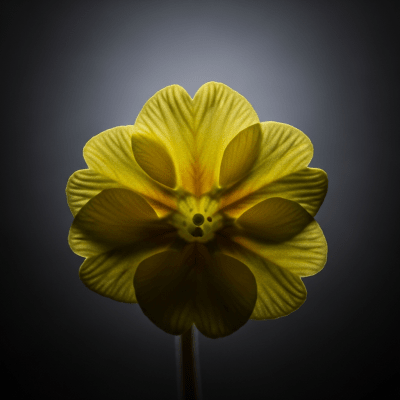
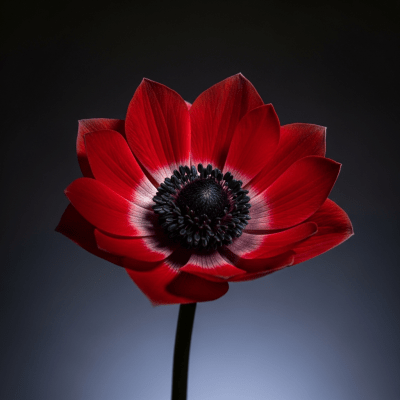
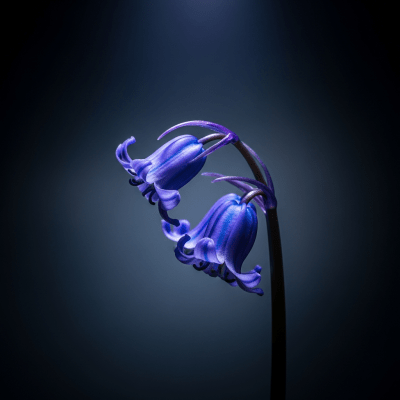
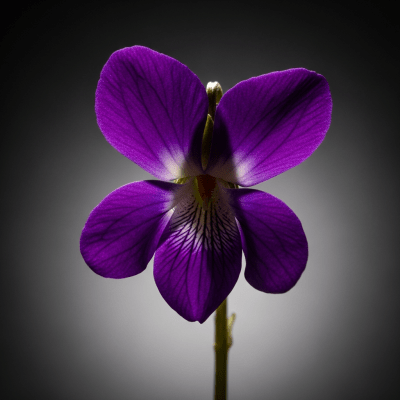
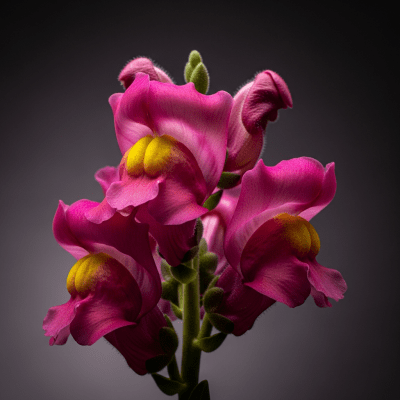
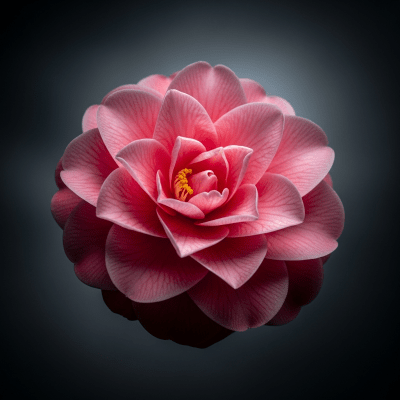
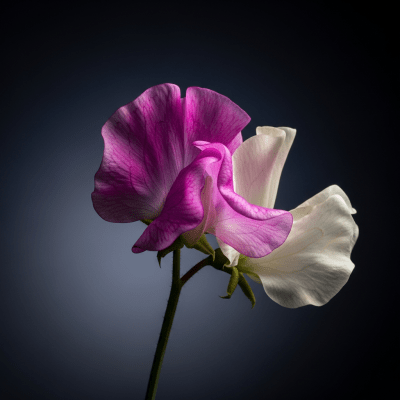
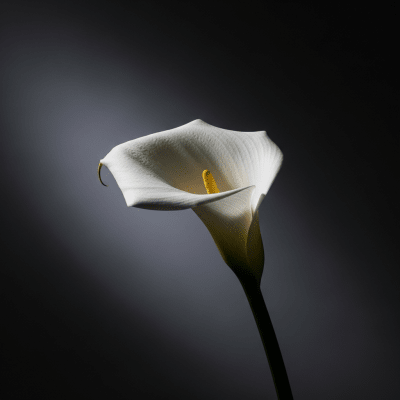
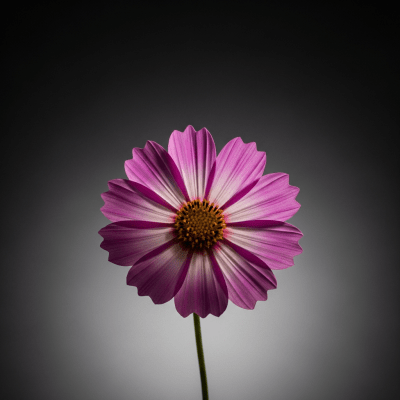
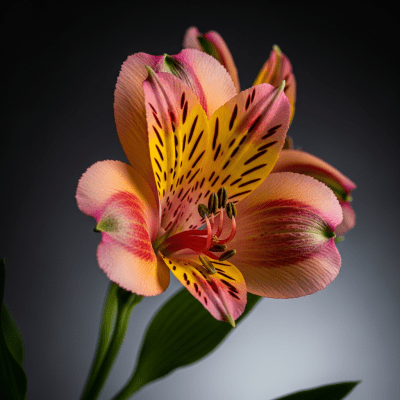
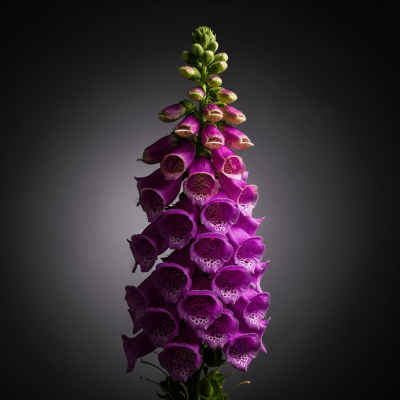
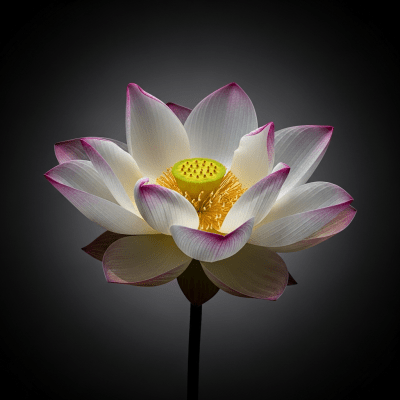
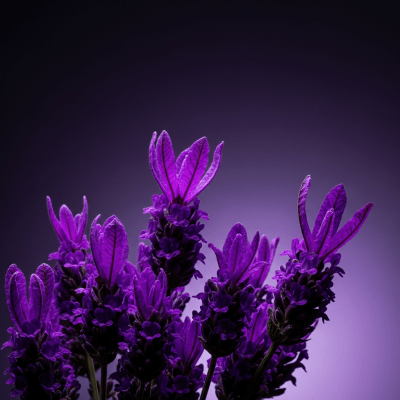
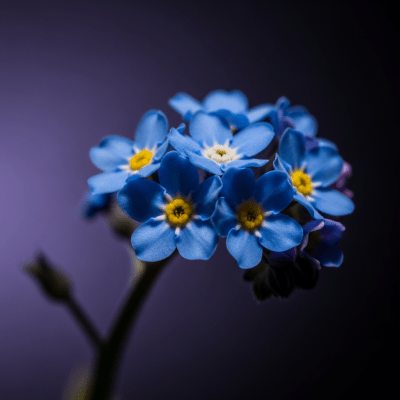
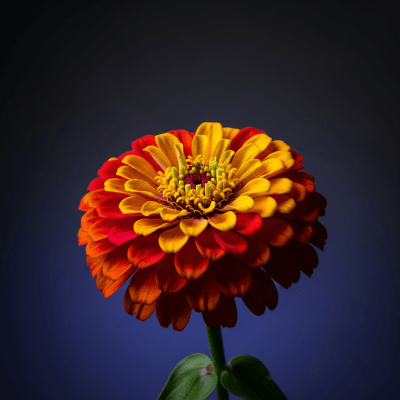
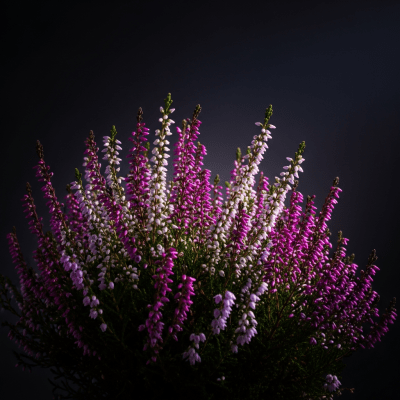
Flowers exhibit an extraordinary range of appearances, from delicate single petals to complex double or composite structures. Their forms vary widely in color, size, shape, and texture, often designed to attract specific pollinators. This diversity includes everything from the simple daisy to the intricate orchid, each with unique sensory traits.
Behavior or Usage
Beyond their biological role in reproduction, flowers serve numerous human uses. They are cultivated for ornamental beauty in gardens and floral arrangements, used symbolically in rituals and celebrations, and contribute to agriculture through pollination. Some flowers also provide culinary, medicinal, and aromatic benefits, enriching human life in multiple ways.