Reptiles

44 kinds of reptiles described and visualized

Reptiles are a diverse class of cold-blooded vertebrates characterized by their scaly skin, air-breathing lungs, and typically by laying shelled eggs. This group includes snakes, lizards, turtles, crocodilians, and the unique tuataras, all adapted to a wide range of terrestrial and aquatic environments.

A collection from Kinds Of - designing the world’s structured knowledge

Kinds of Reptiles

Origin Story

Reptiles first emerged hundreds of millions of years ago during the Carboniferous period, evolving from amphibian ancestors as vertebrates adapted to life fully on land. Their development of tough, scaly skin and shelled eggs allowed them to thrive in drier habitats, marking a crucial step in vertebrate evolution and enabling the colonization of diverse ecosystems across the globe.

Classification

Reptiles belong to the class Reptilia within the phylum Chordata and kingdom Animalia. This class is traditionally divided into several orders, including Squamata (snakes and lizards), Testudines (turtles and tortoises), Crocodylia (crocodiles and alligators), and Rhynchocephalia (tuataras). Each order encompasses multiple families, genera, and species, following the Linnaean system of taxonomy that organizes life forms hierarchically by shared characteristics.

Appearance or Form

Reptiles exhibit a wide range of physical forms but share common traits such as dry, scaly skin that protects against water loss and injury. Their bodies are supported by a backbone and limbs (except in snakes), with variations ranging from the armored shells of turtles to the elongated, limbless bodies of snakes. Their sensory organs and respiratory systems are adapted for air breathing, and many have keen vision and heat-sensing abilities to navigate their environments.

Behavior or Usage

Reptiles display diverse behaviors including hunting, thermoregulation, and territoriality. Many are ectothermic, relying on external heat sources to regulate body temperature. Humans interact with reptiles in multiple ways: as pets, in scientific research, and through ecotourism. Some species are also significant in pest control and traditional medicine, while others are protected due to their ecological importance and vulnerability.


Buy the Collection

See how the Reptiles edition appears in two poster formats.

Eastern Box Turtle

Eastern Box Turtle

The Eastern Box Turtle (Terrapene carolina carolina) is a terrestrial turtle native to eastern North America, known for its distinctive domed shell with a hinged plastron that allows it to close completely for protection.

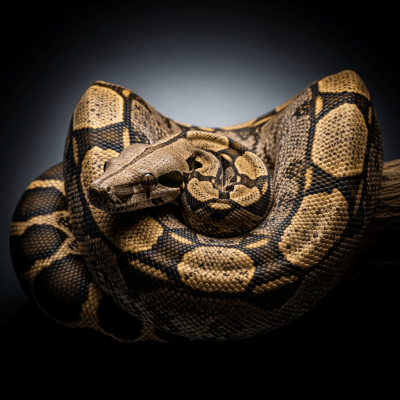
Common Boa Constrictor

Common Boa Constrictor

The Common Boa Constrictor (Boa constrictor) is a large, non-venomous snake native to the Americas, known for its muscular build and distinctive saddle-shaped markings that aid in its powerful method of subduing prey through constriction.

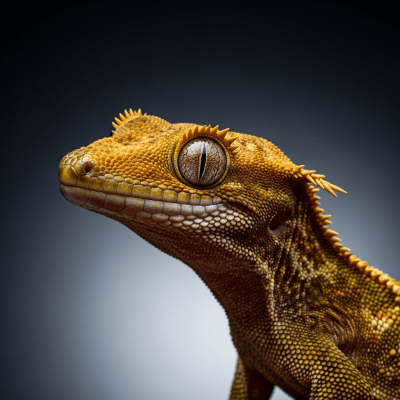
Crested Gecko

Crested Gecko

The crested gecko (Correlophus ciliatus) is a medium-sized, arboreal lizard native to southern New Caledonia, easily recognized by the distinctive crests running from its eyes to the base of its tail.

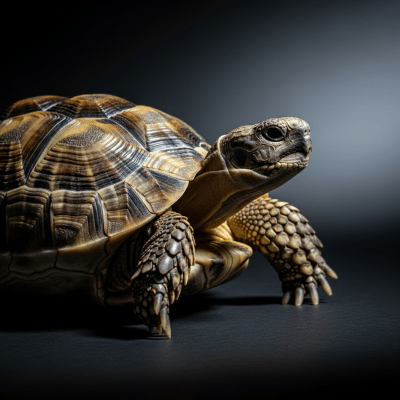
Russian Tortoise

Russian Tortoise

The Russian Tortoise (Agrionemys horsfieldii) is a small, hardy terrestrial tortoise native to Central Asia, known for its adaptability and popularity as a pet.

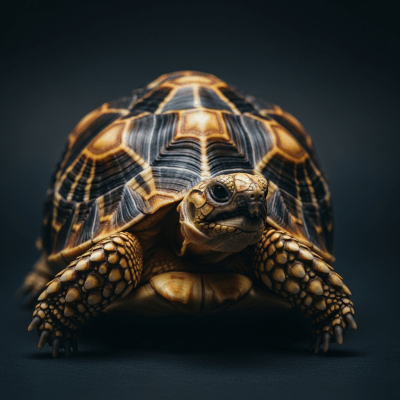
Indian Star Tortoise

Indian Star Tortoise

The Indian Star Tortoise (Geochelone elegans) is a distinctive terrestrial tortoise native to South Asia, celebrated for its striking star-patterned shell that provides natural camouflage in dry grasslands.

Nile Crocodile

Nile Crocodile

The Nile Crocodile (Crocodylus niloticus) is Africa's largest crocodilian and a powerful apex predator renowned for its size, strength, and adaptability across diverse aquatic habitats.

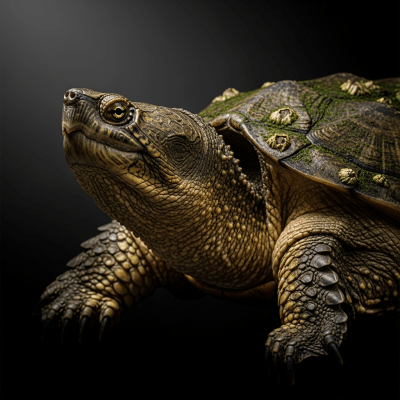
Common Snapping Turtle

Common Snapping Turtle

The Common Snapping Turtle (Chelydra serpentina) is a large, aggressive freshwater turtle native to North America, known for its powerful jaws and rugged, distinctive appearance.

Green Tree Python

Green Tree Python

The Green Tree Python (Morelia viridis) is a vibrant, arboreal snake known for its striking green coloration and prehensile tail, native to the rainforests of New Guinea, Indonesia, and northern Australia.

Alligator Snapping Turtle

Alligator Snapping Turtle

The alligator snapping turtle (Macrochelys temminckii) is North America's largest freshwater turtle, famed for its massive size, powerful jaws, and unique worm-like tongue used to lure prey.

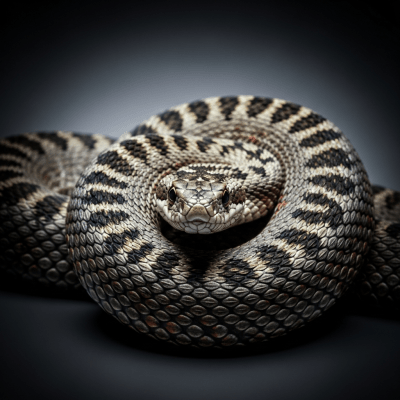
Common European Adder

Common European Adder

The Common European Adder (Vipera berus) is a venomous snake native to much of Europe and parts of Asia, recognized for its distinctive zigzag dorsal pattern and status as the only venomous snake widespread across northern and central Europe.

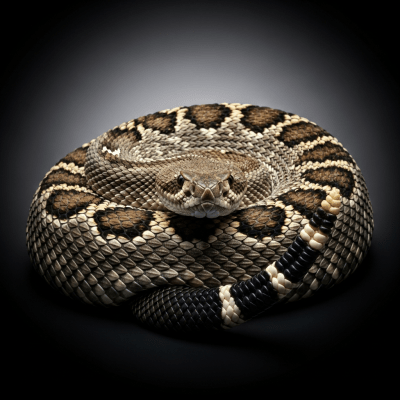
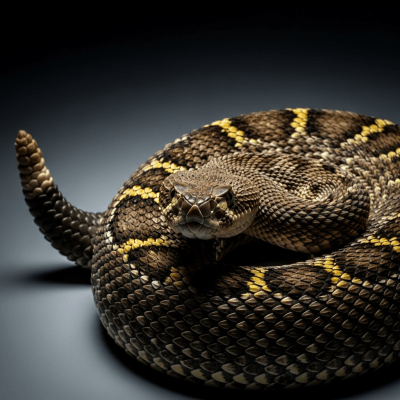
Western Diamondback Rattlesnake

Western Diamondback Rattlesnake

The Western Diamondback Rattlesnake (Crotalus atrox) is a venomous pit viper native to the arid regions of the southwestern United States and northern Mexico, recognized for its distinctive diamond-shaped dorsal pattern and rattling tail.

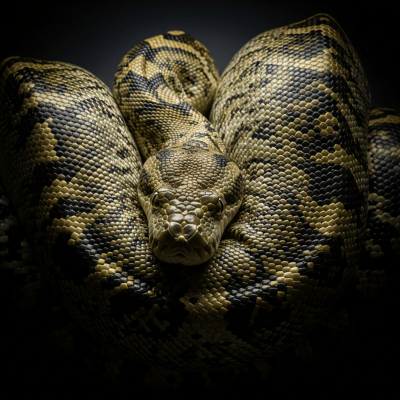
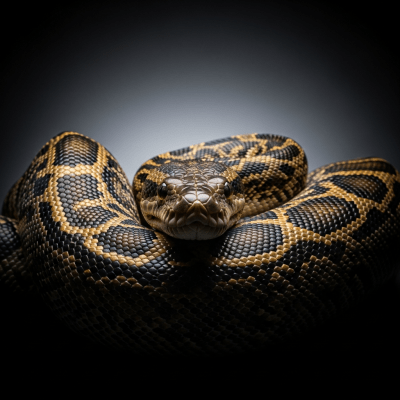
African Rock Python

African Rock Python

The African Rock Python (Python sebae) is Africa's largest native snake and one of the world’s largest constrictors, known for its impressive size and striking patterned skin.

Reticulated Python

Reticulated Python

The reticulated python (Malayopython reticulatus) is the longest living snake species, celebrated for its striking geometric skin pattern and remarkable length, often exceeding 6 meters.

Eastern Diamondback Rattlesnake

Eastern Diamondback Rattlesnake

The Eastern Diamondback Rattlesnake (Crotalus adamanteus) is the largest venomous snake native to the southeastern United States, renowned for its distinctive diamond-shaped dorsal pattern and formidable size.

Green Sea Turtle

Green Sea Turtle

The Green Sea Turtle (Chelonia mydas) is a large, herbivorous marine reptile known for its smooth, heart-shaped shell and vital role in maintaining healthy seagrass ecosystems across tropical and subtropical oceans worldwide.

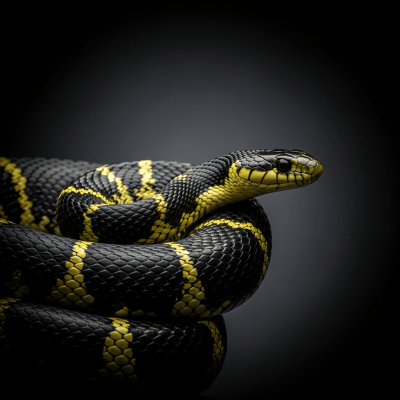
Common Kingsnake

Common Kingsnake

The Common Kingsnake (Lampropeltis getula) is a nonvenomous, adaptable snake native to North America, known for its striking banded pattern and immunity to the venom of other snakes.

Buy Large Edition with 16 Kinds

Cultural Significance

Reptiles have long held symbolic roles in human culture, appearing in mythology, art, and folklore worldwide. They often represent qualities such as wisdom, danger, or transformation. In modern times, reptiles feature prominently in conservation efforts, media, and the exotic pet trade, reflecting both fascination and respect for their unique place in nature.

Notable Facts

  • Reptiles are among the earliest vertebrates to develop amniotic eggs, enabling reproduction away from water.
  • The tuatara, native to New Zealand, is the only surviving member of an ancient reptile order, offering a glimpse into prehistoric life.
  • Crocodilians possess some of the most powerful bites in the animal kingdom and complex social behaviors.
  • Some reptiles, like certain turtles, can live for over a century, showcasing remarkable longevity.
  • Despite their cold-blooded nature, many reptiles exhibit sophisticated thermoregulation strategies to maintain optimal body temperatures.

Kinds of Reptiles

Explore the range of forms, textures, and traditions within this collection.

Sorted by popularity

A striking, editorial-style portrait of a Eastern Box Turtle (reptiles) in dramatic lighting.

Eastern Box Turtle

The Eastern Box Turtle (Terrapene carolina carolina) is a terrestrial turtle native to eastern North America, known for its distinctive domed shell with a hinged plastron that allows it to close completely for protection.

A striking, editorial-style portrait of a Common Boa Constrictor (reptiles) in dramatic lighting.

Common Boa Constrictor

The Common Boa Constrictor (Boa constrictor) is a large, non-venomous snake native to the Americas, known for its muscular build and distinctive saddle-shaped markings that aid in its powerful method of subduing prey through constriction.

A striking, editorial-style portrait of a Crested Gecko (reptiles) in dramatic lighting.

Crested Gecko

The crested gecko (Correlophus ciliatus) is a medium-sized, arboreal lizard native to southern New Caledonia, easily recognized by the distinctive crests running from its eyes to the base of its tail.

A striking, editorial-style portrait of a Russian Tortoise (reptiles) in dramatic lighting.

Russian Tortoise

The Russian Tortoise (Agrionemys horsfieldii) is a small, hardy terrestrial tortoise native to Central Asia, known for its adaptability and popularity as a pet.

A striking, editorial-style portrait of a Indian Star Tortoise (reptiles) in dramatic lighting.

Indian Star Tortoise

The Indian Star Tortoise (Geochelone elegans) is a distinctive terrestrial tortoise native to South Asia, celebrated for its striking star-patterned shell that provides natural camouflage in dry grasslands.

A striking, editorial-style portrait of a Nile Crocodile (reptiles) in dramatic lighting.

Nile Crocodile

The Nile Crocodile (Crocodylus niloticus) is Africa's largest crocodilian and a powerful apex predator renowned for its size, strength, and adaptability across diverse aquatic habitats.

A striking, editorial-style portrait of a Common Snapping Turtle (reptiles) in dramatic lighting.

Common Snapping Turtle

The Common Snapping Turtle (Chelydra serpentina) is a large, aggressive freshwater turtle native to North America, known for its powerful jaws and rugged, distinctive appearance.

A striking, editorial-style portrait of a Green Tree Python (reptiles) in dramatic lighting.

Green Tree Python

The Green Tree Python (Morelia viridis) is a vibrant, arboreal snake known for its striking green coloration and prehensile tail, native to the rainforests of New Guinea, Indonesia, and northern Australia.

A striking, editorial-style portrait of a Alligator Snapping Turtle (reptiles) in dramatic lighting.

Alligator Snapping Turtle

The alligator snapping turtle (Macrochelys temminckii) is North America's largest freshwater turtle, famed for its massive size, powerful jaws, and unique worm-like tongue used to lure prey.

A striking, editorial-style portrait of a Common European Adder (reptiles) in dramatic lighting.

Common European Adder

The Common European Adder (Vipera berus) is a venomous snake native to much of Europe and parts of Asia, recognized for its distinctive zigzag dorsal pattern and status as the only venomous snake widespread across northern and central Europe.

A striking, editorial-style portrait of a Western Diamondback Rattlesnake (reptiles) in dramatic lighting.

Western Diamondback Rattlesnake

The Western Diamondback Rattlesnake (Crotalus atrox) is a venomous pit viper native to the arid regions of the southwestern United States and northern Mexico, recognized for its distinctive diamond-shaped dorsal pattern and rattling tail.

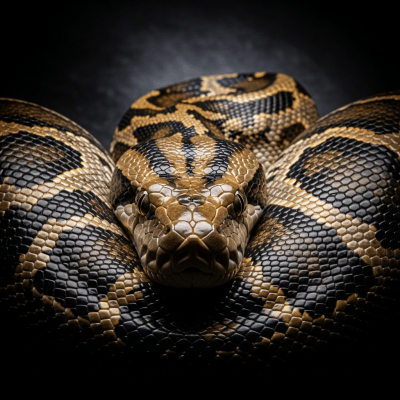
A striking, editorial-style portrait of a African Rock Python (reptiles) in dramatic lighting.

African Rock Python

The African Rock Python (Python sebae) is Africa's largest native snake and one of the world’s largest constrictors, known for its impressive size and striking patterned skin.

A striking, editorial-style portrait of a Reticulated Python (reptiles) in dramatic lighting.

Reticulated Python

The reticulated python (Malayopython reticulatus) is the longest living snake species, celebrated for its striking geometric skin pattern and remarkable length, often exceeding 6 meters.

A striking, editorial-style portrait of a Eastern Diamondback Rattlesnake (reptiles) in dramatic lighting.

Eastern Diamondback Rattlesnake

The Eastern Diamondback Rattlesnake (Crotalus adamanteus) is the largest venomous snake native to the southeastern United States, renowned for its distinctive diamond-shaped dorsal pattern and formidable size.

A striking, editorial-style portrait of a Green Sea Turtle (reptiles) in dramatic lighting.

Green Sea Turtle

The Green Sea Turtle (Chelonia mydas) is a large, herbivorous marine reptile known for its smooth, heart-shaped shell and vital role in maintaining healthy seagrass ecosystems across tropical and subtropical oceans worldwide.

A striking, editorial-style portrait of a Common Kingsnake (reptiles) in dramatic lighting.

Common Kingsnake

The Common Kingsnake (Lampropeltis getula) is a nonvenomous, adaptable snake native to North America, known for its striking banded pattern and immunity to the venom of other snakes.

A striking, editorial-style portrait of a Black Mamba (reptiles) in dramatic lighting.

Black Mamba

The Black Mamba (Dendroaspis polylepis) is a large, highly venomous African snake renowned for its speed, potent neurotoxic venom, and distinctive black mouth interior.

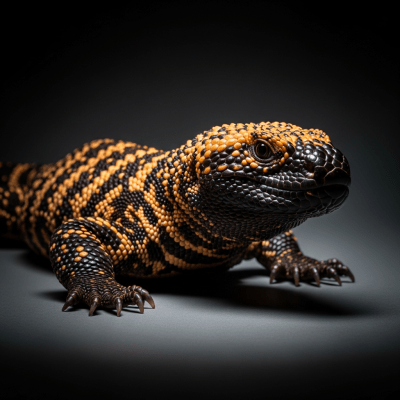
A striking, editorial-style portrait of a Gila Monster (reptiles) in dramatic lighting.

Gila Monster

The Gila Monster (Heloderma suspectum) is a stout-bodied, venomous lizard native to the arid deserts of the southwestern United States and northwestern Mexico, renowned as the only venomous lizard indigenous to the United States.

A striking, editorial-style portrait of a Aldabra Giant Tortoise (reptiles) in dramatic lighting.

Aldabra Giant Tortoise

The Aldabra Giant Tortoise (Aldabrachelys gigantea) is a massive, long-lived tortoise species native to the Aldabra Atoll, celebrated for its impressive size and vital role as a keystone herbivore in its island ecosystem.

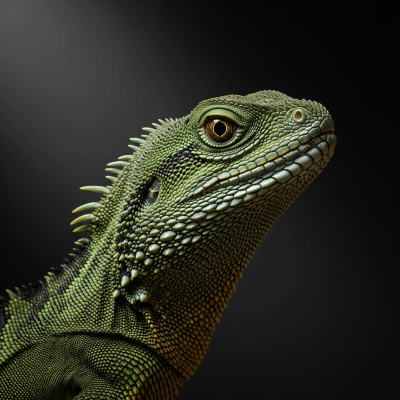
A striking, editorial-style portrait of a Chinese Water Dragon (reptiles) in dramatic lighting.

Chinese Water Dragon

The Chinese Water Dragon (Physignathus cocincinus) is a vibrant, semi-arboreal lizard native to Southeast Asia, known for its striking green coloration and affinity for aquatic environments.

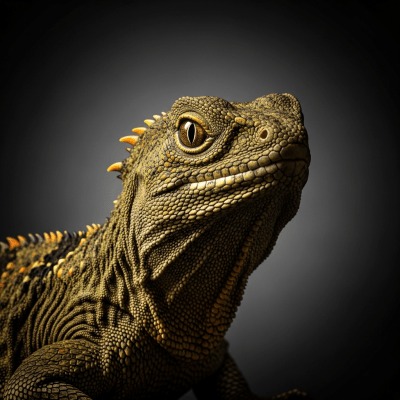
A striking, editorial-style portrait of a Tuataras (reptiles) in dramatic lighting.

tuatara

The tuatara (Sphenodon punctatus) is a distinctive reptile native to New Zealand, renowned as the sole surviving member of the ancient order Rhynchocephalia and often called a living fossil.

A striking, editorial-style portrait of a Sulcata Tortoise (reptiles) in dramatic lighting.

Sulcata Tortoise

The Sulcata Tortoise (Centrochelys sulcata), also known as the African spurred tortoise, is the largest mainland tortoise species, renowned for its impressive size, sandy coloration, and distinctive spurs on its hind legs.

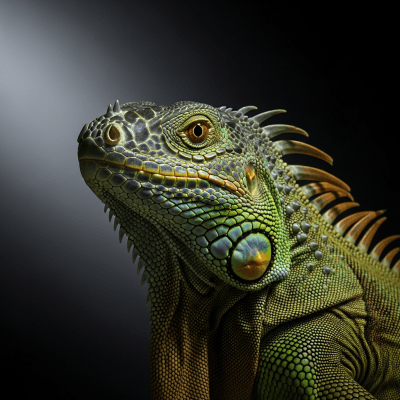
A striking, editorial-style portrait of a Green Iguana (reptiles) in dramatic lighting.

Green Iguana

The Green Iguana (Iguana iguana) is a large, vibrant, arboreal lizard native to Central and South America, renowned for its striking coloration and adaptability.
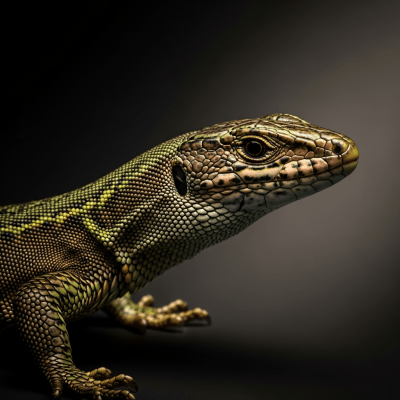
A striking, editorial-style portrait of a Common Wall Lizard (reptiles) in dramatic lighting.
Common Wall Lizard

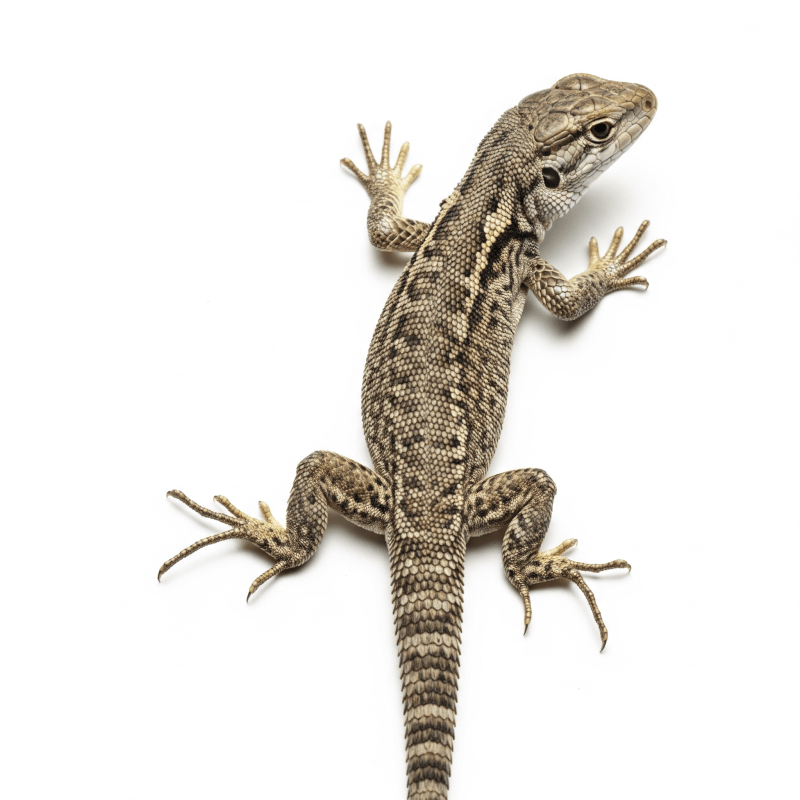
The Common Wall Lizard (Podarcis muralis) is a small, agile lizard native to much of Europe, known for its adaptability to urban and rocky environments and its distinctive variable coloration.

A striking, editorial-style portrait of a Common Basilisk (reptiles) in dramatic lighting.

Common Basilisk

The Common Basilisk (Basiliscus basiliscus) is a distinctive Central and South American lizard famed for its remarkable ability to run across water surfaces, earning it the nickname "Jesus lizard."

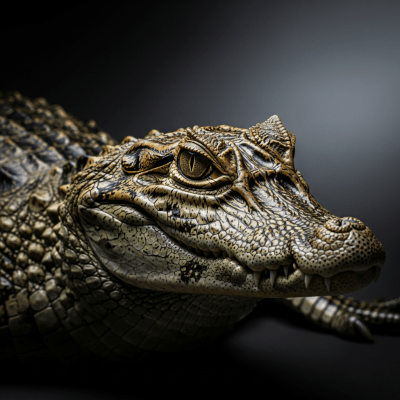
A striking, editorial-style portrait of a Spectacled Caiman (reptiles) in dramatic lighting.

Spectacled Caiman

The Spectacled Caiman (Caiman crocodilus) is a medium-sized crocodilian known for the distinctive bony ridge between its eyes that resembles spectacles, making it the most widespread and abundant caiman species across the Neotropics.

A striking, editorial-style portrait of a Painted Turtle (reptiles) in dramatic lighting.

Painted Turtle

The painted turtle (Chrysemys picta) is a widespread North American freshwater turtle known for its smooth, dark shell accented with vivid red and yellow markings.

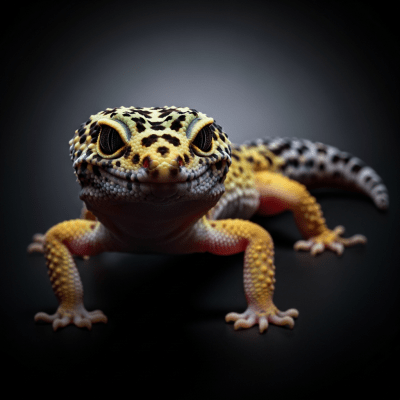
A striking, editorial-style portrait of a Leopard Gecko (reptiles) in dramatic lighting.

Leopard Gecko

The Leopard Gecko (Eublepharis macularius) is a small, nocturnal lizard native to arid regions of South Asia, prized for its distinctive spotted pattern and gentle temperament.

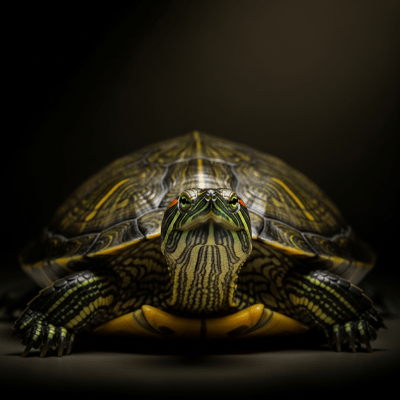
A striking, editorial-style portrait of a Red-eared Slider (reptiles) in dramatic lighting.

Red-eared Slider

The Red-eared Slider (Trachemys scripta elegans) is a freshwater turtle renowned for the distinctive red stripe behind each eye and its widespread presence as both a native and invasive species.

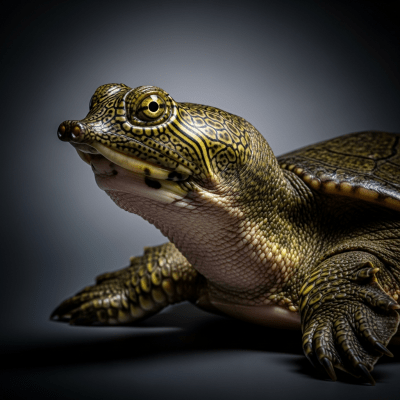
A striking, editorial-style portrait of a Florida Softshell Turtle (reptiles) in dramatic lighting.

Florida Softshell Turtle

The Florida Softshell Turtle (Apalone ferox) is a large aquatic turtle native to the southeastern United States, recognized for its flexible, leathery shell and distinctive snorkel-like snout.

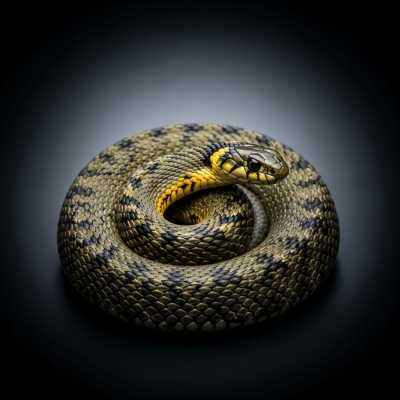
A striking, editorial-style portrait of a Common European Grass Snake (reptiles) in dramatic lighting.

Common European Grass Snake

The Common European Grass Snake (Natrix natrix) is a widespread, non-venomous snake native to much of Europe and parts of western Asia, easily recognized by its olive-green coloration and distinctive yellow collar.

A striking, editorial-style portrait of a Ball Python (reptiles) in dramatic lighting.

Ball Python

The Ball Python (Python regius) is a medium-sized, nonvenomous snake native to West and Central Africa, celebrated for its gentle nature and distinctive habit of curling into a tight ball when threatened.

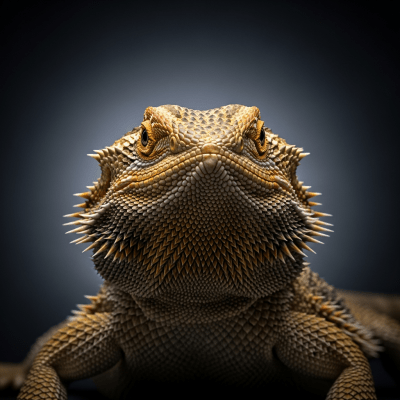
A striking, editorial-style portrait of a Bearded Dragon (reptiles) in dramatic lighting.

Bearded Dragon

The Bearded Dragon (Pogona vitticeps) is a medium-sized, diurnal lizard native to central Australia, known for its distinctive expandable throat "beard" and friendly temperament, making it one of the most popular pet reptiles worldwide.

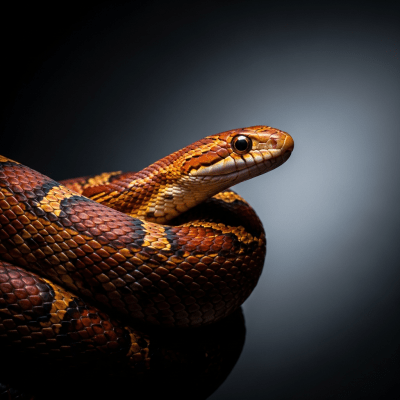
A striking, editorial-style portrait of a Corn Snake (reptiles) in dramatic lighting.

Corn Snake

The corn snake (Pantherophis guttatus) is a non-venomous, medium-sized snake native to the southeastern and central United States, celebrated for its striking coloration and gentle temperament.

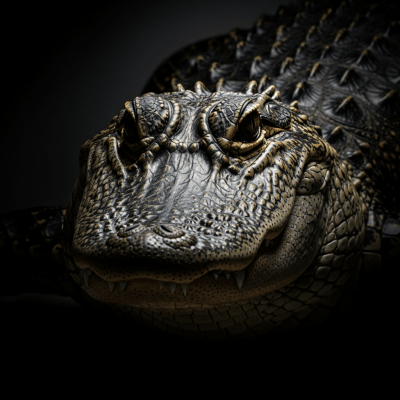
A striking, editorial-style portrait of a American Alligator (reptiles) in dramatic lighting.

American Alligator

The American Alligator (Alligator mississippiensis) is a large, powerful crocodilian native to the wetlands of the southeastern United States, recognized for its broad snout, armored body, and vital role in its ecosystem.

A striking, editorial-style portrait of a Common Chameleon (reptiles) in dramatic lighting.

Common Chameleon

The Common Chameleon (Chamaeleo chamaeleon) is a medium-sized, arboreal lizard famed for its remarkable ability to change skin color and its independently mobile turret-like eyes.

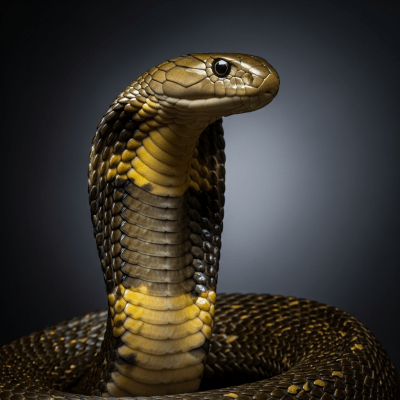
A striking, editorial-style portrait of a King Cobra (reptiles) in dramatic lighting.

King Cobra

The King Cobra (Ophiophagus hannah) is the world’s longest venomous snake, famed for its imposing hood and potent neurotoxic venom.

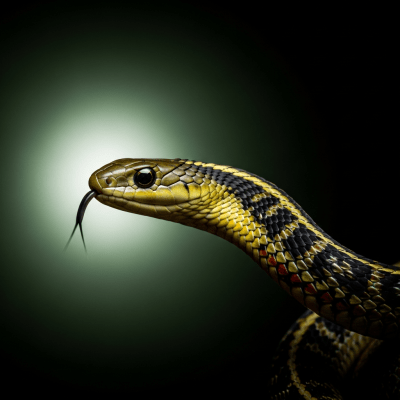
A striking, editorial-style portrait of a Garter Snake (reptiles) in dramatic lighting.

Garter Snake

The garter snake (Thamnophis sirtalis) is a widespread, non-venomous snake native to North America, easily recognized by its slender body and distinctive longitudinal stripes.

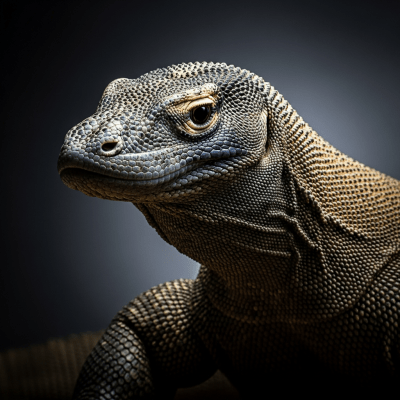
A striking, editorial-style portrait of a Komodo Dragon (reptiles) in dramatic lighting.

Komodo dragon

The Komodo dragon (Varanus komodoensis) is the largest living species of lizard, famed for its formidable size, venomous bite, and role as a dominant predator within its native Indonesian islands.

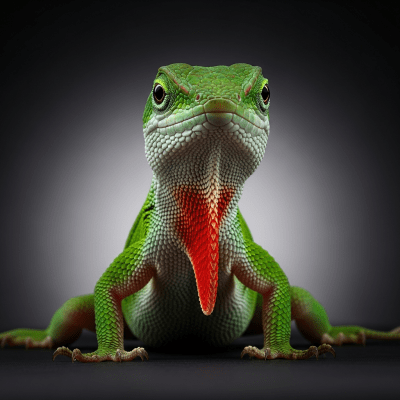
A striking, editorial-style portrait of a Green Anole (reptiles) in dramatic lighting.

Green Anole

The Green Anole (Anolis carolinensis) is a small, arboreal lizard native to the southeastern United States, known for its vibrant green color and ability to shift to brown, making it a distinctive and adaptable reptile species.

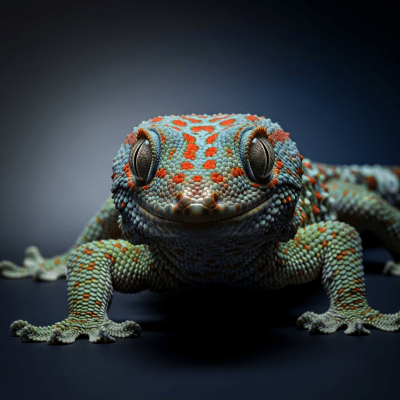
A striking, editorial-style portrait of a Tokay Gecko (reptiles) in dramatic lighting.

Tokay Gecko

The Tokay Gecko (Gekko gecko) is a large, vividly colored gecko native to Asia, known for its striking blue-gray body adorned with bright orange or red spots and its loud, distinctive vocalizations.

A striking, editorial-style portrait of a Burmese Python (reptiles) in dramatic lighting.

Burmese Python

The Burmese Python (Python bivittatus) is one of the largest snake species globally, known for its impressive size, muscular build, and distinctive patterned skin.

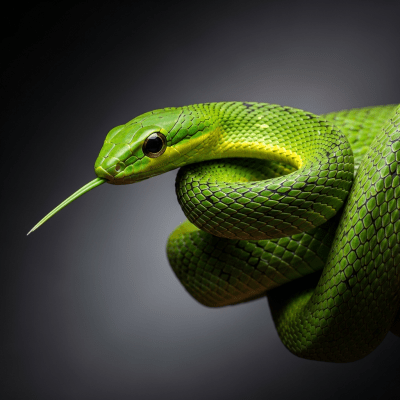
A striking, editorial-style portrait of a Green Vine Snake (reptiles) in dramatic lighting.

Green Vine Snake

The Green Vine Snake (Ahaetulla nasuta) is a slender, arboreal reptile native to South and Southeast Asia, known for its vivid green coloration and elongated pointed snout that aids in camouflage among foliage.

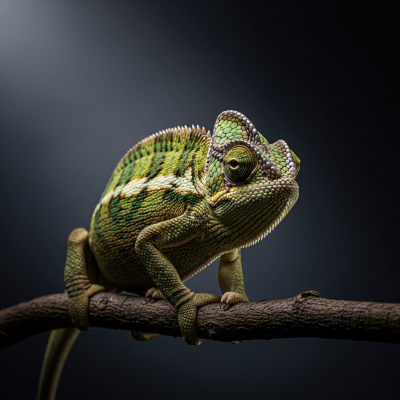
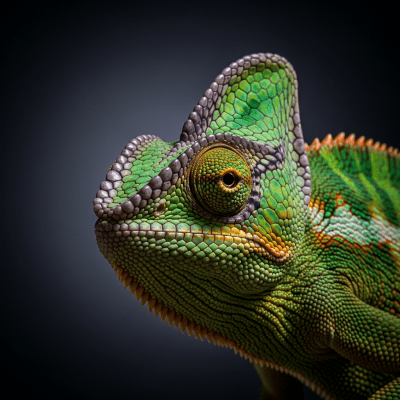
A striking, editorial-style portrait of a Veiled Chameleon (reptiles) in dramatic lighting.

Veiled Chameleon

The Veiled Chameleon (Chamaeleo calyptratus) is a vibrant, arboreal lizard native to the Arabian Peninsula, celebrated for its distinctive helmet-like casque and remarkable ability to change color.

A collection is complete only when its kinds are seen in full.