Origin Story
Onions trace their origins to Central Asia, where they were first domesticated thousands of years ago. From these early beginnings, onions spread through trade and cultivation to Europe, Asia, and beyond, becoming a staple crop in diverse agricultural societies.
Classification
Belonging to the family Amaryllidaceae and genus Allium, onions are classified as Allium cepa. This species includes numerous varieties and cultivars such as yellow, red, white, sweet, and pearl onions, each distinguished by bulb color, shape, and flavor profile. While related to garlic, leeks, and chives, onions form a distinct group within the genus.
Appearance or Form
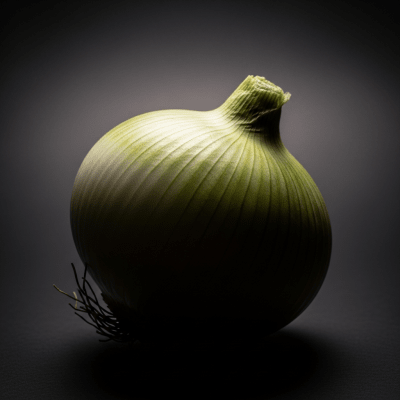
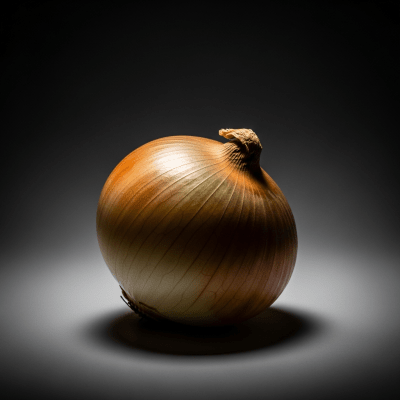
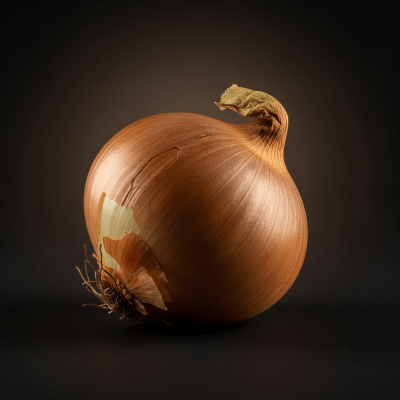
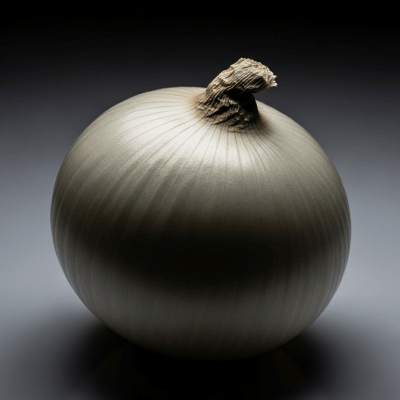
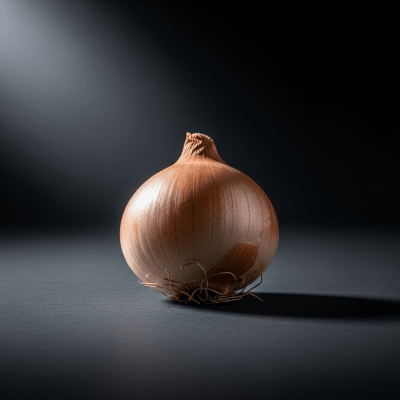
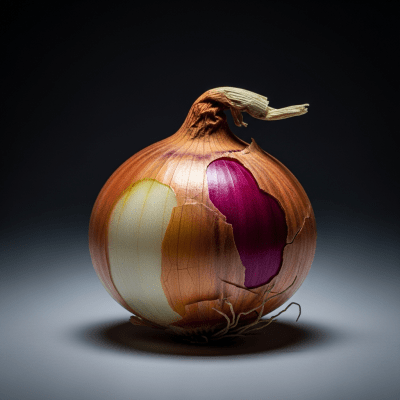
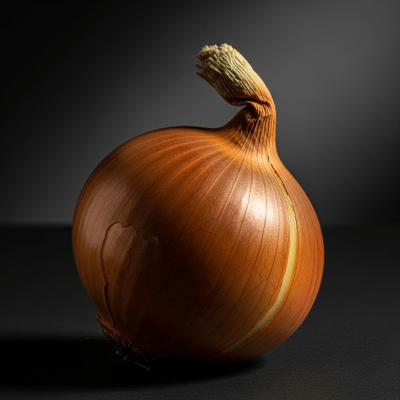
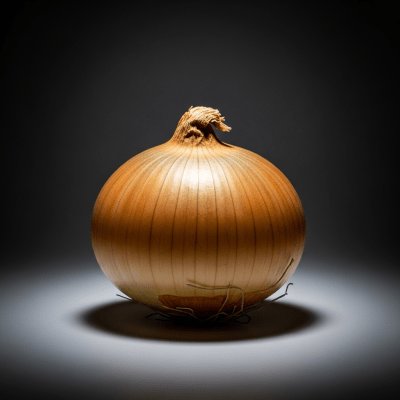
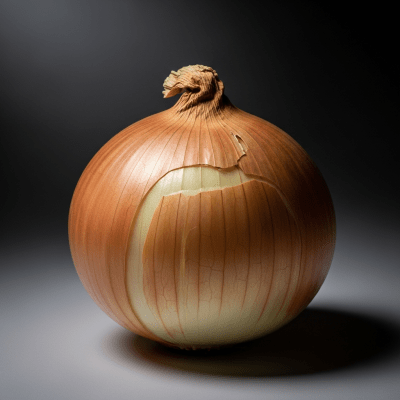
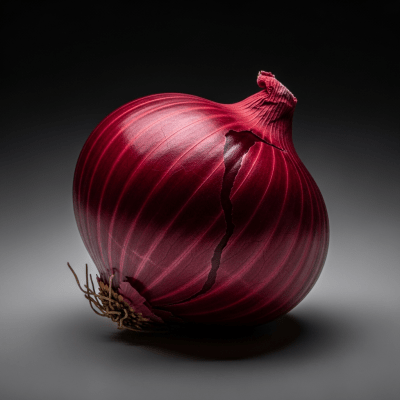
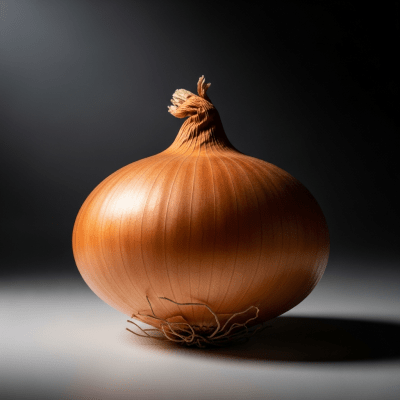
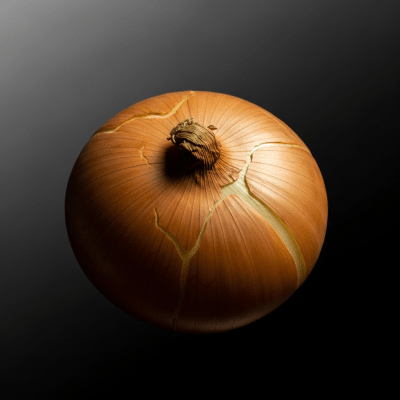
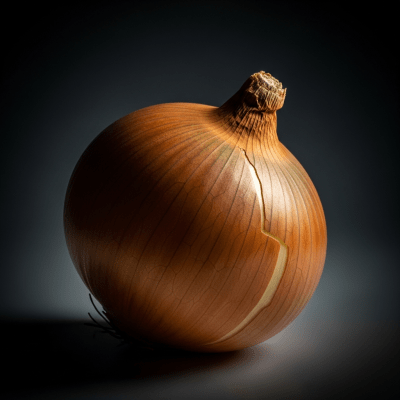
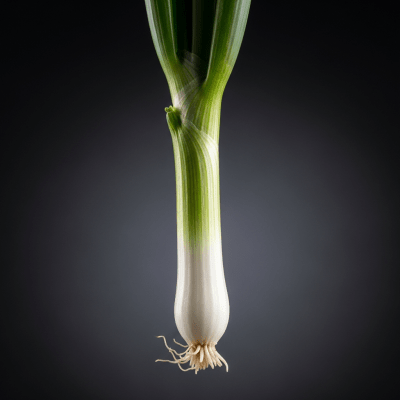
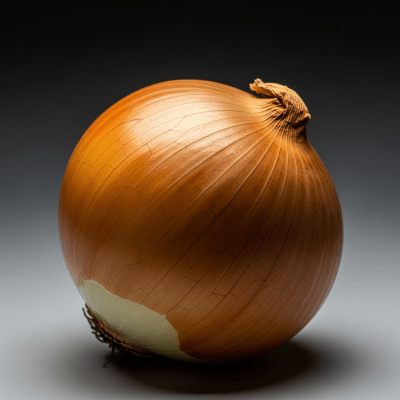
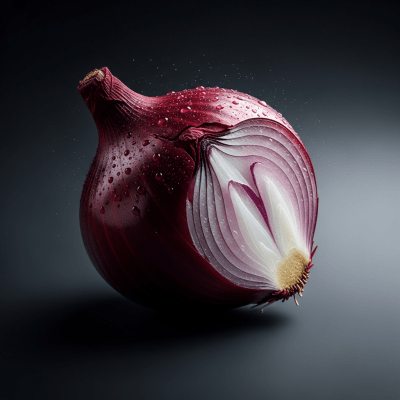
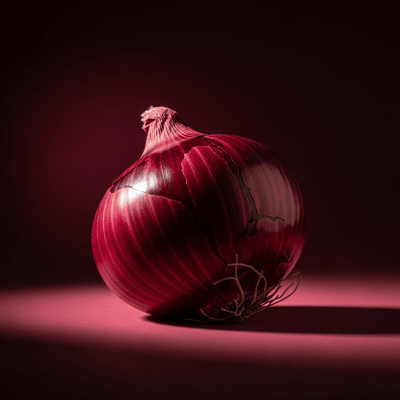
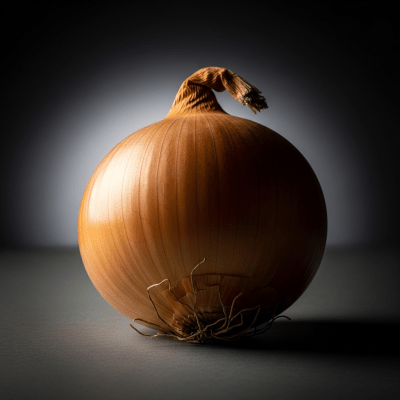
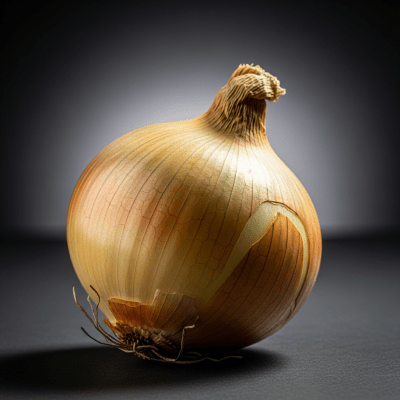
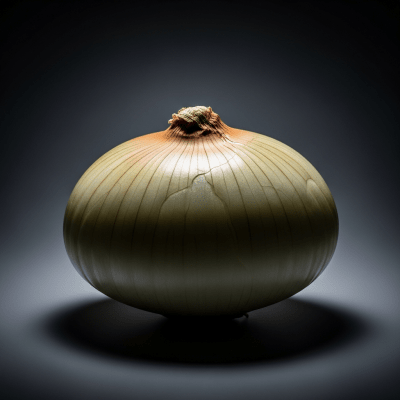
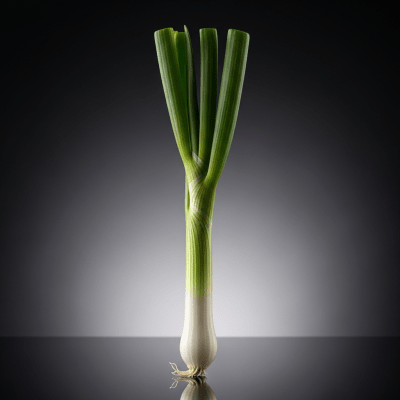
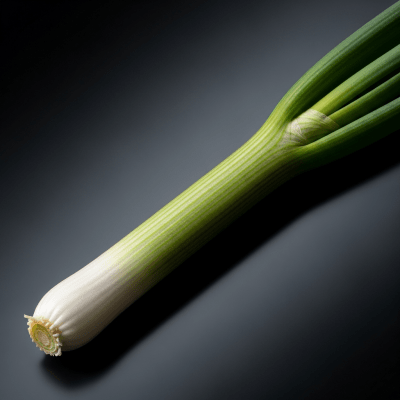
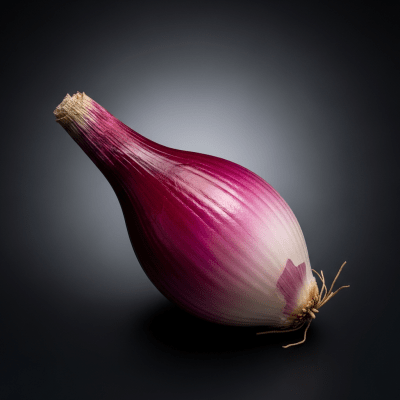
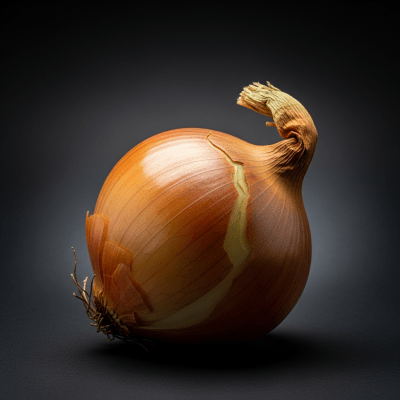
Onions typically grow as a rounded bulb underground, encased in papery skin that varies in color from golden yellow and white to deep red and purple. Their size ranges from small pearl onions to large storage types. The bulbs have layered fleshy scales that store nutrients, while green hollow leaves emerge above ground during growth.
Behavior or Usage
Onions serve multiple roles in human cuisine and agriculture. They are consumed raw, cooked, pickled, or dried, providing a distinctive pungency that enhances dishes worldwide. Beyond flavor, onions act as natural preservatives and are cultivated for fresh markets, storage, and processing. Their sulfur compounds also contribute to health benefits and characteristic eye irritation when sliced.