Origin Story
The evolutionary origins of crabs trace back over 200 million years to the Jurassic period, where early brachyuran ancestors adapted to various aquatic habitats. They diversified extensively, spreading across oceans and freshwater systems globally. This long history has shaped their remarkable adaptability and wide geographic distribution.
Classification
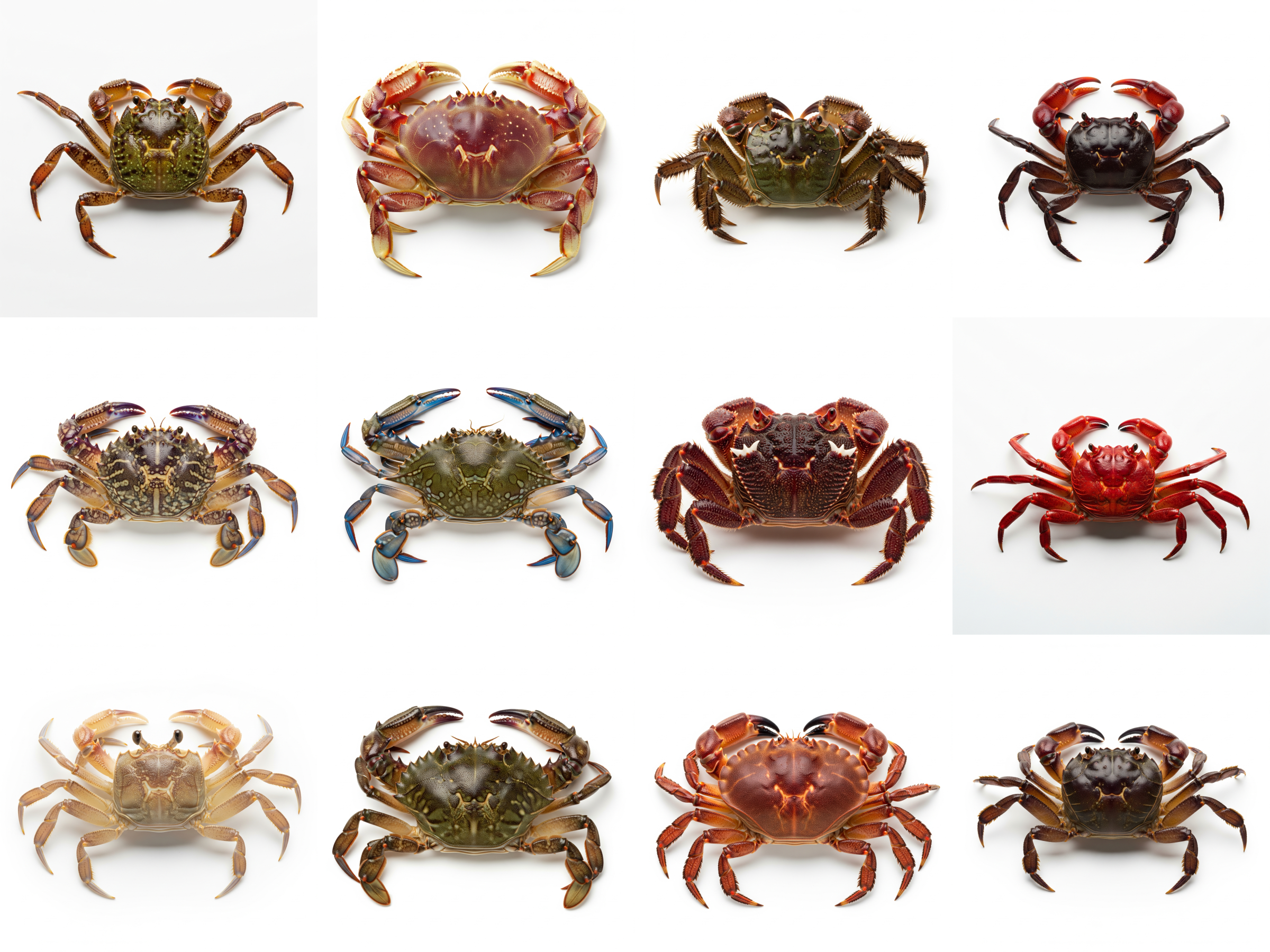
Crabs belong to the animal kingdom Animalia, phylum Arthropoda, and class Malacostraca. Within the order Decapoda, they form the infraorder Brachyura, commonly called true crabs. This group is divided into multiple superfamilies such as Portunoidea and Grapsoidea, which contain families like Portunidae and Grapsidae. Each family encompasses numerous genera and species, all sharing the defining crab morphology.
Appearance or Form
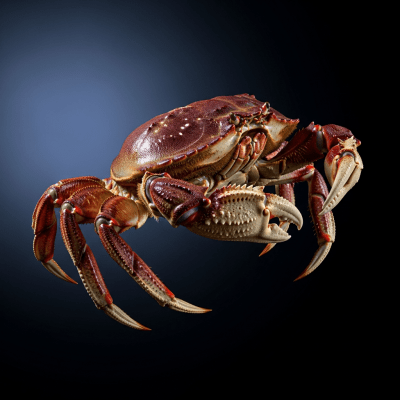
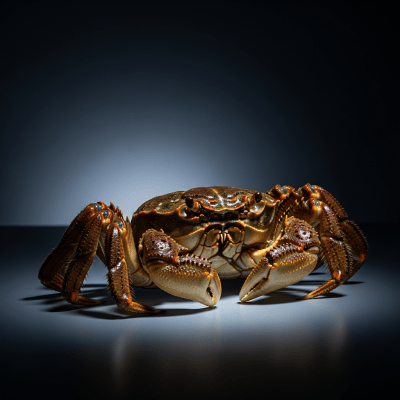
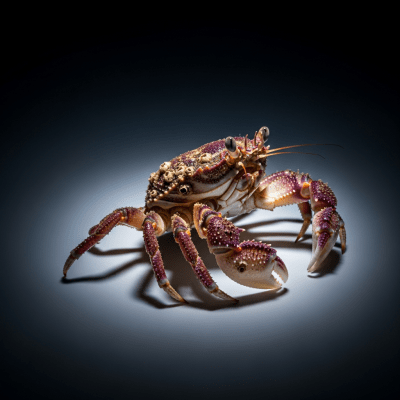
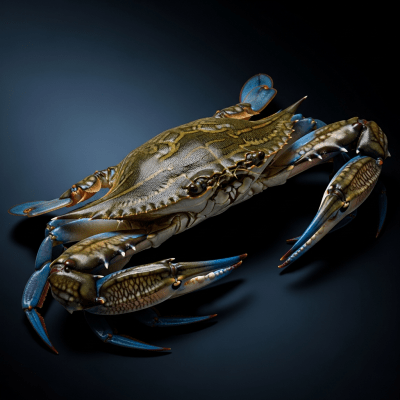
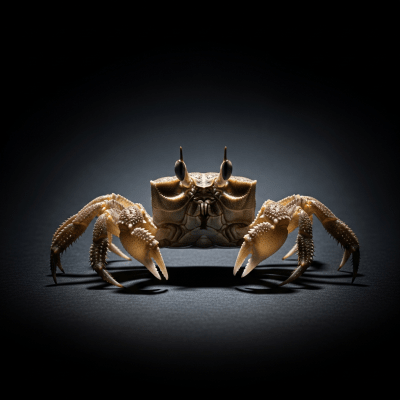
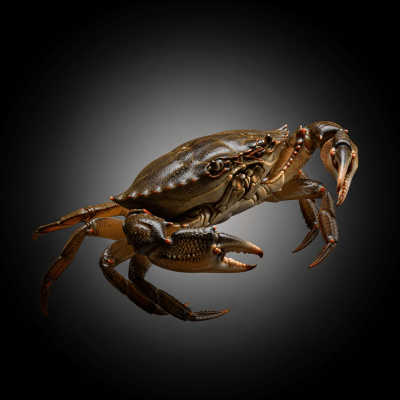
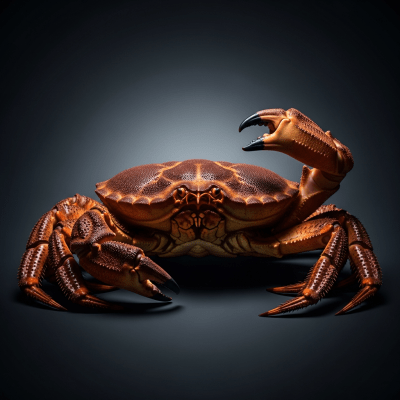
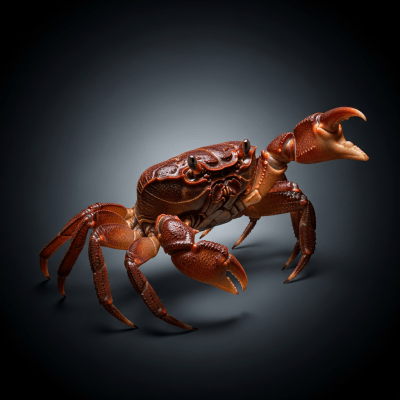
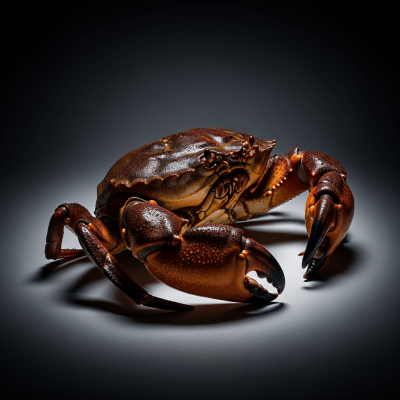
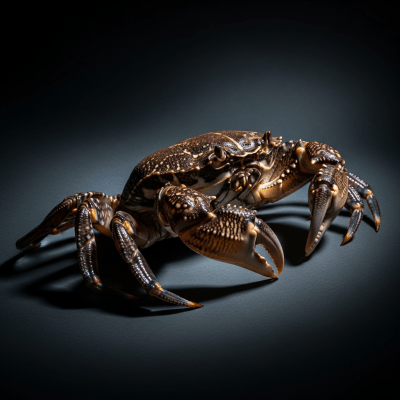
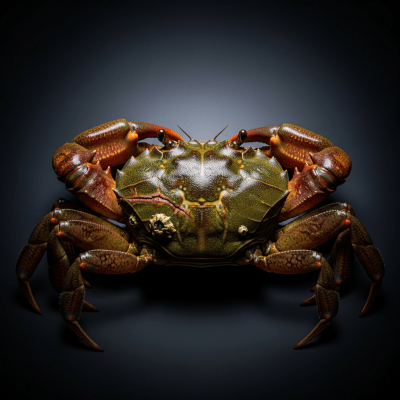
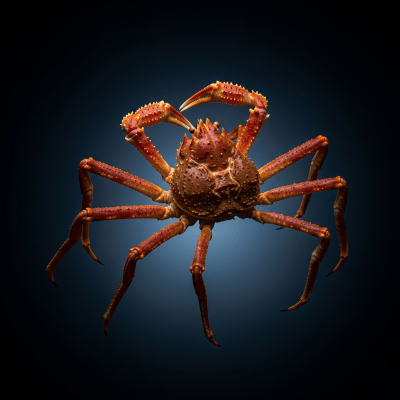
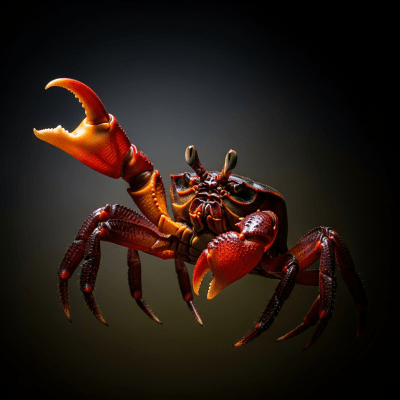
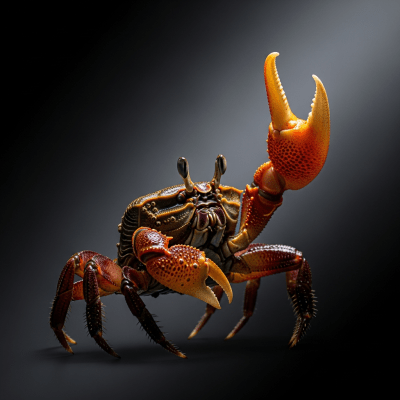
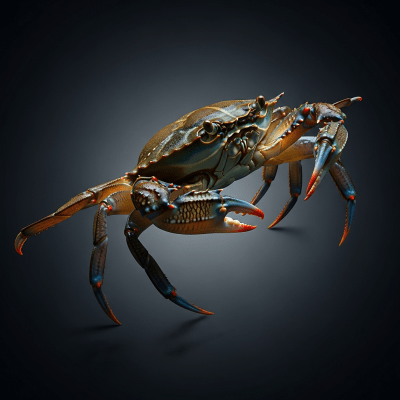
True crabs exhibit a distinctive body plan featuring a wide, flattened carapace that shields their vital organs. Their abdomen is reduced and folded beneath the thorax, giving them a compact profile. Most species have five pairs of legs, with the front pair modified into powerful claws used for defense and feeding. Their coloration and size vary widely, adapting to habitats from rocky shores to freshwater streams.
Behavior or Usage
Crabs are primarily scavengers and predators, using their claws to capture prey, manipulate objects, and defend themselves. Many species are important in nutrient cycling within their ecosystems. Humans harvest crabs extensively for food, making them a significant resource in fisheries and aquaculture worldwide. Their behavior ranges from solitary to social, with some species exhibiting complex mating rituals and territoriality.