Origin Story
The story of cheese begins thousands of years ago, likely as a serendipitous discovery when milk was stored and naturally curdled in animal skins. Over time, civilizations across Europe, the Middle East, and Asia refined cheese-making, developing distinctive styles that reflect local climates, milk sources, and culinary customs. Today, cheese is produced worldwide, with iconic varieties rooted in the landscapes and cultures of places like France, Italy, Switzerland, and beyond.
Classification
Cheeses are classified along several axes, including milk source (cow, goat, sheep, buffalo), texture (hard, semi-hard, soft, fresh), ripening and aging methods (fresh, aged, blue, washed rind), and production techniques (pressed, cooked, brined, mold-ripened). Geographic origin and legal status—such as PDO, PGI, or AOC—also play key roles in categorization, reflecting both scientific standards and regional traditions. No single system dominates; classification depends on context, whether culinary, regulatory, or technical.
Appearance or Form
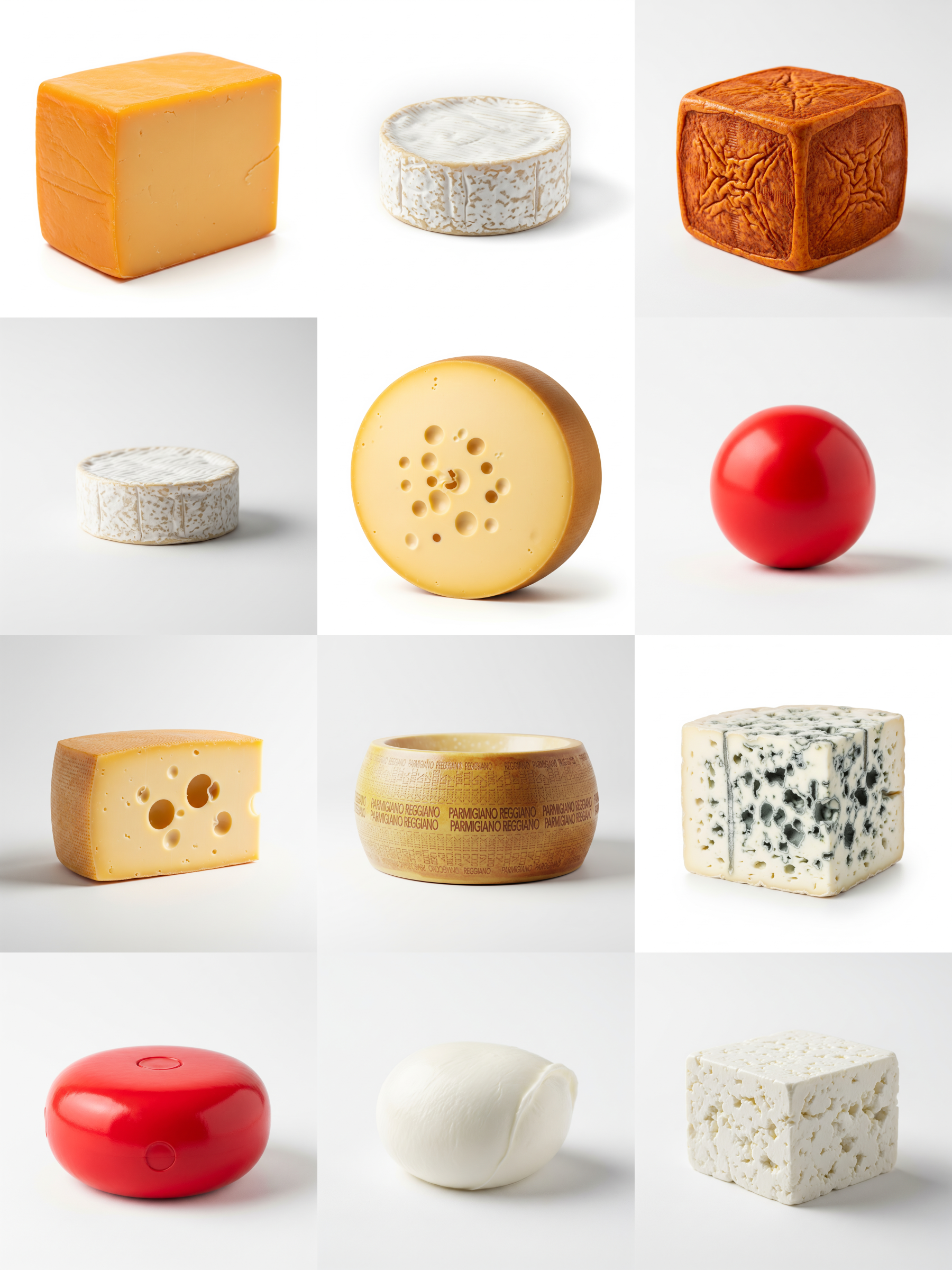
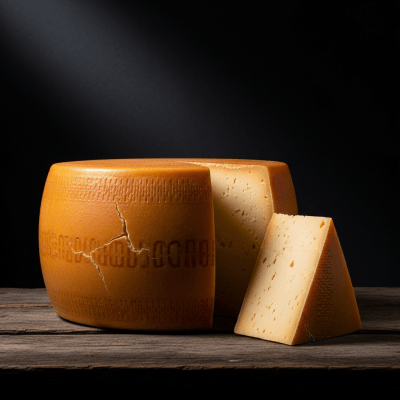
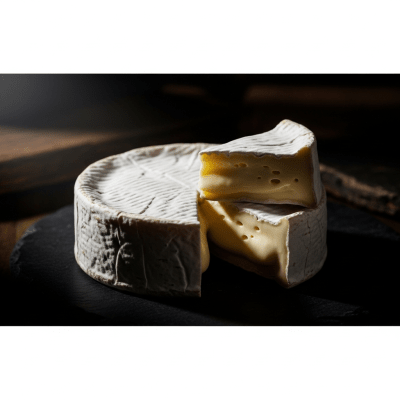
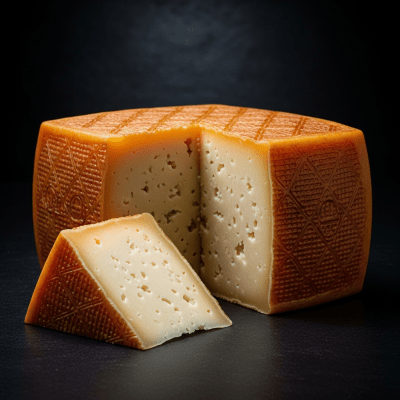
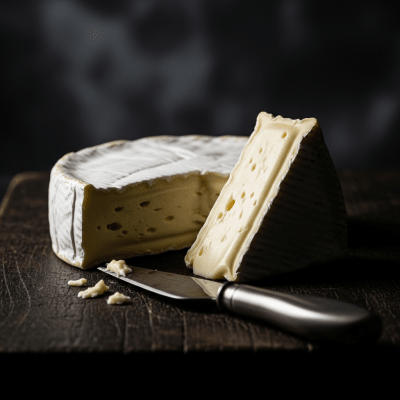
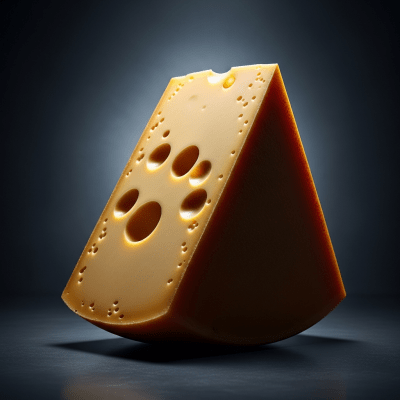
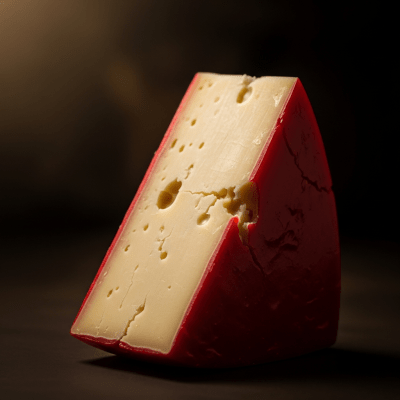
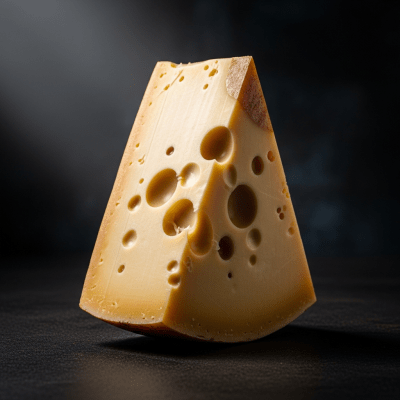
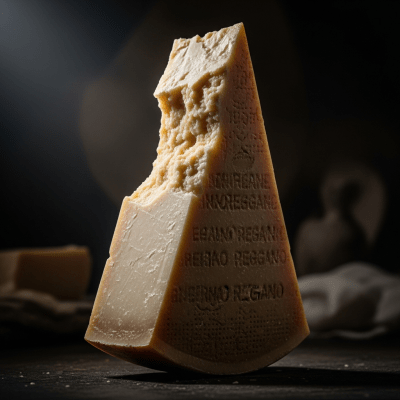
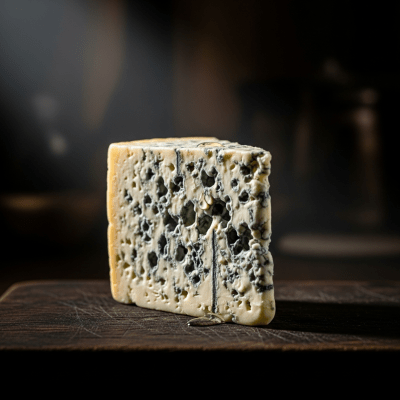
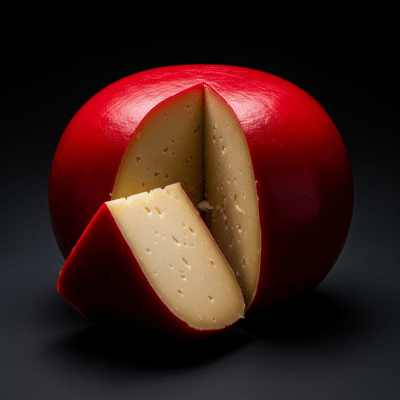
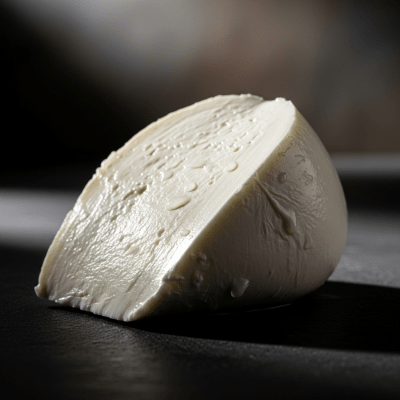
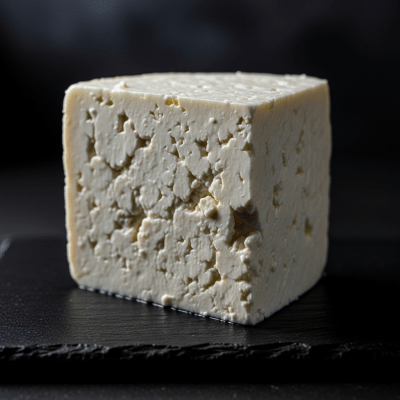
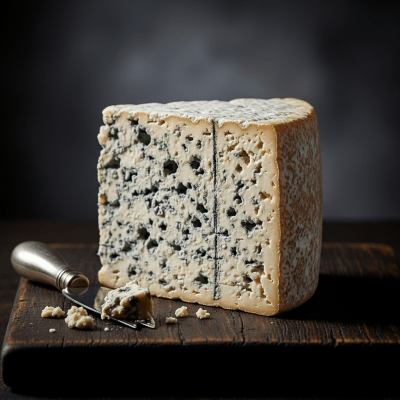
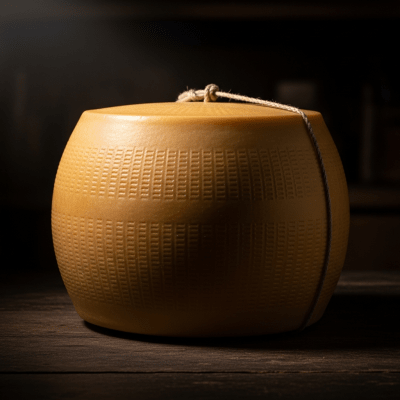
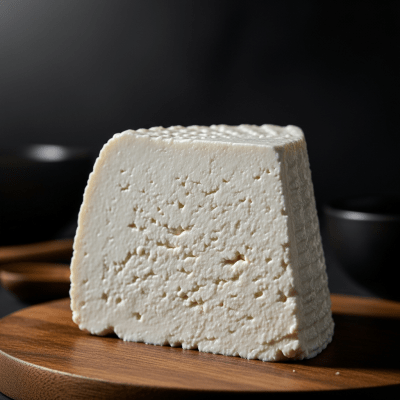
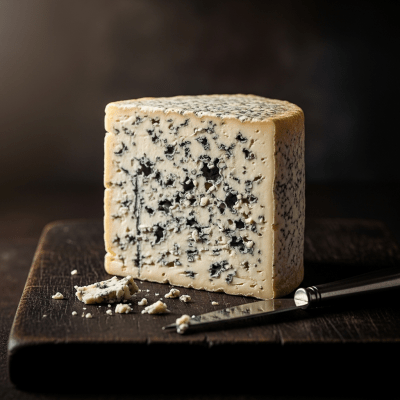
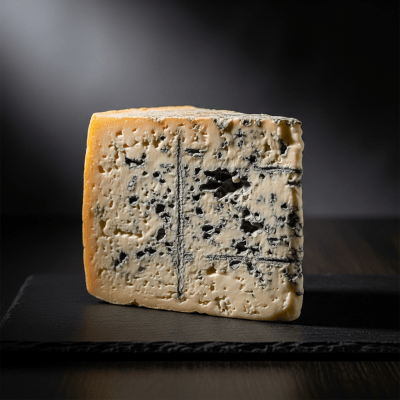
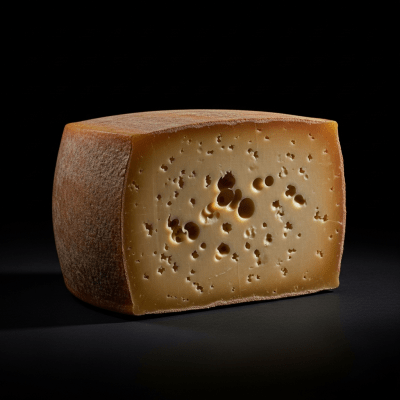
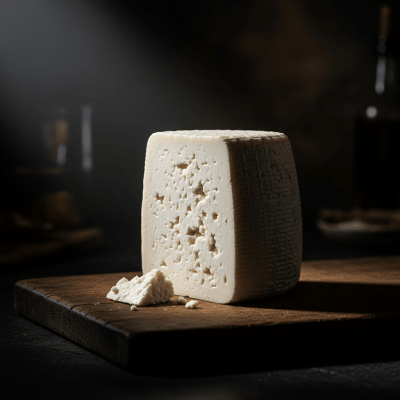
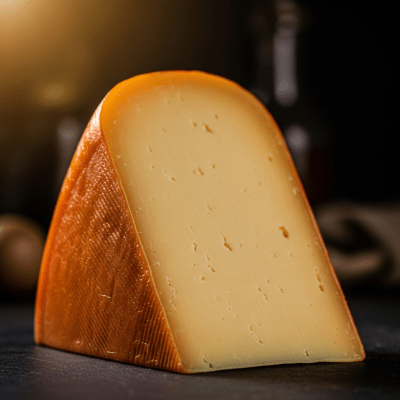
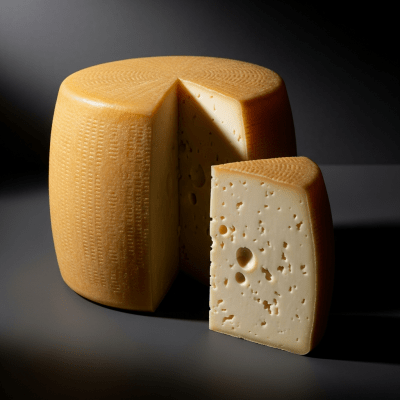
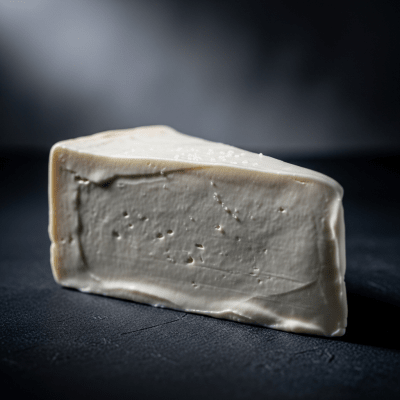
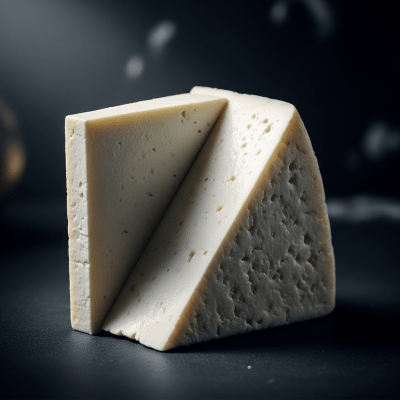
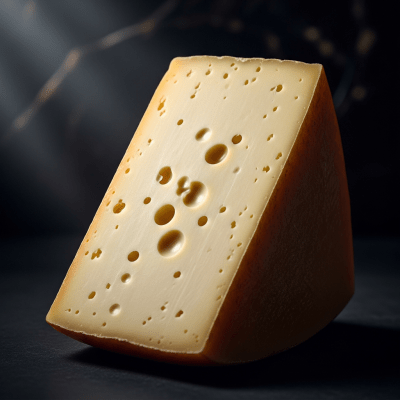
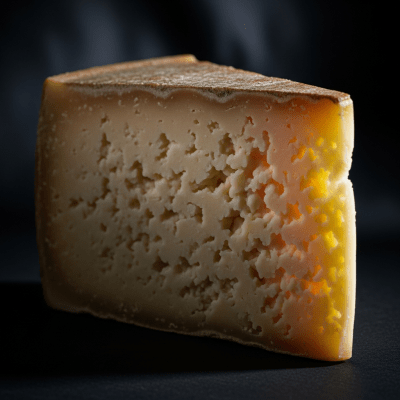
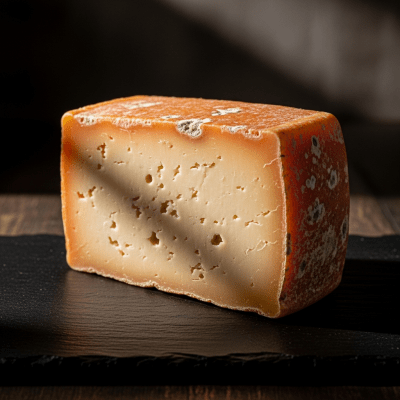
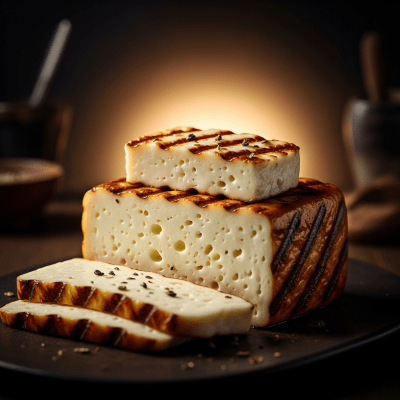
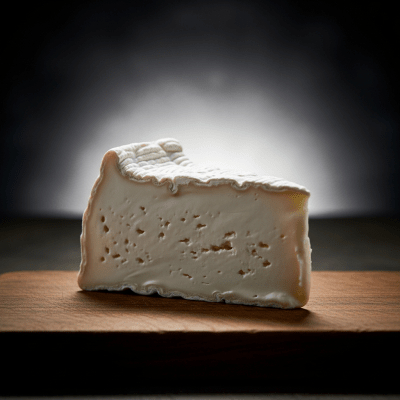
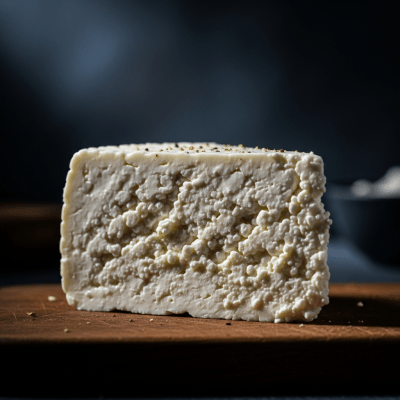
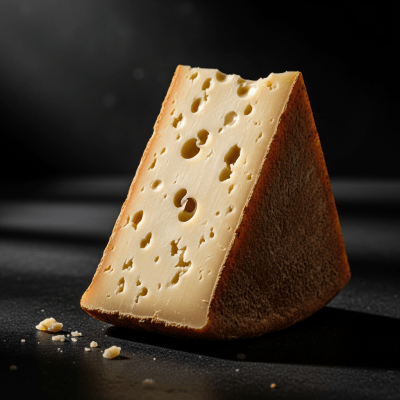
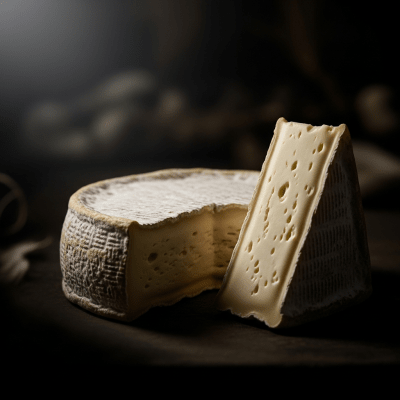
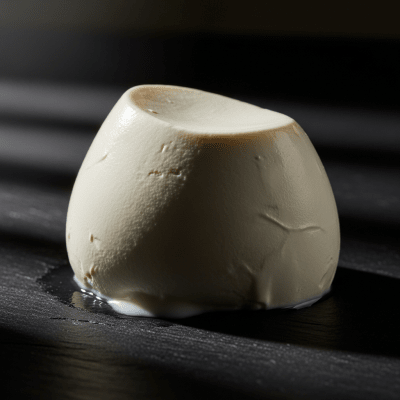
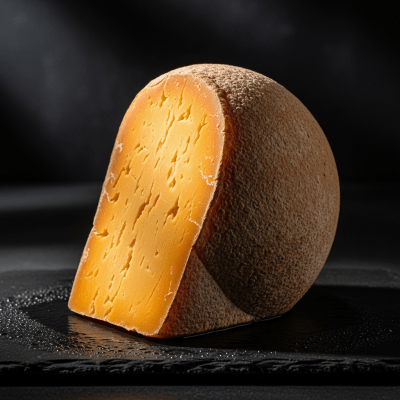
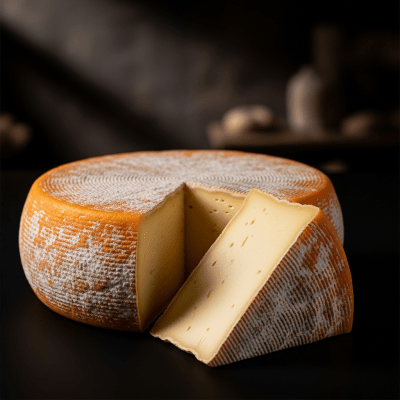
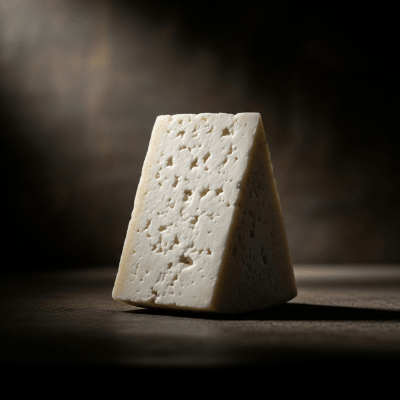
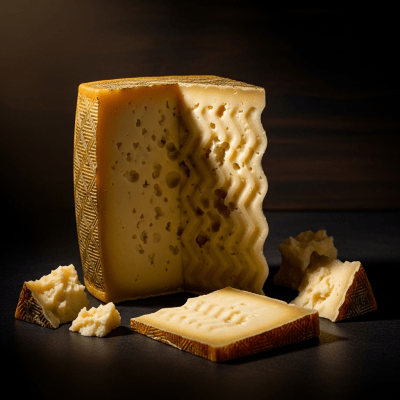
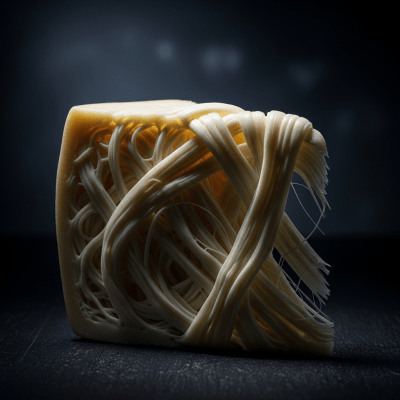
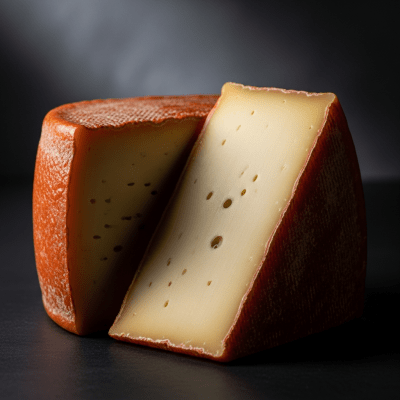
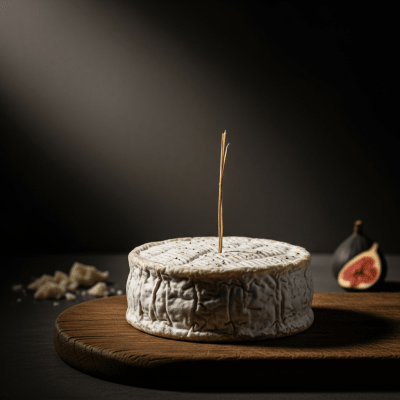
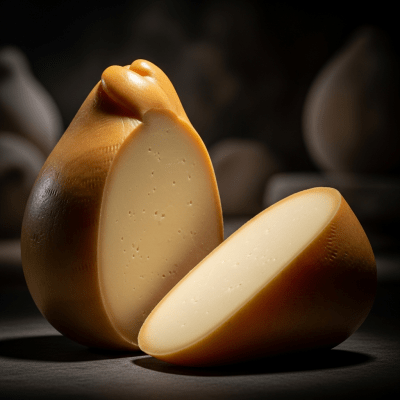
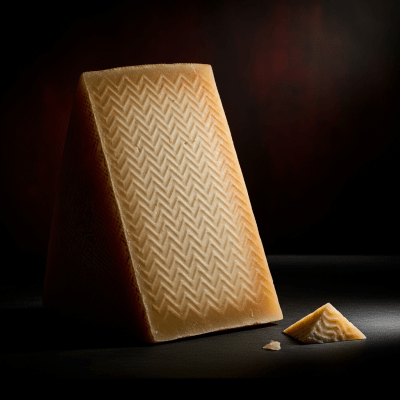
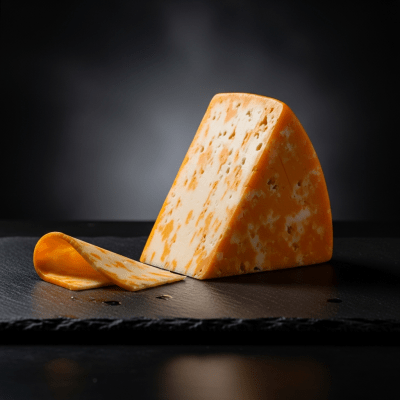
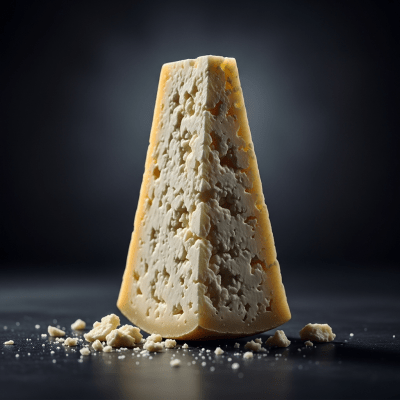
Cheeses display remarkable diversity in appearance and form. They range from creamy, spreadable fresh cheeses to firm, crumbly aged wheels. Colors span snowy whites, pale yellows, golden hues, and even blue-veined marbling. Rinds may be natural, waxed, washed, or bloomy, while shapes include rounds, blocks, pyramids, logs, or wedges. Texture varies from silky and moist to granular and crystalline, offering a rich sensory experience for sight, touch, and taste.
Behavior or Usage
Cheese serves myriad roles in human life, prized for its flavor, nutrition, and versatility. It is enjoyed as a standalone delicacy, featured in cheese boards, or incorporated into countless dishes—melting, grating, crumbling, or slicing as needed. Cheeses are essential in culinary traditions worldwide, used in cooking, baking, and pairing with wine, fruit, or bread. Their utility extends from everyday meals to festive celebrations, with each variety lending its own character to recipes and rituals.