Origin Story
The story of apples begins in Central Asia, where wild ancestors like Malus sieversii first grew. Over millennia, humans selectively bred these wild apples, leading to the domesticated Malus domestica we know today. This cultivation spread through trade routes and agricultural development, shaping the diverse varieties found worldwide.
Classification
Apples belong to the Rosaceae family, within the genus Malus. The primary cultivated species is Malus domestica, encompassing thousands of named cultivars. Classification can be botanical, focusing on species and genetic lineage, or practical, dividing apples by use such as dessert, cooking, or cider varieties. Regional and heritage groupings further enrich their taxonomy.
Appearance or Form
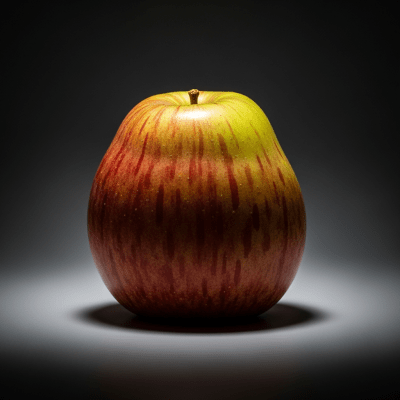
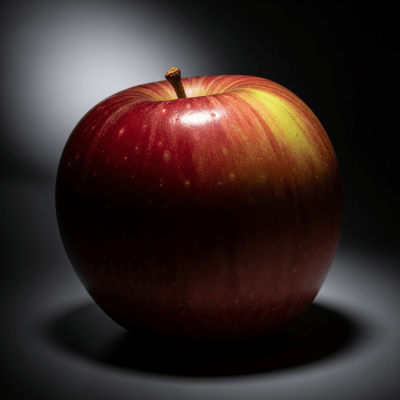
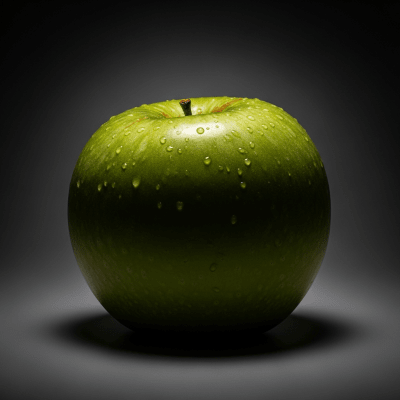
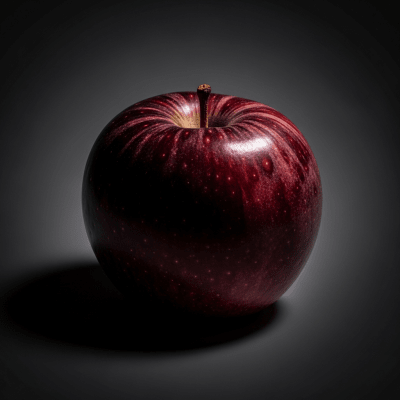
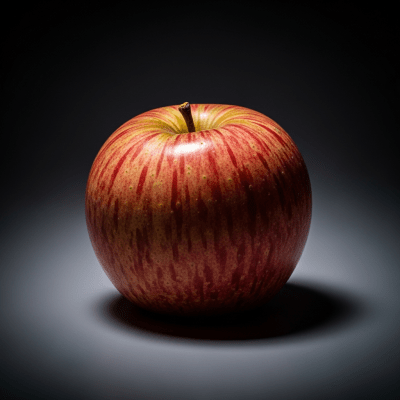
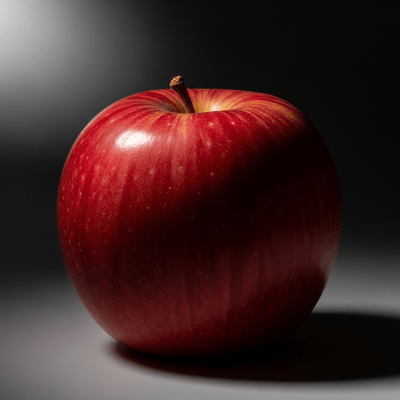
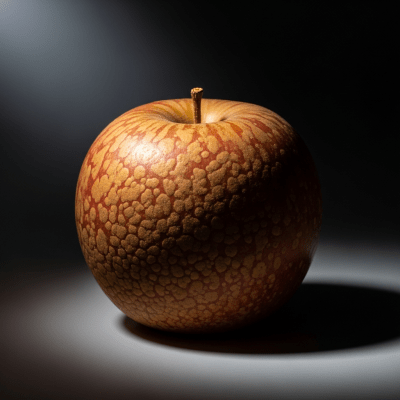
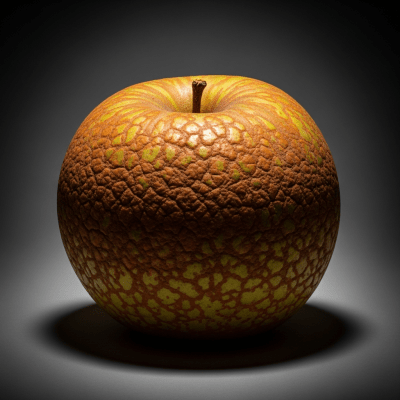
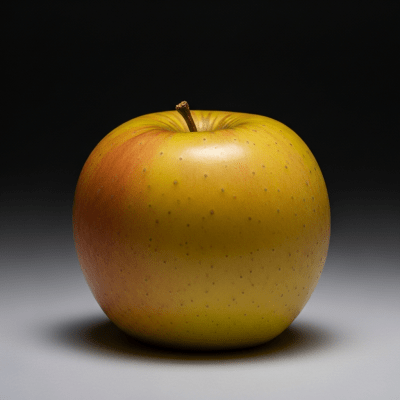
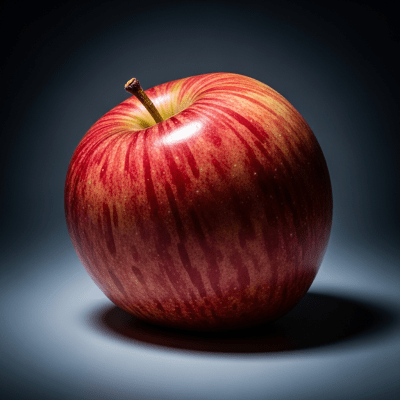
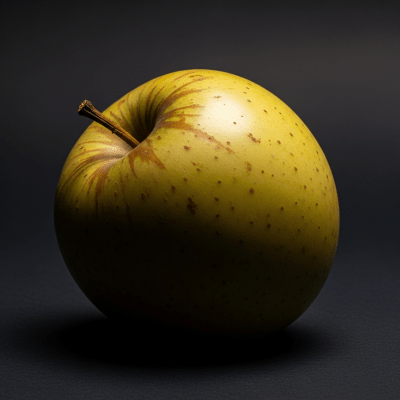
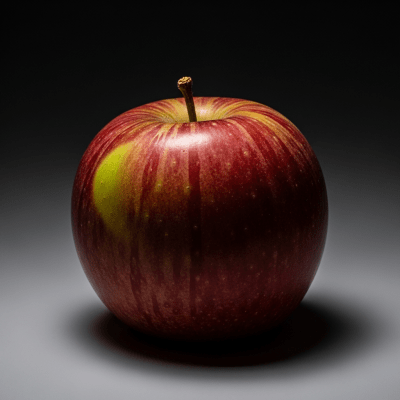
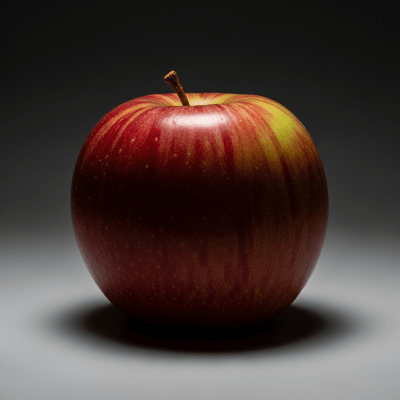
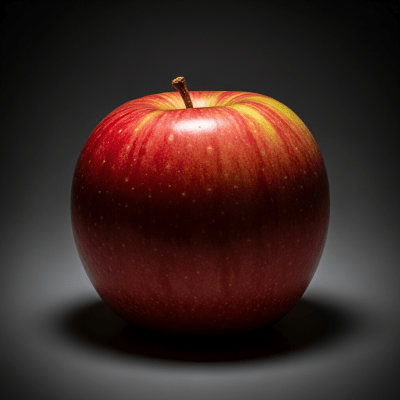
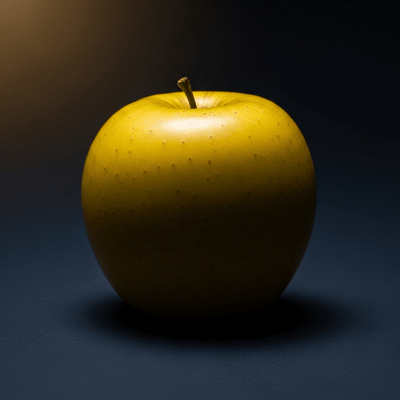
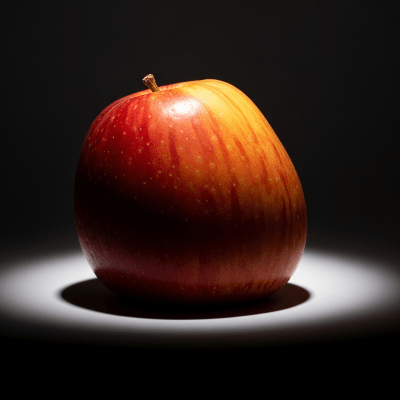
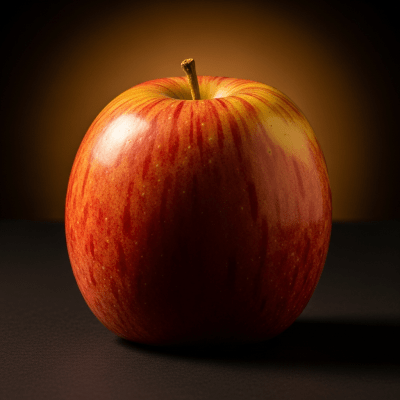
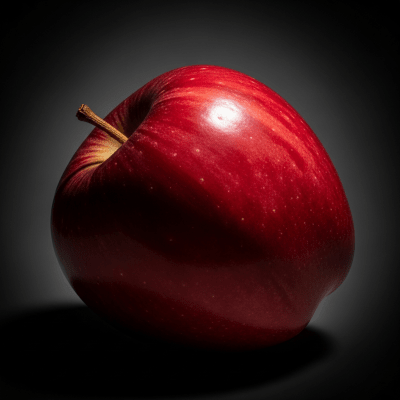
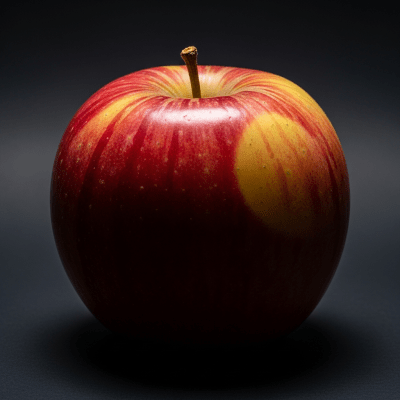
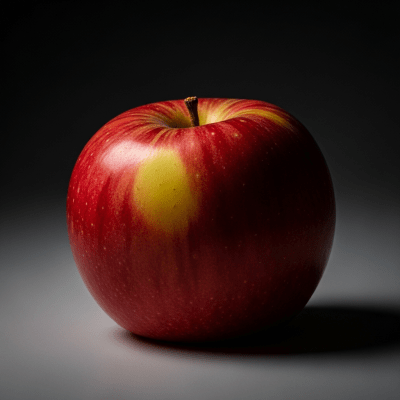
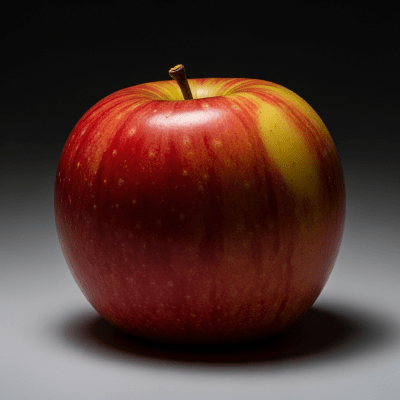
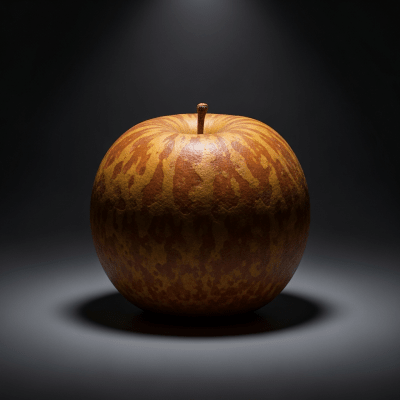
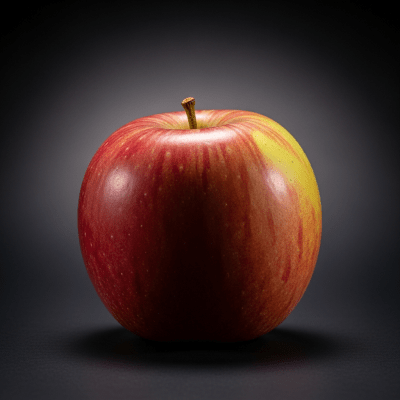
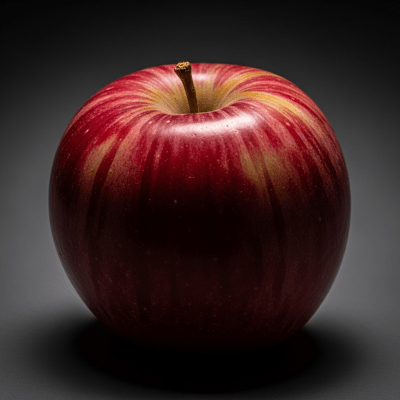
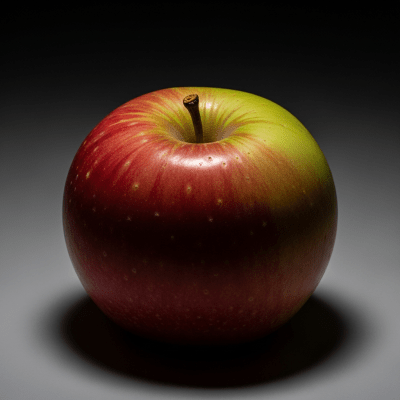
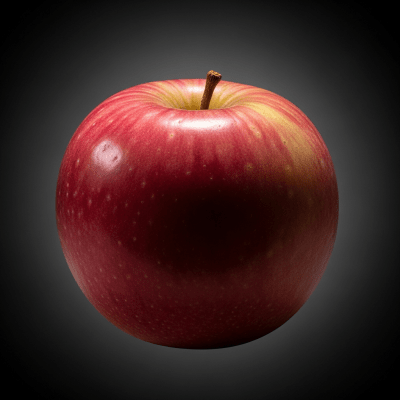
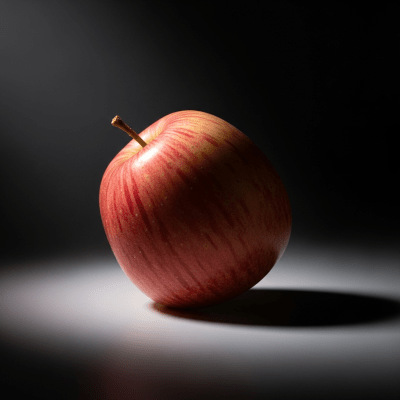
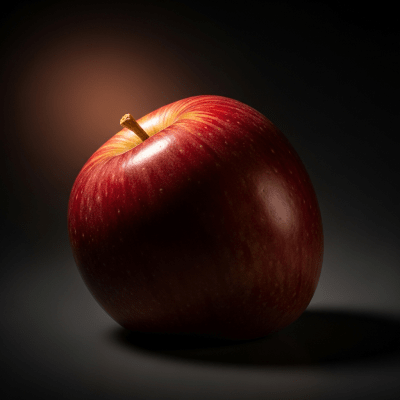
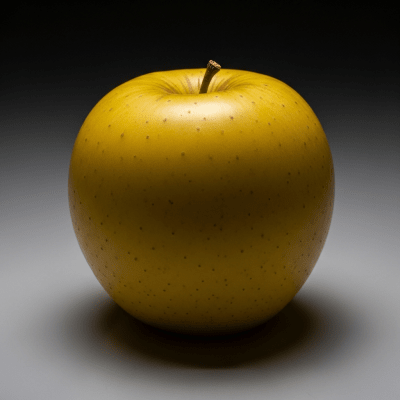
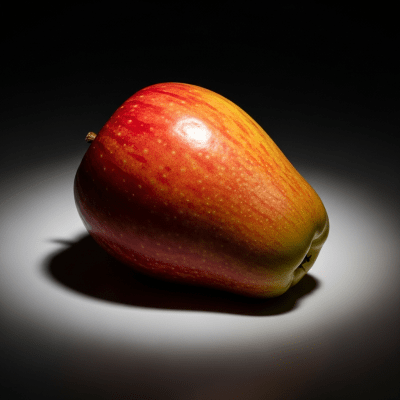
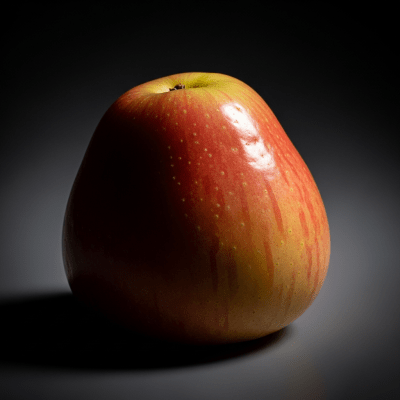
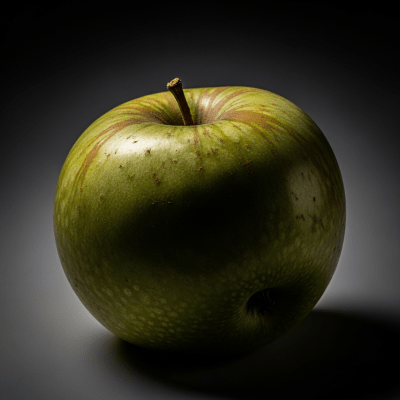
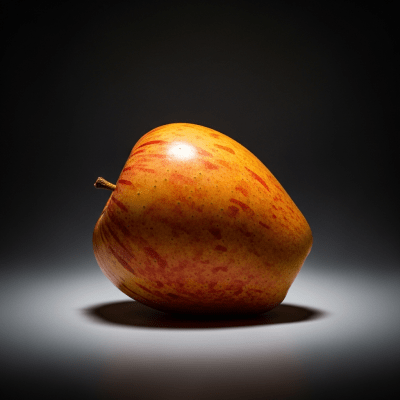
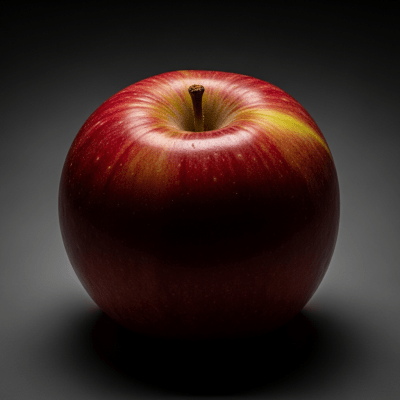
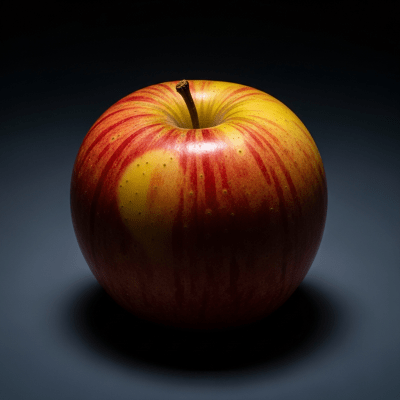
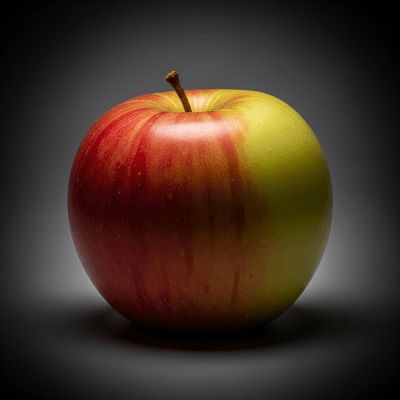
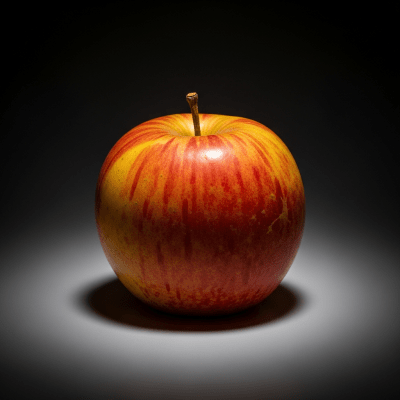
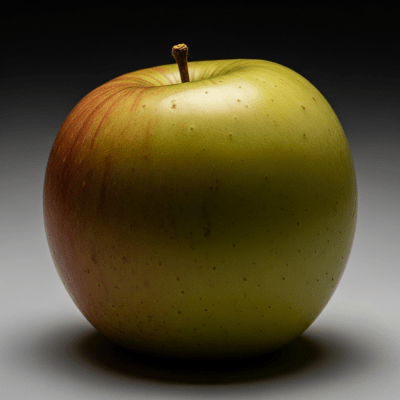
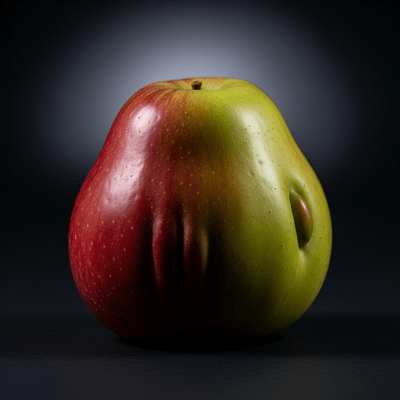
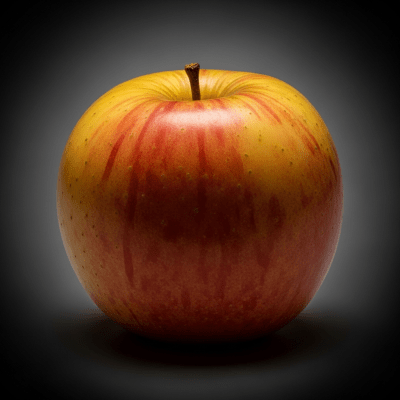
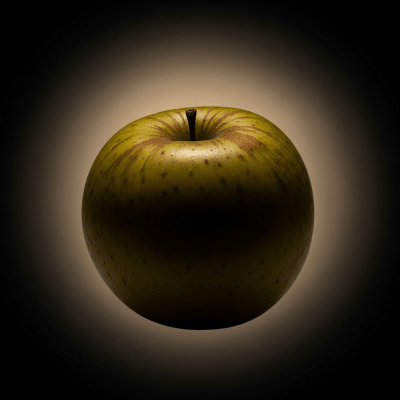
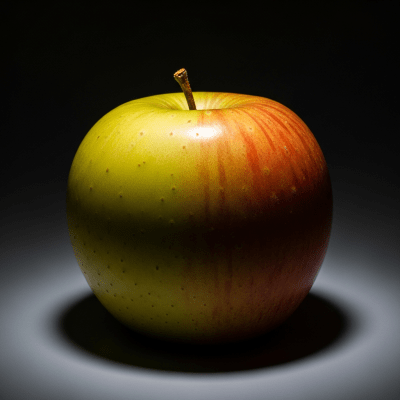
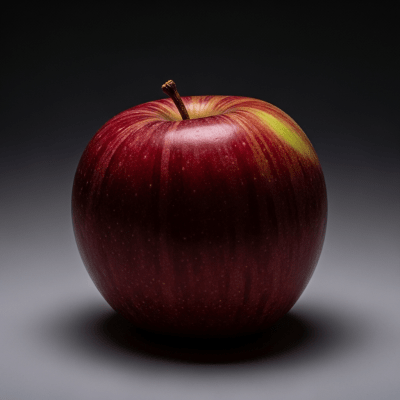
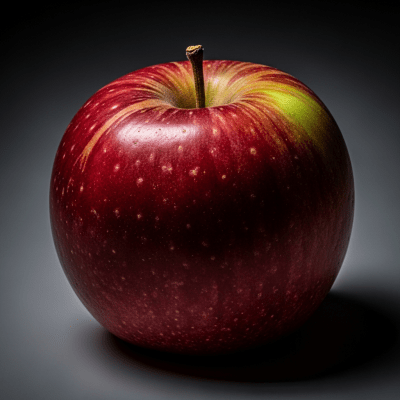
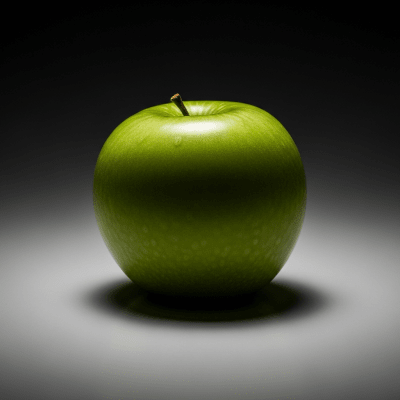
Apples typically present as round or slightly oval fruits with smooth skin that varies in color from green and yellow to shades of red and bi-color blends. Their flesh is firm to crisp, juicy, and ranges from sweet to tart. The fruit’s size, shape, and coloration often reflect its cultivar and intended use.
Behavior or Usage
Apples serve multiple roles in human life: eaten fresh as dessert apples, cooked into dishes, or fermented into cider. Their adaptability extends to baking, sauces, and preservation. Beyond culinary uses, apples contribute to agriculture through breeding programs aimed at improving flavor, disease resistance, and storage life.