Continental Volcano
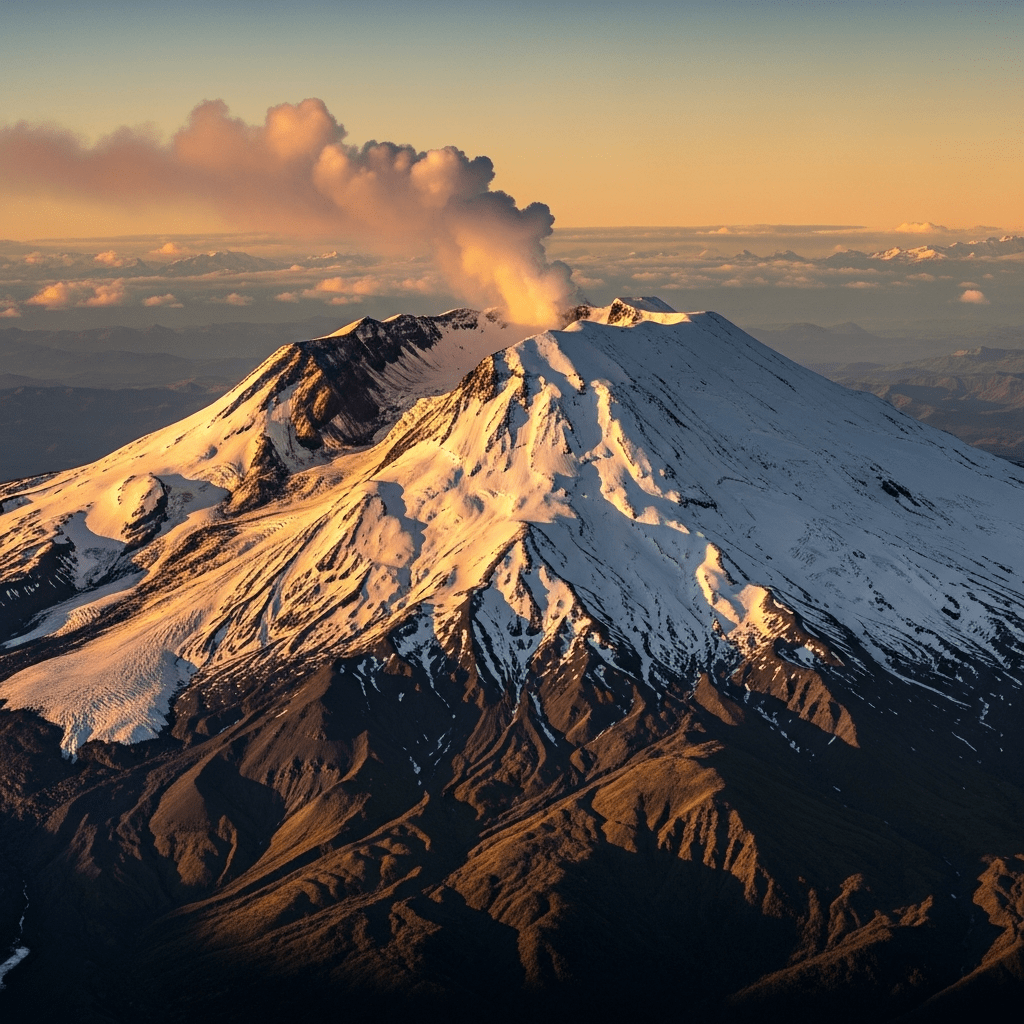
A continental volcano is a volcanic feature formed on continental crust, exhibiting diverse shapes and eruption styles that profoundly shape terrestrial landscapes.
A continental volcano is a volcanic feature formed on continental crust, exhibiting diverse shapes and eruption styles that profoundly shape terrestrial landscapes.
The term "continental volcano" emerged alongside the development of plate tectonics and continental drift theory in the early 20th century. It describes volcanoes forming on continental crust rather than oceanic crust. Historic eruptions such as Mount Vesuvius in AD 79 and ongoing scientific study of volcanoes like Mount St. Helens and Mount Erebus have anchored the concept in geological research and hazard monitoring.
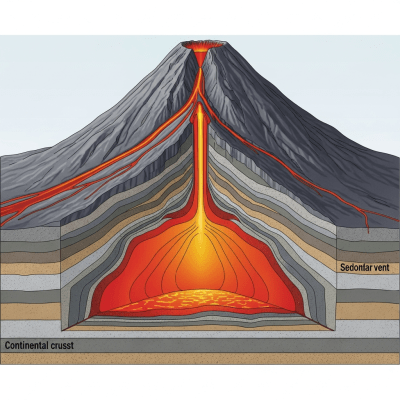
Continental volcanoes belong to a broad family of volcanic landforms categorized by their location on continental crust. They encompass multiple morphological types including stratovolcanoes, shield volcanoes, calderas, and cinder cones, reflecting a wide range of magma compositions and eruption behaviors within the global volcanic taxonomy.
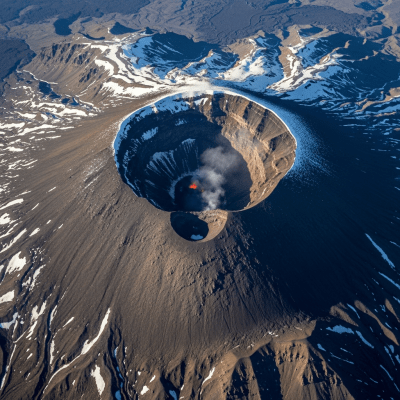
These volcanoes display varied forms, from the steep, layered cones of stratovolcanoes to the broad, gently sloping profiles of shield volcanoes. Their compositions typically range from andesitic to rhyolitic magma, often resulting in complex summit craters, extensive lava flows, and pyroclastic deposits. Elevations vary widely, with some peaks soaring above 4,000 meters, and some summits capped by ice or persistent lava lakes.
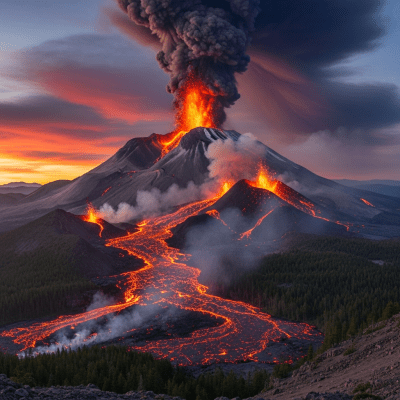
Continental volcanoes actively shape their environments through a spectrum of eruption styles, from explosive Plinian blasts to steady effusive lava flows. Their activity influences ecosystems, water systems, and human settlements, while also providing geothermal energy and fertile soils. They are closely monitored due to their potential hazards and impact on nearby populations.
Bring this kind into your world � illustrated posters, mugs, and shirts.

Archival print, museum-grade paper
Buy Poster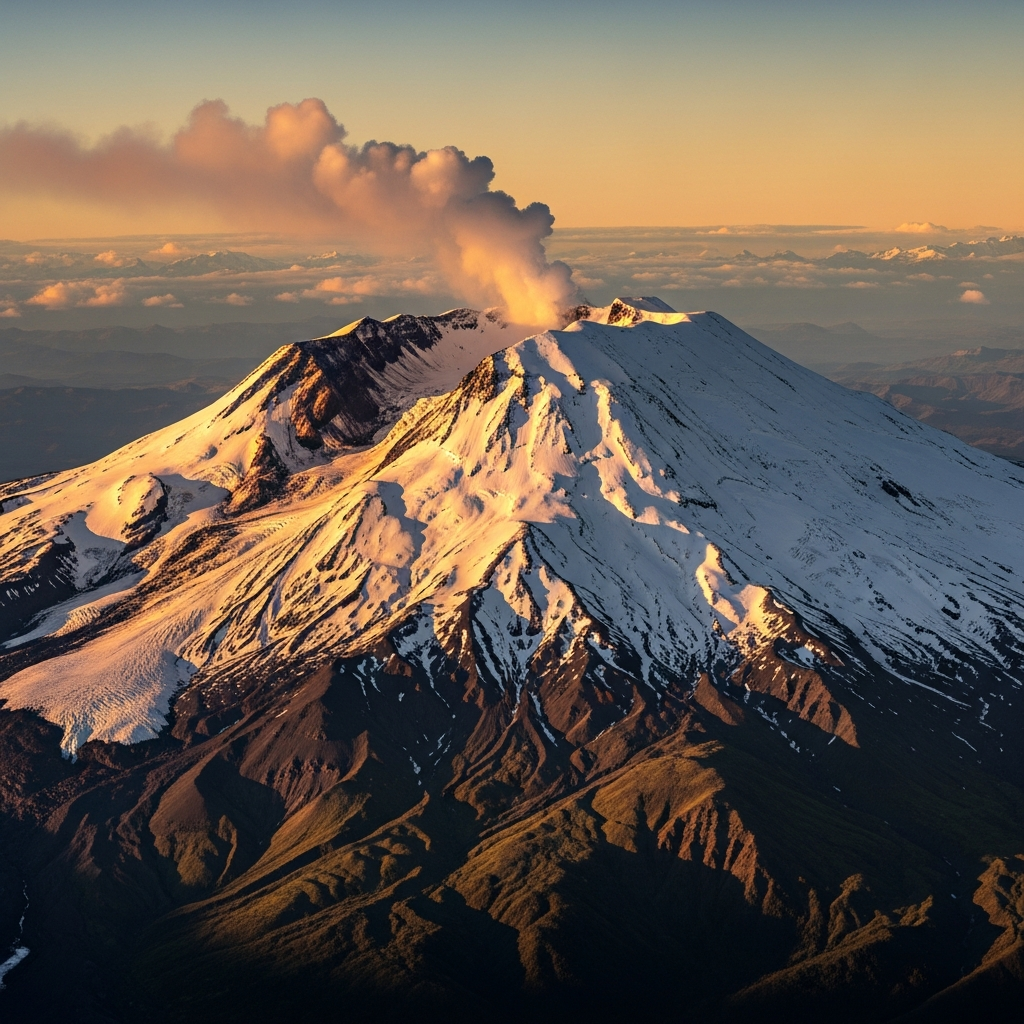
Stoneware mug, dishwasher safe
Buy Mug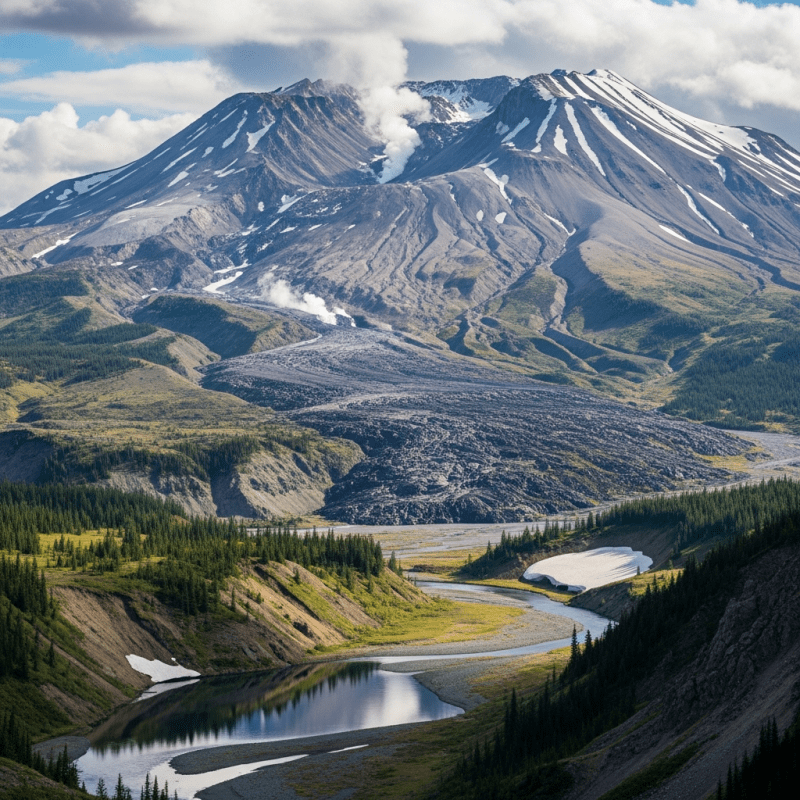
Soft cotton tee, unisex sizes
Buy ShirtThroughout history, continental volcanoes have inspired myths, art, and cultural narratives, symbolizing both creation and destruction. Famous eruptions have shaped human history and collective memory, while these volcanoes continue to feature prominently in modern culture, tourism, and scientific exploration.
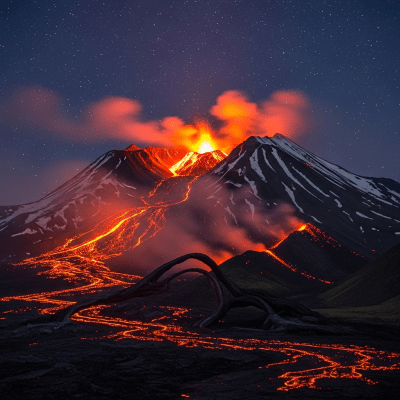
Continental volcanoes exhibit a wide range of eruption styles. Explosive Plinian eruptions produce towering ash columns and pyroclastic flows, exemplified by Mount Vesuvius. Others, like Mount Erebus, feature effusive lava lake activity, with steady outpourings of molten rock. This diversity reflects variations in magma composition and tectonic setting.

These volcanoes pose multiple hazards including ashfall that can disrupt air travel and agriculture, pyroclastic flows that devastate nearby areas, lahars or volcanic mudflows triggered by rainfall or melting ice, and emissions of volcanic gases harmful to health and the environment.
Continental volcanoes are closely monitored using seismic sensors, gas analyzers, satellite imagery, and ground deformation measurements. These tools help predict eruptions and guide evacuation plans, minimizing risk to populations. Agencies like the USGS and international partners coordinate hazard assessments and public safety communications.
Over time, continental volcanoes profoundly reshape landscapes by building mountains, creating fertile soils, and altering drainage patterns. Their eruptions contribute to atmospheric changes and influence climate on local and global scales. The resulting landforms support diverse ecosystems and affect human settlement patterns.