Bell Pepper
Bell pepper is a crisp, sweet, and vibrantly colored vegetable widely enjoyed in cuisines around the world for its versatility and nutritional benefits.
Bell pepper is a crisp, sweet, and vibrantly colored vegetable widely enjoyed in cuisines around the world for its versatility and nutritional benefits.
Originating in Central and South America, bell peppers (Capsicum annuum) have been cultivated for over 6,000 years. After their domestication from wild Capsicum species, they were introduced to Europe during the Columbian Exchange in the late 15th and early 16th centuries. Modern breeding has focused on enhancing size, color, disease resistance, and yield, resulting in the diverse varieties available today.
Botanically, bell pepper belongs to the family Solanaceae, genus Capsicum, and species annuum. Though technically a fruit (berry), it is universally classified as a vegetable in culinary contexts, reflecting its savory use and cultural conventions. Bell pepper is grouped with other edible plant parts commonly consumed in savory dishes, aligning with the broader vegetable taxonomy.
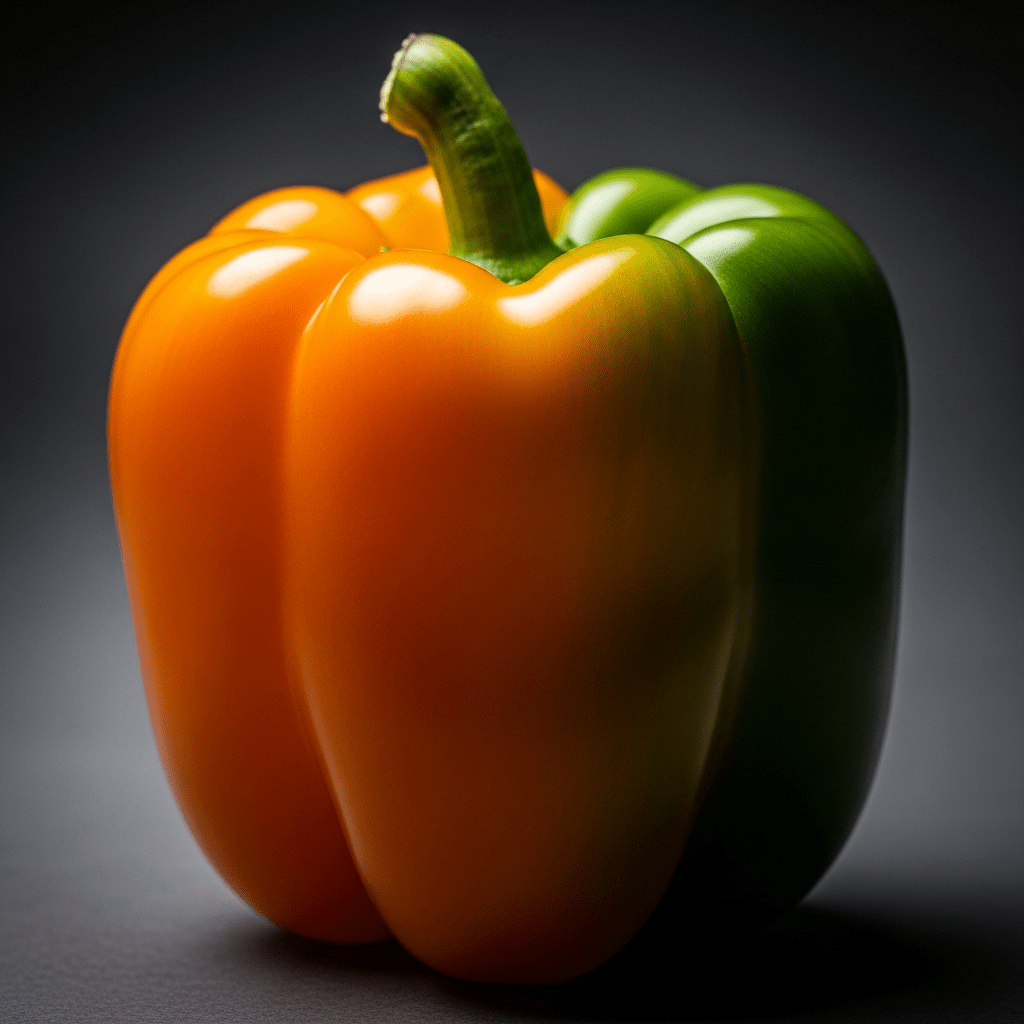
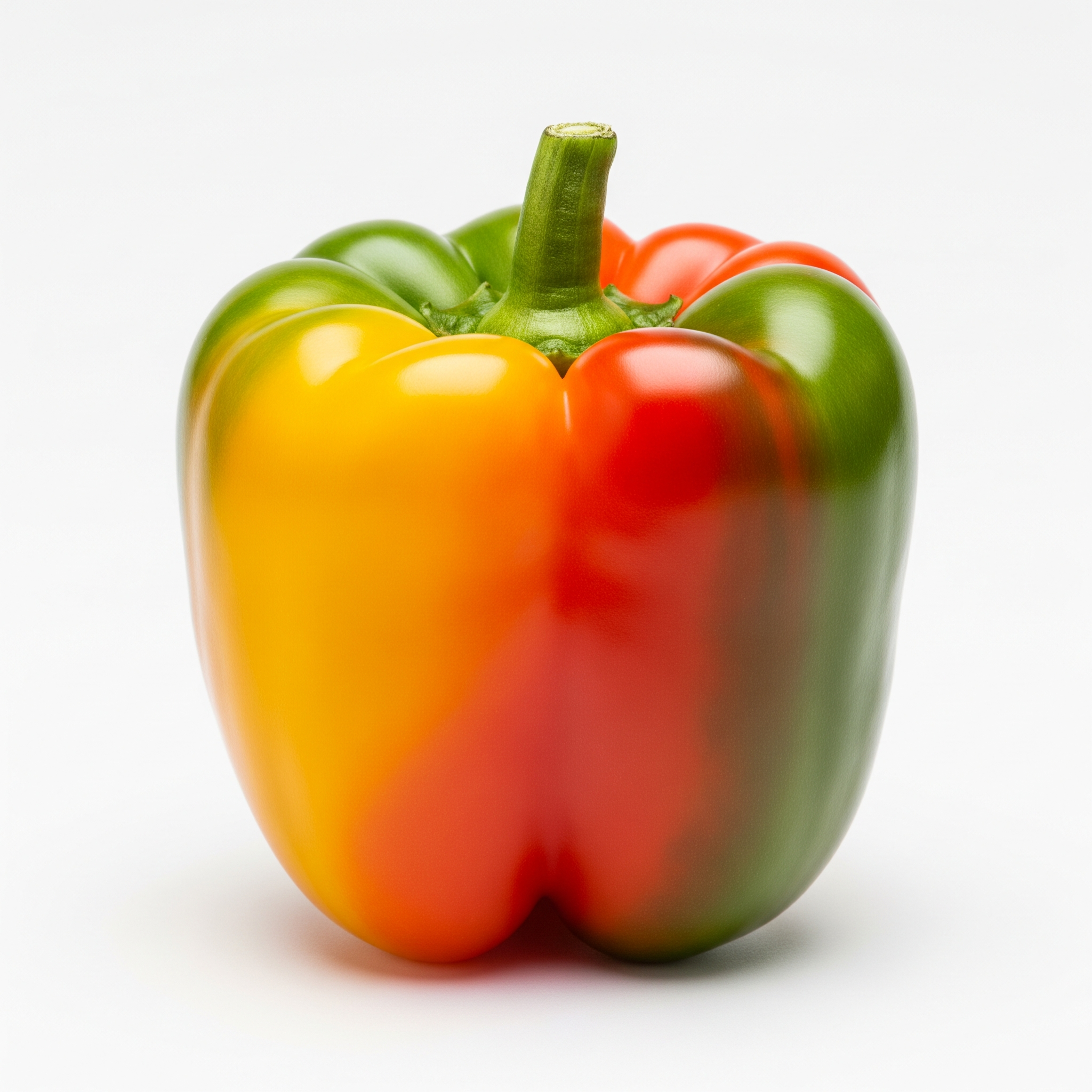
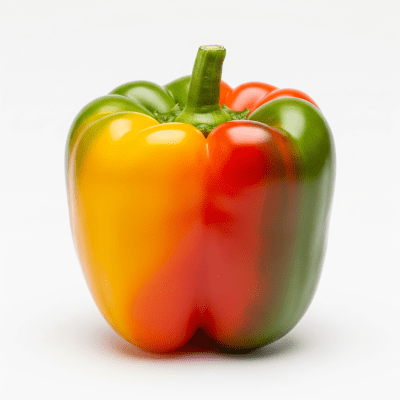
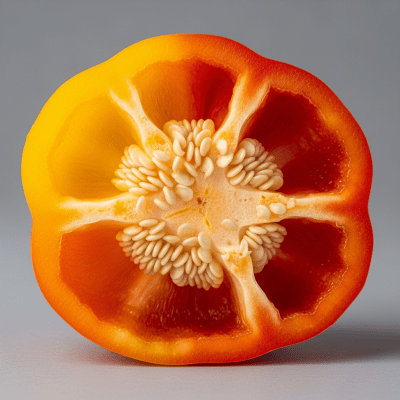
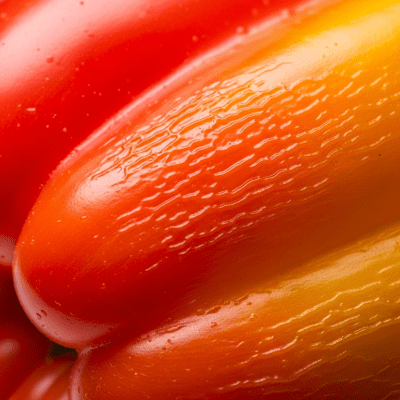
Bell peppers are recognized for their glossy, blocky shape, typically featuring three to four lobes. The fruit measures 5–15 cm in length and 4–10 cm in width, with thick, crisp, and juicy flesh. Their color palette is striking—ranging from green (immature) to red, yellow, orange, purple, brown, or even white as they mature. The flavor is sweet and lacks the pungency found in hot peppers.
Bell peppers are highly versatile in the kitchen, consumed raw, cooked, roasted, grilled, or stuffed. Their mild sweetness and crunchy texture make them ideal for salads, stir-fries, sauces, and garnishes. They are a staple ingredient in dishes such as ratatouille, fajitas, and stuffed peppers, and are also processed into frozen, canned, pickled, or dried forms for extended use.
Bring this kind into your world � illustrated posters, mugs, and shirts.
Archival print, museum-grade paper
Buy Poster
Stoneware mug, dishwasher safe
Buy Mug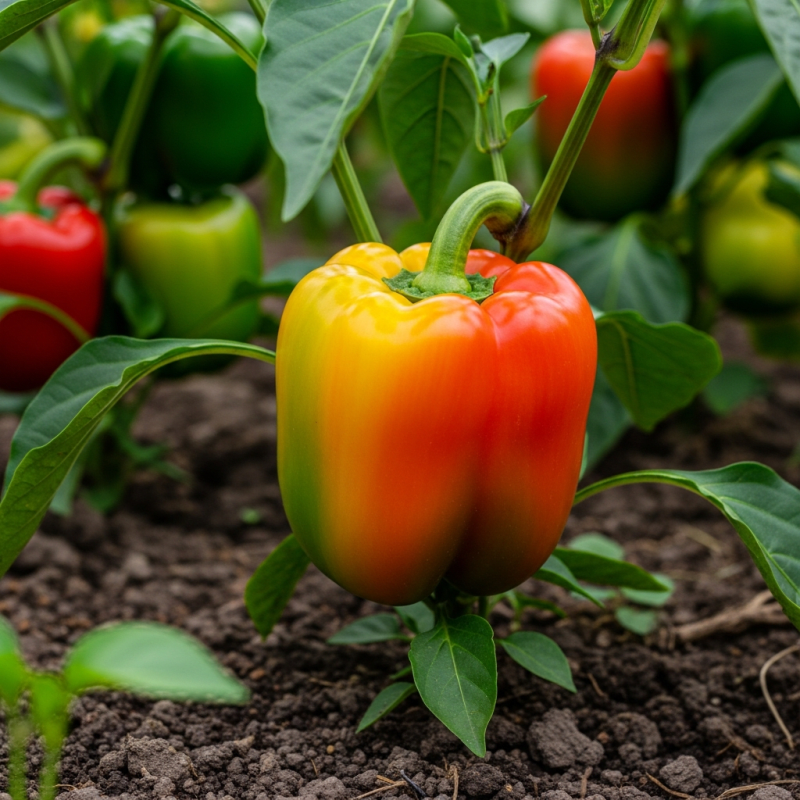
Soft cotton tee, unisex sizes
Buy ShirtBell peppers hold a prominent place in global culinary traditions, symbolizing freshness and vibrancy. They feature in iconic dishes across continents, from Mediterranean ratatouille to Latin American salsas and Asian stir-fries. Regional naming conventions—such as "capsicum" in Commonwealth countries and "poivron" in France—reflect their widespread cultural integration and culinary importance.
Bell peppers are celebrated for their high vitamin C content, providing more than twice the daily recommended value in a single serving. They are also a good source of dietary fiber, vitamin A, and antioxidants, while being low in calories and fat. These attributes make bell peppers a popular choice for health-conscious diets and balanced nutrition.
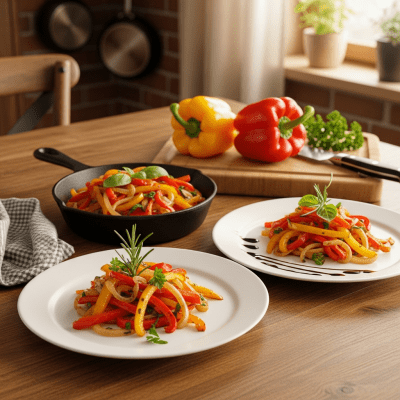
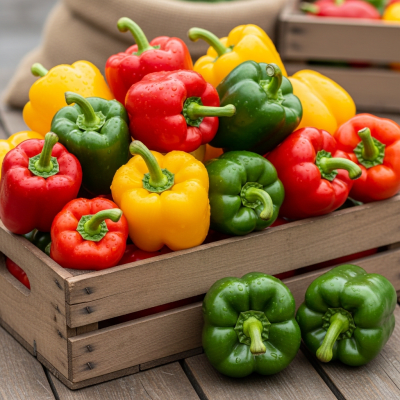
Bell peppers shine in a variety of preparations: sliced raw in salads, sautéed in stir-fries, roasted for smoky sweetness, grilled for depth of flavor, or stuffed with grains and meats. They are essential in dishes like ratatouille, fajitas, and antipasto, and are frequently used as colorful garnishes or incorporated into sauces and dips. Their adaptability extends to processed forms such as frozen, canned, pickled, or dried products.
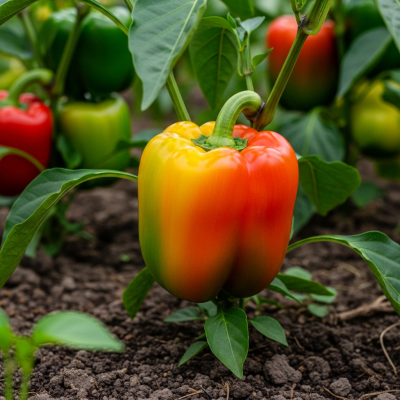
Bell peppers thrive in warm climates with optimal temperatures between 21–29°C. They require well-drained soil, regular irrigation, and careful post-harvest handling to prevent shriveling and decay. Commercial yields average 15–30 tons per hectare. While susceptible to bacterial spot, mosaic viruses, and fungal rots, disease-resistant cultivars have been developed to support reliable production. Storage life is typically 1–2 weeks under refrigeration.
Bell peppers are vulnerable to bacterial spot, mosaic viruses, and fungal rots, which can impact yield and quality. However, many modern cultivars offer improved resistance to these threats, supporting healthier crops and more consistent harvests for growers.
Regional naming and usage of bell peppers vary widely: "capsicum" in the UK, Australia, and India; "paprika" in parts of Europe; "poivron" in France; "pepper" in North America; and "pimiento" in Spanish-speaking regions. These differences reflect local culinary traditions and linguistic preferences, but all refer to the same versatile vegetable.
Choose bell peppers with firm, glossy skin and vibrant color, free from soft spots or wrinkles. Store unwashed peppers in the refrigerator’s crisper drawer for up to two weeks. For longer preservation, consider freezing, pickling, or drying. Proper post-harvest handling is essential to maintain freshness and prevent decay.