
Tank Truck
A tank truck is a specialized vehicle designed to transport bulk liquids, gases, or dry materials using a cylindrical or elliptical tank mounted on a truck chassis.
A tank truck is a specialized vehicle designed to transport bulk liquids, gases, or dry materials using a cylindrical or elliptical tank mounted on a truck chassis.
Originating in the early 20th century, tank trucks evolved alongside advances in vehicle design and industrial transport needs. Early models laid the groundwork for modern tankers, which have since been refined by manufacturers such as Daimler (Mercedes-Benz), Volvo, Kenworth, Peterbilt, Tata Motors, and Isuzu to meet growing safety and environmental regulations worldwide.
Tank trucks fall within the broader category of tanker trucks, classified under heavy commercial vehicles. They are regulated under various standards including US DOT Classes 7 and 8, EU categories N2 and N3, ADR hazardous materials regulations, and JAMA standards in Japan, reflecting their diverse weight classes and cargo types.
Tank trucks are visually distinguished by their large cylindrical or elliptical tanks, typically constructed from aluminum, stainless steel, or carbon steel. These tanks are mounted on robust truck chassis, usually measuring between 8 and 12 meters in length, about 2.5 meters wide, and 3 to 4 meters tall. The cab configurations vary, commonly featuring day cabs or sleeper cabs, while the tanks often include safety features like internal baffles, pressure relief valves, and spill containment systems.
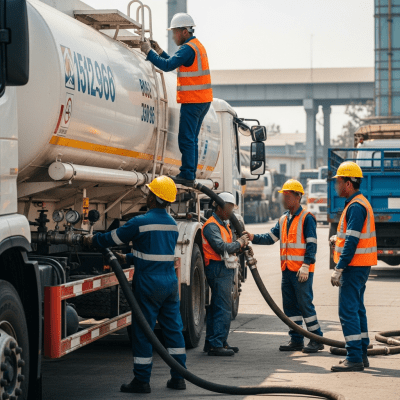
Primarily, tank trucks transport bulk liquids such as petroleum fuels, chemicals, water, and food-grade products like milk, as well as compressed gases and dry bulk materials. They serve critical roles in fuel distribution, chemical manufacturing, agriculture, municipal water supply, and emergency response operations. Their design and operation comply with stringent safety protocols to handle hazardous and non-hazardous cargo securely.
Bring this kind into your world � illustrated posters, mugs, and shirts.

Archival print, museum-grade paper
Buy Poster
Stoneware mug, dishwasher safe
Buy Mug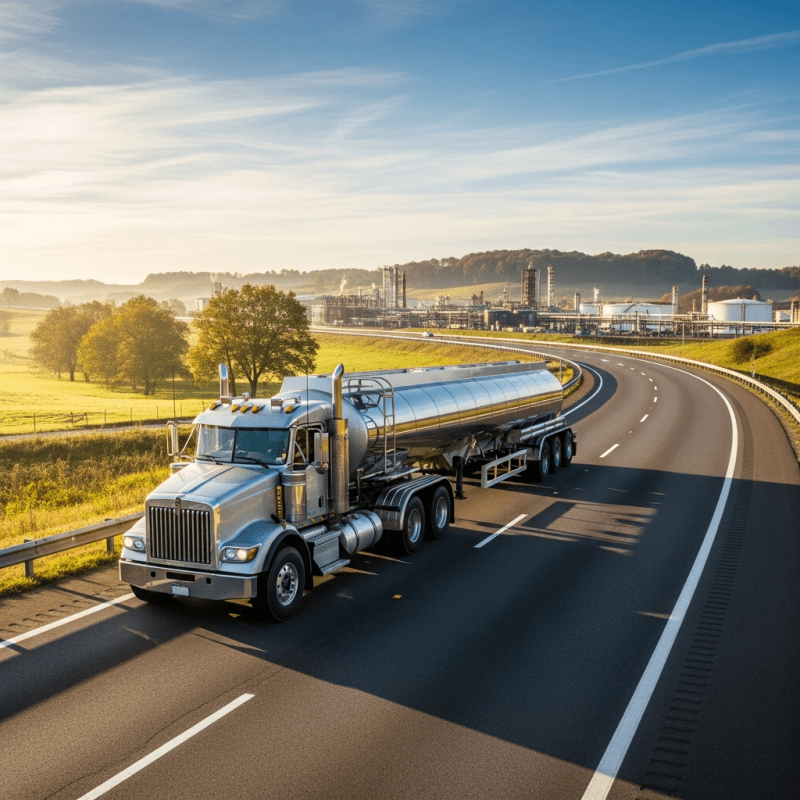
Soft cotton tee, unisex sizes
Buy ShirtTank trucks symbolize industrial strength and the vital flow of essential resources in modern society. They appear in media and public consciousness as icons of logistics and emergency response, often depicted in films and documentaries highlighting fuel supply chains, firefighting efforts, and large-scale industrial operations. Regional terms like "bowser" in Australia reflect local cultural adaptations of this vehicle type.
⚙️ Technical Specifications: Tank trucks typically measure 8–12 meters in length, 2.5 meters in width, and 3–4 meters in height. They have a gross vehicle weight rating ranging from 4,536 kg to over 36,287 kg. Engine types include diesel, hybrid, and electric options. Axle counts range from two to five, supporting various payload capacities. Cargo tanks are cylindrical or elliptical, constructed from aluminum, stainless steel, or carbon steel, equipped with safety features such as baffles and pressure relief valves. Cab configurations include day and sleeper cabs.

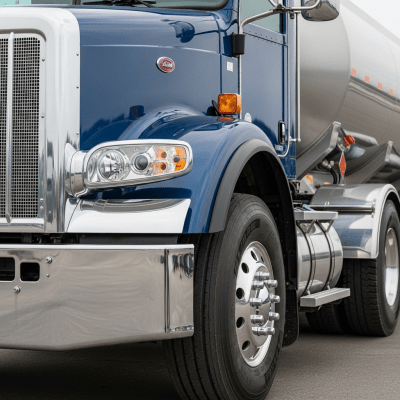
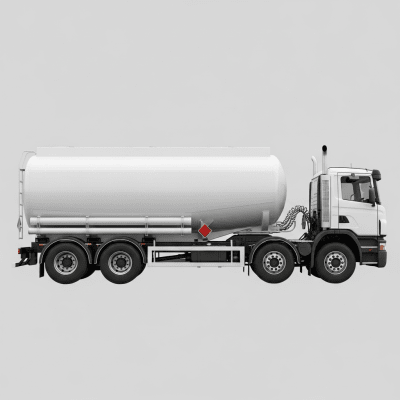
Popular tank truck models are produced by leading manufacturers including Daimler (Mercedes-Benz), Volvo, Kenworth, Peterbilt, Tata Motors, and Isuzu. These brands offer a range of configurations tailored to regional regulations and market demands, from light-duty fuel tankers to heavy-duty chemical transporters.
Maintaining a tank truck involves regular inspection of the tank body for corrosion or damage, ensuring the integrity of safety features like baffles and valves, and routine servicing of the engine and chassis. Compliance with regulatory inspections is critical, especially for vehicles transporting hazardous materials. Proper cleaning protocols are essential when switching between cargo types to prevent contamination.
Tank trucks contribute to environmental concerns through fuel consumption and potential spills. Advances in hybrid and electric drivetrains aim to reduce emissions, while stringent regulations govern tank construction to minimize leaks and spills. Proper maintenance and adherence to safety standards are vital to mitigating ecological risks associated with transporting hazardous liquids and gases.