Origin Story

Heavy-duty trucks have evolved since the early 20th century, with roots in the rise of industrial freight and construction needs. Major manufacturers like Daimler, Volvo Trucks, PACCAR, MAN, Scania, and Tata Motors have driven continuous advancements in engine technology, chassis strength, and regulatory compliance. Over time, these trucks transitioned from gasoline to diesel power, introduced turbocharging, and are now embracing electrification and autonomous driving innovations.

Classification

Heavy-duty trucks belong to the broader truck family characterized by their high gross vehicle weight rating, typically classified under US DOT/FMCSA Class 8, EU N3 category, and Australian Design Rules heavy truck class. They encompass rigid and articulated configurations, including tractor units, dump trucks, and long-haul freight carriers, distinguished by their payload capacity, axle count, and functional design.

Appearance or Form

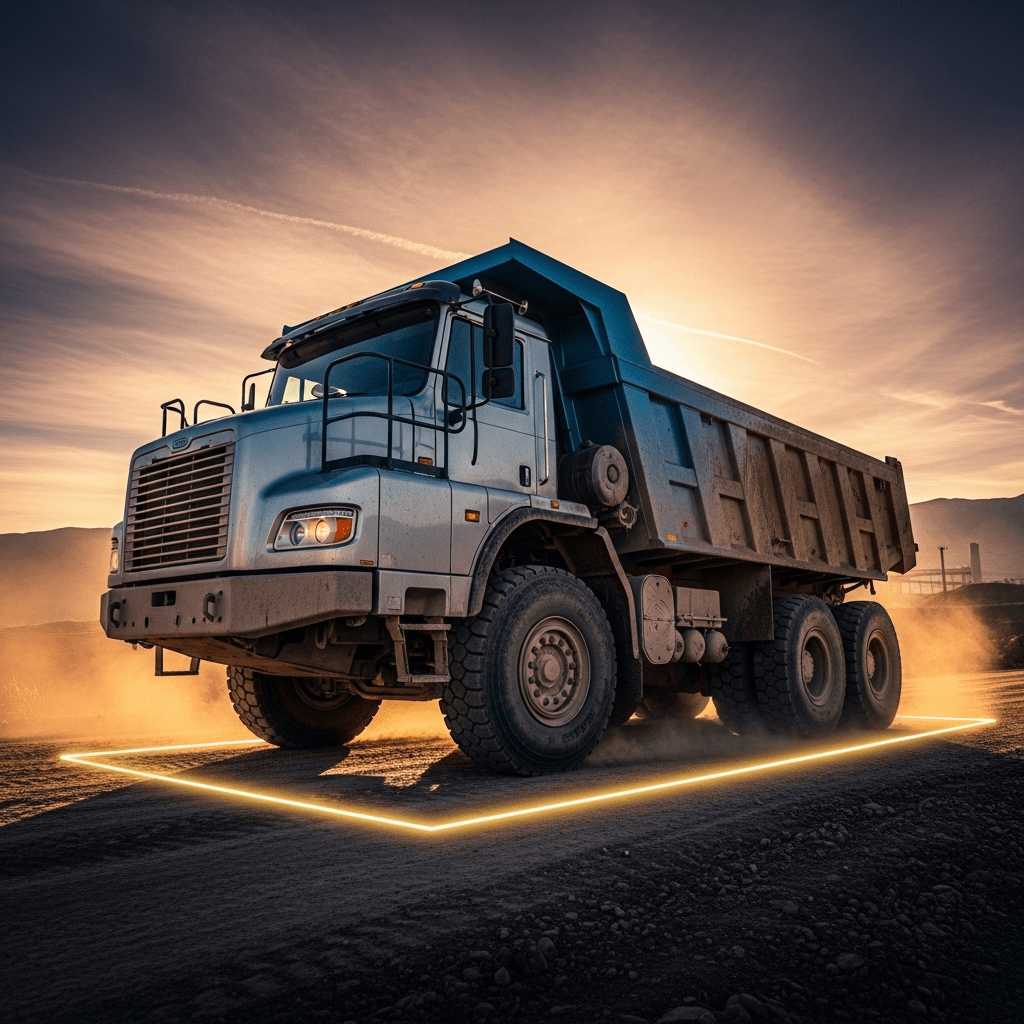
These trucks are imposing in size, generally ranging from 7 to 12 meters in length and about 2.5 meters wide, with heights reaching up to 4 meters. Their robust frames support multiple axles—commonly between two and five—and feature cab styles such as day cab, sleeper cab, or crew cab. Cargo areas vary widely, often equipped with specialized features like hydraulic systems for dump beds or fifth-wheel couplings for trailers, reflecting their diverse applications.

Behavior or Usage

Heavy-duty trucks primarily transport large cargo loads over medium to long distances. Their utility spans freight hauling, bulk material transport, construction equipment delivery, and specialized payloads including hazardous materials and refrigerated goods. These vehicles are essential to logistics, mining, emergency services, and infrastructure development, adapting to regional regulatory requirements and operational conditions.

Merchandise & Prints

Bring this kind into your world � illustrated posters, mugs, and shirts.

Heavy-duty truck Heavy-duty truck Poster

Heavy-duty truck Poster

Archival print, museum-grade paper

Heavy-duty truck Heavy-duty truck Mug

Heavy-duty truck Mug

Stoneware mug, dishwasher safe

Heavy-duty truck Heavy-duty truck Shirt

Heavy-duty truck Shirt

Soft cotton tee, unisex sizes

Attributes & Insights

Taxon-Specific Insights

🌍Cultural Significance

Heavy-duty trucks hold a prominent place in modern culture, symbolizing industrial strength and the vital flow of commerce. In the United States, they are iconic fixtures of interstate freight transport, while in Europe, their design reflects stringent length and weight regulations. Australian "road trains" showcase unique multi-trailer configurations, highlighting regional adaptations. These trucks also appear in media, art, and folklore as emblems of endurance and mobility.

📌Notable Facts

  • Heavy-duty trucks typically have payload capacities ranging from 10,000 to over 40,000 kilograms.
  • Engines are predominantly large-displacement diesel units between 6 and 16 liters, producing 250 to 600 horsepower.
  • They feature advanced safety technologies such as ABS, electronic stability control, and collision mitigation systems.
  • Configurations vary from simple two-axle trucks to complex articulated vehicles with up to five axles or more.
  • Emerging models increasingly incorporate hybrid and fully electric powertrains, signaling a shift toward sustainable freight transport.

⚙️Technical Specifications

Heavy-duty trucks generally feature:

  • GVWR: Starting at 15,000 kg and above.
  • Payload Capacity: Between 10,000 and 40,000 kg.
  • Dimensions: Lengths of 7–12 meters, width around 2.5 meters, and heights up to 4 meters.
  • Engine Types: Diesel, hybrid, and electric powertrains with displacements from 6 to 16 liters and horsepower ranging from 250 to 600.
  • Axle Count: Typically 2 to 5 axles.
  • Cab Configurations: Day cab, sleeper cab, and crew cab.
  • Drivetrain: Common setups include 4x2, 10x4, and articulated configurations.
  • Safety Features: ABS, EBS, electronic stability control, and collision mitigation technology.

Visual Variations

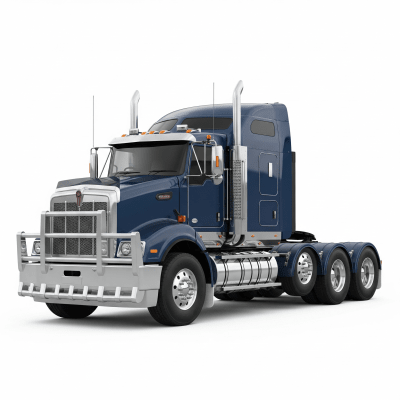
High quality studio photograph of a single Heavy-Duty Truck from the trucks taxonomy
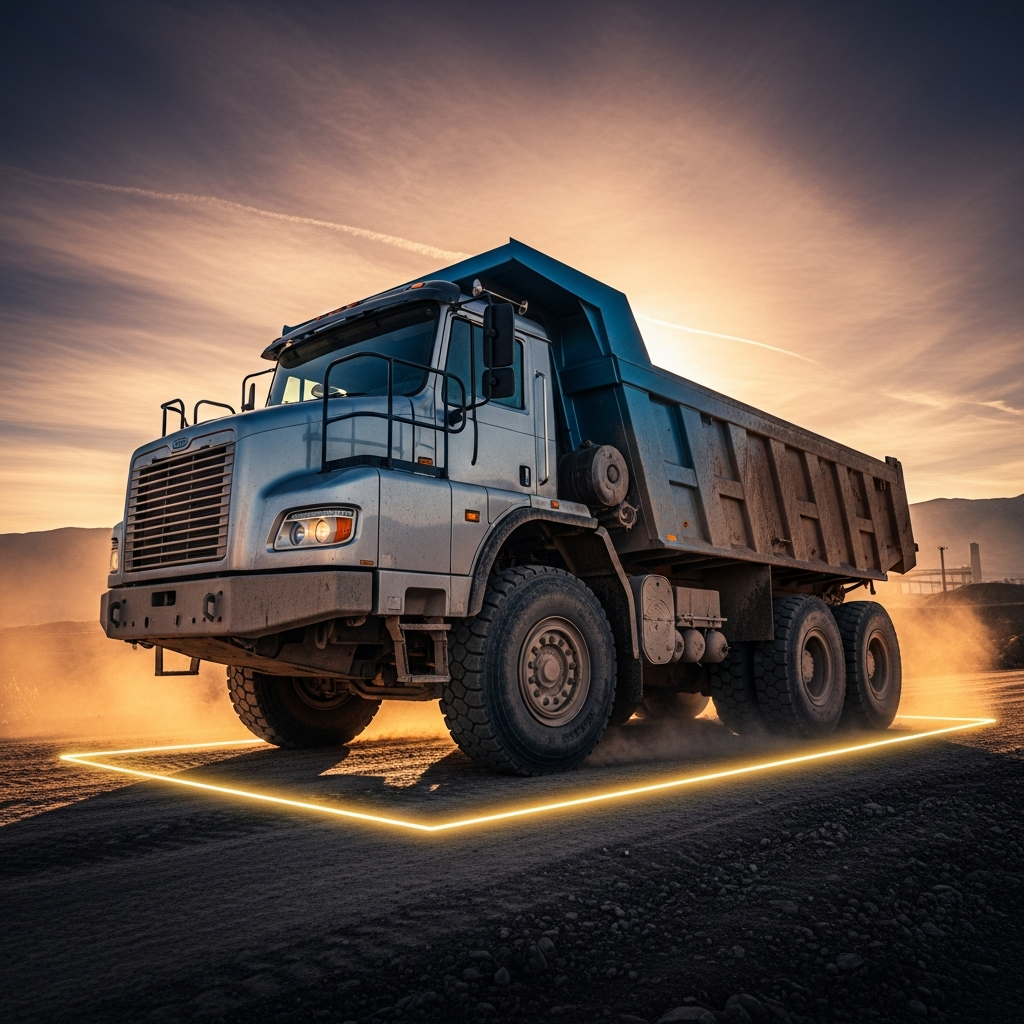
Photorealistic image of a Heavy-Duty Truck (trucks) in its typical working environment
Image of a Heavy-Duty Truck (trucks) being used by people in a real-world scenario
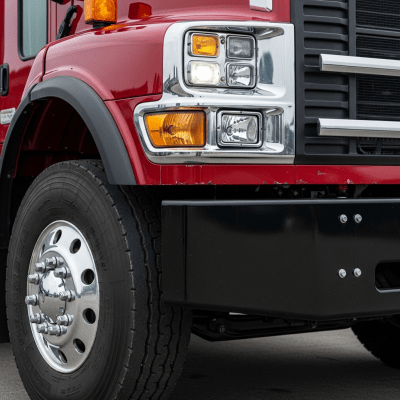
Close-up photograph focusing on distinctive details of a Heavy-Duty Truck from the trucks taxonomy
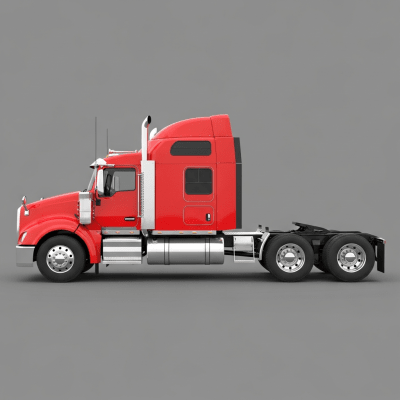
Clean side profile view of a Heavy-Duty Truck, part of the trucks

Composition & Context

Taxon-Specific Insights

🚛Common Models

Popular and historically significant heavy-duty truck models include:

  • Freightliner Cascadia – A leading North American long-haul tractor unit known for efficiency and driver comfort.
  • Volvo FH Series – Renowned for advanced safety features and fuel economy in Europe and beyond.
  • Kenworth T680 – A versatile model favored for its aerodynamic design and reliability.
  • Scania R-Series – Celebrated for performance and customization options.
  • MAN TGX – A staple in European freight transport with robust engineering.

🛠️Maintenance And Care

Maintaining heavy-duty trucks involves regular inspection and servicing of critical systems such as the engine, brakes, and drivetrain. Key considerations include:

  • Frequent oil and filter changes to preserve engine health.
  • Brake system checks, including ABS and EBS components, for safety compliance.
  • Monitoring tire wear and axle alignment to ensure stability and fuel efficiency.
  • Hydraulic system maintenance for specialized equipment like dump beds.
  • Software updates and diagnostics for modern electronic safety and engine management systems.

Proactive maintenance extends vehicle lifespan, reduces downtime, and ensures regulatory compliance.

🌿Environmental Impact

Heavy-duty trucks significantly impact the environment due to their size and fuel consumption. Traditional diesel engines contribute to greenhouse gas emissions and air pollution. However, the industry is shifting toward sustainability through:

  • Adoption of hybrid and fully electric powertrains to reduce carbon footprints.
  • Implementation of stricter emissions standards globally, such as Euro VI and EPA regulations.
  • Advancements in fuel efficiency via aerodynamic designs and lightweight materials.
  • Exploration of alternative fuels like hydrogen and biofuels.

While challenges remain, ongoing innovation aims to balance heavy freight demands with ecological responsibility.

Faq

Q: What defines a heavy-duty truck?
A: A heavy-duty truck is defined by a gross vehicle weight rating typically above 15,000 kilograms, designed for transporting large cargo loads.

Q: Which manufacturers produce heavy-duty trucks?
A: Leading producers include Daimler, Volvo Trucks, PACCAR, MAN, Scania, and Tata Motors.

Q: Are heavy-duty trucks used worldwide?
A: Yes, they are prevalent across North America, Europe, Asia, Australia, and emerging markets, with regional variations in design and regulations.