Walnut
Walnut is the common name for several large, deciduous trees in the genus Juglans, renowned for their edible nuts and valuable timber.
Walnut is the common name for several large, deciduous trees in the genus Juglans, renowned for their edible nuts and valuable timber.
Walnuts trace their origins to temperate regions of the Northern Hemisphere. Juglans regia, the English or Persian walnut, is native from the Balkans across southwest and central Asia to China, with a cultivation history stretching back thousands of years to ancient Persia and Greece. Juglans nigra, the Eastern black walnut, is indigenous to eastern North America. Over centuries, walnuts have been domesticated and spread globally, with countless cultivars developed for nut production.
Walnuts belong to the family Juglandaceae, within the order Fagales. The genus Juglans encompasses all true walnuts, which are classified as angiosperms (flowering plants) in the kingdom Plantae. Notable species include Juglans regia and Juglans nigra, each with distinctive traits and regional significance.
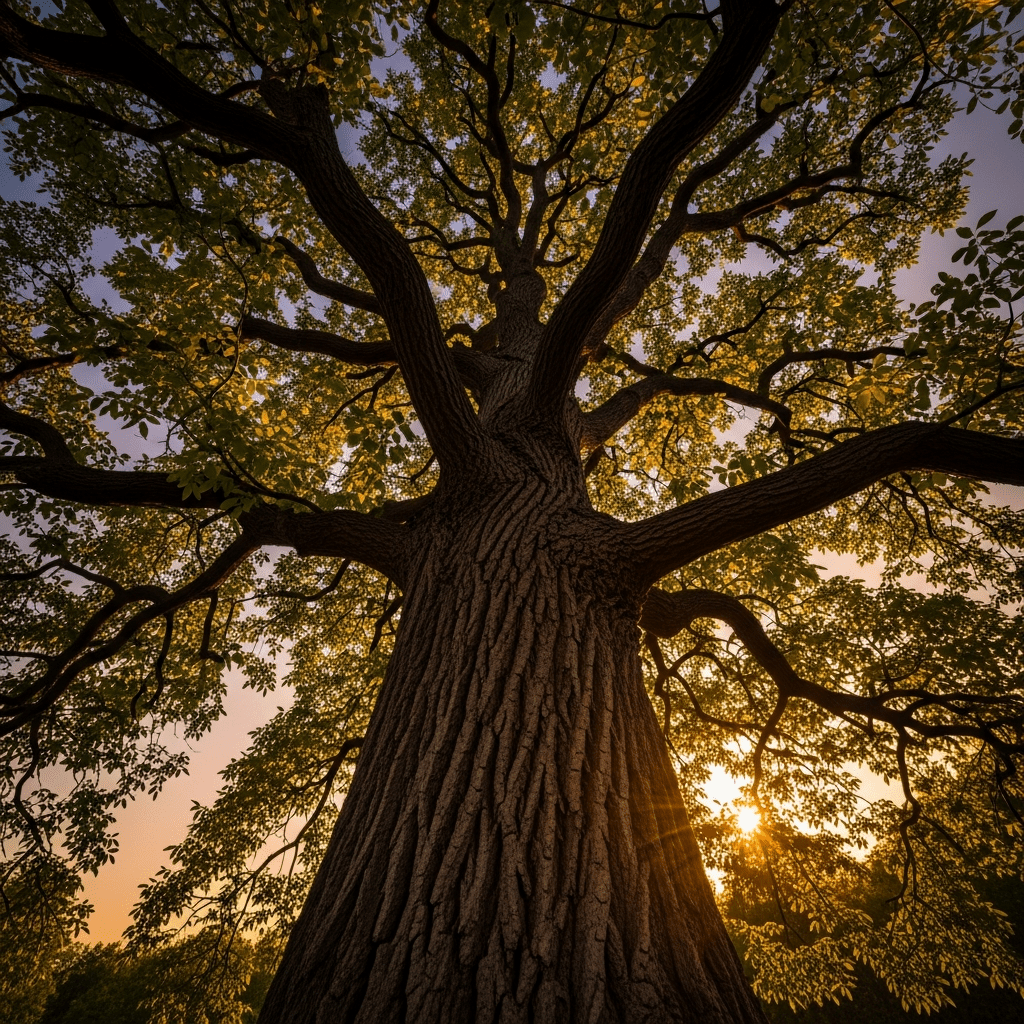
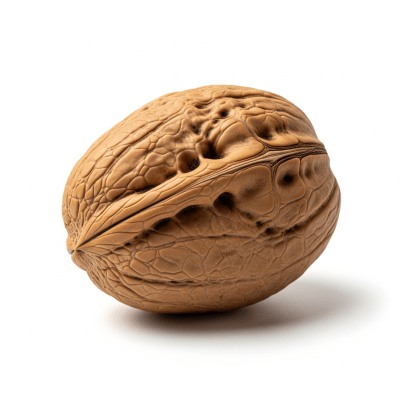
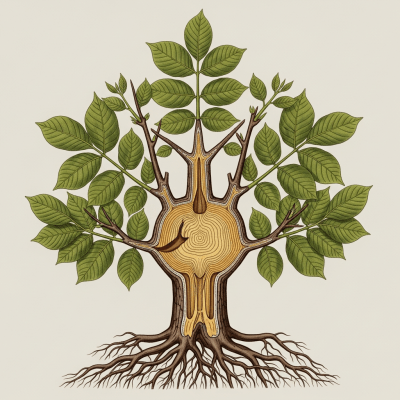
Walnut trees are imposing and graceful, often reaching heights of 10–40 meters. Their bark is gray and deeply furrowed, especially in mature specimens. The leaves are alternate and pinnately compound, with 5–25 leaflets creating a lush, feathery canopy. In spring, male flowers dangle in slender catkins while female flowers appear solitary or in small clusters. The fruit is a large, globular drupe with a thick, green husk that splits to reveal the iconic corrugated shell protecting the edible seed inside.
Walnuts are cultivated for both their nutritious nuts and their richly grained timber. The nuts are enjoyed raw, roasted, or processed into oil, flour, and confections. Walnut wood is highly sought after for fine furniture, cabinetry, musical instruments, and gunstocks. In landscaping, walnut trees serve as stately ornamentals, though their allelopathic nature—producing juglone—can inhibit the growth of many nearby plants.
Bring this kind into your world � illustrated posters, mugs, and shirts.

Archival print, museum-grade paper
Buy Poster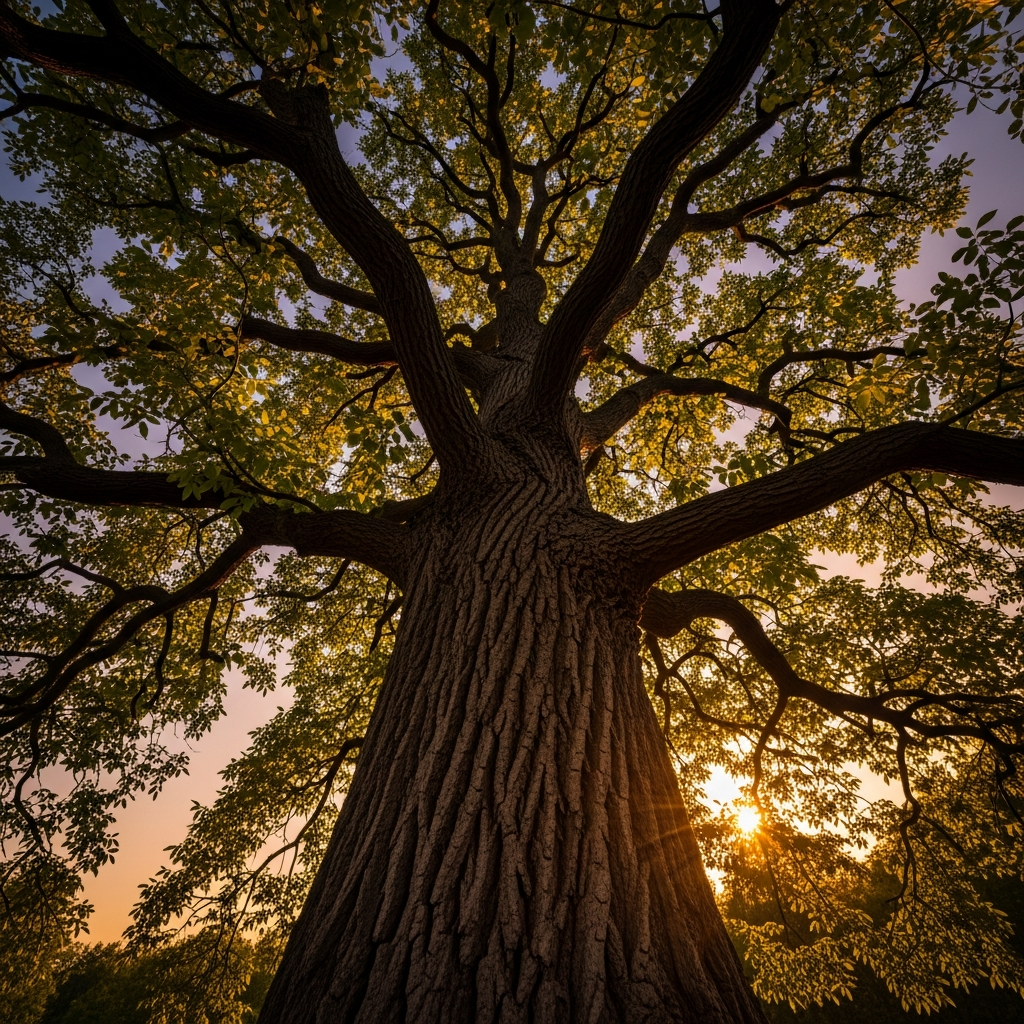
Stoneware mug, dishwasher safe
Buy Mug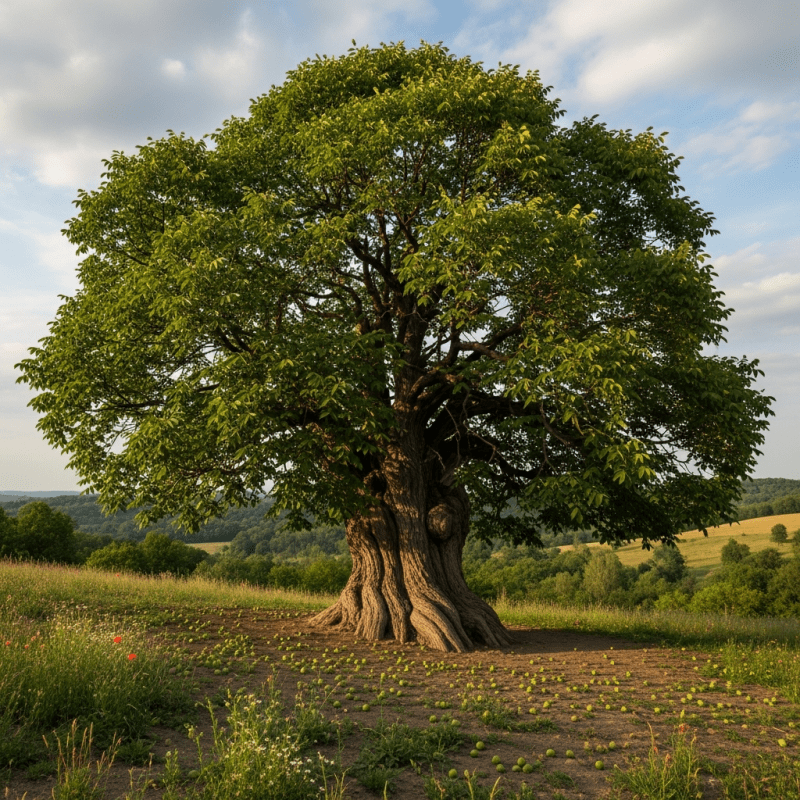
Soft cotton tee, unisex sizes
Buy ShirtWalnuts have woven themselves into the fabric of many cultures. In ancient Persia and Greece, they symbolized fertility and abundance. Their nuts and oil have featured in traditional medicine and culinary rituals, while their wood has been used to craft heirlooms and ceremonial objects. Folklore often associates walnuts with wisdom and longevity, and their presence in art and literature reflects their enduring appeal.
Walnut trees are keystone species in their native habitats, providing shade, shelter, and food for wildlife. Their nuts nourish birds, squirrels, and other mammals, while their dense canopy supports diverse insect life. The allelopathic compound juglone shapes plant communities by limiting competition, often resulting in open understory beneath mature trees.
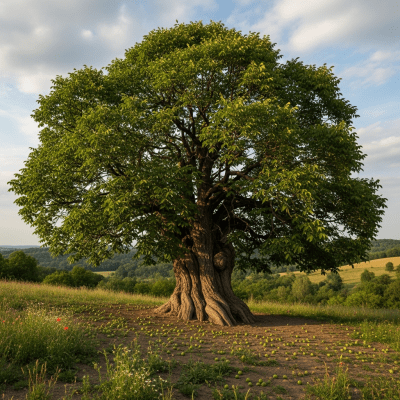

Walnuts are found across temperate regions of the Northern Hemisphere. Juglans regia is native from southeastern Europe through Asia to China, and widely cultivated elsewhere. Juglans nigra grows naturally in eastern North America. Other species inhabit specific regions, such as butternut in northeastern America and Arizona walnut in the Southwest. Walnuts prefer deep, fertile, well-drained soils and full sun, often thriving along riverbanks and forest edges.
Successful walnut cultivation requires deep, fertile soil with good drainage and abundant sunlight. Avoid waterlogged sites, as walnuts are intolerant of poor drainage. Regular monitoring for pests (like codling moth and walnut husk fly) and diseases (notably walnut blight) is crucial. Pruning young trees helps establish strong structure, while mature trees need minimal intervention. Propagation is typically by seed or grafting selected cultivars for nut quality.
Walnut trees face threats from diseases such as walnut blight and pests including codling moth and walnut husk fly. Habitat loss and overharvesting, especially of black walnut for timber, can impact populations. Butternut (Juglans cinerea) is particularly vulnerable, suffering from canker disease. Conservation efforts focus on disease management, genetic preservation, and sustainable forestry practices.
Walnuts are economically vital for both their nuts and timber. The nuts are consumed globally, processed into oil, flour, and confections, and valued for their nutritional content. Walnut wood is esteemed for its strength and rich color, used in fine furniture, cabinetry, veneers, musical instruments, and gunstocks. Walnut oil finds uses in cooking and cosmetics, while shells are utilized as abrasives. Ornamental planting adds aesthetic value to landscapes.
Across cultures, walnuts symbolize wisdom, longevity, and fertility. In ancient Greece and Persia, walnuts were linked to abundance and used in wedding rituals. Folklore often attributes magical or medicinal properties to the tree, and its wood and nuts have featured in tales of protection and prosperity. The walnut’s enduring presence in art and literature underscores its deep-rooted cultural resonance.