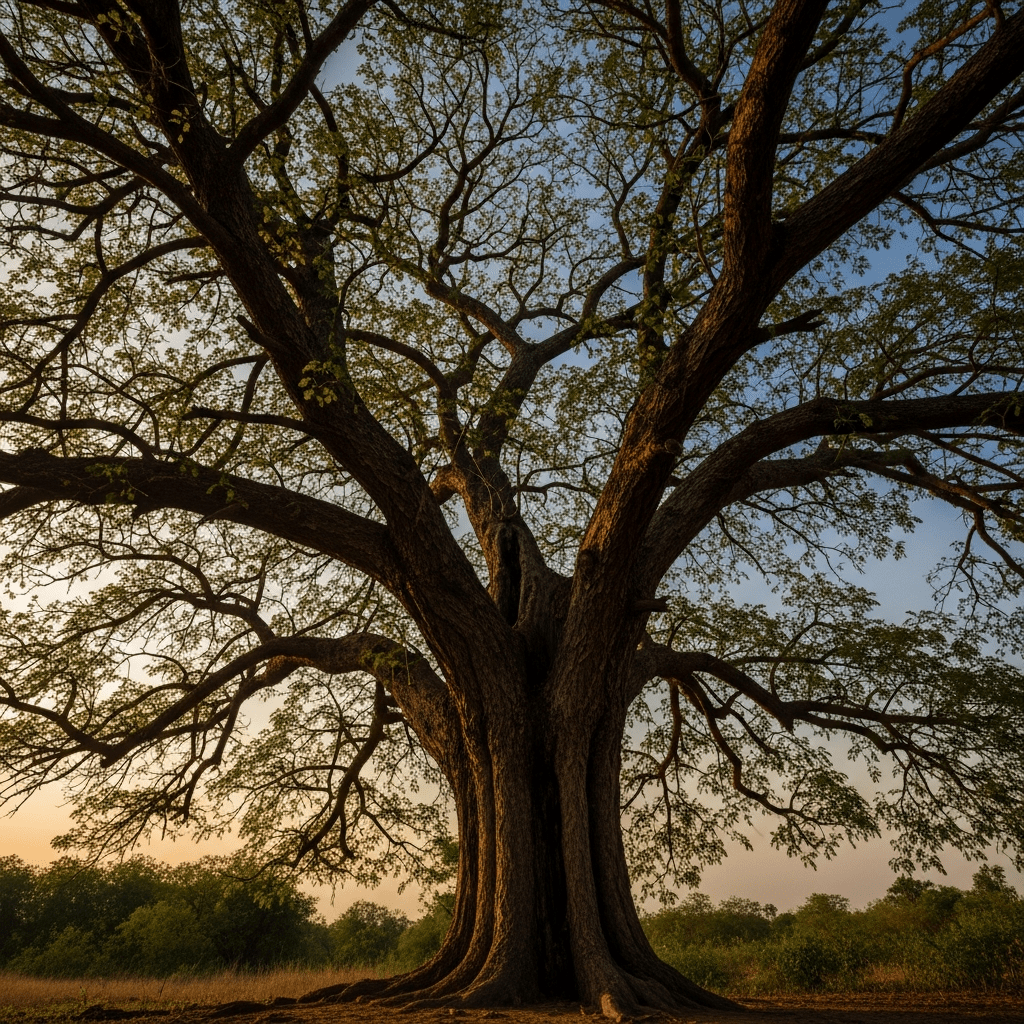
Tamarindus indica
Tamarindus indica, commonly known as tamarind, is a tropical, perennial tree celebrated for its tangy fruit pods and wide-ranging culinary, medicinal, and industrial uses.
Tamarindus indica, commonly known as tamarind, is a tropical, perennial tree celebrated for its tangy fruit pods and wide-ranging culinary, medicinal, and industrial uses.
Tamarind originated in tropical Africa, with Sudan recognized as its native heartland. Ancient cultivation spread the tree across South Asia—especially India—where it became deeply embedded in local agriculture and cuisine. Over centuries, tamarind was introduced to the Americas and other tropical regions, thriving wherever warm climates and well-drained soils prevailed. Its formal scientific description was established by Carl Linnaeus in 1753, but its relationship with humans stretches back to antiquity, with no single discoverer or breeding institution associated with its domestication.
Tamarind belongs to the Fabaceae family, a large group of leguminous plants known for their ecological and economic importance. Within botanical taxonomy, it is classified as follows: Kingdom Plantae, Phylum Magnoliophyta, Class Magnoliopsida, Order Fabales, Family Fabaceae, Genus Tamarindus, Species Tamarindus indica. As a true tree, it exemplifies the perennial, woody growth form with a single main trunk and elevated canopy, typical of arboreal species.
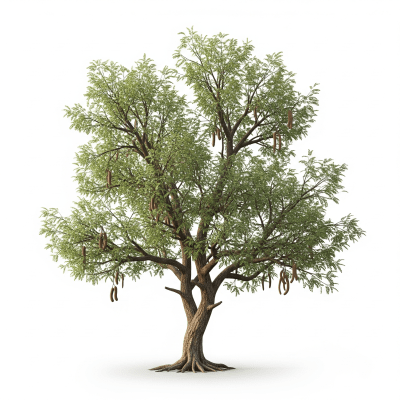
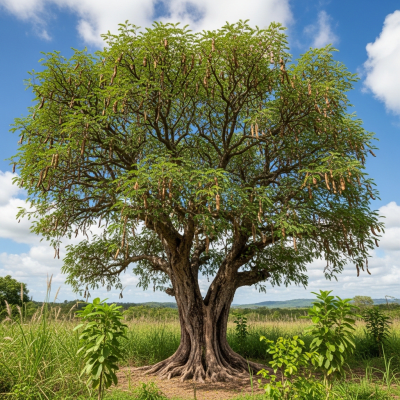
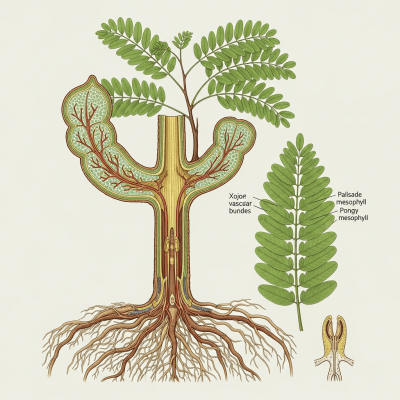
Tamarind is a medium to large evergreen tree, often reaching 12–18 meters in height and occasionally up to 25 meters. It features a broad, dense crown and a stout, single trunk clad in rough, greyish-brown bark. Its leaves are pinnately compound, composed of numerous delicate leaflets that lend a feathery texture to the foliage. In spring and summer, the tree produces small yellow flowers with red streaks, arranged in racemes. The most distinctive feature is its long, brown pods—12–15 cm in length—housing sticky, aromatic pulp and glossy seeds. The overall impression is one of lushness and grace, with a canopy that casts deep shade.
Tamarind trees are valued for their resilience and versatility. They thrive in tropical climates, tolerating drought and poor soils, and can live for over a century. The tree is slow-growing but highly productive, with mature specimens yielding up to 500 kg of fruit annually. Tamarind is cultivated for its edible pulp, used widely in cooking, as well as for shade, ornamental landscaping, and windbreaks. Its adaptability makes it a staple in both rural and urban settings across the tropics.
Bring this kind into your world � illustrated posters, mugs, and shirts.

Archival print, museum-grade paper
Buy Poster
Stoneware mug, dishwasher safe
Buy Mug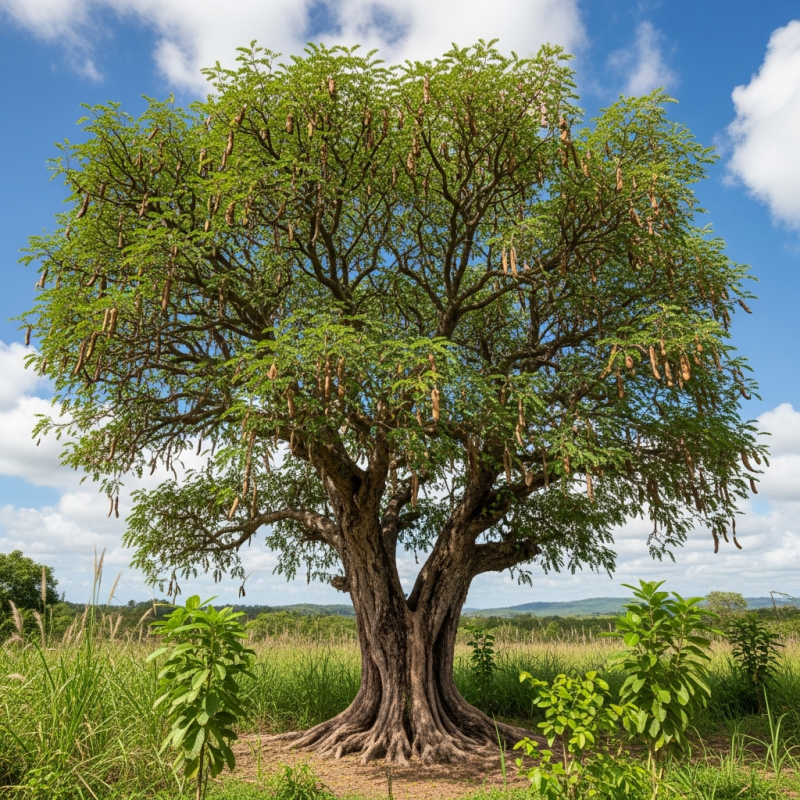
Soft cotton tee, unisex sizes
Buy ShirtTamarind occupies a prominent place in the culinary traditions of Asia, Africa, Latin America, and the Caribbean, where its tangy pulp flavors sauces, beverages, and sweets. In South Asia, it is integral to curries and chutneys, while in Mexico and the Caribbean, it stars in refreshing drinks and candies. Beyond food, tamarind is revered in traditional medicine for its digestive and healing properties. Its shade is cherished in village squares, and its presence is woven into folklore, language, and daily life across continents.
Tamarind trees contribute to their ecosystems by providing dense shade and shelter for wildlife. Their flowers attract pollinators, while the fallen pods and leaves enrich the soil with organic matter. The tree's resilience to drought and pests allows it to stabilize soils and serve as a windbreak, protecting other plants and crops. Birds and mammals feed on the fruit, dispersing seeds and supporting local biodiversity.

Tamarind is native to tropical Africa but is now widely distributed across South Asia, Southeast Asia, the Americas, and tropical regions worldwide. It flourishes in areas with annual rainfall between 500 and 1,500 mm, preferring well-drained soils and full sun. The tree is commonly found in village groves, urban parks, roadside plantings, and rural homesteads, adapting well to both cultivated and wild habitats.
To cultivate tamarind, plant seeds or young saplings in sunny locations with well-drained soil. The tree grows slowly but steadily, requiring minimal care once established. Watering is necessary during early growth, but mature trees tolerate drought. Avoid waterlogged conditions to prevent root rot. Prune lightly to shape the canopy and remove dead branches. Harvest pods when fully mature; processed pulp stores well for months, while fresh pods have limited shelf life.
Tamarind is generally robust and not considered threatened globally. Its main vulnerability is root rot in poorly drained soils. In some areas, habitat loss and overharvesting of wild trees may impact local populations, but widespread cultivation ensures its continued abundance. Conservation efforts focus on maintaining genetic diversity and promoting sustainable harvesting practices.
Tamarind is economically vital, especially in India, Thailand, Mexico, and Africa. Its pulp is a key ingredient in sauces, chutneys, drinks, and candies, while seeds are sometimes processed into flour. The wood is used for furniture and carving, and the tree serves as an ornamental shade provider. Industrially, tamarind yields tartaric acid, and its medicinal properties are valued in traditional remedies. The tree's versatility makes it a staple in local markets and international trade.
Tamarind features in folklore and traditional stories across its range. In South Asia, it is associated with hospitality and village life, often planted near homes and temples. Its shade is a symbol of respite and community gathering. In some cultures, tamarind is thought to ward off evil spirits, and its fruit is used in rituals and celebrations. The tree's enduring presence in landscapes and stories reflects its deep-rooted cultural significance.