Origin Story

Spruces originated in the boreal and montane forests of Eurasia and North America, evolving naturally over millennia. The genus Picea was first formally described by Carl Linnaeus in 1753. These trees have no single point of domestication or breeding, as they are wild species shaped by cold climates and diverse landscapes. Natural hybridization occurs, but most species remain genetically distinct, reflecting their adaptation to northern environments.

Classification

Spruce trees belong to the kingdom Plantae, division Pinophyta, class Pinopsida, order Pinales, and family Pinaceae. The genus Picea encompasses about 35 recognized species. As gymnosperms, spruces produce seeds in cones rather than flowers, distinguishing them from angiosperm trees. Their closest relatives include firs (Abies) and pines (Pinus), but spruces are set apart by their unique needle attachment and cone structure.

Appearance or Form

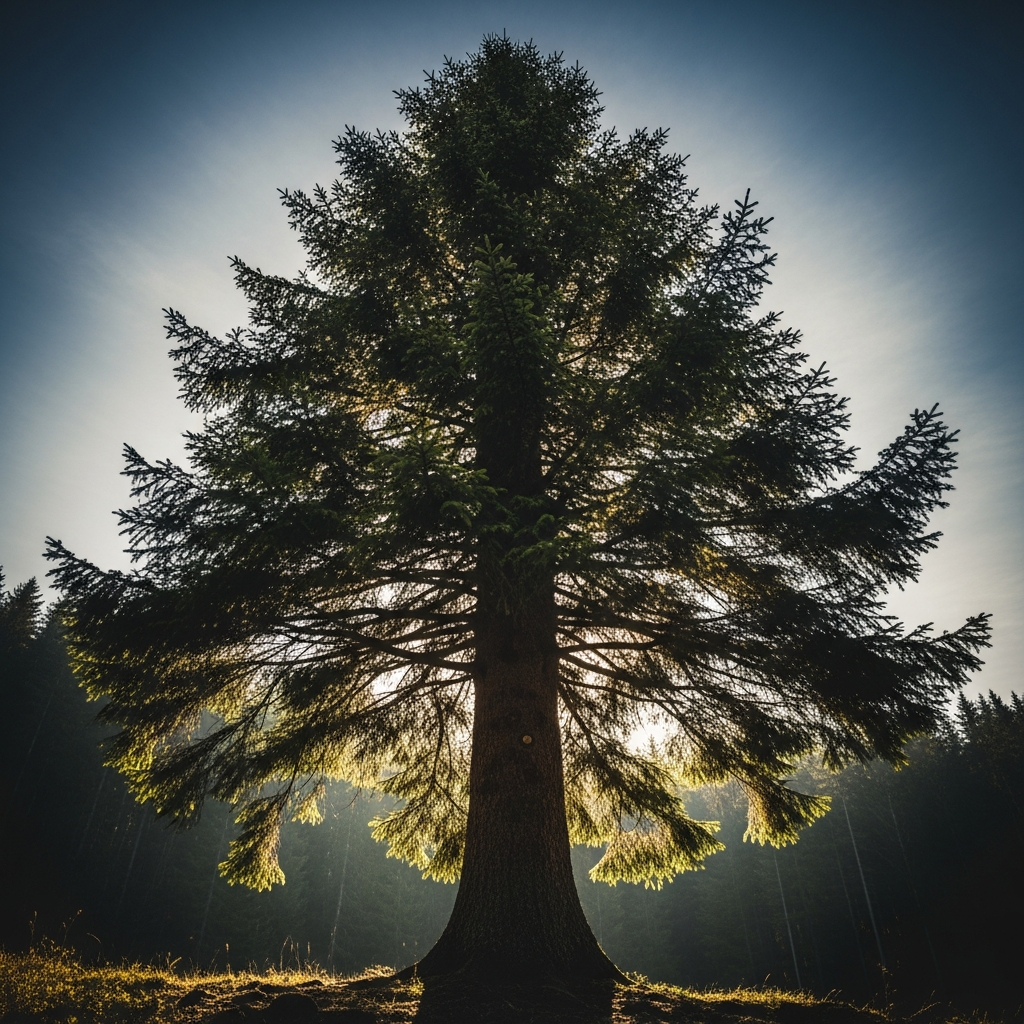
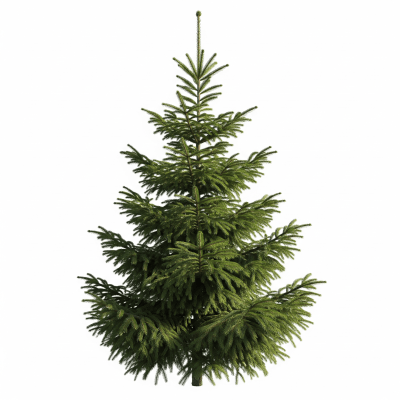
Spruces are medium to towering trees, typically 20–60 meters tall, with some giants like the Sitka spruce exceeding 70 meters. Their silhouette is distinctly conical, with straight, cylindrical trunks clad in thin, scaly bark. The branches radiate in whorls, densely clothed in stiff, four-sided needles that are 1–2.5 cm long and attached singly to small woody pegs. Pendulous cones dangle from the branches, maturing in a single season and varying in size and color by species. The overall impression is of a stately, symmetrical evergreen, especially striking in winter landscapes.

Behavior or Usage

Spruces play vital roles both ecologically and practically. In nature, they provide shelter and food for wildlife, stabilize soils, and shape forest structure. Humans have long relied on spruces for timber, paper pulp, and musical instruments, thanks to their straight trunks and resonant wood. Spruce tips are used in Nordic and Indigenous cuisines for flavoring syrups, teas, and beers. Many species are planted for reforestation, windbreaks, and ornamental purposes, with Norway spruce especially popular as a Christmas tree in Europe.
Merchandise & Prints

Bring this kind into your world � illustrated posters, mugs, and shirts.

Spruce Spruce Poster

Spruce Poster

Archival print, museum-grade paper

Spruce Spruce Mug

Spruce Mug

Stoneware mug, dishwasher safe

Spruce Spruce Shirt

Spruce Shirt

Soft cotton tee, unisex sizes

Attributes & Insights

Taxon-Specific Insights

🌍Cultural Significance

Spruce trees feature prominently in cultural traditions and modern life. The Norway spruce is a classic symbol of Christmas in Europe, gracing homes and public squares each winter. Indigenous peoples have used spruce resin for medicine and chewing gum, while spruce wood has shaped the sound of Western music through its use in piano and violin soundboards. In folklore, spruces often represent resilience and endurance, thriving in harsh northern climates and standing tall through the seasons.

📌Notable Facts

  • Spruce wood is prized for its resonance, making it the preferred material for soundboards in pianos and violins.
  • Some spruce species, such as Sitka spruce, can grow over 70 meters tall, among the tallest conifers.
  • Spruce tips are edible and have been used to flavor traditional beers and syrups in Nordic and Indigenous cultures.
  • Norway spruce is one of the most widely planted trees for reforestation and is a popular Christmas tree in Europe.
  • Spruces can be distinguished from firs by their needle attachment: spruce needles are singly attached to small pegs, while fir needles are attached directly to the branch.

Ecological Role

Spruces are cornerstone species in boreal and montane forests, providing habitat and food for birds, mammals, and insects. Their dense canopy offers shelter, while fallen needles acidify the soil, influencing understory plant communities. Spruce forests support populations of specialist wildlife, such as crossbills and red squirrels, and play a role in carbon sequestration and soil stabilization. Spruces also serve as host plants for insects like the spruce budworm, which can impact forest health.

Visual Variations

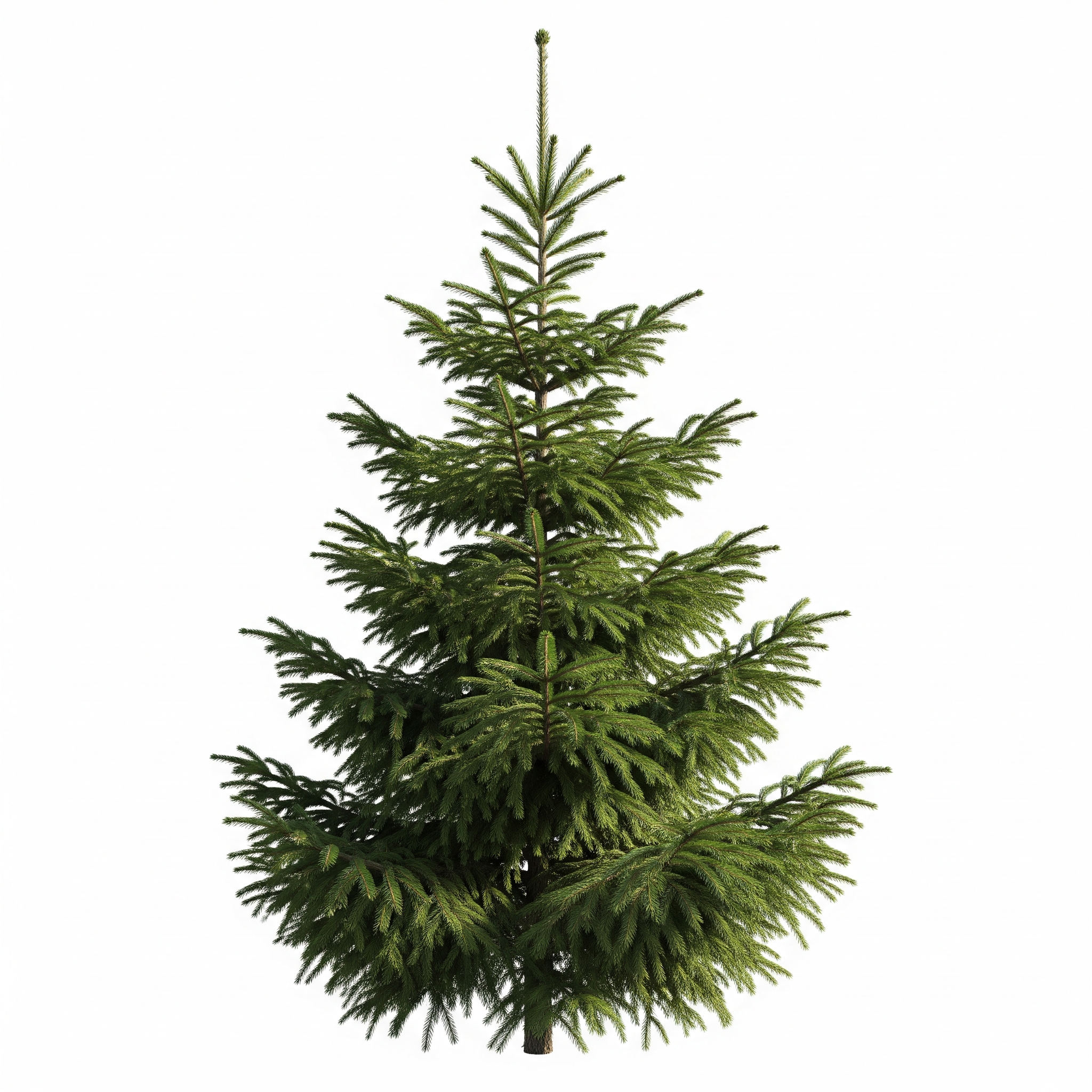
High quality photograph of a single Spruce
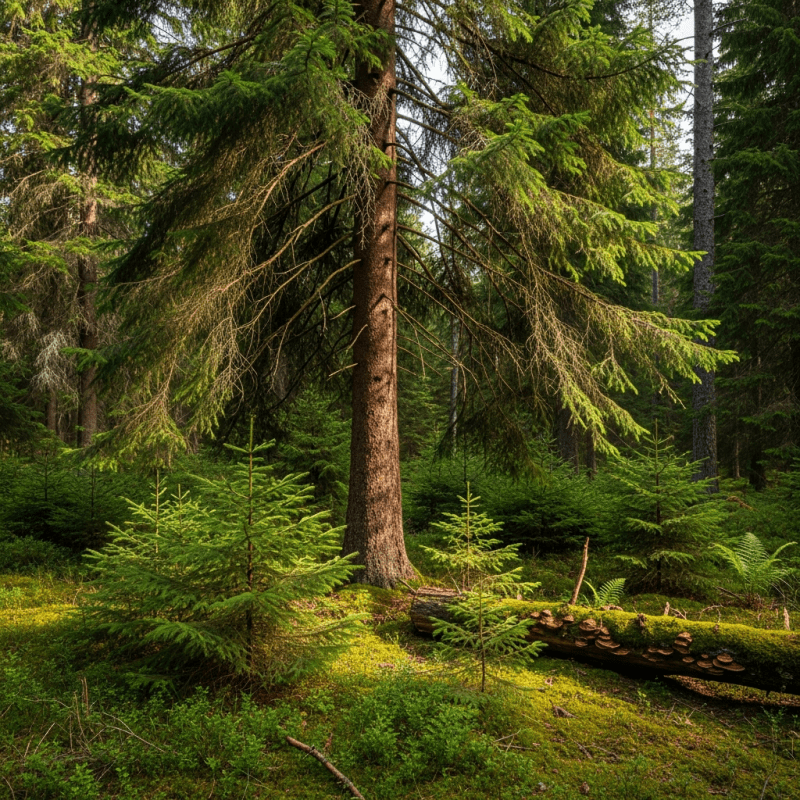
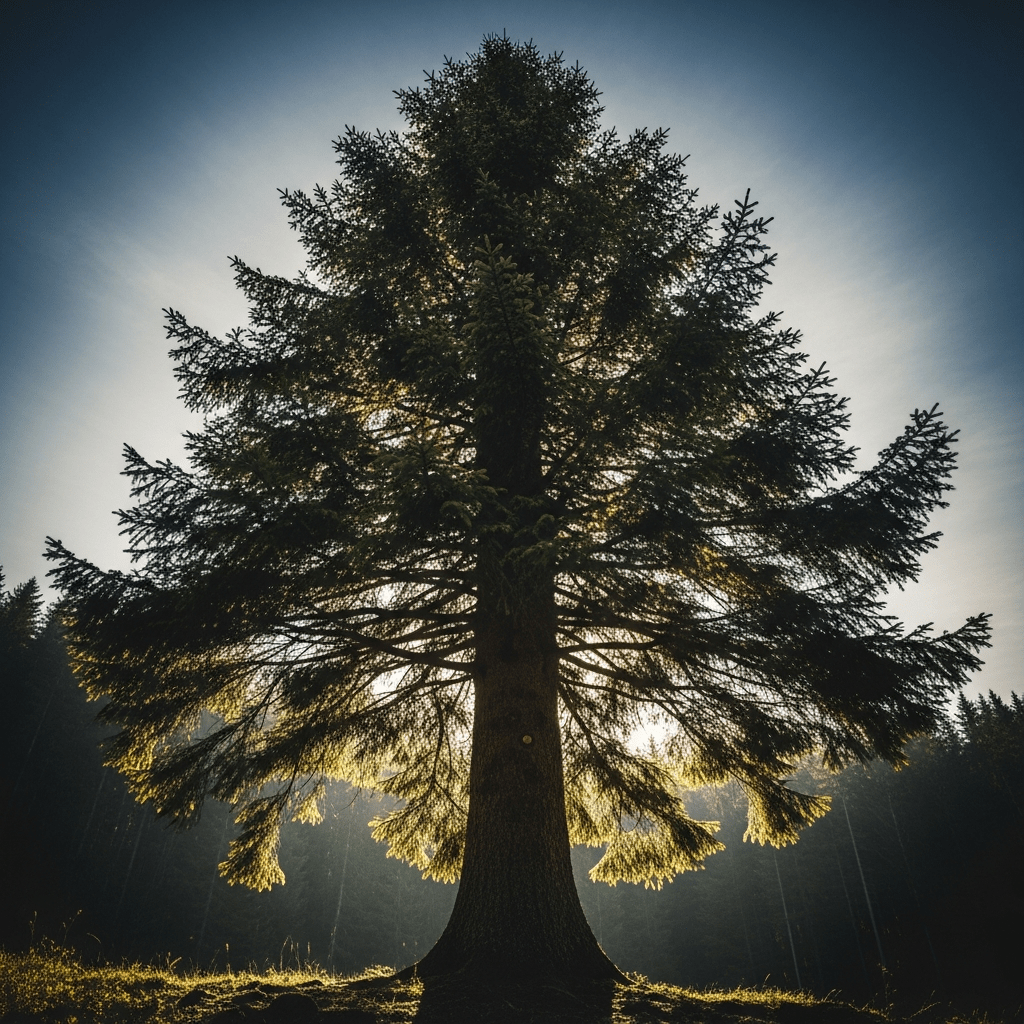
A realistic depiction of a mature Spruce (trees) in its typical natural environment
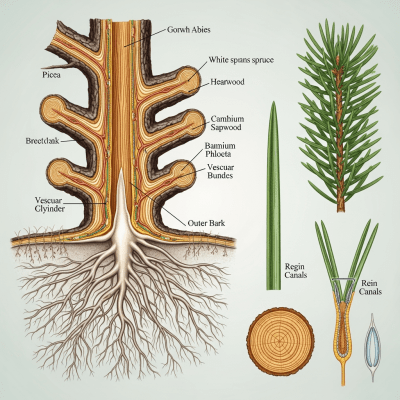
Detailed botanical illustration of the internal structure of a Spruce
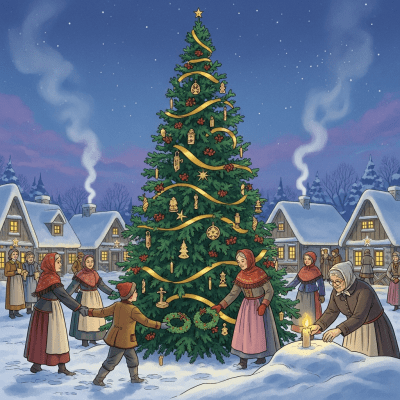
Image showing a Spruce as used or celebrated in human culture

Composition & Context

Taxon-Specific Insights

🌳Notable Species

  • Norway spruce (Picea abies): Widely planted in Europe, valued for timber and as a Christmas tree.
  • White spruce (Picea glauca): Native to northern North America, important for reforestation and pulp.
  • Blue spruce (Picea pungens): Known for its striking blue-green needles, popular as an ornamental tree.
  • Sitka spruce (Picea sitchensis): Among the tallest spruces, prized for its strong yet lightweight wood.
  • Black spruce (Picea mariana): Dominant in North American bogs and taiga, adapted to cold, wet soils.
  • Red spruce (Picea rubens): Native to eastern North America, important for timber and habitat.
  • Engelmann spruce (Picea engelmannii): Found in western North American mountains, valued for its wood and ecological role.

Distribution And Habitat

Spruces are naturally distributed across the boreal and montane forests of Eurasia and North America. They thrive in cold climates, from lowland taiga to high mountain slopes, and prefer acidic, well-drained soils. Some species, like black spruce, are adapted to bogs and wetlands, while others, such as Norway and Sitka spruce, flourish in upland forests and coastal regions. Their range spans from Scandinavia and Siberia to Alaska, Canada, and the Rocky Mountains.

Cultivation And Care

Spruces are widely cultivated for forestry, landscaping, and ornamental use. They grow best in cool climates with acidic, moist, but well-drained soils. Young spruces tolerate shade, but mature trees prefer full sun. Regular watering is essential for newly planted specimens, and mulching helps retain soil moisture. Spruces are susceptible to pests like spruce budworm and diseases such as needle cast, so monitoring and prompt treatment are recommended. Pruning is rarely needed, but damaged branches should be removed to maintain health.

Threats And Conservation

Major threats to spruces include insect pests, especially the spruce budworm, and fungal diseases like needle cast. Climate change poses additional risks by altering habitat conditions and increasing susceptibility to stress. Overharvesting for timber and land conversion also impact some populations. Conservation efforts focus on sustainable forestry practices, pest management, and habitat protection, with certain species monitored for vulnerability on regional and global conservation lists.

Economic And Practical Uses

Spruce wood is a cornerstone of the timber and paper industries, valued for its strength, straight grain, and light weight. It is the preferred material for soundboards in musical instruments such as pianos and violins. Spruce tips are used in culinary traditions for flavoring teas, syrups, and beers. The resin has historical applications in medicine and as a base for chewing gum. Spruces are also planted for reforestation, windbreaks, and as ornamental trees, with Norway spruce a favorite for Christmas celebrations.

Symbolism And Folklore

Spruce trees symbolize resilience, endurance, and steadfastness in many cultures, thriving in cold, challenging environments. The Norway spruce is a central figure in European Christmas traditions, representing festivity and renewal. Indigenous peoples have long valued spruce for its medicinal resin and practical uses. In folklore, spruces are often depicted as guardians of the forest, standing tall against winter's hardships and embodying the spirit of the northern woods.

Identification Tips

  • Look for stiff, four-sided needles attached singly to small, woody pegs on the branches.
  • Spruce cones are pendulous and mature in one season, unlike the upright cones of firs.
  • The bark is thin and scaly, and the overall form is conical with whorled branches.
  • In comparison to firs, spruce needles are sharper and roll easily between your fingers.
  • Species like blue spruce have distinctive blue-green foliage, while Norway spruce features long, drooping branchlets.

Faq

  • How can you tell a spruce from a fir tree?
    Spruce needles are attached singly to small peg-like structures, while fir needles are attached directly and are softer to the touch.
  • What are spruces used for?
    Spruces are used for timber, paper production, musical instruments, culinary flavorings, and as ornamental and Christmas trees.
  • Where do spruces naturally grow?
    Spruces are native to boreal and montane regions across Eurasia and North America, thriving in cold climates.