Hevea brasiliensis
The Rubber Tree (Hevea brasiliensis) is a tall, fast-growing deciduous tree native to the Amazon Basin, renowned as the world’s primary source of natural rubber and vital to countless industries.
The Rubber Tree (Hevea brasiliensis) is a tall, fast-growing deciduous tree native to the Amazon Basin, renowned as the world’s primary source of natural rubber and vital to countless industries.
Originating in the lush rainforests of the Amazon Basin—spanning Brazil, Bolivia, and Peru—the Rubber Tree was first described in 1840. Indigenous peoples tapped wild trees for latex long before the species was introduced to Southeast Asia in the late 19th century. This global journey began when Henry Wickham transported seeds to Kew Gardens in 1876, sparking the rise of vast rubber plantations across Malaysia, Indonesia, and Thailand, and transforming the species into an agricultural cornerstone far from its native home.
The Rubber Tree belongs to the family Euphorbiaceae, within the order Malpighiales. Its scientific name is Hevea brasiliensis. As a member of the angiosperms (flowering plants), it stands apart for its latex-producing capabilities, which are rare among trees. The genus Hevea comprises several species, but H. brasiliensis is by far the most economically significant.
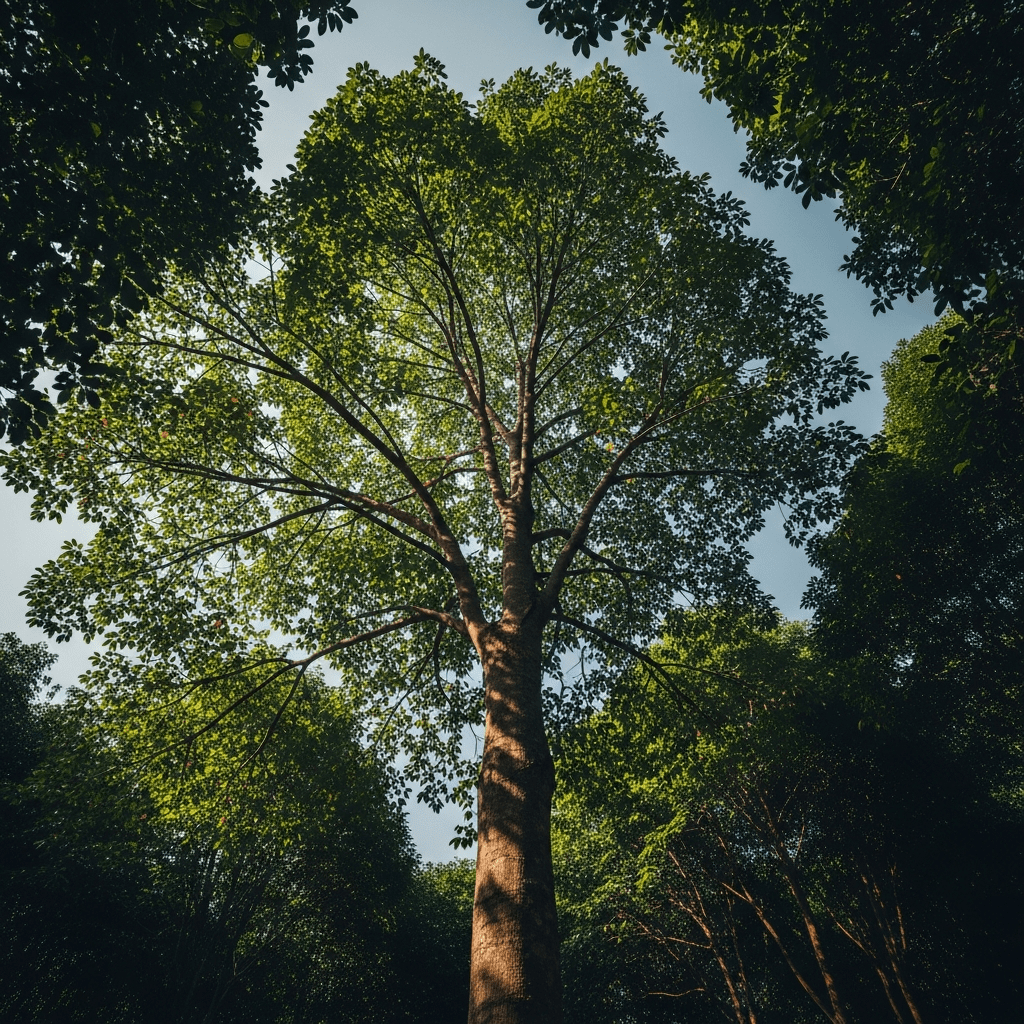
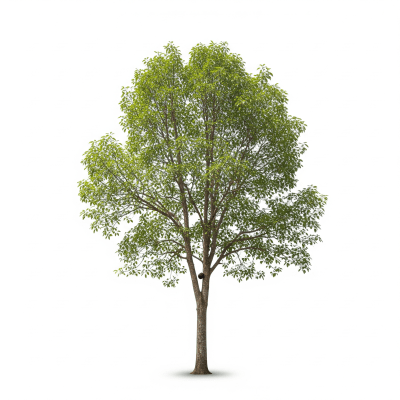
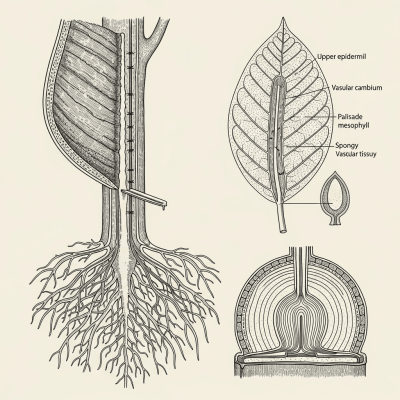
This tree typically grows 20–40 meters tall, featuring a straight, cylindrical trunk up to 1 meter in diameter. Its bark is smooth and grayish, marked by visible latex vessels. The leaves are compound and trifoliate, glossy green in the wet season, turning yellow and shedding in the dry. Small, pale yellow flowers cluster in panicles, while the fruit is a capsule containing three large seeds. The overall impression is one of stately verticality and subtle tropical elegance.
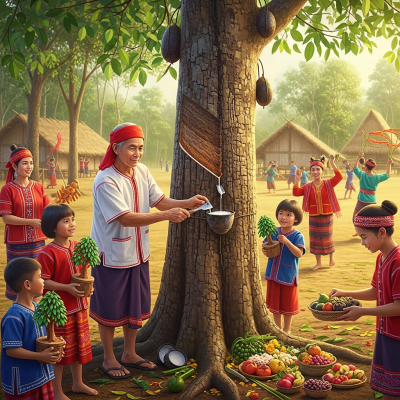
Rubber Trees are cultivated primarily for latex extraction, a process that begins when trees reach 5–7 years of age. Skilled tappers harvest latex by making precise incisions in the bark, allowing the milky fluid to flow into collection cups. This latex is then processed into natural rubber, a material essential for tires, medical supplies, footwear, adhesives, and more. Older, non-productive trees are often harvested for rubberwood, used in furniture and flooring. The tree’s interaction with humans is deeply utilitarian, shaping economies and daily life worldwide.
Bring this kind into your world � illustrated posters, mugs, and shirts.

Archival print, museum-grade paper
Buy Poster
Stoneware mug, dishwasher safe
Buy Mug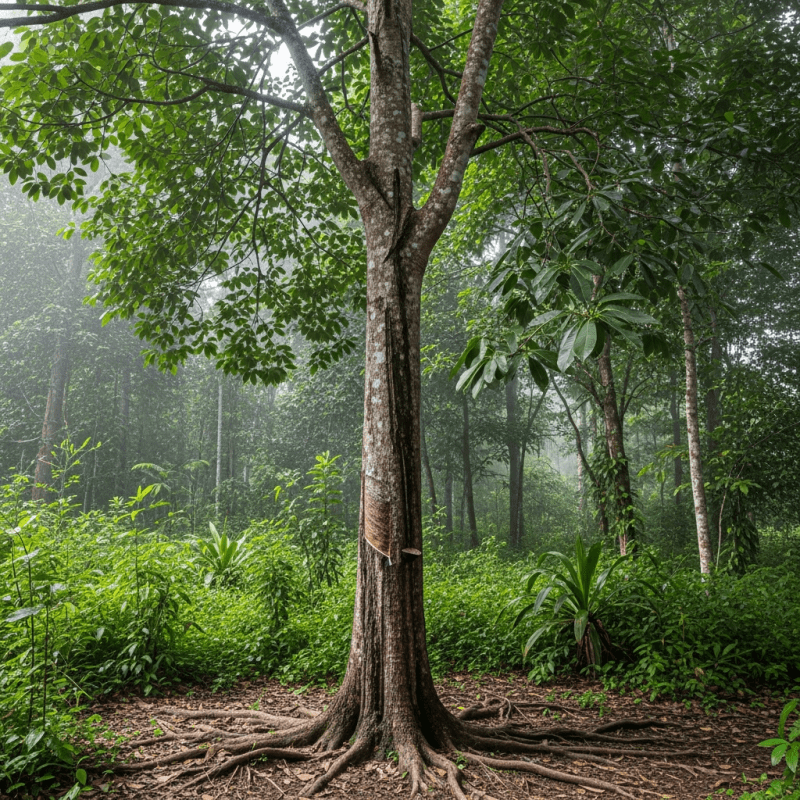
Soft cotton tee, unisex sizes
Buy ShirtThe Rubber Tree has played a pivotal role in the economic and social history of both South America and Southeast Asia. Its introduction to Asia fueled colonial expansion and industrialization, while its latex underpinned the rise of the automotive and manufacturing sectors. In indigenous Amazonian cultures, the tree was revered for its practical uses, and today it remains a symbol of transformation—of nature’s bounty harnessed for human progress.
In its native Amazonian habitat, the Rubber Tree is an integral part of the rainforest ecosystem, providing canopy cover, habitat, and food for various species. Its latex may deter herbivores, while its seeds feed wildlife. In plantation settings, the tree’s monoculture can reduce biodiversity, but sustainable agroforestry practices are increasingly employed to mitigate ecological impact.

Originally native to the Amazon Basin of South America, the Rubber Tree now flourishes across Southeast Asia, including Malaysia, Indonesia, Thailand, and parts of Africa. It prefers humid, lowland tropics with annual rainfall between 2,000–3,000 mm and well-drained soils. Wild populations remain in South America, but commercial cultivation is concentrated in Asia due to disease pressures in its homeland.
To cultivate Rubber Trees, select a site with deep, well-drained soil and high humidity. Plant young trees in rows, ensuring adequate spacing for canopy development. Regular weeding and fertilization support vigorous growth. Latex tapping should commence at 5–7 years, using careful incision techniques to maximize yield and tree health. Monitor for diseases—especially leaf blight and root rot—and select disease-resistant clones for best results. After productive years, trees may be harvested for rubberwood.
The major threat to Rubber Trees in their native range is South American Leaf Blight, which devastates plantations and restricts commercial cultivation in the Americas. In Asia, the species is relatively resilient but faces risks from powdery mildew, root rot, and other pathogens. Conservation efforts focus on genetic diversity, disease resistance, and sustainable plantation management, while wild populations in the Amazon require protection from deforestation and habitat loss.
Natural rubber extracted from Hevea brasiliensis is indispensable for manufacturing tires, footwear, medical devices, adhesives, and countless industrial goods. Rubberwood, harvested from older trees, is valued for sustainable furniture and flooring. While the seeds contain oil, they are not widely used due to toxicity. The Rubber Tree’s products underpin global transportation, healthcare, and consumer industries, making it one of the world’s most economically significant trees.
In Amazonian cultures, the Rubber Tree was both a resource and a symbol of resilience, tapped for latex long before global trade. Its journey from wild forests to global plantations mirrors themes of transformation and adaptation. In modern contexts, the tree often represents industrial progress and the complex relationship between nature and commerce.