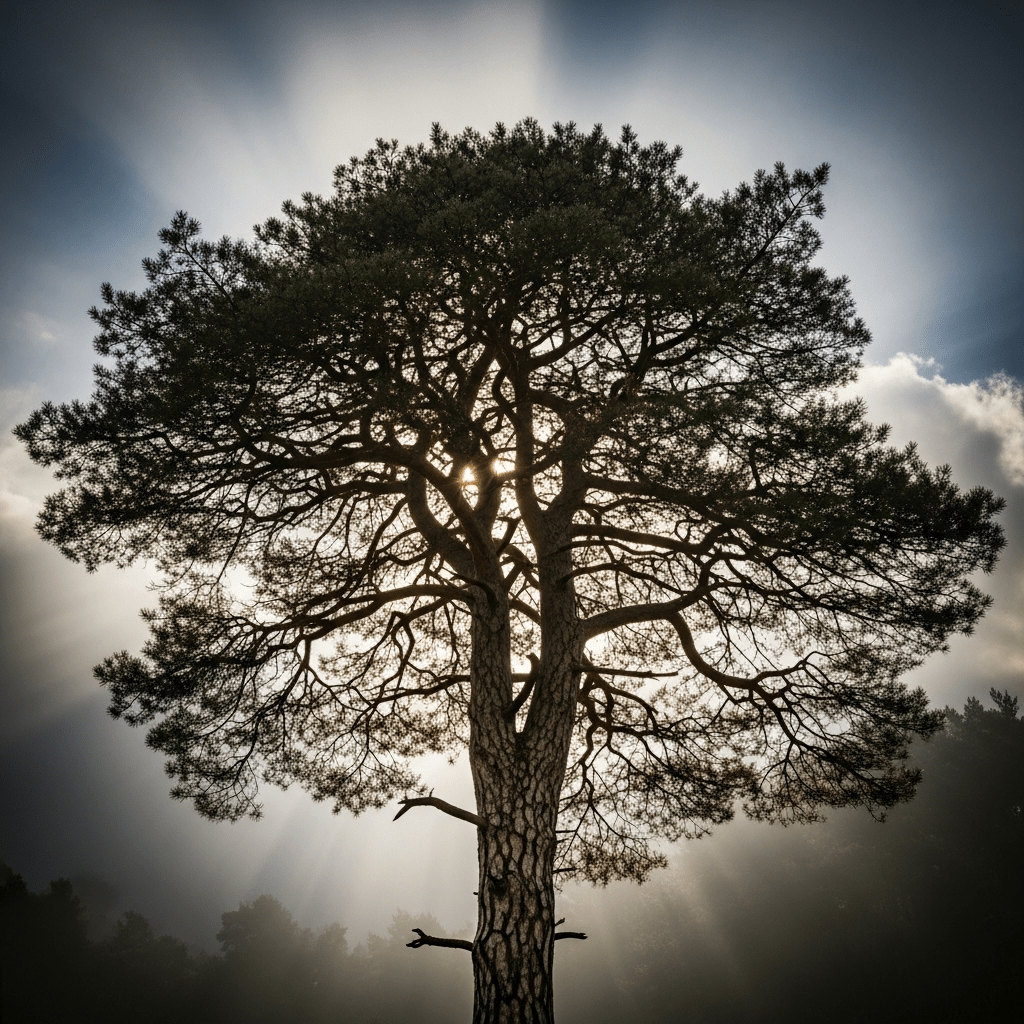
Pine
Pines are coniferous evergreen trees in the genus Pinus, recognized for their needle-like leaves, woody cones, and global ecological and economic importance.
Pines are coniferous evergreen trees in the genus Pinus, recognized for their needle-like leaves, woody cones, and global ecological and economic importance.
The pine lineage traces its origins to the Cretaceous period, with a fossil record revealing an ancient and resilient presence across Eurasia, North America, and North Africa. The genus Pinus was formally described by Carl Linnaeus in 1753, but its evolutionary journey began millions of years earlier, adapting to diverse climates and landscapes without direct human intervention or breeding.
Pines belong to the family Pinaceae within the order Pinales, class Pinopsida, division Pinophyta, and kingdom Plantae. As gymnosperms, they are non-flowering seed plants, distinguished by their cones and needle-like foliage. The genus Pinus encompasses over 120 species, making it the largest group within Pinaceae and a cornerstone of coniferous forests worldwide.
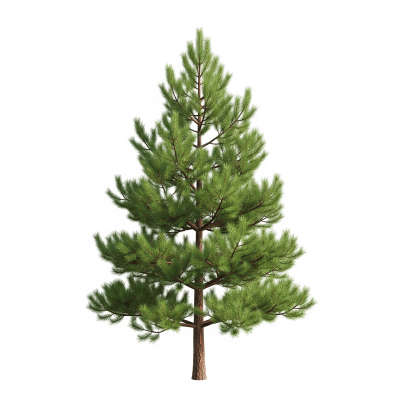
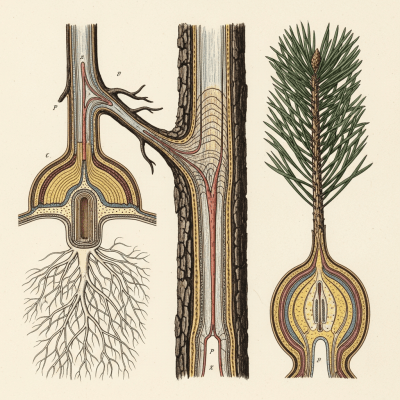
Pines typically exhibit a single straight trunk with whorled branches and evergreen, needle-like leaves arranged in bundles of two to five. Their bark is thick, scaly, and often resinous, providing a distinctive scent and texture. Cones are woody and elongated, housing winged seeds, and some species feature cones that only release seeds after exposure to fire. Pines range in size from low, shrubby forms to towering giants reaching up to 80 meters, with a rugged, natural elegance that defines many forest landscapes.
Pines play foundational roles in their ecosystems, shaping forest structure, providing shelter and food for wildlife, and influencing soil and fire dynamics. For humans, they are vital sources of timber, pulpwood, resin, and edible seeds (pine nuts). Many species are cultivated for landscaping, windbreaks, and reforestation, while their adaptability to poor soils and drought makes them valuable in restoration and land management projects.
Bring this kind into your world � illustrated posters, mugs, and shirts.
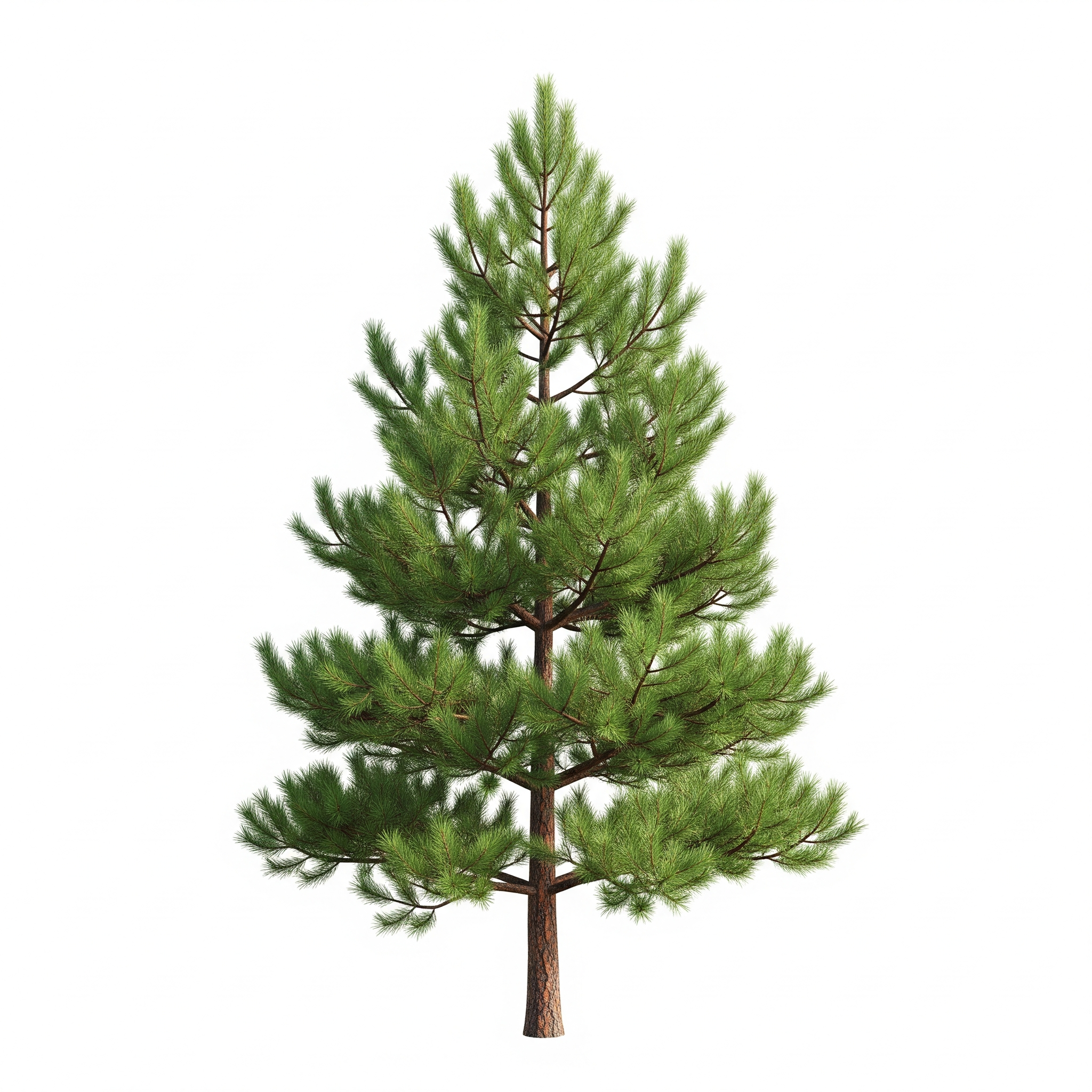
Archival print, museum-grade paper
Buy Poster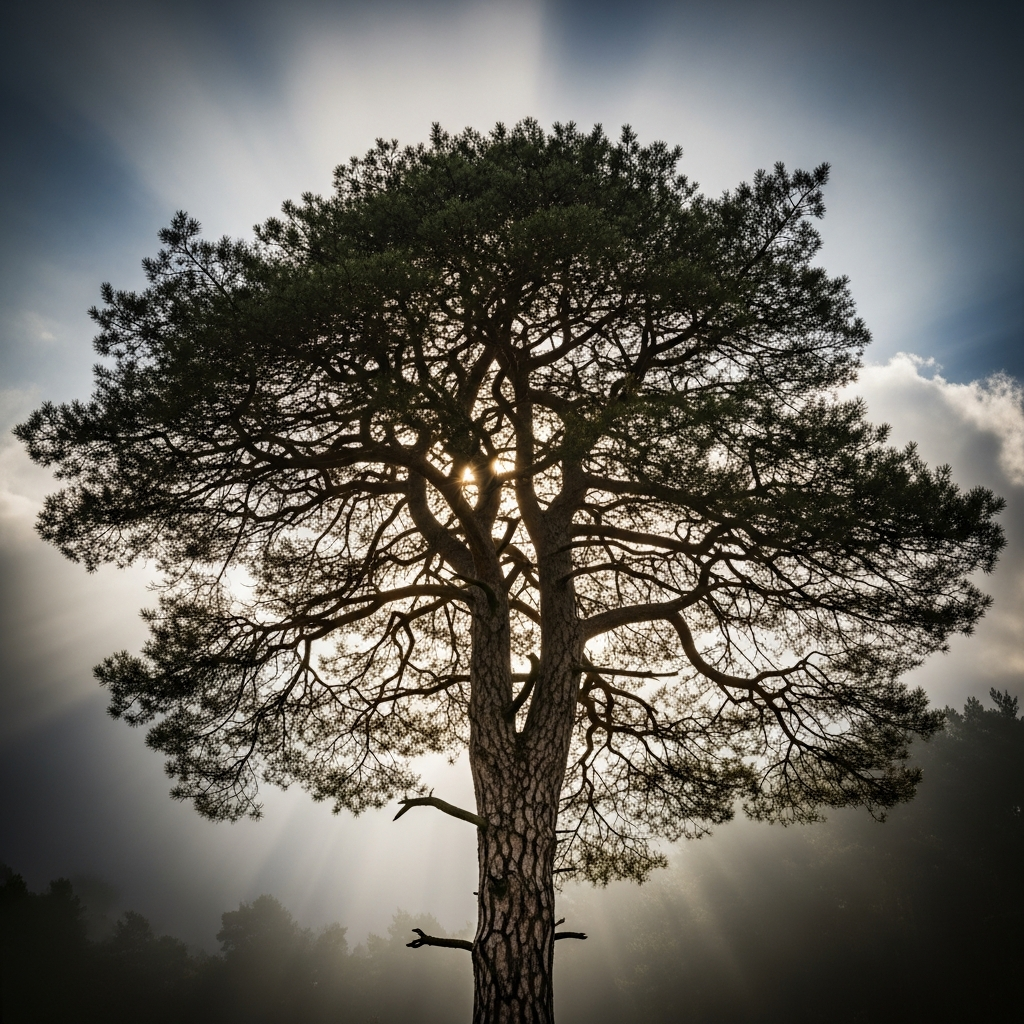
Stoneware mug, dishwasher safe
Buy Mug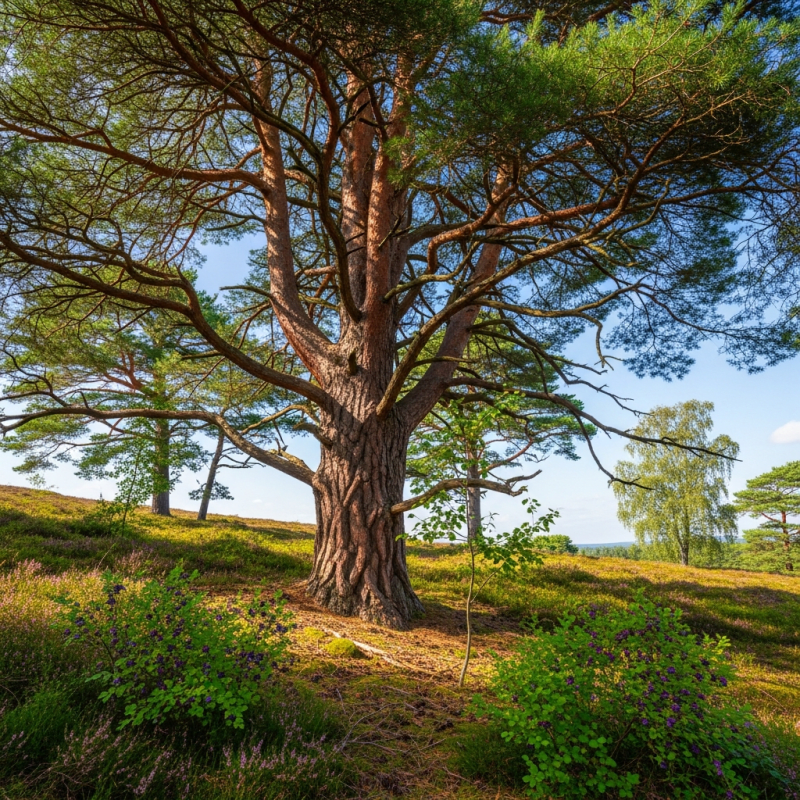
Soft cotton tee, unisex sizes
Buy ShirtPines are deeply woven into human culture, symbolizing longevity, resilience, and peace in art and literature. Their cones and needles appear in decorative crafts, and pine motifs are common in traditional medicine, folklore, and seasonal celebrations. In many cultures, pines are planted near homes and temples, reflecting their enduring presence and spiritual associations.
Pines are keystone species in many temperate and boreal forests, stabilizing soils, regulating water cycles, and creating habitats for birds, mammals, and insects. Their needles and cones provide food and shelter, while their fire-adapted traits help maintain ecosystem resilience. Pines also influence nutrient cycling and forest succession, shaping the biodiversity and health of their environments.

Pines are native to the Northern Hemisphere, with natural ranges spanning North America, Eurasia, and North Africa. They thrive in a variety of habitats, from boreal and temperate forests to mountains, coastal dunes, and arid plains. Their ability to tolerate poor soils and drought allows pines to colonize challenging environments, and many species have been introduced globally for forestry and landscaping.
Pines are generally easy to grow, preferring well-drained soils and full sunlight. Most species are drought-tolerant and adapt to poor soils, though some require specific conditions for optimal growth. Plant young trees with adequate spacing to accommodate mature size, and avoid overwatering. Monitor for pests such as bark beetles and diseases like white pine blister rust. Pruning is rarely needed, but removing dead branches can improve health and appearance. For seed propagation, some species require stratification or exposure to heat to trigger germination.
Pines face threats from invasive pests (pine wilt nematode, bark beetles), diseases (white pine blister rust), habitat loss, and climate change. Conservation efforts include monitoring forest health, breeding resistant varieties, and protecting native habitats. Sustainable forestry practices and reforestation projects help maintain pine populations and their ecological functions.
Pines are among the most commercially important trees, supplying timber for construction, furniture, and paper. Their resin is harvested for turpentine, rosin, and medicinal products. Pine nuts from select species are valued in culinary traditions, while ornamental cultivars enhance landscapes and provide windbreaks. Pines also play roles in traditional medicine and cultural crafts, reflecting their versatility and enduring value.
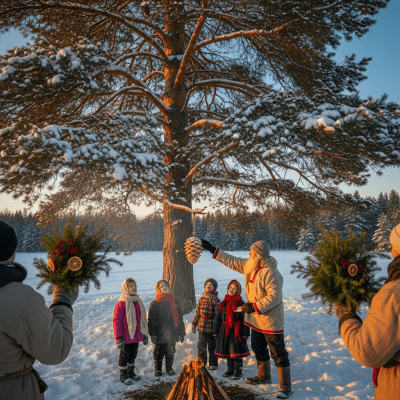
Pines symbolize endurance, immortality, and peace in many cultures. In East Asia, they represent longevity and steadfastness, often depicted in art and poetry. Pine branches and cones are used in holiday decorations and rituals, and the tree features in myths and legends as a guardian of forests and a source of healing. Their evergreen nature has inspired stories of renewal and resilience across generations.