Palm

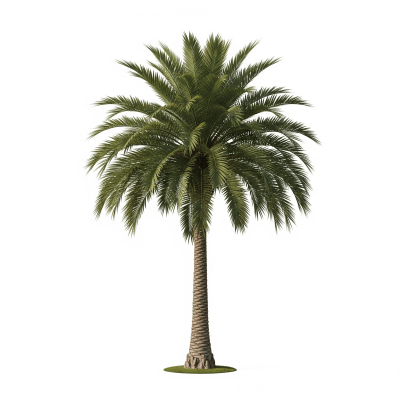
Palms are perennial, woody plants of the family Arecaceae, instantly recognized for their single trunk and crown of large, evergreen fronds; though botanically distinct from true trees, palms are celebrated worldwide for their iconic form and vital economic roles.
Origin Story

Palms trace their lineage to the late Cretaceous period, with fossil evidence suggesting their ancestors flourished over 80 million years ago. Native to tropical and subtropical regions across the globe, the family Arecaceae was formally described in the 19th century. Over millennia, palms have been cultivated and selected regionally for fruit, ornamental value, and landscape traits, making them an ancient and enduring presence in human history.

Classification

Botanically, palms belong to the family Arecaceae, within the order Arecales, class Liliopsida, division Magnoliophyta, and kingdom Plantae. Unlike most trees, palms are monocots, lacking secondary growth and true woody tissue. While their growth form places them among trees in horticultural and cultural contexts, they stand apart in botanical taxonomy due to their unique structure and evolutionary lineage.

Appearance or Form

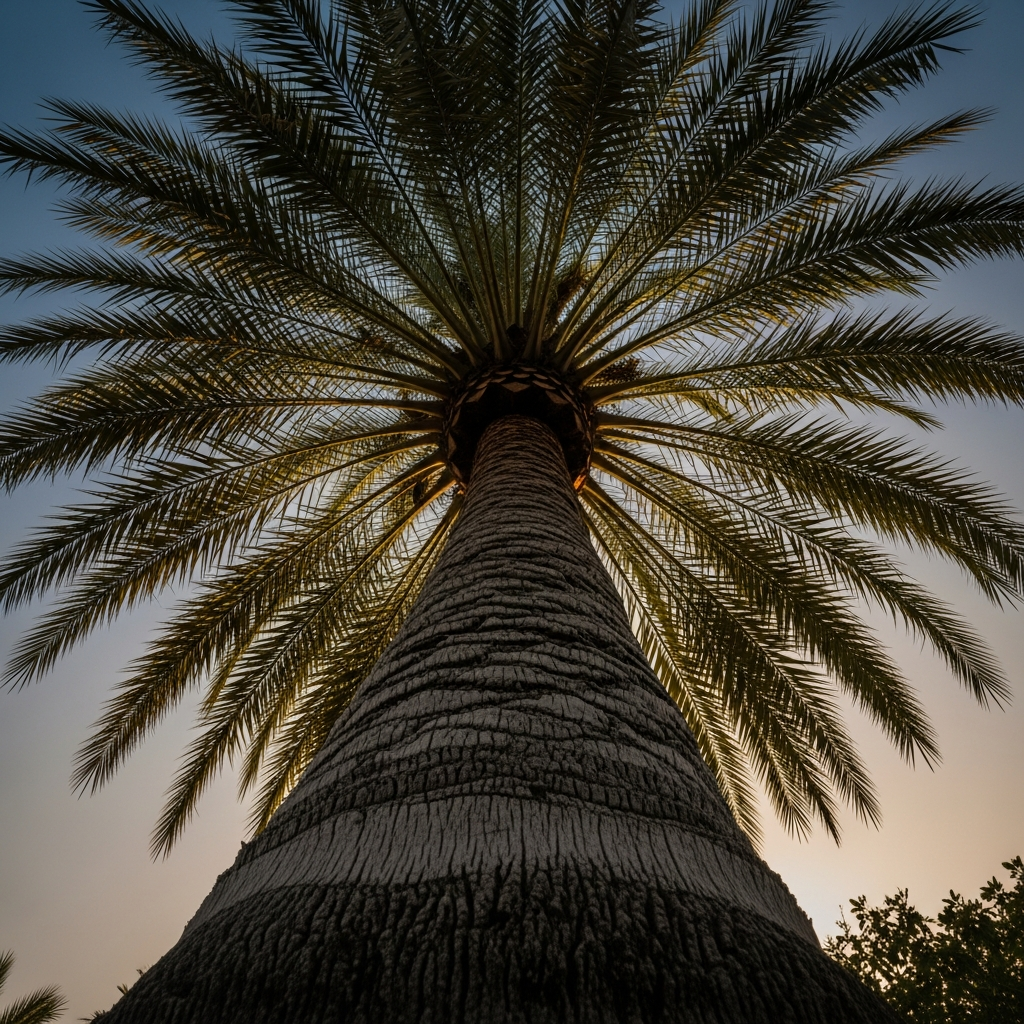
Palms typically feature a solitary, unbranched trunk—though some species form clumps—ranging in height from less than a meter to over 30 meters. Their leaves are large, either pinnate (feather-like) or palmate (fan-shaped), arranged in a lush terminal crown that remains evergreen. The trunk is composed of fibrous, non-woody tissue, giving palms a distinctive texture. Flowers are often small and subtle, nestled among the leaves, while fruits vary from drupes (such as coconuts) to berries and nuts, adding further visual and tactile diversity.

Behavior or Usage

Palms play versatile roles in both natural ecosystems and human society. They provide shade and habitat, stabilize soils, and serve as food sources for wildlife. For people, palms are vital for their edible fruits, oils, ornamental beauty, and practical materials. Their leaves are harvested for weaving and thatching, trunks for construction, and fruits for nutrition and commerce, making palms indispensable in many cultures and economies.

Merchandise & Prints

Bring this kind into your world � illustrated posters, mugs, and shirts.

Palm Palm Poster

Palm Poster

Archival print, museum-grade paper

Palm Palm Mug

Palm Mug

Stoneware mug, dishwasher safe

Palm Palm Shirt

Palm Shirt

Soft cotton tee, unisex sizes

Attributes & Insights

Taxon-Specific Insights

🌍Cultural Significance

Palms are powerful symbols of tropical and subtropical landscapes, often featured in art, architecture, and religious ceremonies. The coconut and date palms, in particular, have shaped culinary traditions and rituals across continents. Palms appear in ancient mythology, representing victory, peace, and fertility, and remain central to celebrations such as Palm Sunday in Christian tradition. Their graceful form and enduring presence have made them icons of paradise and hospitality.

📌Notable Facts

  • Palms are monocots, making them botanically distinct from most trees.
  • The coconut palm can produce up to 100 coconuts per year, while the date palm yields up to 80 kg of dates annually.
  • Some palms thrive in harsh environments, including deserts and coastal areas, showing remarkable tolerance to drought, salt, and flooding.
  • Not all plants called "palms" are true palms—sago palm, for example, is a cycad.
  • Palms have been cultivated for thousands of years and are central to economies and cultures worldwide.

Ecological Role

Palms are keystone species in many tropical and subtropical ecosystems. Their fruits feed birds, mammals, and insects, while their trunks and leaves provide shelter and nesting sites. Palms help stabilize soils, especially in coastal and riparian zones, and contribute to nutrient cycling. Some species are adapted to extreme conditions, supporting life in deserts and flood-prone areas where few other trees can survive.

Visual Variations

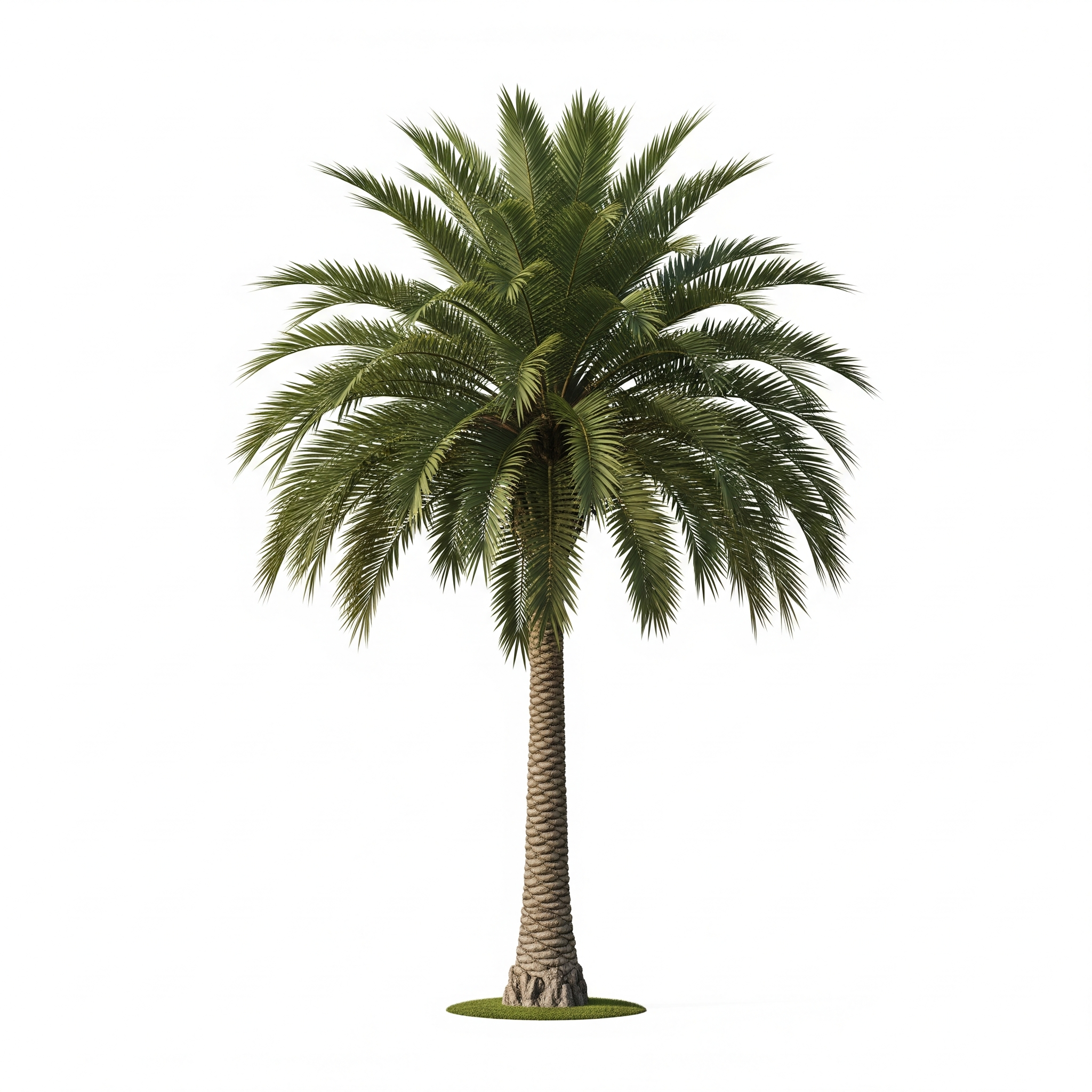
High quality photograph of a single Palm
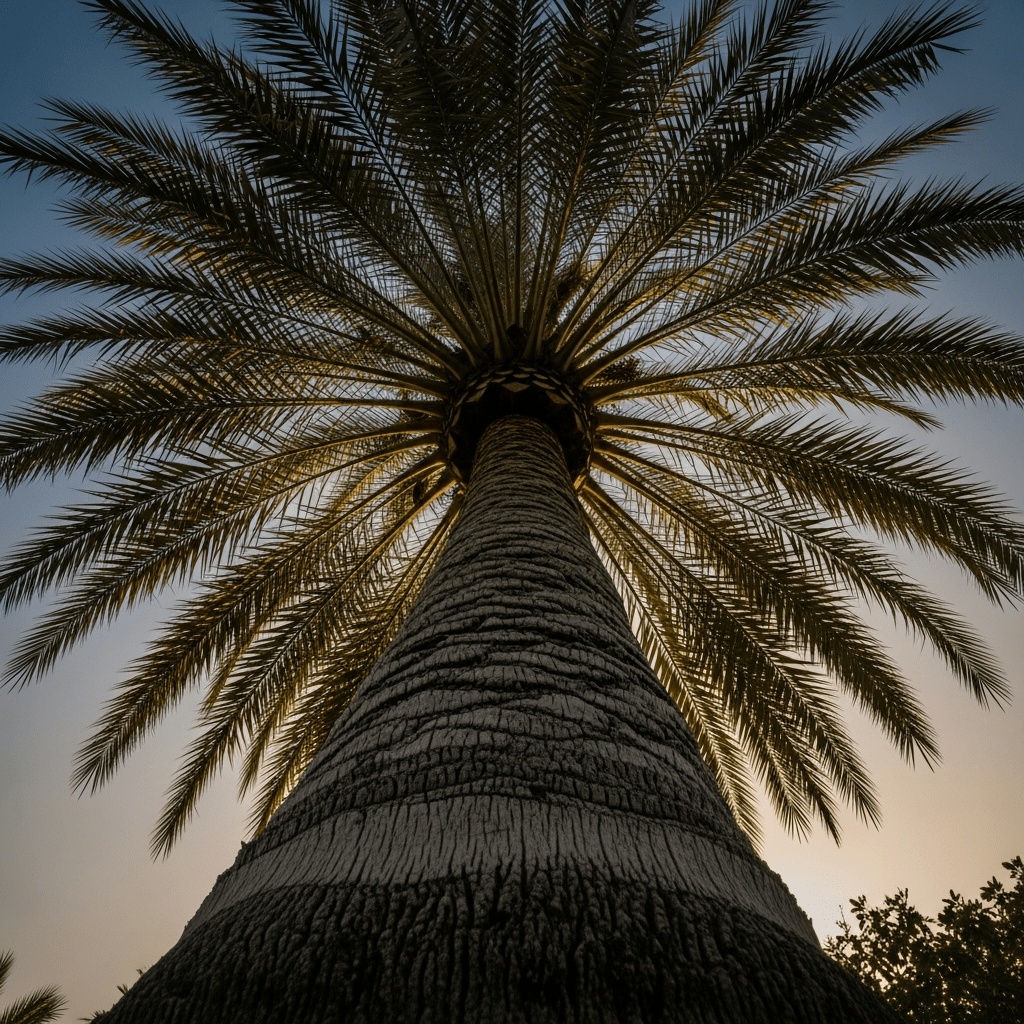
A realistic depiction of a mature Palm (trees) in its typical natural environment
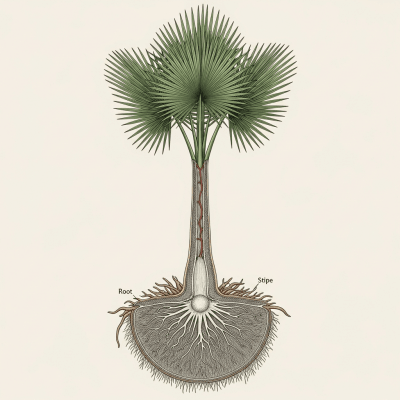
Detailed botanical illustration of the internal structure of a Palm
Image showing a Palm as used or celebrated in human culture

Composition & Context

Taxon-Specific Insights

🌳Notable Species

  • Coconut palm (Cocos nucifera): Source of coconut fruit, oil, water, and fiber; iconic in tropical regions.
  • Date palm (Phoenix dactylifera): Staple fruit crop in arid climates, valued for sweet dates.
  • African oil palm (Elaeis guineensis): Major global source of palm oil.
  • Betel nut palm (Areca catechu): Produces betel nuts, widely used in Asia.
  • Royal palm (Roystonea regia): Ornamental species, prized for its majestic stature.
  • Palmetto (Sabal spp.): Includes several fan palms native to the Americas, valued for hardiness and landscaping.

Distribution And Habitat

Palms are distributed throughout tropical and subtropical regions worldwide, thriving in rainforests, savannas, deserts, and coastal zones. Some species are highly specialized, tolerating drought, salt, or periodic flooding, while others flourish in humid, shaded environments. Their adaptability allows palms to be a dominant feature from island beaches to arid oases and urban landscapes.

Cultivation And Care

Palms are generally propagated from seeds, which may require warmth and moisture to germinate. Most species prefer well-drained soils and full to partial sunlight, though some tolerate shade or poor soils. Regular watering is essential for young palms, while mature specimens often withstand drought. Pruning dead fronds and monitoring for pests and diseases helps maintain health and appearance. Species-specific care is important—some palms need protection from cold, while others thrive in exposed, salty environments.

Threats And Conservation

Many palm species face threats from habitat loss, overharvesting, and disease. Urbanization, deforestation, and unsustainable agriculture reduce wild populations. Some economically important species are vulnerable to pests and fungal infections. Conservation efforts focus on habitat protection, sustainable harvesting, and cultivation of rare or endangered palms in botanical gardens and seed banks.

Economic And Practical Uses

Palms are indispensable in global economies. The coconut palm provides fruit, oil, water, fiber, and construction material. Date palms supply a staple fruit in arid regions. African oil palms are the world's leading source of vegetable oil. Hearts of palm are a delicacy, while betel nuts are culturally significant in Asia. Palm leaves are used for weaving, thatching, and ceremonial purposes, and the fibrous trunk can be used for crafts and fuel. Ornamental palms enhance landscapes and symbolize tropical luxury.

Symbolism And Folklore

Palms are rich in symbolism, representing peace, victory, fertility, and paradise in cultures worldwide. In Christianity, palm branches are associated with Palm Sunday and triumphal processions. Ancient civilizations revered palms as emblems of abundance and resilience. In art and literature, palms evoke exoticism, hospitality, and the promise of shelter and sustenance.

Identification Tips

  • Look for a single, unbranched trunk topped with a crown of large, evergreen fronds.
  • Leaves may be feather-like (pinnate) or fan-shaped (palmate).
  • Palms rarely have branches; most species grow straight upward.
  • Flowers are usually small and hidden among the leaves; fruits can be large and distinctive, such as coconuts or dates.
  • Trunk texture is fibrous and lacks the rings seen in woody trees.

Faq

  • Are palms considered true trees?
    Botanically, palms are monocots and lack true wood, but they are often included in the tree category due to their growth form and ecological roles.
  • Where do palms grow naturally?
    Palms are native to tropical and subtropical regions around the world, from rainforests to deserts.
  • What are the most economically important palm species?
    Coconut palm (Cocos nucifera), date palm (Phoenix dactylifera), and African oil palm (Elaeis guineensis) are among the most significant for food, oil, and materials.