Oak
Oaks are perennial, woody trees of the genus Quercus, famed for their longevity, ecological importance, and robust timber, and are native to temperate and subtropical regions worldwide.
Oaks are perennial, woody trees of the genus Quercus, famed for their longevity, ecological importance, and robust timber, and are native to temperate and subtropical regions worldwide.
The oak's story begins over 55 million years ago, with fossil records tracing its lineage to the Paleogene period. Formally described by Carl Linnaeus in 1753, oaks have diversified across the Northern Hemisphere, thriving in habitats from Mediterranean woodlands to North American forests. Their evolutionary journey within the Fagaceae family has produced over 400 species, each adapted to distinct climates and landscapes.
Oaks belong to the plant kingdom Plantae, division Magnoliophyta, class Magnoliopsida, order Fagales, and family Fagaceae. The genus Quercus encompasses all true oaks, which are further divided into sections and subgenera based on leaf, acorn, and growth characteristics. This botanical hierarchy situates oaks among other notable forest trees, with clear distinctions from related genera.
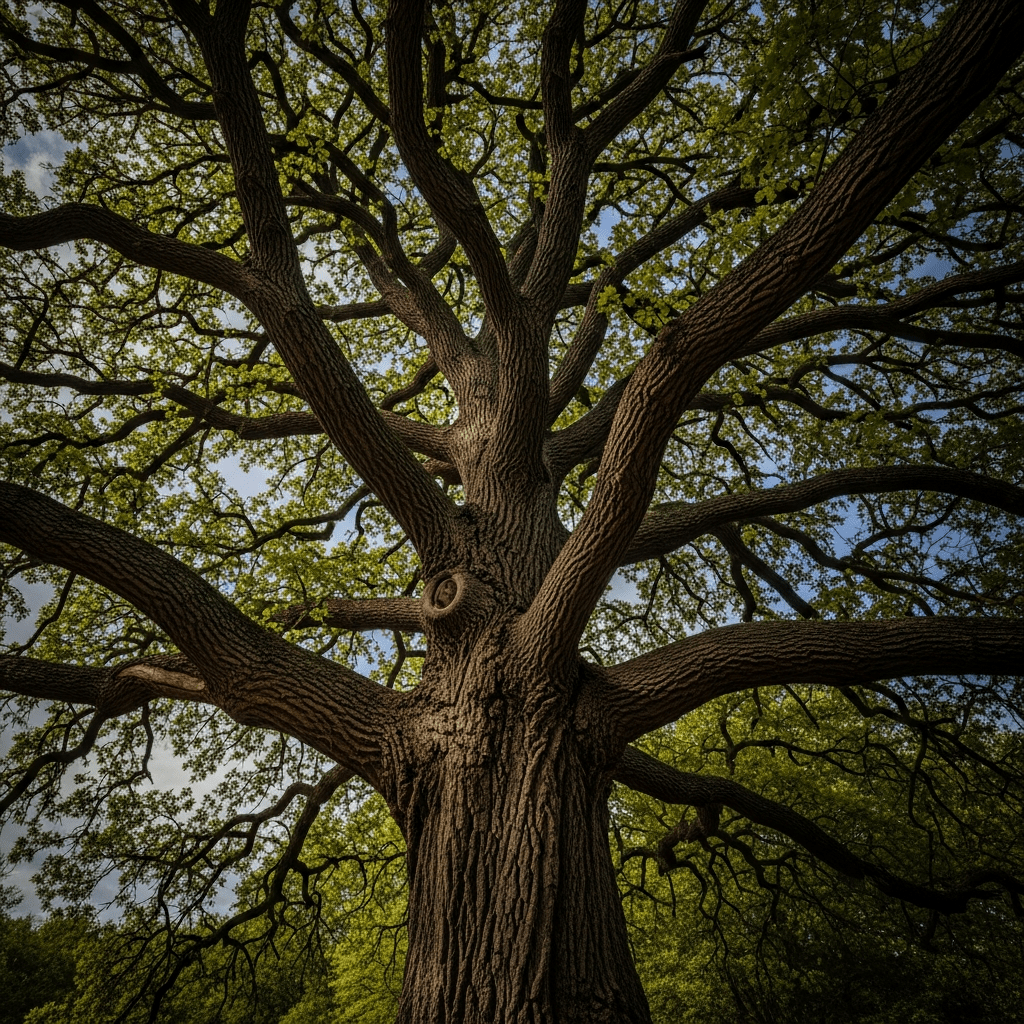
Oaks are distinguished by their single, sturdy trunk and expansive, elevated canopy. Mature specimens often reach 20–40 meters in height, with some giants exceeding 50 meters. Their leaves are typically simple, alternate, and often lobed, varying in shape and texture across species. Oaks produce acorns—smooth, hard nuts nestled in scaly cups—that mature over one or two seasons. The bark is usually rugged and deeply fissured, contributing to the tree’s iconic, enduring presence in forests and landscapes.
Oaks function as ecological keystones, supporting diverse wildlife and stabilizing soils. Their acorns feed birds, mammals, and insects, while dense canopies provide shelter and shade. For humans, oaks are prized for their hard, durable wood, used in construction, furniture, and barrel-making. Some species, like cork oak, offer unique resources such as cork. Oaks are also valued as ornamental trees in parks and gardens, appreciated for their shade and stately form.
Bring this kind into your world � illustrated posters, mugs, and shirts.
Archival print, museum-grade paper
Buy Poster
Stoneware mug, dishwasher safe
Buy Mug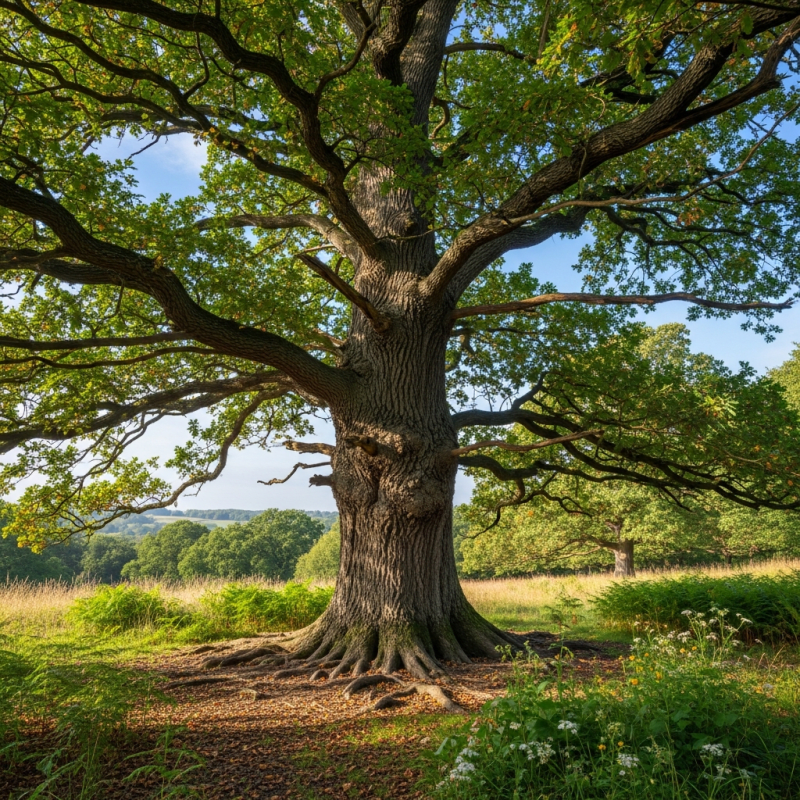
Soft cotton tee, unisex sizes
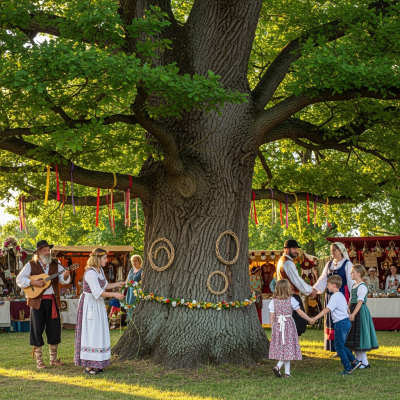
Buy ShirtThroughout history, oaks have symbolized strength, endurance, and wisdom in art, myth, and literature. They appear in ancient Greek and Celtic traditions as sacred trees, feature in national emblems, and are celebrated in poetry and folklore. Oaks are often planted to commemorate events or honor individuals, reflecting their deep-rooted cultural resonance across continents.
Oaks anchor forest ecosystems, providing food and habitat for countless species. Their acorns sustain birds, deer, squirrels, and insects, while their leaves and branches offer shelter and nesting sites. Oaks enrich soils through leaf litter and support complex mycorrhizal networks underground. By resisting wind and drought, they stabilize landscapes and foster biodiversity, making them indispensable to woodland health.
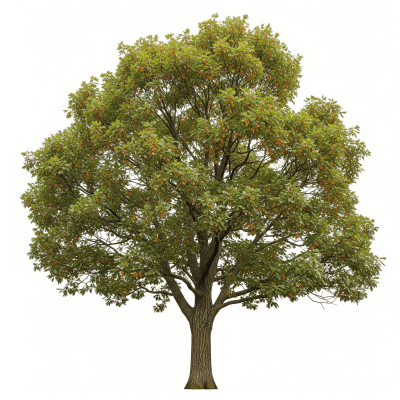
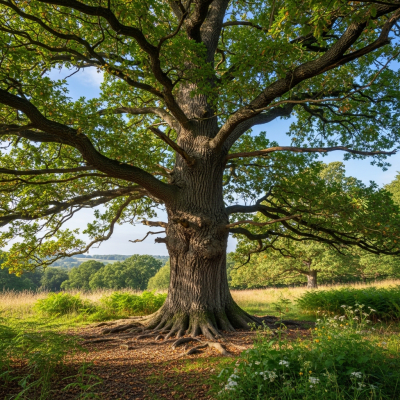

Oaks are native to temperate and subtropical regions throughout the Northern Hemisphere, flourishing across North America, Europe, Asia, and North Africa. They inhabit diverse environments, from dense forests and open woodlands to Mediterranean scrub and savannas. Species-specific adaptations allow oaks to thrive in varied soils, moisture levels, and climates, making them among the most widespread and ecologically versatile trees.
Oaks are best grown from acorns or young saplings in well-drained soils with ample sunlight. While generally slow-growing, they require minimal intervention once established, thanks to their natural resistance to wind and drought. Regular watering aids young trees, but mature oaks seldom need supplemental care. Pruning should be done judiciously to maintain form and health. Monitoring for pests like oak wilt and gypsy moth is advisable, as susceptibility varies by species.
Major threats to oaks include diseases such as oak wilt, infestations by gypsy moths, habitat loss, and climate change. Some species face declining populations due to deforestation and urban expansion. Conservation efforts focus on protecting native habitats, monitoring tree health, and promoting genetic diversity through seed banks and restoration projects. Oaks are recognized by conservation authorities for their ecological and cultural value, warranting ongoing protection.
Oak timber is renowned for its hardness and durability, making it a preferred material in construction, furniture, flooring, and cooperage—especially for wine and whiskey barrels. Cork oak provides the world’s supply of natural cork, essential for bottle stoppers and insulation. Acorns, though not widely consumed today, have been a traditional food in some cultures. Oaks also serve as ornamental shade trees and enhance biodiversity in managed landscapes.
Oaks have long symbolized strength, endurance, and wisdom. In ancient mythology, they were sacred to gods like Zeus and revered by Druids. The oak appears in countless legends, proverbs, and national emblems, representing steadfastness and protection. Planting an oak is often seen as an act of legacy, with the tree’s longevity embodying hope for future generations.