Maple
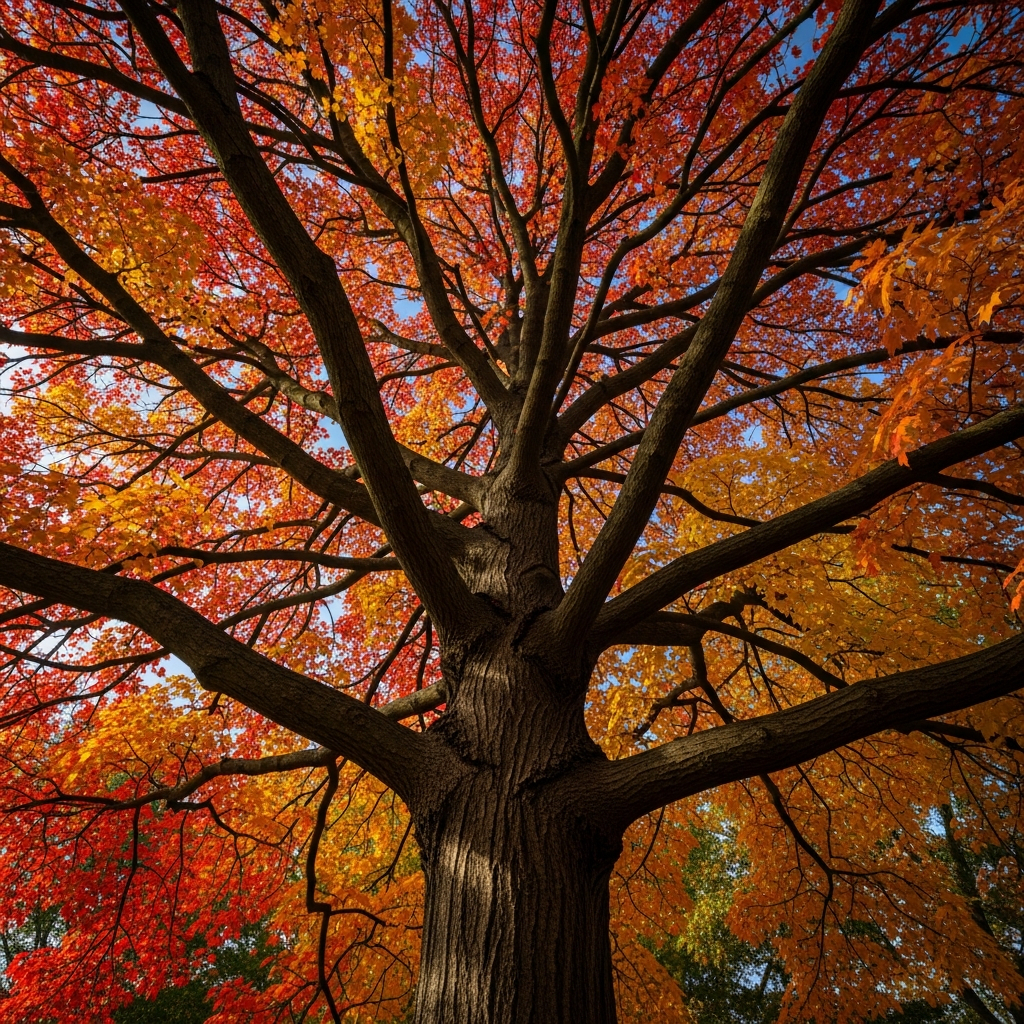
Maples are a diverse genus of deciduous trees celebrated for their iconic palmate leaves, spectacular autumn colors, and vital roles in timber, syrup production, and ornamental landscaping.
Maples are a diverse genus of deciduous trees celebrated for their iconic palmate leaves, spectacular autumn colors, and vital roles in timber, syrup production, and ornamental landscaping.
The maple genus (Acer) was first formally described by Carl Linnaeus in 1753, but its species have been recognized and cultivated for centuries. Maples are native to the Northern Hemisphere, with key centers of diversity in eastern North America, Europe, and western Asia. Over time, both wild and cultivated varieties have emerged, including numerous horticultural selections and hybrids prized for their ornamental beauty.
Maples belong to the genus Acer within the family Sapindaceae, order Sapindales, class Magnoliopsida, division Magnoliophyta, and kingdom Plantae. The genus comprises over 130 recognized species, all fitting the botanical definition of trees: perennial, woody plants with a single trunk and elevated canopy. Maples are classified as angiosperms (flowering plants), and their taxonomic placement is supported by leading authorities such as World Flora Online and Kew Science.
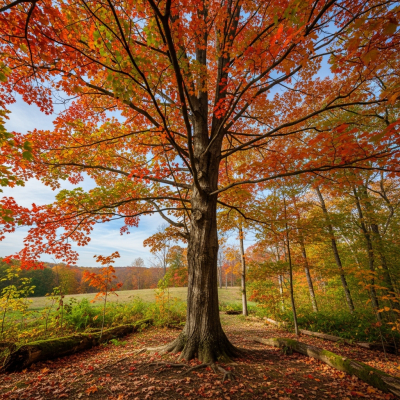
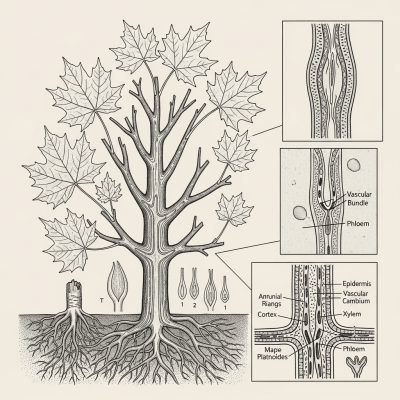
Maples are typically medium to large deciduous trees, ranging from 10 to over 40 meters tall. Their leaves are opposite, often simple or occasionally compound, and most famously palmate with 3–9 lobes—creating the classic maple silhouette. Young trees feature smooth, gray bark, which becomes rough and fissured as they age. In spring, clusters of small, greenish-yellow flowers appear before or with the leaves. The fruit is a distinctive double samara, often called a "helicopter" seed, which spins as it falls. In autumn, maples are renowned for their brilliant foliage in shades of red, orange, and yellow.
Maples are highly valued for their versatility and adaptability. They thrive in temperate climates and tolerate urban environments, making them popular choices for city streets, parks, and gardens. Their wood is prized for its hardness and fine grain, while the sap of certain species is tapped for maple syrup. Ornamental varieties, such as Japanese maple, are cultivated for their striking foliage and elegant form. Some maples are also used in bonsai, and their ecological presence supports wildlife and stabilizes soils.
Bring this kind into your world � illustrated posters, mugs, and shirts.

Archival print, museum-grade paper
Buy Poster
Stoneware mug, dishwasher safe
Buy Mug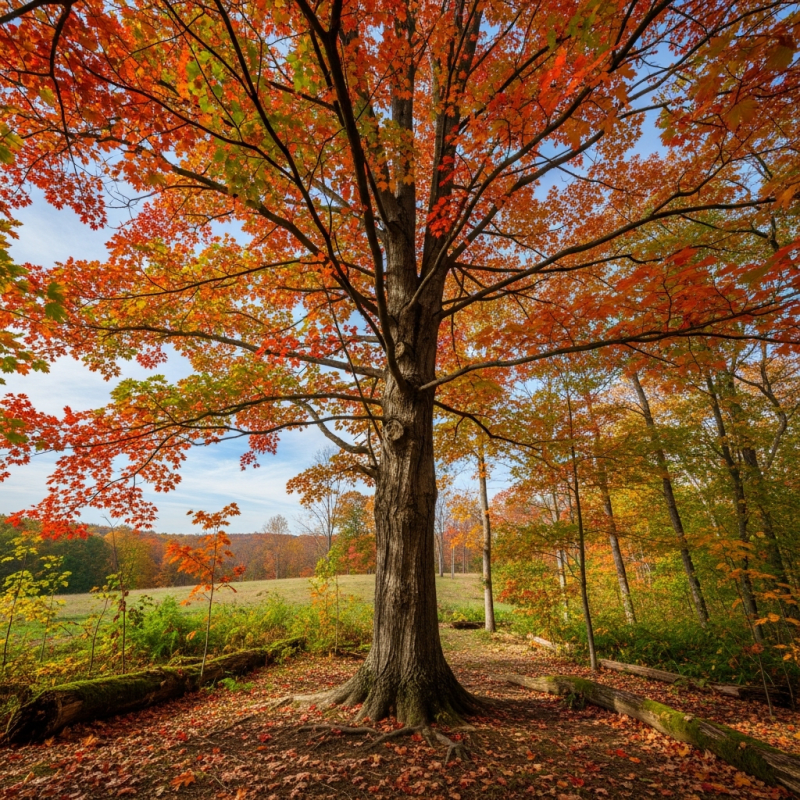
Soft cotton tee, unisex sizes
Buy ShirtMaples hold deep cultural resonance across the globe. The maple leaf is a national symbol of Canada, featured prominently on its flag and in its identity. In Japan, the Japanese maple is celebrated in art, poetry, and seasonal festivals, symbolizing grace and the beauty of change. Maples often appear in folklore, literature, and landscape painting, representing endurance, transformation, and connection to nature.
Maples play a crucial ecological role in temperate forests and urban landscapes. Their dense canopies provide shade and habitat for birds, insects, and small mammals. The leaves contribute to nutrient cycling as they decompose, enriching the soil. Maple flowers offer early spring nectar for pollinators, while their seeds feed wildlife and disperse widely. As pioneer species, some maples help stabilize disturbed soils and support forest succession.
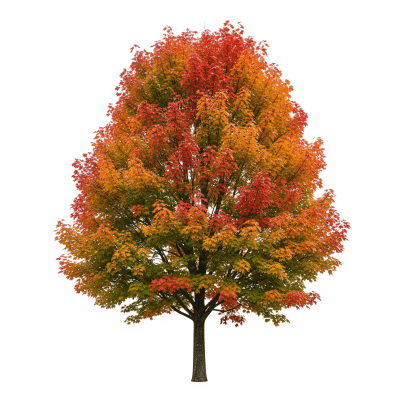

Maples are distributed throughout the Northern Hemisphere, with species native to North America, Europe, and Asia. They thrive in temperate regions, preferring moist, well-drained soils and moderate climates. Some species, like the sugar maple, are found in mature forests, while others, such as Norway maple, adapt well to urban and disturbed sites. Their broad geographic range reflects their ecological flexibility and horticultural popularity.
Maples are generally easy to cultivate, making them favorites for home gardens and public landscapes. They prefer locations with full sun to partial shade and moist, well-drained soils. Regular watering during dry spells helps young trees establish strong roots. Pruning should be done in late winter or early spring to shape the canopy and remove dead wood. Maples are tolerant of cold and urban pollution but can be susceptible to diseases like verticillium wilt and pests such as the Asian longhorned beetle. Mulching and careful site selection help reduce stress and promote healthy growth.
Maples face several threats, including invasive pests (notably the Asian longhorned beetle), diseases like verticillium wilt, and environmental stressors such as drought and soil compaction. Some species are at risk from habitat loss and climate change. Conservation efforts focus on monitoring populations, controlling invasive pests, and preserving genetic diversity through seed banks and protected areas. Urban forestry programs often include maples for their resilience and ecological benefits.
Maples are economically vital for their wood and sap. Maple syrup, produced mainly from sugar maple sap, is a staple in North American cuisine. Maple wood is highly valued for furniture, flooring, cabinetry, and musical instruments due to its strength and attractive grain. Ornamental maples, such as Japanese maple, enhance gardens and landscapes with their vivid foliage and graceful form. Some species are cultivated for bonsai, and maples are frequently used in urban greening projects for their hardiness and beauty.
The maple tree is steeped in symbolism and folklore. In Canada, the maple leaf stands as a national emblem, representing unity, peace, and natural abundance. In Japanese culture, the changing colors of the maple are celebrated in poetry and art, symbolizing the impermanence and beauty of life. Folktales often feature maples as symbols of strength, endurance, and transformation, and their leaves are used in seasonal festivals and rituals around the world.