
Magnolia
Magnolia is a genus of flowering trees and shrubs celebrated for their spectacular, fragrant blossoms and glossy foliage, widely admired in gardens and landscapes around the world.
Magnolia is a genus of flowering trees and shrubs celebrated for their spectacular, fragrant blossoms and glossy foliage, widely admired in gardens and landscapes around the world.
Magnolia traces its evolutionary roots to the Cretaceous period, making it one of the oldest flowering plant lineages still thriving today. First described by Carl Linnaeus in 1753 and named for Pierre Magnol, the genus originated in eastern and southeastern Asia, eastern North America, Central America, and parts of South America. Over centuries, botanists have discovered and cataloged approximately 210 species, each adapted to diverse temperate and subtropical regions.
Magnolia belongs to the family Magnoliaceae within the order Magnoliales, class Magnoliopsida, division Magnoliophyta, and kingdom Plantae. As angiosperms, magnolias are part of the flowering plant group, and the genus encompasses both tree and shrub forms. Extensive taxonomic revisions have unified formerly separate genera such as Michelia and Manglietia under Magnolia, reflecting advances in botanical understanding.
Magnolias are visually striking, featuring simple, alternate, leathery leaves that often gleam with a glossy finish. Their flowers are large, showy, and frequently fragrant, with numerous undifferentiated tepals in shades ranging from pure white and soft pink to deep purple and buttery yellow. Depending on species, magnolias may grow as medium to large trees—reaching heights from 3 to over 30 meters—or as robust shrubs. The bark is typically smooth, and the wood is pale and soft. In spring, their blooms can transform entire landscapes with dramatic displays.
Magnolias are primarily cultivated for their ornamental value, gracing parks, gardens, and urban spaces with their stunning flowers and lush foliage. Some species, notably Magnolia officinalis, are valued in traditional Chinese medicine for their bark's therapeutic properties. Magnolia flowers are sometimes used in teas or as edible garnishes in East Asia. Ecologically, their ancient pollination strategy relies on beetles, a nod to their early evolutionary origins. While their wood is soft and not prized for timber, magnolias remain essential for aesthetic and cultural enrichment.
Bring this kind into your world � illustrated posters, mugs, and shirts.

Archival print, museum-grade paper
Buy Poster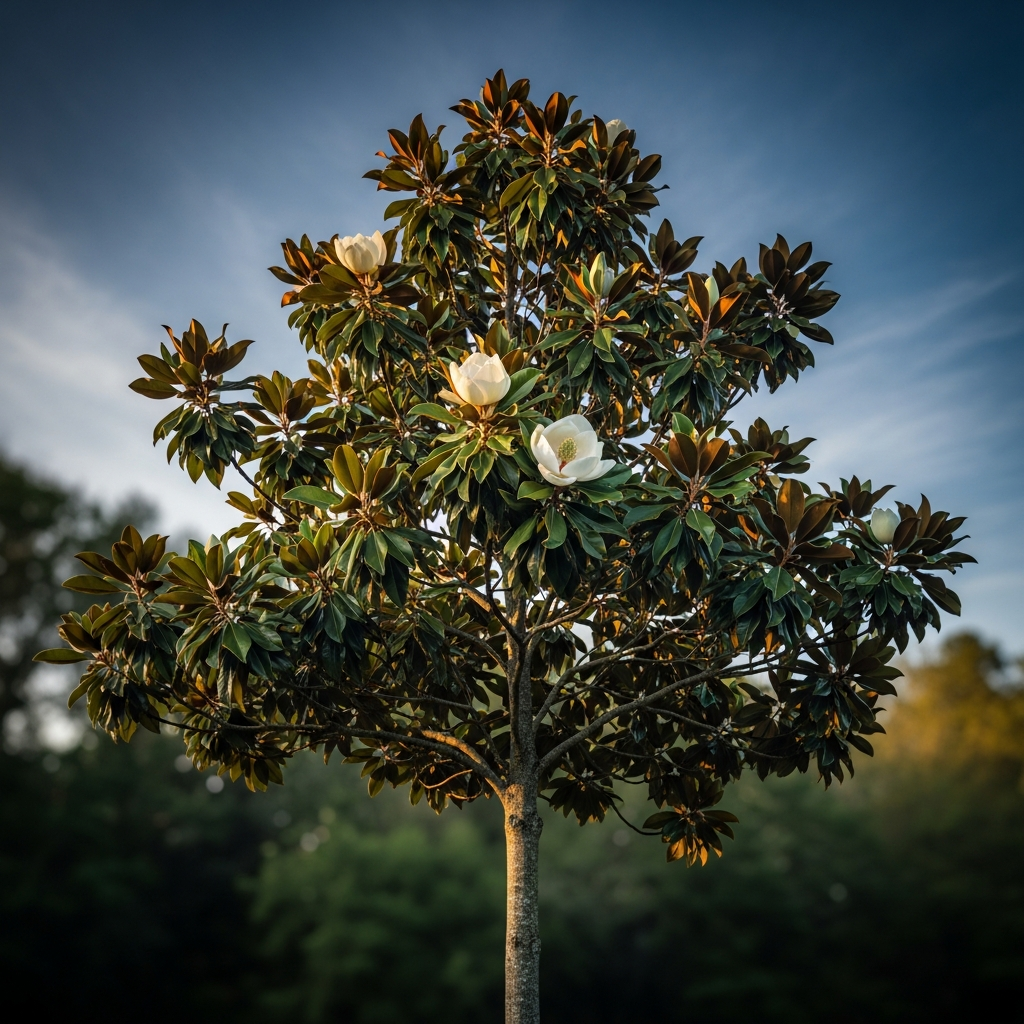
Stoneware mug, dishwasher safe
Buy Mug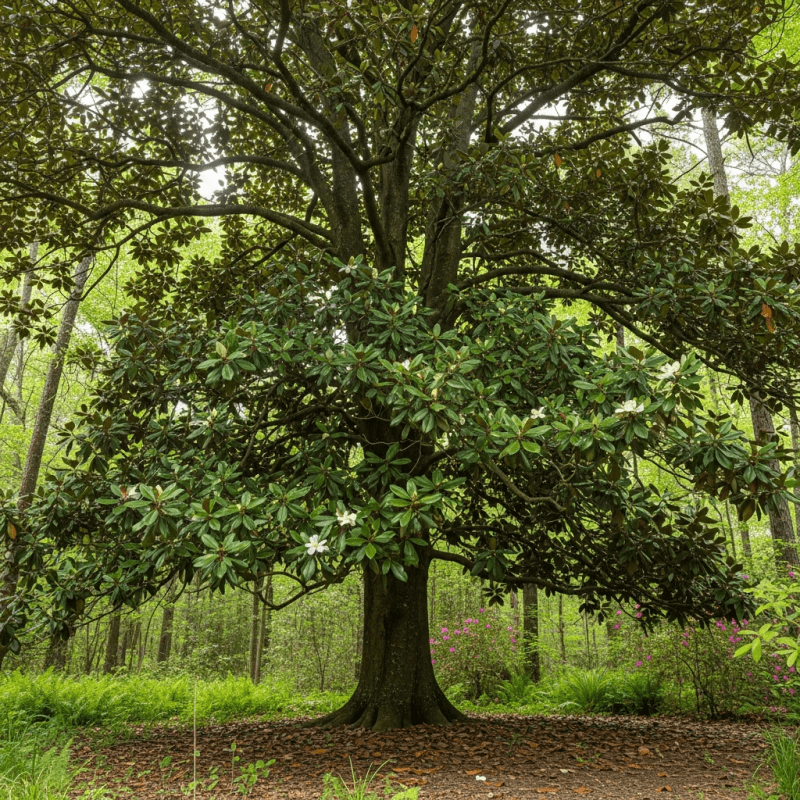
Soft cotton tee, unisex sizes
Buy ShirtMagnolias hold a cherished place in cultures across Asia and the Americas. In China, the "Yulan" magnolia symbolizes purity and nobility, often featured in art and poetry. In the southern United States, the "Southern magnolia" is an emblem of hospitality and grace, frequently appearing in literature and as a motif in design. Magnolias also inspire festivals, folklore, and botanical illustrations, celebrated for their timeless beauty and evocative fragrance.
Magnolias play a vital ecological role in their native habitats. Their flowers provide an important food source for beetles and other early-season pollinators, while their dense foliage offers shelter for birds and insects. The seeds are consumed by wildlife, and the trees contribute to the structure and diversity of temperate and subtropical forests. By supporting pollinator populations and enriching local biodiversity, magnolias help maintain healthy ecosystems.


Magnolias are naturally distributed across eastern and southeastern Asia, eastern North America, Central America, and parts of South America. They thrive in temperate and subtropical climates, favoring moist, rich, well-drained soils. Some species are adapted to woodland understories, while others flourish in open landscapes or along riverbanks. Their global presence reflects both ancient origins and widespread cultivation.
To cultivate magnolias successfully, plant them in a location with rich, well-drained soil and ample sunlight or partial shade. Avoid disturbing their sensitive roots, as magnolias do not transplant easily once established. Water regularly during dry spells, mulch to retain moisture, and protect young trees from harsh winds. Prune only when necessary, ideally after flowering, to maintain form and health. Propagation is typically achieved by seed, cuttings, or grafting, depending on the species.
While many magnolia species are resilient, some face threats from habitat loss, deforestation, and overharvesting for medicinal use. Certain species are listed as vulnerable or endangered, especially in Asia and Central America. Conservation efforts focus on habitat protection, ex-situ cultivation in botanical gardens, and international collaboration to preserve genetic diversity. Gardeners and land managers can contribute by planting native species and supporting sustainable practices.
Magnolias are prized in horticulture for their ornamental value, transforming landscapes with their dramatic blooms and foliage. Magnolia officinalis is significant in traditional Chinese medicine, with bark extracts used for their anti-inflammatory and calming effects. Magnolia flowers are sometimes used in teas and as edible garnishes in East Asia. Though the wood is soft and not widely used for timber, bark and flower extracts are increasingly explored for pharmaceutical and cosmetic applications.
Magnolias symbolize purity, dignity, and perseverance in many cultures. In China, the "Yulan" magnolia is associated with feminine beauty and nobility. In the American South, magnolias evoke hospitality and grace, often featured in stories and decorative arts. Japanese culture reveres magnolias for their fleeting yet exquisite blossoms, representing the transience of life. These trees inspire poetry, festivals, and artistic motifs across continents.