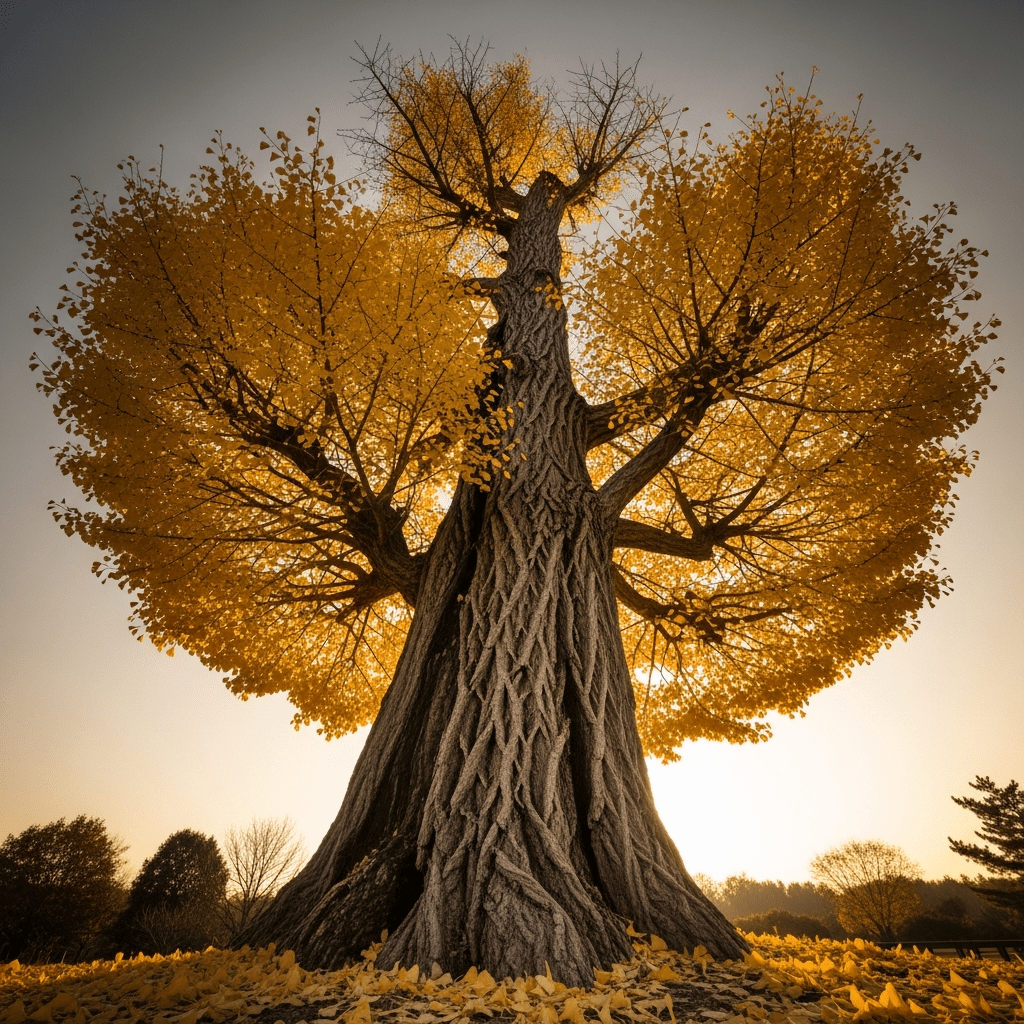
Ginkgo biloba
Ginkgo biloba is a singular, ancient tree species famed for its fan-shaped leaves, remarkable resilience, and status as the sole survivor of its botanical division, Ginkgophyta.
Ginkgo biloba is a singular, ancient tree species famed for its fan-shaped leaves, remarkable resilience, and status as the sole survivor of its botanical division, Ginkgophyta.
Ginkgo's lineage stretches back over 200 million years to the Permian period, making it one of Earth's oldest living tree species. Fossil evidence reveals that Ginkgo once flourished across much of the globe, but today, wild populations are believed to persist only in isolated pockets of southeastern China. The species was first described scientifically by Carl Linnaeus in 1771, though its true origins are lost in deep evolutionary time, with no single breeder or discoverer due to its ancient pedigree.
Ginkgo biloba is a gymnosperm, belonging to the division Ginkgophyta, class Ginkgoopsida, order Ginkgoales, and family Ginkgoaceae. It is the only extant species in its genus and division, making it a unique 'living fossil' within the tree taxonomy. Despite its broadleaf-like foliage, Ginkgo is more closely related to conifers than to flowering trees, highlighting its distinct evolutionary path.
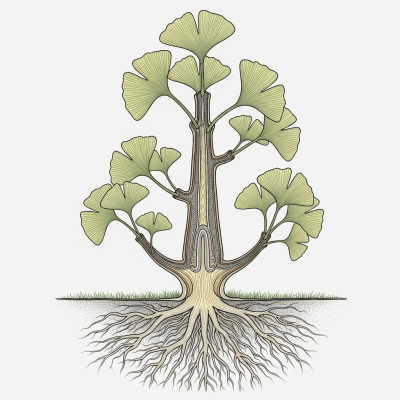
Ginkgo trees are instantly recognizable by their elegant, fan-shaped leaves with delicate, dichotomous veins. In autumn, the foliage transforms into a brilliant yellow, creating striking visual displays. Mature trees typically reach heights of 20–35 meters (65–115 feet), with straight trunks and broad, open crowns. Female trees bear seeds encased in a fleshy, malodorous outer layer, while the bark is gray and deeply furrowed in older specimens.
Ginkgo is prized for its resilience and adaptability, thriving in urban environments where many other trees struggle. It tolerates pollution, pests, and diseases, and can live for centuries. The species is dioecious, with separate male and female trees; male trees are often preferred in landscaping to avoid the strong odor of female seeds. Ginkgo is cultivated worldwide for ornamental, medicinal, and culinary purposes, and is a favorite in city parks and avenues.
Bring this kind into your world � illustrated posters, mugs, and shirts.

Archival print, museum-grade paper
Buy Poster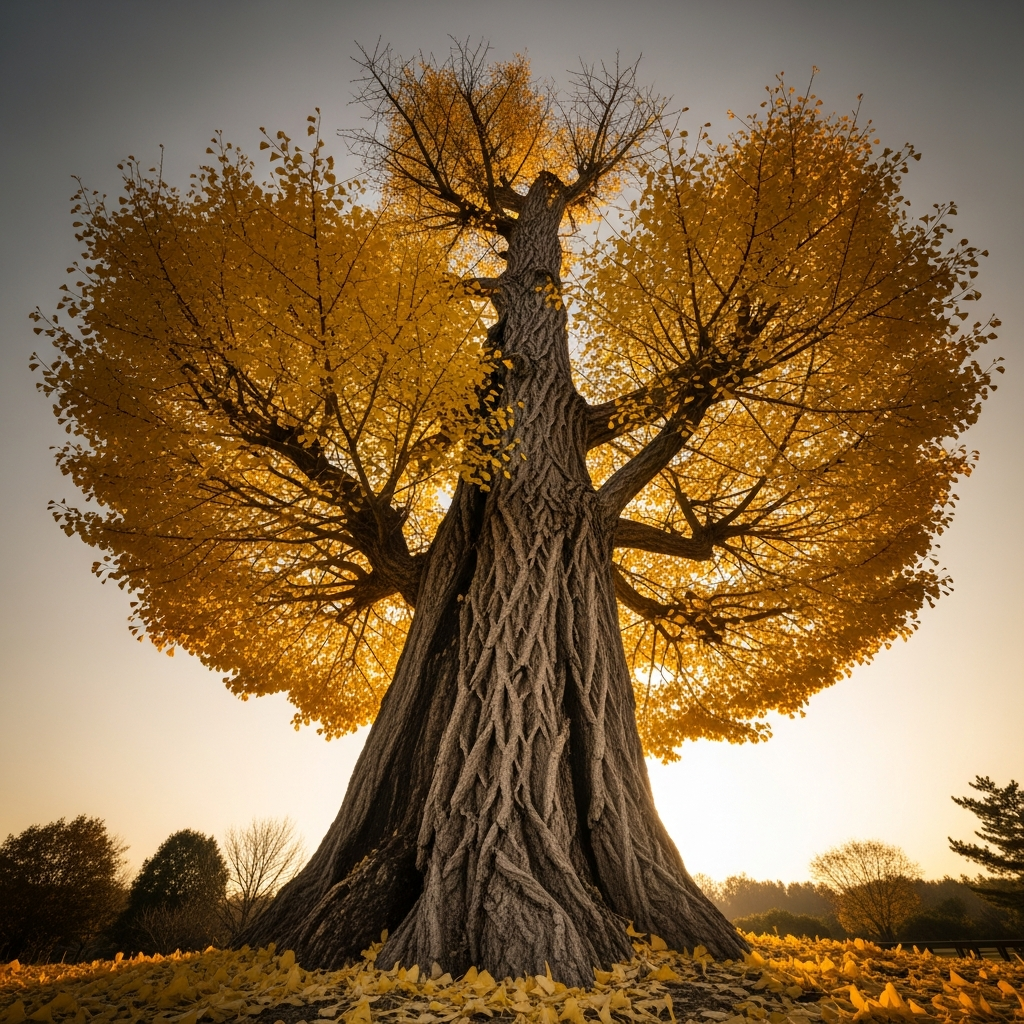
Stoneware mug, dishwasher safe
Buy Mug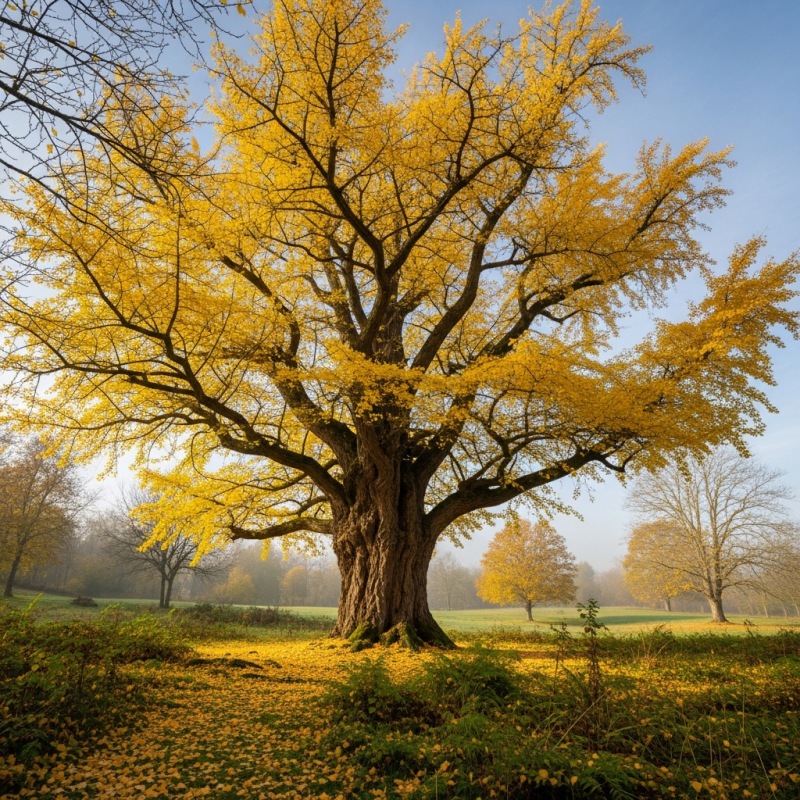
Soft cotton tee, unisex sizes
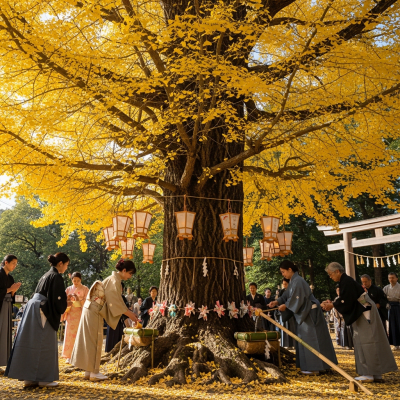
Buy ShirtGinkgo holds deep cultural resonance, especially in East Asia, where it symbolizes longevity, hope, and resilience. Its leaves and seeds feature in art, poetry, and traditional medicine. In Japan and China, ancient Ginkgo trees are revered at temples and historic sites, sometimes living for over a thousand years. The tree's survival through mass extinctions has made it an emblem of endurance in modern culture.
Ginkgo biloba plays a modest role in contemporary ecosystems, largely due to its limited natural distribution. In urban and cultivated settings, it provides shade, habitat for birds, and contributes to air quality by tolerating pollution. Its resilience allows it to thrive where other trees may fail, supporting urban biodiversity. In its native range, Ginkgo may interact with local fauna that consume its seeds, though its ecological relationships are less complex than those of more widespread species.
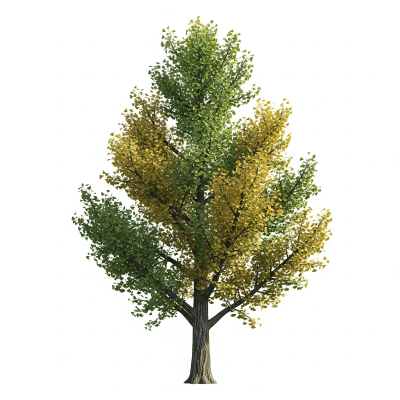
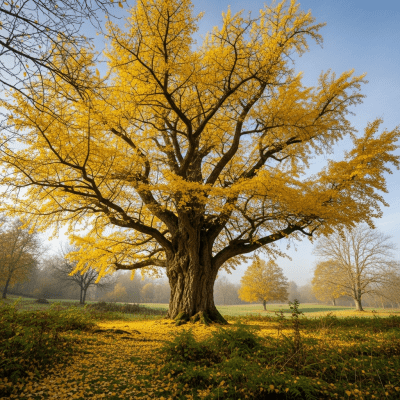
Wild Ginkgo trees are believed to survive only in remote valleys of southeastern China, though their precise natural range is debated. Today, Ginkgo is cultivated globally, thriving in temperate climates across Asia, Europe, and North America. It prefers well-drained soils and full sun, and is commonly found in city parks, streets, and gardens due to its adaptability and ornamental appeal.
Ginkgo trees are straightforward to cultivate, thriving in a wide range of soil types as long as drainage is good. They prefer full sun and tolerate drought, wind, and urban pollution. Plant male trees to avoid the odor of female seeds in public spaces. Water young trees regularly until established, and avoid waterlogged soils. Propagation is typically by seed or grafting, and mature trees require little maintenance beyond occasional pruning.
Ginkgo biloba faces few threats in cultivation, thanks to its hardiness. However, wild populations in China are extremely limited and may be at risk from habitat loss and genetic bottlenecking. Conservation efforts focus on protecting remaining wild stands and maintaining genetic diversity through cultivation. The species is not currently considered endangered due to its widespread planting, but its ancient wild lineage remains vulnerable.
Ginkgo is economically significant as an ornamental tree, valued for its beauty and resilience in urban landscapes. Its seeds are a delicacy in East Asian cuisine, used in dishes such as congee and chawanmushi after careful preparation. Ginkgo leaves and extracts are popular in herbal medicine, marketed for cognitive and circulatory benefits, though scientific consensus on efficacy is mixed. The tree's wood is rarely used commercially due to its softness and limited supply.
Ginkgo symbolizes endurance, hope, and longevity in many cultures, especially in China and Japan. Ancient trees are revered at temples and shrines, believed to bring good fortune and spiritual protection. Legends tell of Ginkgo trees surviving atomic blasts in Hiroshima, further cementing their reputation for resilience. The tree's unique leaves often appear in poetry, art, and literature as emblems of peace and renewal.