
Fig
The fig is a diverse group of woody plants in the genus Ficus, celebrated for its unique fruit structure and vital ecological roles in tropical and subtropical regions.
The fig is a diverse group of woody plants in the genus Ficus, celebrated for its unique fruit structure and vital ecological roles in tropical and subtropical regions.
Figs trace their origins to the Middle East and Western Asia, with Ficus carica domesticated over 5,000 years ago. The genus Ficus was first formally described by Carl Linnaeus in 1753 and now encompasses more than 800 species. While the common fig is rooted in ancient cultivation, other species like the banyan (Ficus benghalensis) are native to the Indian subcontinent, reflecting the genus's broad evolutionary lineage within the family Moraceae.
Figs belong to the family Moraceae and the genus Ficus, a group of perennial woody plants. The genus includes a vast array of species, ranging from small trees and shrubs to sprawling forest giants. Ficus is recognized for its distinctive syconium fruit and is classified among angiosperms (flowering plants), positioned within the broader hierarchy of the plant kingdom.
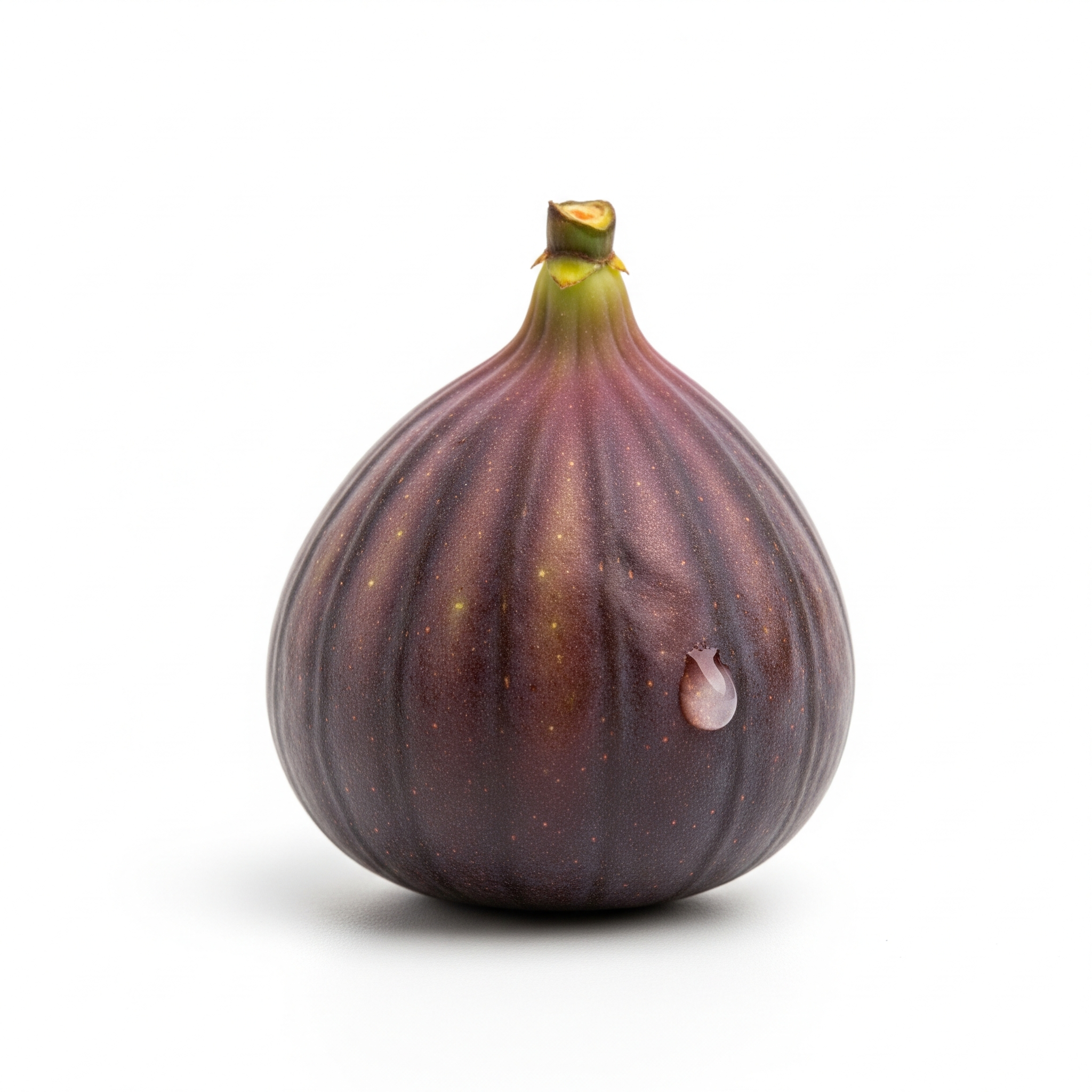
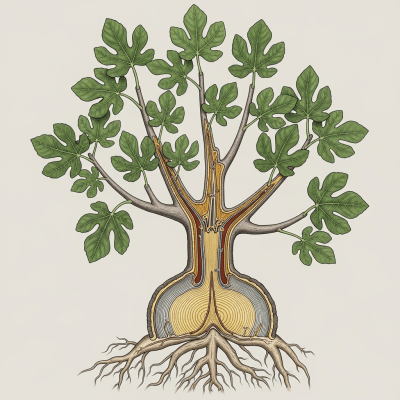
Ficus species display remarkable diversity in form. The common fig is a small deciduous tree, 3–10 meters tall, with lobed, soft green leaves and smooth bark. Banyan trees are monumental, sporting massive aerial roots that descend from branches to form secondary trunks, sometimes creating canopies over 100 meters wide. Leaves are generally simple and alternate, ranging from entire to deeply lobed. The fig fruit, called a syconium, is an enclosed, fleshy structure housing tiny flowers and edible seeds, often sweet and aromatic.
Figs serve multiple functions: many species are cultivated for their sweet, edible fruit, enjoyed fresh or dried. Others, like the banyan, provide shade and shelter in urban and rural landscapes. Ficus trees are highly adaptable, thriving in drought-prone soils and urban environments. Ornamentally, species such as the weeping fig and rubber tree are popular houseplants. Ecologically, figs are keystone species, supporting wildlife and maintaining forest health.
Bring this kind into your world � illustrated posters, mugs, and shirts.
Archival print, museum-grade paper
Buy Poster
Stoneware mug, dishwasher safe
Buy Mug
Soft cotton tee, unisex sizes
Buy ShirtFicus trees hold profound cultural and religious importance. The sacred fig (Ficus religiosa) is revered in Hinduism and Buddhism, often associated with enlightenment and sacred groves. Ancient civilizations cultivated figs for food and ritual, and the banyan tree is a symbol of immortality and shelter in South Asian cultures. Figs appear in art, mythology, and religious texts worldwide, representing fertility, wisdom, and abundance.
Ficus trees are ecological linchpins in tropical forests. Their fruit provides a year-round food source for birds, bats, monkeys, and other wildlife, supporting complex food webs. The trees' extensive canopies offer shelter and nesting sites, while aerial roots stabilize soil and create microhabitats. Figs' ability to thrive in varied environments helps maintain biodiversity and ecosystem resilience.


Figs are native to tropical and subtropical regions worldwide, with species found across Africa, Asia, the Americas, and Oceania. Ficus carica prefers Mediterranean climates, while banyans and sacred figs thrive in humid, warm environments. Ficus species inhabit forests, riverbanks, rocky hillsides, and urban landscapes, adapting to a wide range of soils and conditions.
To cultivate figs, choose a sunny location with well-drained soil. Most species tolerate drought and poor soils but may be sensitive to frost. Water regularly during establishment, and mulch to retain moisture. Prune to shape and remove dead wood. Indoor figs, like the weeping fig, prefer bright, indirect light and moderate watering. Propagation is typically by cuttings or seed, depending on the species.
While many Ficus species are resilient, threats include habitat loss, overharvesting, and disease (notably nematodes and fungal infections). Some wild species face pressures from deforestation and urban expansion. Conservation efforts focus on protecting native habitats, preserving genetic diversity, and promoting sustainable cultivation, especially for culturally significant and keystone species.
Figs are economically important for their fruit, especially Ficus carica, used fresh, dried, or processed. Timber from larger species is occasionally used for furniture and carving, though it is generally soft and not highly valued. Ornamental figs, such as the weeping fig and rubber tree, are popular in landscaping and as houseplants. Some species have historical medicinal uses, and all play a role in local economies and traditions.
Ficus trees are steeped in symbolism and folklore. The sacred fig is a symbol of enlightenment and spiritual awakening in Buddhism and Hinduism. Banyan trees represent immortality and shelter, often serving as gathering places in villages. Figs feature in ancient myths, religious texts, and art, embodying fertility, abundance, and wisdom across cultures.