Elm
Elms are stately, deciduous or semi-deciduous trees of the genus Ulmus, renowned for their serrated leaves and graceful, vase-like form, and historically cherished as shade and street trees across temperate regions.
Elms are stately, deciduous or semi-deciduous trees of the genus Ulmus, renowned for their serrated leaves and graceful, vase-like form, and historically cherished as shade and street trees across temperate regions.
The genus Ulmus was formally described by Carl Linnaeus in 1753. Elms originated in the temperate zones of the Northern Hemisphere, with native species found throughout Europe, Asia, and North America. Their evolutionary journey includes centuries of cultivation and complex hybridization, especially as horticulturists sought varieties resilient to disease. Today, elms reflect both ancient woodland heritage and the ongoing story of adaptation in urban and rural landscapes.
Elms belong to the family Ulmaceae within the order Rosales, class Magnoliopsida, division Magnoliophyta, and kingdom Plantae. The genus Ulmus encompasses numerous species, each sharing key botanical traits but varying in form and habitat. Their placement among the flowering plants (angiosperms) distinguishes them from conifers and other gymnosperms, and their close relatives include hackberries and zelkovas.
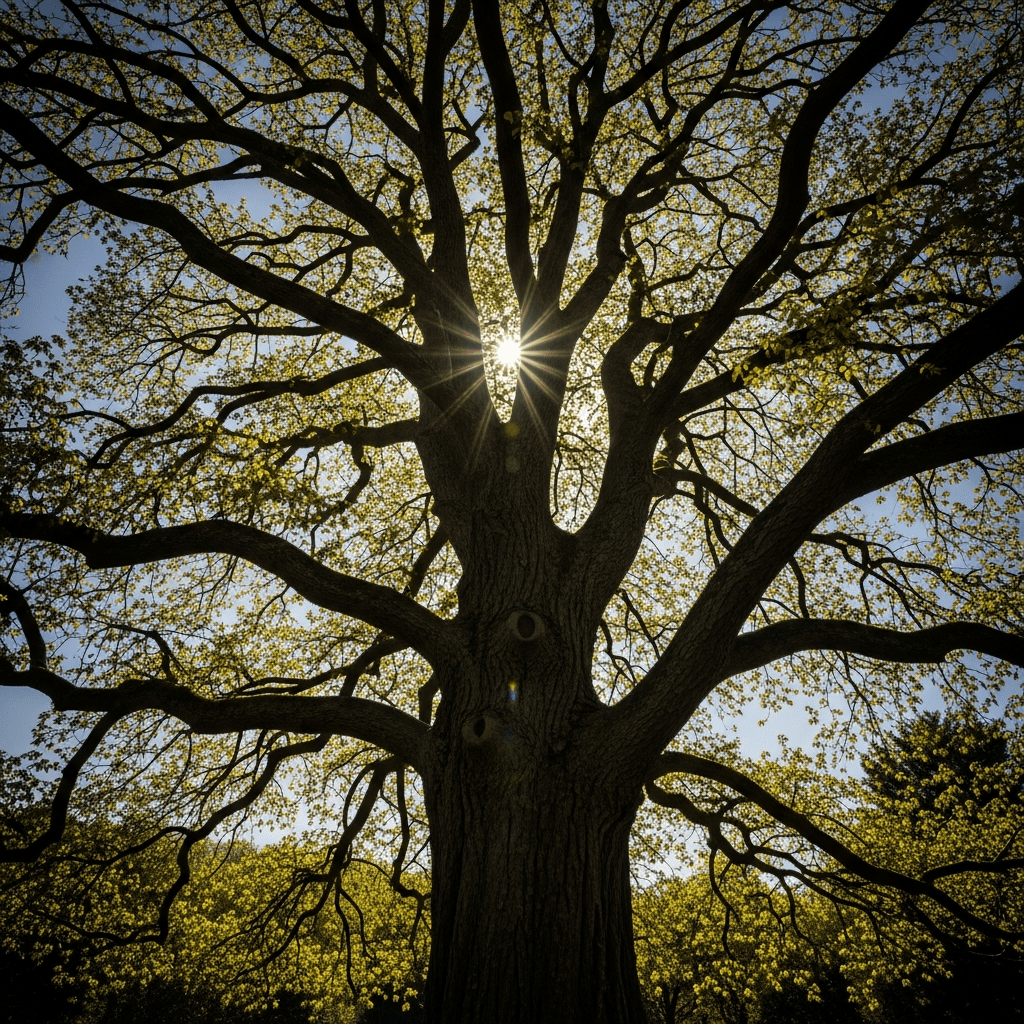
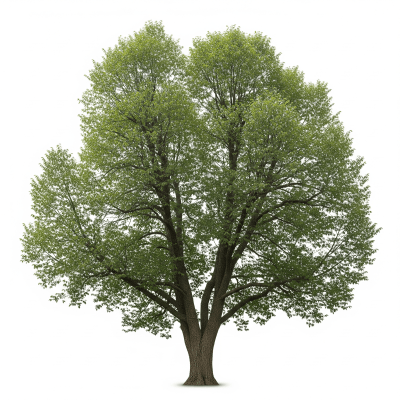
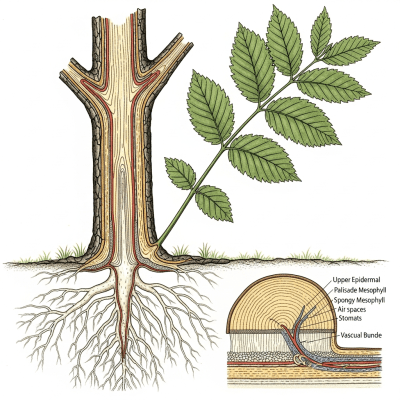
Elms are medium to large trees, typically reaching 20–35 meters in height. Their most recognizable feature is a broad, arching canopy atop a single, sturdy trunk, often forming a classic vase-shaped silhouette. Leaves are alternate, simple, and sharply serrated, measuring 5–16 cm, with a distinctive asymmetrical base. In early spring, small, wind-pollinated flowers appear before the leaves, followed by flat, winged seeds called samaras. The bark is generally rough and fissured, adding to their rugged elegance.
Elms have long been favored as shade and ornamental trees, lining avenues, parks, and campuses for generations. Their adaptability to varied soils and urban conditions made them a staple in city planning. Beyond aesthetics, elm wood was historically prized for its toughness and resistance to splitting, used in furniture, wheel hubs, and coffins. Some cultures have utilized elm bark and leaves in traditional medicine or as livestock fodder, though culinary uses are rare.
Bring this kind into your world � illustrated posters, mugs, and shirts.
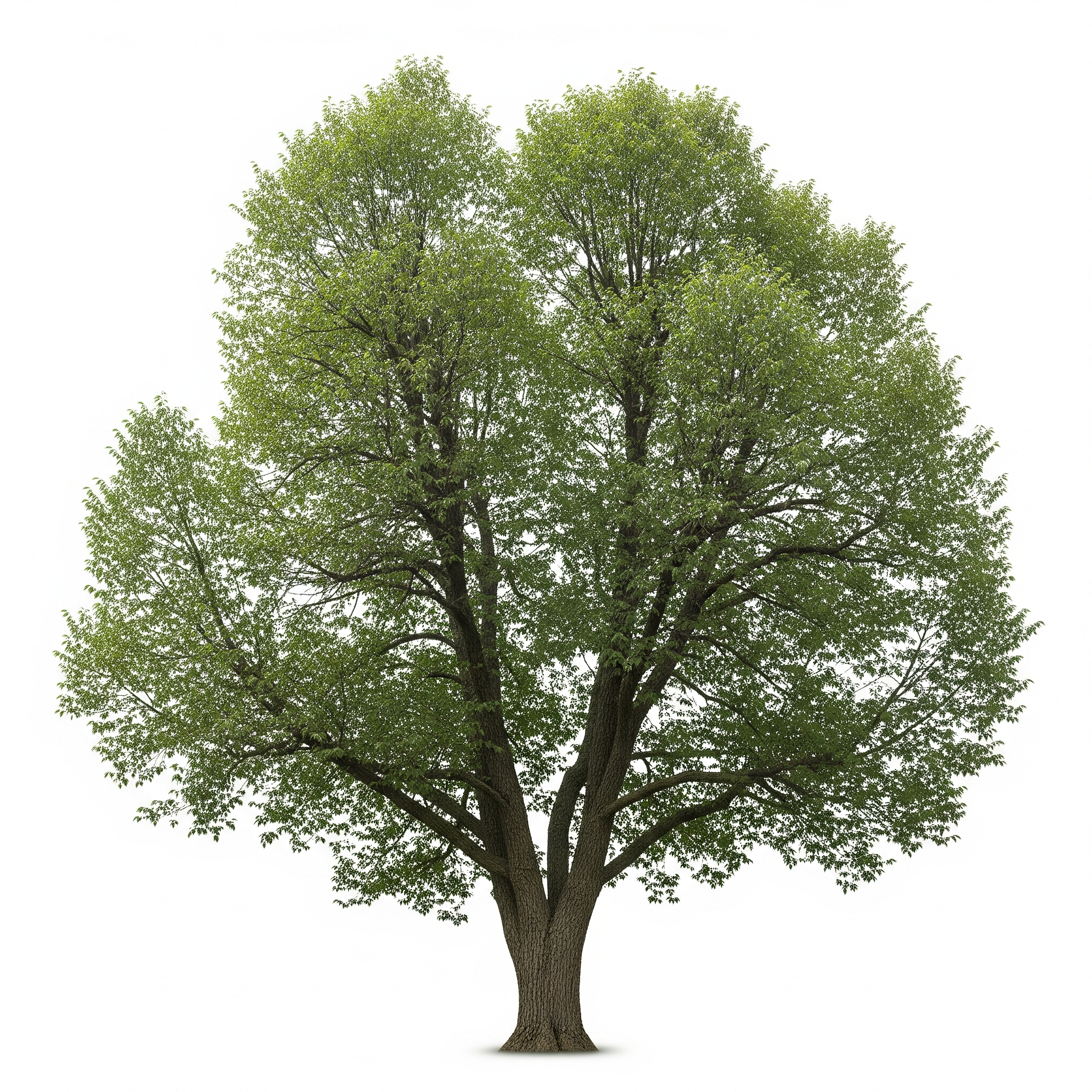
Archival print, museum-grade paper
Buy Poster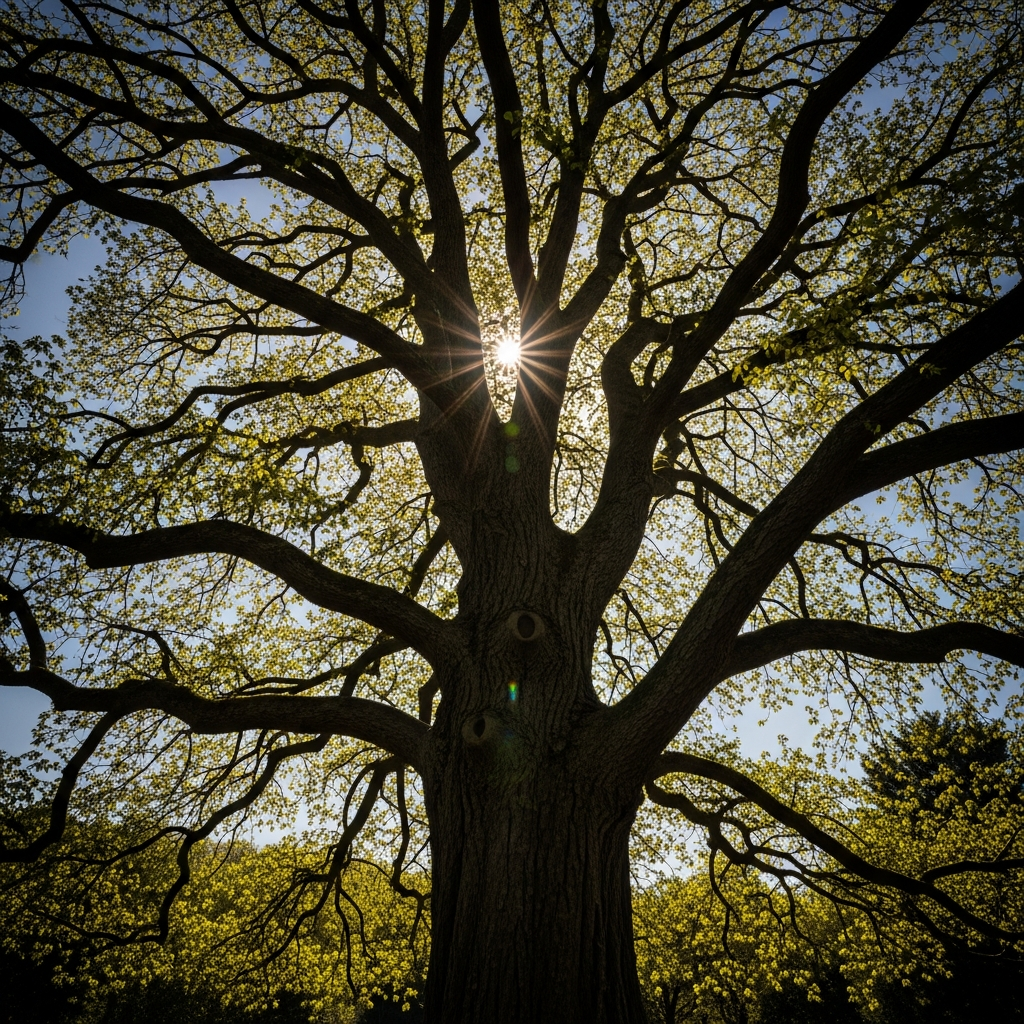
Stoneware mug, dishwasher safe
Buy Mug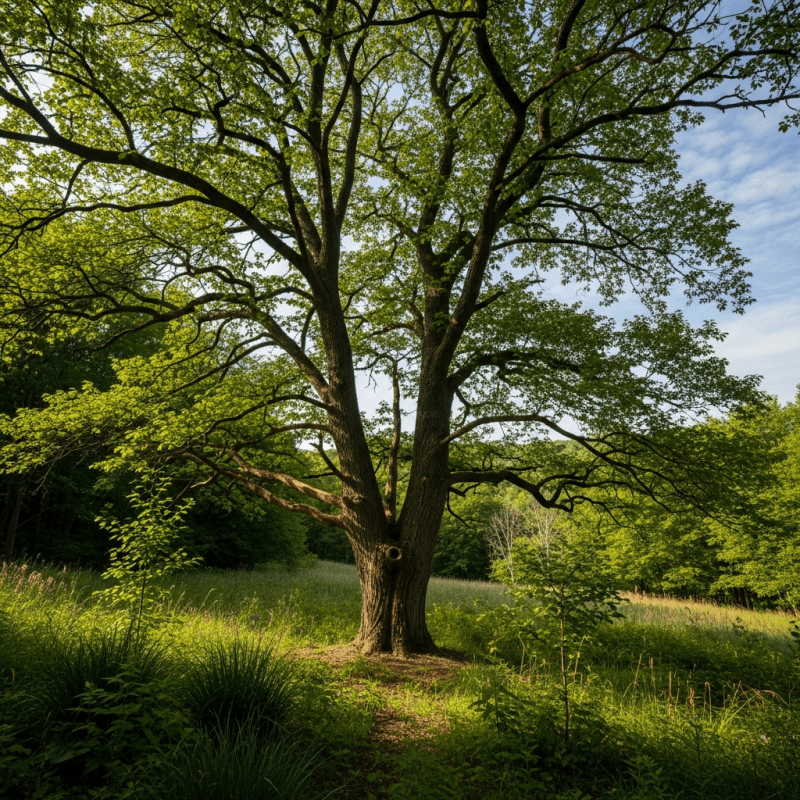
Soft cotton tee, unisex sizes
Buy ShirtElms have shaped the character of cities and countryside alike, symbolizing endurance and communal gathering. Iconic avenues of elms once defined European and North American towns, and their loss to Dutch elm disease is mourned in literature and local lore. In art and poetry, elms often evoke nostalgia, shelter, and the passage of time. Their presence in landscapes and stories reflects both natural beauty and the challenges of conservation.
Elms play a vital role in their ecosystems, providing shade, shelter, and food for a variety of wildlife. Their seeds and foliage support birds and insects, while mature trees offer nesting sites and microhabitats. As part of mixed woodlands and urban forests, elms contribute to soil stabilization, air purification, and biodiversity. The loss of mature elms due to disease has impacted associated species, highlighting their ecological importance.

Elms are native to temperate regions of the Northern Hemisphere, with species distributed throughout Europe, Asia, and North America. They thrive in woodlands, riverbanks, floodplains, and urban environments, adapting to a range of soils and moisture levels. Some species, like Siberian elm, have spread beyond their native range and become invasive in new habitats.
Elms prefer well-drained soils but tolerate a variety of conditions, making them suitable for urban planting. When cultivating elms, choose disease-resistant varieties to minimize risk from Dutch elm disease. Plant in full sun, provide regular watering during establishment, and prune to maintain structure and airflow. Monitor for signs of disease or pest activity, and avoid wounding the trunk, which can invite infection. Propagation is typically by seed or cuttings, depending on species.
The most significant threat to elms is Dutch elm disease, caused by fungal pathogens and spread by bark beetles, which has decimated populations worldwide. Conservation efforts focus on breeding disease-resistant cultivars, monitoring wild populations, and restoring lost urban and rural landscapes. Some species are listed as vulnerable or endangered in certain regions, underscoring the need for ongoing protection and research.
Elm wood is valued for its durability and resistance to splitting, historically used in furniture, wheel hubs, and coffins. While not a major source of food, elms are prized as shade and ornamental trees in parks, streets, and gardens. In some cultures, elm bark and leaves have been used in traditional medicine or as animal fodder. The decline in mature elms due to disease has reduced their economic presence, but disease-resistant hybrids are increasingly planted for landscape restoration and timber production.
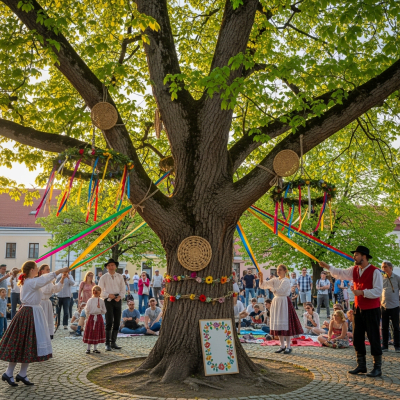
Elms have long symbolized endurance, shelter, and community. In European folklore, they were associated with wisdom and protection, often planted near homes and meeting places. The loss of elms to disease has inspired poems and stories mourning their absence, while their return through restoration efforts is celebrated as a sign of resilience. Elms continue to evoke nostalgia and hope in cultural memory.