
Cypress
Cypress is a name given to several evergreen coniferous trees in the Cupressaceae family, renowned for their aromatic wood, scale-like foliage, and adaptability across diverse climates.
Cypress is a name given to several evergreen coniferous trees in the Cupressaceae family, renowned for their aromatic wood, scale-like foliage, and adaptability across diverse climates.
The cypress lineage traces its roots to ancient times, with fossil evidence of the Cupressaceae family dating back to the Jurassic period. The Mediterranean cypress (Cupressus sempervirens) is native to the eastern Mediterranean—including southern Europe, western Asia, and northern Africa—while the bald cypress (Taxodium distichum) originates from the wetlands of the southeastern United States. The genus Cupressus was formally described by Carl Linnaeus in 1753, marking its place in botanical history.
Cypress trees belong to the kingdom Plantae, division Pinophyta, class Pinopsida, order Pinales, and family Cupressaceae. The term "cypress" most commonly refers to the genus Cupressus, but also includes related genera such as Taxodium (bald cypress) and Chamaecyparis (false cypress). This broad classification reflects both botanical relationships and regional naming conventions.
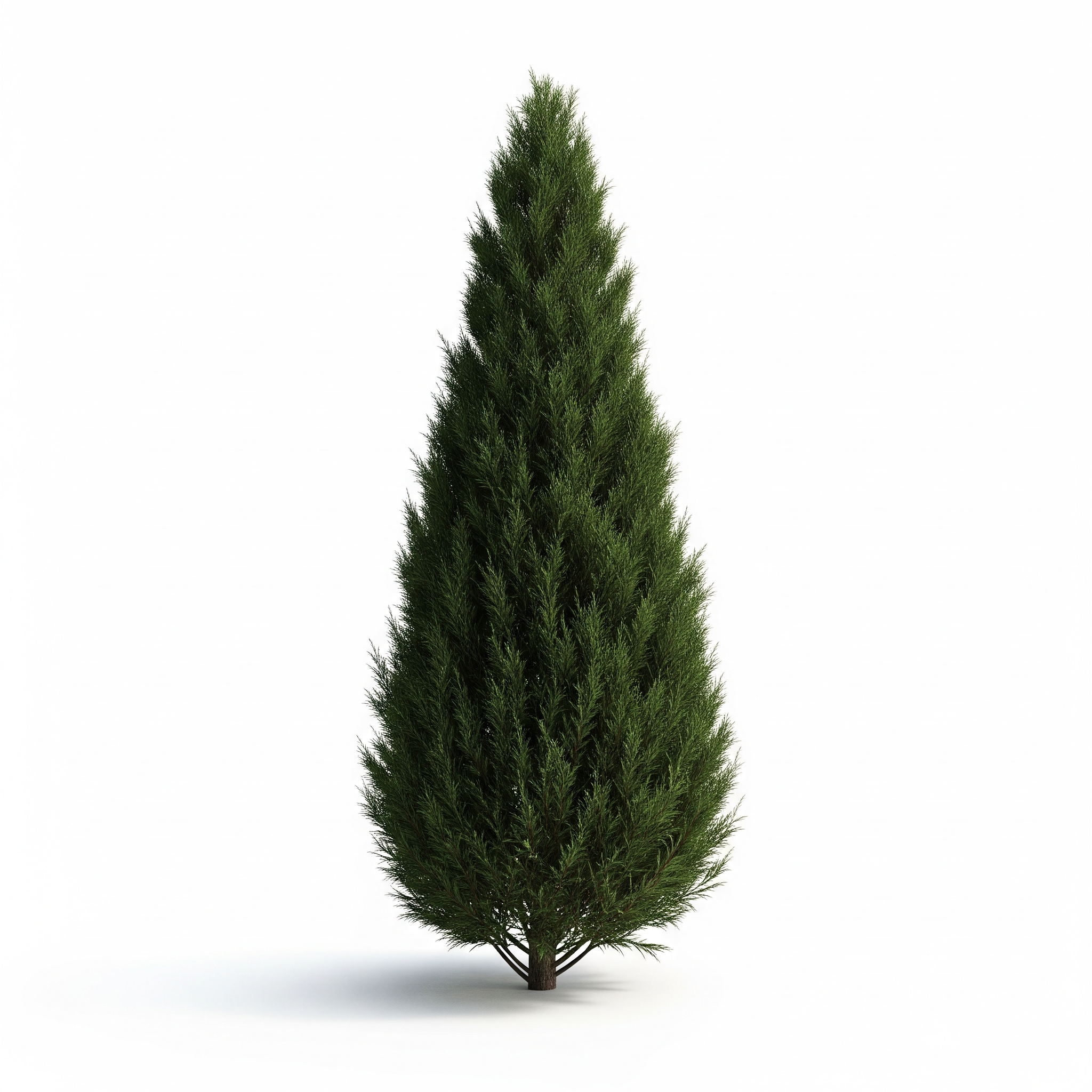
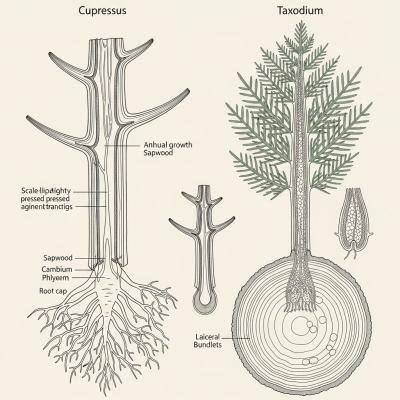
Cypress trees are typically medium to tall, reaching heights of 20–35 meters (65–115 feet). Their form is often columnar or pyramidal, with dense, evergreen foliage made up of tiny, scale-like leaves that hug the twigs. The bark is fibrous and deeply furrowed, providing a rugged texture, while the woody cones are globular to oval and packed with seeds. The wood itself is aromatic, durable, and resistant to decay, making it both visually and sensorially distinctive.
Cypress trees are valued for their resilience and versatility. Many species thrive in poor soils and withstand drought, while others, like the bald cypress, are uniquely adapted to swampy, waterlogged environments. Their wood is sought after for construction and furniture due to its resistance to rot and insects. Cypress trees are also popular in landscaping and restoration projects, with Mediterranean cypress often planted in cemeteries and formal gardens, and bald cypress used to stabilize wetland areas.
Bring this kind into your world � illustrated posters, mugs, and shirts.
Archival print, museum-grade paper
Buy Poster
Stoneware mug, dishwasher safe
Buy Mug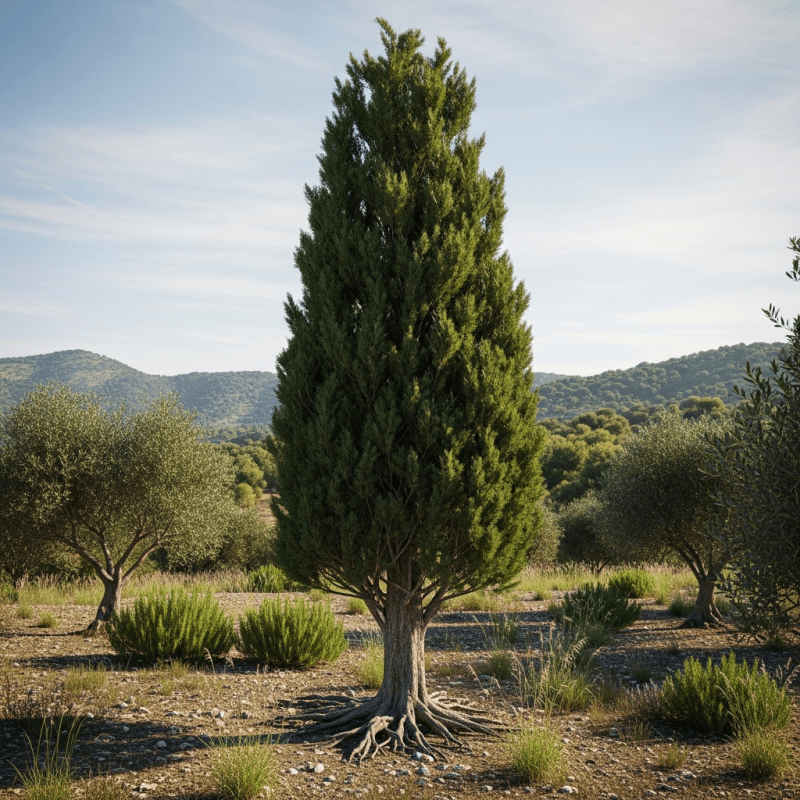
Soft cotton tee, unisex sizes
Buy ShirtCypress trees hold deep symbolic meaning in many cultures. In southern Europe and the Middle East, the Mediterranean cypress is traditionally planted in cemeteries, representing mourning, immortality, and the enduring spirit. Their elegant, upright form has inspired artists and poets for centuries, while the bald cypress's mysterious "knees" have become icons of southern U.S. wetlands. Cypress motifs appear in architecture, religious rituals, and folklore, underscoring their lasting cultural presence.
Cypress trees play vital roles in their ecosystems. Mediterranean cypress provides shelter and food for birds and insects, while bald cypress stabilizes wetland soils and supports a rich diversity of aquatic life. Their dense foliage offers nesting sites, and fallen needles enrich the soil. In wetlands, cypress "knees" create microhabitats for fish and amphibians, contributing to overall ecosystem health and resilience.

Cypress trees are found across the globe, with Mediterranean cypress native to southern Europe, western Asia, and northern Africa, and bald cypress thriving in the southeastern United States. Members of the Cupressaceae family inhabit a wide range of environments—from dry, rocky hillsides to swampy wetlands—demonstrating remarkable ecological adaptability.
Cypress trees are generally easy to cultivate, provided their species-specific needs are met. Mediterranean cypress prefers well-drained, sunlit sites and tolerates drought once established. Bald cypress requires moist, even waterlogged soils and benefits from full sun. Regular watering is essential for young trees, and pruning can help maintain desired shapes. Watch for cypress canker, especially in Cupressus sempervirens, and avoid overhead irrigation to reduce disease risk.
The main threat to cypress trees, particularly Mediterranean cypress, is cypress canker caused by Seiridium fungi, which can devastate populations. Habitat loss, climate change, and overharvesting also pose risks to certain species. Conservation efforts focus on disease management, habitat restoration, and the protection of ancient groves, with several species monitored for conservation status by organizations such as the IUCN.
Cypress wood is highly valued for its durability, making it a preferred choice for construction, outdoor furniture, and ornamental carving. Mediterranean cypress is a staple in landscaping and cemetery plantings, while bald cypress is used in wetland restoration and as an ornamental tree. Some species contribute to essential oil production and traditional medicine, though culinary uses are rare.
Cypress trees are steeped in symbolism, often representing mourning, immortality, and spiritual endurance. In Mediterranean cultures, their presence in cemeteries is thought to guide souls and mark remembrance. Stories and myths surround their longevity and resilience, while their elegant silhouette has inspired countless works of art, poetry, and architecture throughout history.