Cycad
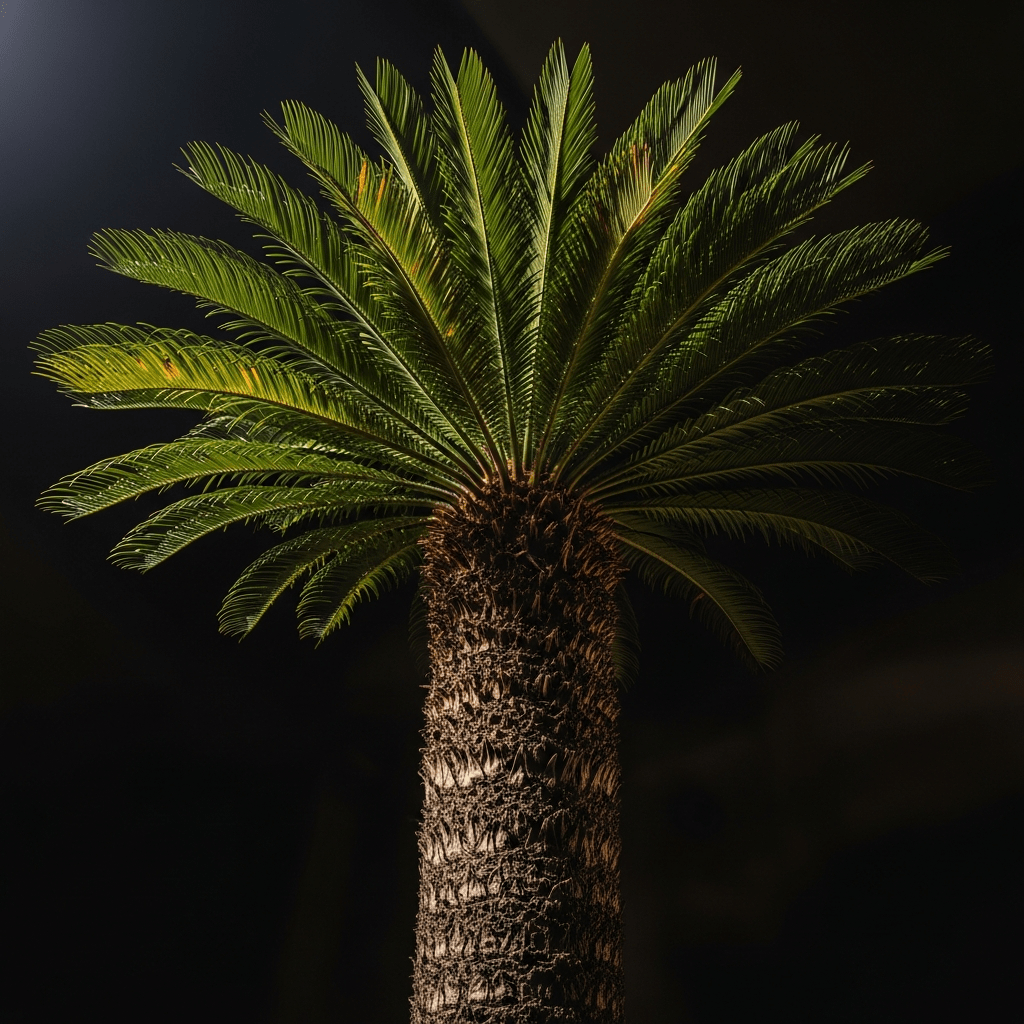
Cycads are ancient, perennial, woody plants of the order Cycadales, instantly recognizable by their stout trunk and crown of large, stiff, evergreen leaves.
Cycads are ancient, perennial, woody plants of the order Cycadales, instantly recognizable by their stout trunk and crown of large, stiff, evergreen leaves.
Cycads trace their origins to the Permian period, emerging roughly 280 million years ago. Their lineage flourished during the Jurassic and Cretaceous eras, making them one of the oldest surviving groups of seed plants. Today, cycads span several genera and are found across tropical and subtropical regions worldwide, with no single point of discovery but a rich evolutionary history documented since early botanical exploration.
Cycads belong to the division Cycadophyta, class Cycadopsida, and order Cycadales within the plant kingdom. As gymnosperms, they are more closely related to conifers than to palms or ferns, despite their similar appearance. This group encompasses multiple genera, including Cycas, Zamia, Encephalartos, Dioon, Ceratozamia, Lepidozamia, and Macrozamia, each with distinctive traits but united by shared reproductive and morphological features.
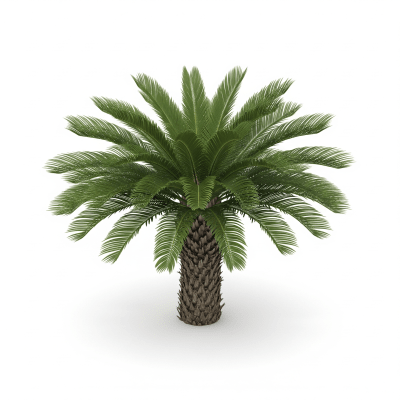
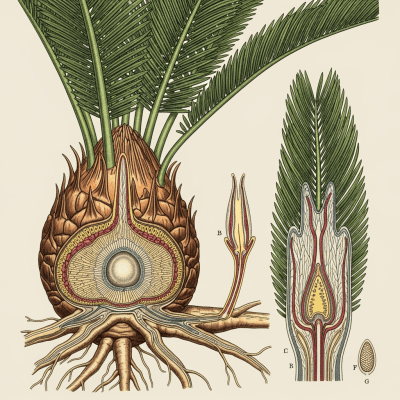
A mature cycad typically features a single, stout, unbranched trunk that can range from half a meter to over 20 meters in height. Atop the trunk sits a dramatic rosette of leathery, pinnate leaves, which may stretch from 30 centimeters to more than 2 meters long. The foliage is stiff and glossy, giving the plant a bold, architectural silhouette. Cycads produce large, conspicuous cones, with male and female cones borne on separate plants, adding to their prehistoric allure.
Cycads are primarily cultivated as ornamental plants, prized for their distinctive, primeval appearance and resilience in landscaping. Some species, such as the sago palm (Cycas revoluta), have seeds that are processed for food in certain cultures—though only after careful detoxification due to natural toxins. Cycads also play roles in traditional medicine and rituals, but their slow growth and conservation status mean wild collection is discouraged and trade is regulated.
Bring this kind into your world � illustrated posters, mugs, and shirts.
Archival print, museum-grade paper
Buy Poster
Stoneware mug, dishwasher safe
Buy Mug
Soft cotton tee, unisex sizes
Buy ShirtThe ancient lineage and striking form of cycads have made them symbols of longevity and endurance in various cultures. Their resemblance to palms has led to their inclusion in garden designs that evoke tropical or prehistoric landscapes. In some regions, cycads are woven into local traditions, used in ceremonies, or featured in folklore as plants of mystical or medicinal power. Their presence in fossil records also links them to the age of dinosaurs, adding to their cultural mystique.
Cycads play a vital role in their native ecosystems, providing food and habitat for specialized insects, birds, and mammals. Their large seeds are dispersed by animals, while their tough leaves and resistance to drought and fire help stabilize soils in harsh environments. Cycads also support unique pollinators, such as certain beetle species, and contribute to the biodiversity of tropical and subtropical forests.
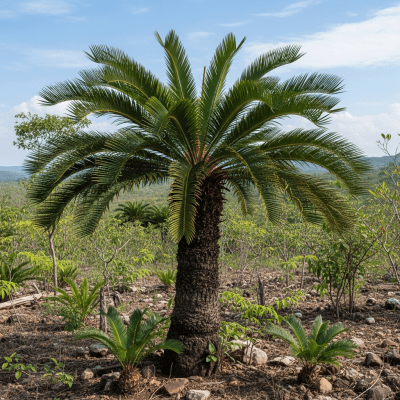

Cycads are distributed across tropical and subtropical regions worldwide, with native populations in Africa, Asia, Australia, the Americas, and Pacific islands. They thrive in diverse habitats, from dry forests and coastal dunes to rainforests, but most prefer well-drained soils and partial shade. Their adaptability allows them to survive in nutrient-poor and drought-prone environments, though they are sensitive to excessive moisture and root disturbance.
For successful cultivation, cycads require well-drained soil, partial shade, and protection from overwatering. They grow slowly and are sensitive to root disturbance, so transplanting should be minimized. Regular monitoring for scale insects and fungal pathogens is important, and fertilization should be moderate to avoid stress. Propagation is typically by seed, which may take months to germinate and years to mature. Patience and careful handling are key to maintaining healthy cycads.
Many cycad species face significant threats from habitat loss, illegal collection, and overharvesting for ornamental trade. Their slow growth and low reproductive rates make populations vulnerable. As a result, cycads are protected under international regulations, and several species are listed as endangered or critically endangered. Conservation efforts focus on habitat preservation, propagation in botanical gardens, and strict regulation of commercial trade.
Cycads are highly valued as ornamental plants in gardens and landscapes, prized for their dramatic foliage and ancient lineage. In some cultures, seeds from select species are processed for food, though this requires careful detoxification. Cycads also hold roles in traditional medicine and rituals. Due to conservation concerns, wild harvesting is discouraged and trade is regulated to protect natural populations.
The enduring presence of cycads since the age of dinosaurs has imbued them with symbolic meanings of longevity, resilience, and ancient wisdom. In some cultures, cycads are associated with fertility or used in ceremonial practices. Their striking cones and foliage often feature in local myths and stories, and their survival through geological epochs adds to their mystique as living fossils.