
Chestnut
The chestnut is a group of large, deciduous trees in the genus Castanea, renowned for their edible nuts, durable timber, and historic role in temperate forests.
The chestnut is a group of large, deciduous trees in the genus Castanea, renowned for their edible nuts, durable timber, and historic role in temperate forests.
Chestnut trees trace their roots to regions across the Northern Hemisphere. The European or sweet chestnut (Castanea sativa) is native to southern Europe and Asia Minor, cultivated since antiquity for its nuts and wood. The American chestnut (Castanea dentata) once dominated eastern North American forests, while the Chinese chestnut (Castanea mollissima) hails from China and is valued for its blight resistance. The genus was formally described in 1754 by Philip Miller, and modern breeding programs now focus on blight-resistant hybrids to restore lost populations.
Chestnuts belong to the family Fagaceae, sharing lineage with oaks and beeches. Within the botanical hierarchy, they are classified as follows: Kingdom Plantae, Division Magnoliophyta, Class Magnoliopsida, Order Fagales, Family Fagaceae, Genus Castanea. This genus encompasses several species, each adapted to specific climates and ecological niches.
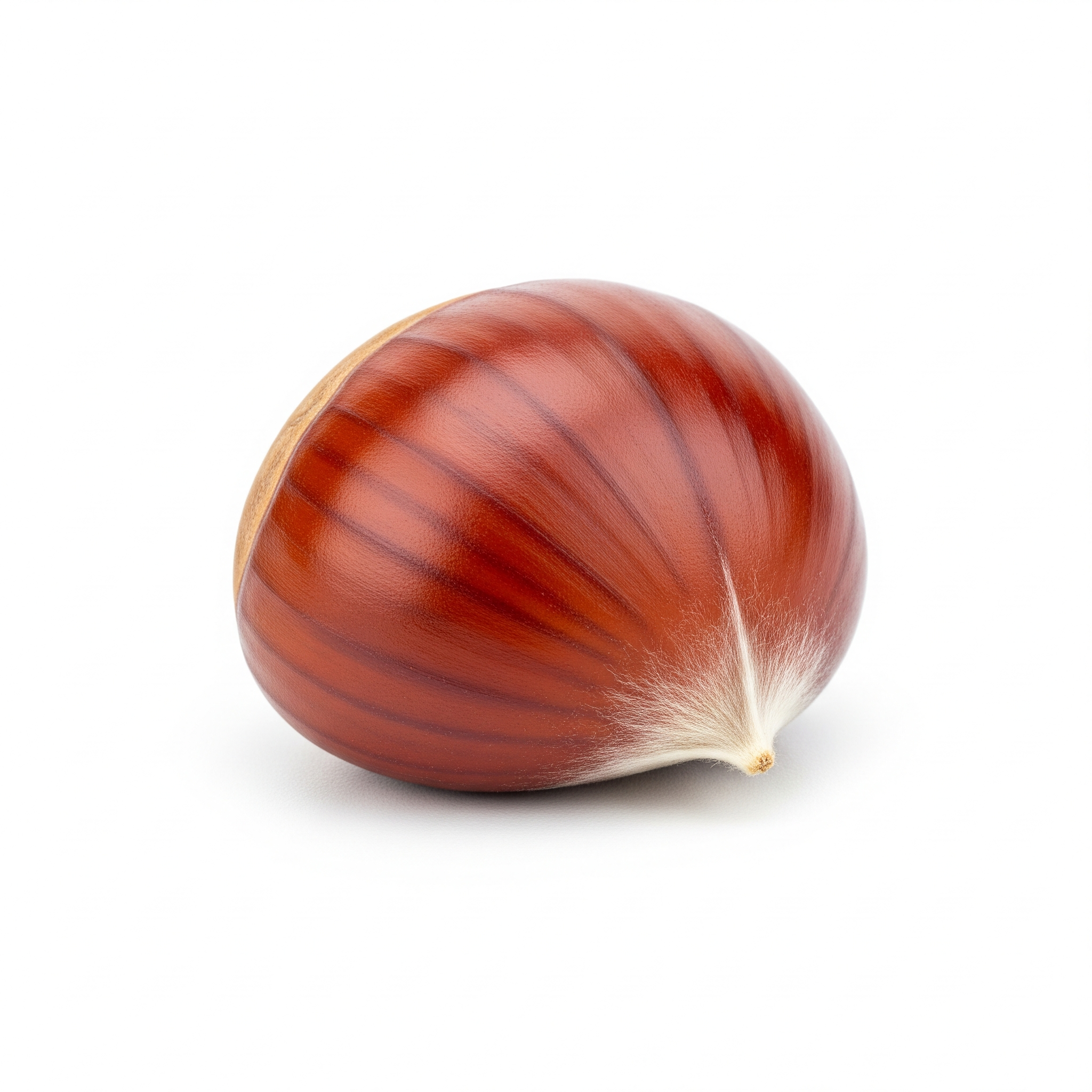
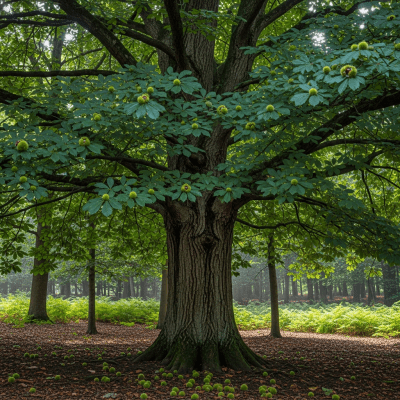
Chestnut trees are typically medium to large, reaching heights of 20–35 meters. They feature a broad, rounded crown and deeply fissured bark. The leaves are simple, alternate, and lanceolate to oblong, with sharply serrated edges and a glossy green hue in summer. In late spring, chestnuts produce long, creamy male catkins and spiny female burrs, which mature into prickly husks containing shiny brown nuts in autumn. The overall impression is of a stately, shade-casting tree with distinctive foliage and fruit.
Chestnut trees serve multiple roles in their environments and for people. Their nuts are a nutritious food source, eaten roasted, boiled, or ground into flour. The timber is prized for its durability and resistance to rot, making it ideal for furniture, flooring, and outdoor structures. Chestnuts are also planted as shade and specimen trees in parks and gardens, and their bark provides tannins for leather production. In forests, they contribute to canopy structure and wildlife habitat.
Bring this kind into your world � illustrated posters, mugs, and shirts.
Archival print, museum-grade paper
Buy Poster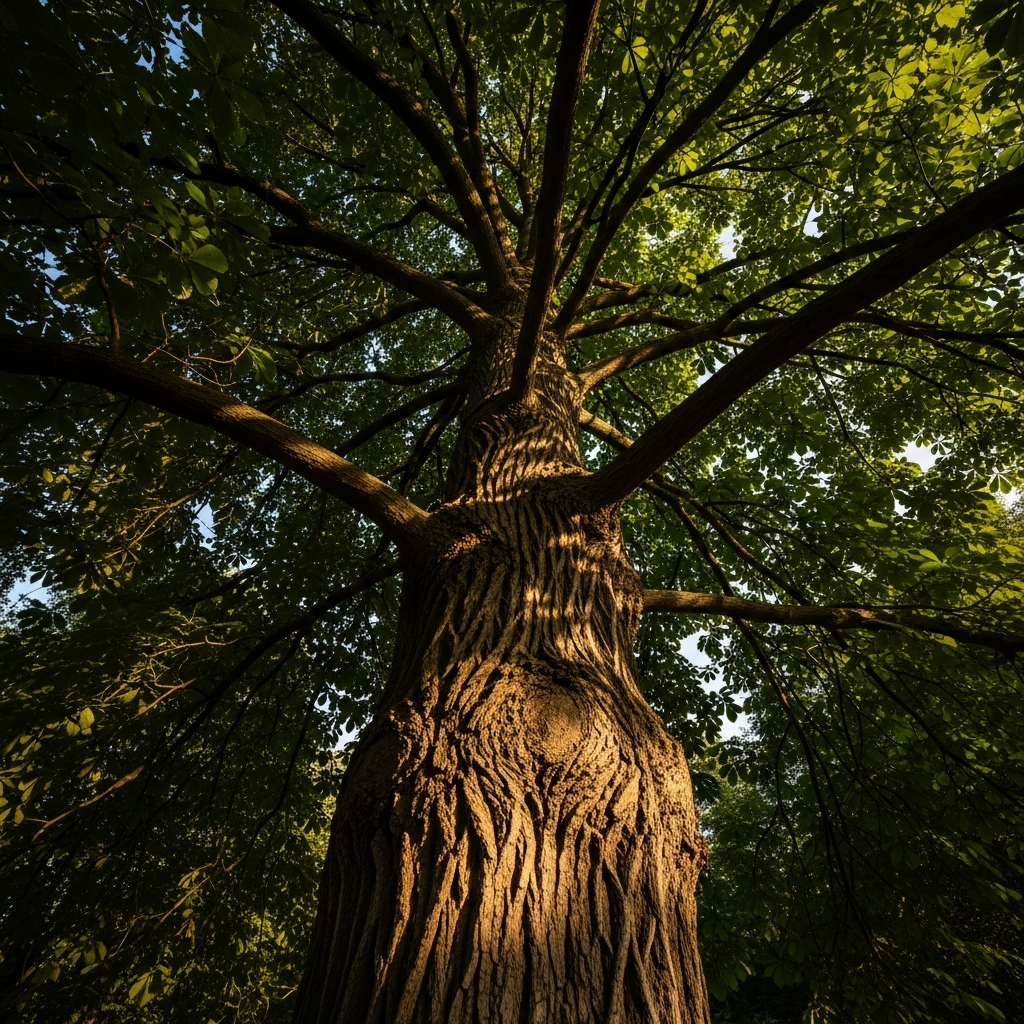
Stoneware mug, dishwasher safe
Buy Mug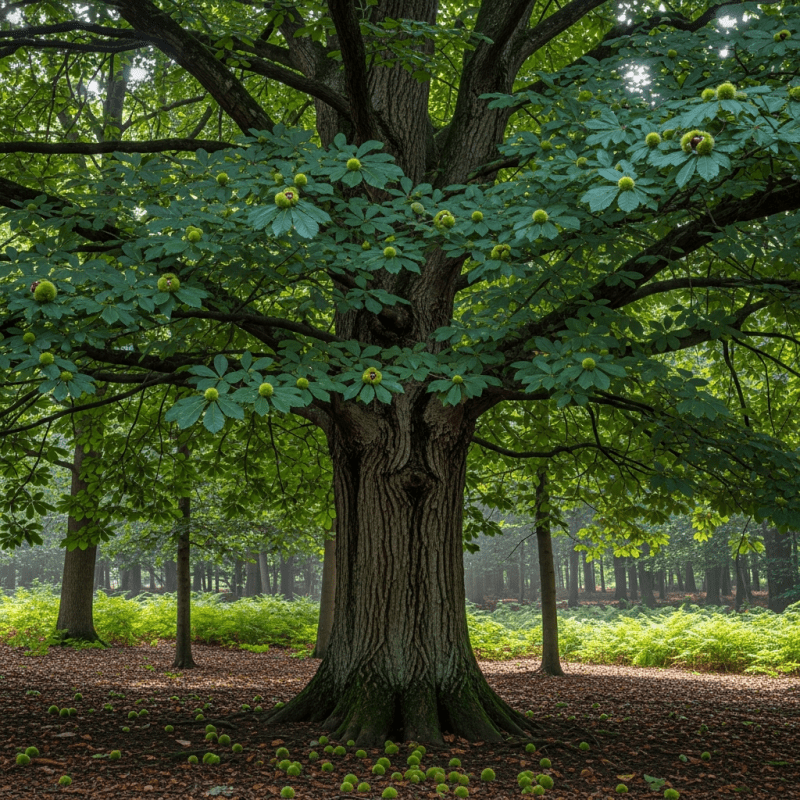
Soft cotton tee, unisex sizes
Buy ShirtChestnuts hold deep cultural importance across the globe. In Europe, especially Italy and France, chestnut festivals celebrate the autumn harvest with traditional recipes and local lore. In East Asia, chestnuts are a staple ingredient in sweets and savory dishes. The American chestnut was once called the "redwood of the East" for its ecological and economic impact before blight decimated its populations. Folklore, poetry, and art often feature chestnut trees as symbols of abundance, resilience, and community.
Chestnut trees are keystone species in their native forests, providing food for wildlife such as deer, squirrels, and birds. Their dense canopy offers shade and shelter, while fallen leaves enrich the soil. The nuts support both animals and humans, and the trees' presence shapes forest structure and biodiversity. Restoration of chestnut populations is vital for ecosystem health in regions where they were once dominant.

Chestnut trees are found across temperate regions of the Northern Hemisphere. Castanea sativa thrives in southern Europe and western Asia, while Castanea dentata was native to eastern North America. Castanea mollissima is widespread in China, and Castanea crenata in Japan. Chestnuts prefer well-drained, acidic soils and are commonly found in mixed deciduous forests, hillsides, and cultivated orchards.
For successful cultivation, plant chestnuts in sunny locations with well-drained, acidic soil. Trees grow best when spaced widely to allow for their broad crowns. Water young trees regularly, but mature specimens tolerate moderate drought. Select blight-resistant varieties, especially in regions affected by chestnut blight. Annual yields can reach 50–100 kg of nuts per mature tree. Prune for shape and health, and monitor for pests and diseases.
The greatest threat to chestnut trees is chestnut blight (Cryphonectria parasitica), which devastated American chestnut populations. Conservation efforts focus on breeding blight-resistant hybrids and restoring native stands. Habitat loss and overharvesting also pose risks. Organizations such as The American Chestnut Foundation lead research and reforestation initiatives to preserve and revive chestnut species worldwide.
Chestnuts are economically valuable for their edible nuts, used in a range of foods from roasted snacks to flour for baking. The timber is durable and rot-resistant, favored for furniture, flooring, fencing, and cooperage. Bark and wood provide tannins for leather production. Chestnut trees are also planted ornamentally in parks and gardens, offering shade and aesthetic appeal. Their versatility makes them important in agriculture, industry, and culinary traditions.
Chestnuts symbolize abundance, endurance, and renewal in many cultures. European folklore celebrates the chestnut as a "bread tree," vital for sustenance during lean times. In Japan, chestnuts are associated with good fortune and longevity, often featured in New Year’s dishes. American chestnut trees evoke nostalgia for lost forests and resilience in the face of adversity. Festivals, songs, and stories honor the chestnut’s place in human history.