Cedrus
Cedrus is a genus of majestic, evergreen coniferous trees native to the mountainous regions of the western Himalayas and the Mediterranean, renowned for their aromatic wood, clustered needle-like leaves, and distinctive barrel-shaped cones.
Cedrus is a genus of majestic, evergreen coniferous trees native to the mountainous regions of the western Himalayas and the Mediterranean, renowned for their aromatic wood, clustered needle-like leaves, and distinctive barrel-shaped cones.
The story of Cedrus begins in the rugged mountains of the western Himalayas and the Mediterranean, where these trees have thrived for millennia. Formally described in the late 18th century, Cedrus libani—the Lebanon cedar—serves as the type species and has been revered since ancient times. The genus evolved within the Pinaceae family, adapting to high altitudes and well-drained soils, and its members have become symbols of endurance and heritage in cultures spanning Asia and the Middle East.
Cedrus belongs to the family Pinaceae, within the order Pinales, class Pinopsida, division Pinophyta, and kingdom Plantae. It is one of the few genera of true cedar trees, distinct from other so-called 'cedars' such as Thuja or Juniperus, which are botanically unrelated despite sharing common names. Cedrus is recognized for its coniferous growth form and its placement among gymnosperms, setting it apart from flowering trees in the angiosperm group.
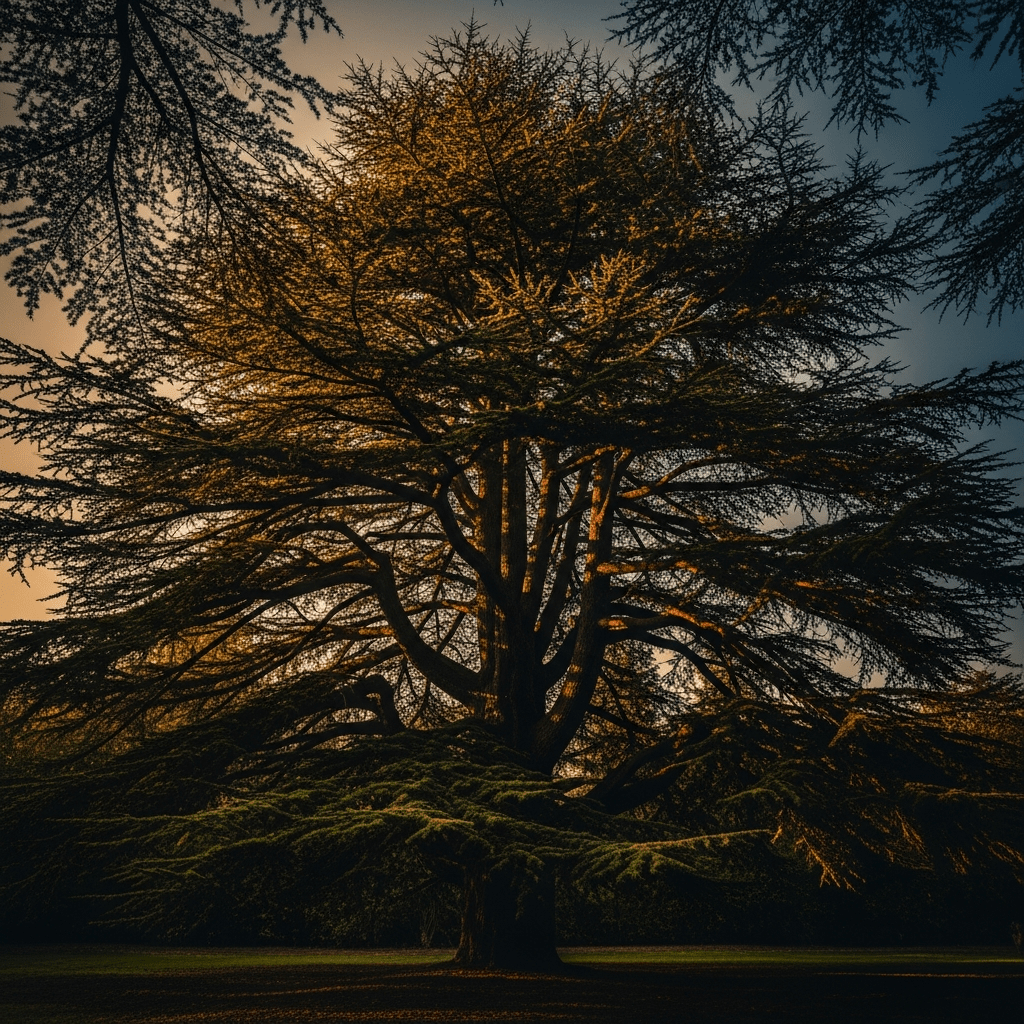
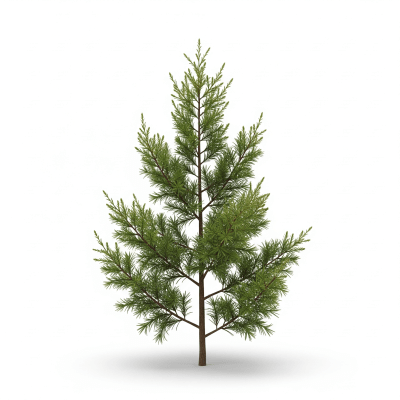
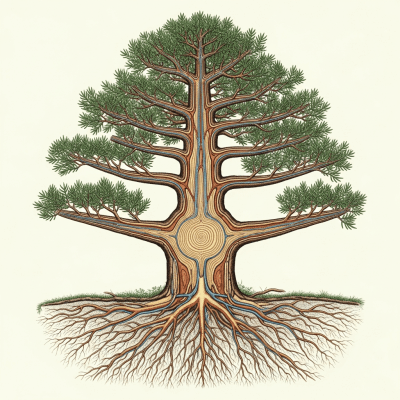
Cedrus trees are imposing and elegant, typically reaching 30–40 meters in height, with some specimens growing up to 50 meters. Their massive trunks support broad, spreading branches that form a layered, pyramidal canopy. The needle-like leaves, 10–60 mm long, are arranged in dense clusters on short shoots, creating a lush, silvery-green texture. Barrel-shaped cones, 6–12 cm long, sit upright on the branches and gradually disintegrate to release winged seeds. The wood is notably aromatic, adding to the sensory allure of these ancient trees.
Cedrus trees play a vital role in both natural and cultivated landscapes. In their native habitats, they anchor mountain forests, providing shelter and stability. Their timber is highly valued for its durability and resistance to decay, making it sought after for construction, furniture, and ornamental uses. Essential oils from cedar wood are used in perfumery and traditional medicine. Cedrus species are also popular as ornamental trees in parks and gardens, admired for their grandeur and resilience. Unlike some conifers, cedars are not grown for edible products.
Bring this kind into your world � illustrated posters, mugs, and shirts.
Archival print, museum-grade paper
Buy Poster
Stoneware mug, dishwasher safe
Buy Mug
Soft cotton tee, unisex sizes
Buy ShirtThe Lebanon cedar (Cedrus libani) is deeply woven into the cultural and historical fabric of the Middle East, serving as the national emblem of Lebanon and appearing on its flag. Cedars are referenced in ancient religious texts, including the Bible, where they symbolize strength, longevity, and divine protection. Their wood was prized by ancient civilizations for building temples, ships, and palaces, and remains a symbol of heritage and endurance in art and literature.
Cedrus trees are ecological keystones in their native mountain forests, stabilizing soil and providing shelter for wildlife. Their dense canopies offer shade and microhabitats for birds and small mammals, while their cones and seeds support various species. Cedars help regulate water cycles in high-altitude ecosystems and contribute to biodiversity by creating unique forest structures. Their resilience to cold and drought makes them important for maintaining forest health in challenging environments.


Cedrus species are naturally distributed across mountainous regions of the western Himalayas, the Mediterranean basin, North Africa, and Cyprus. They thrive in high-altitude forests with well-drained soils, cool temperatures, and ample sunlight. Cedars are adapted to withstand cold winters and dry summers, making them resilient in challenging habitats. Today, they are also cultivated in temperate regions worldwide as ornamental trees.
To cultivate Cedrus, plant in full sun with well-drained, slightly acidic to neutral soil. These trees prefer open spaces to accommodate their broad canopies and require protection from waterlogged conditions, which can lead to root rot. Young cedars benefit from mulching and moderate watering until established. They are generally tolerant of cold and drought but may be susceptible to fungal diseases and bark beetles. Pruning is rarely needed except to remove damaged branches. Cedars grow slowly but reward patience with longevity and beauty.
Cedrus species face threats from habitat loss, overharvesting, and climate change, which can alter their native mountain ecosystems. Fungal pathogens and insect pests, such as the cedar bark beetle, pose additional risks. Conservation efforts focus on protecting old-growth forests, restoring degraded habitats, and cultivating cedars in botanical gardens and parks. Cedrus libani, in particular, is the subject of national conservation programs in Lebanon due to its emblematic status and declining populations.
Cedar wood from Cedrus species is prized for its aromatic scent, durability, and resistance to decay and insects, making it ideal for construction, fine furniture, and ornamental woodworking. Essential oils extracted from the wood are used in perfumery and traditional medicine. Cedars are widely planted as ornamental trees in landscapes and public parks. Commercial "cedar" products may sometimes derive from unrelated species, so true Cedrus wood is distinguished by its unique properties and historical prestige.
Cedars have long symbolized strength, immortality, and spiritual elevation. The Lebanon cedar is celebrated in biblical texts and ancient literature as a tree of kings and temples. Its wood was used to build the legendary Temple of Solomon and ships for ancient empires. In many cultures, cedars represent resilience and protection, and their enduring presence in sacred groves and national emblems continues to inspire reverence and myth.