
Birch
Birch describes a group of deciduous trees in the genus Betula, renowned for their papery, peeling bark and slender, graceful form, thriving across temperate and boreal regions of the Northern Hemisphere.
Birch describes a group of deciduous trees in the genus Betula, renowned for their papery, peeling bark and slender, graceful form, thriving across temperate and boreal regions of the Northern Hemisphere.
Birches originated in the temperate and boreal zones of Eurasia and North America, with fossil evidence tracing their lineage back to the Paleogene period. Formally described by Carl Linnaeus in 1753, the genus Betula has diversified over millions of years, adapting to cold climates and poor soils. While wild species evolved naturally, many ornamental varieties have been selected by horticulturalists in recent centuries.
Birch trees belong to the genus Betula within the family Betulaceae, order Fagales. As angiosperms, they are flowering plants, and their taxonomic hierarchy places them firmly among the classic deciduous trees. The genus encompasses approximately 30–60 species, each sharing key botanical traits but varying in bark color, leaf shape, and habitat preference.
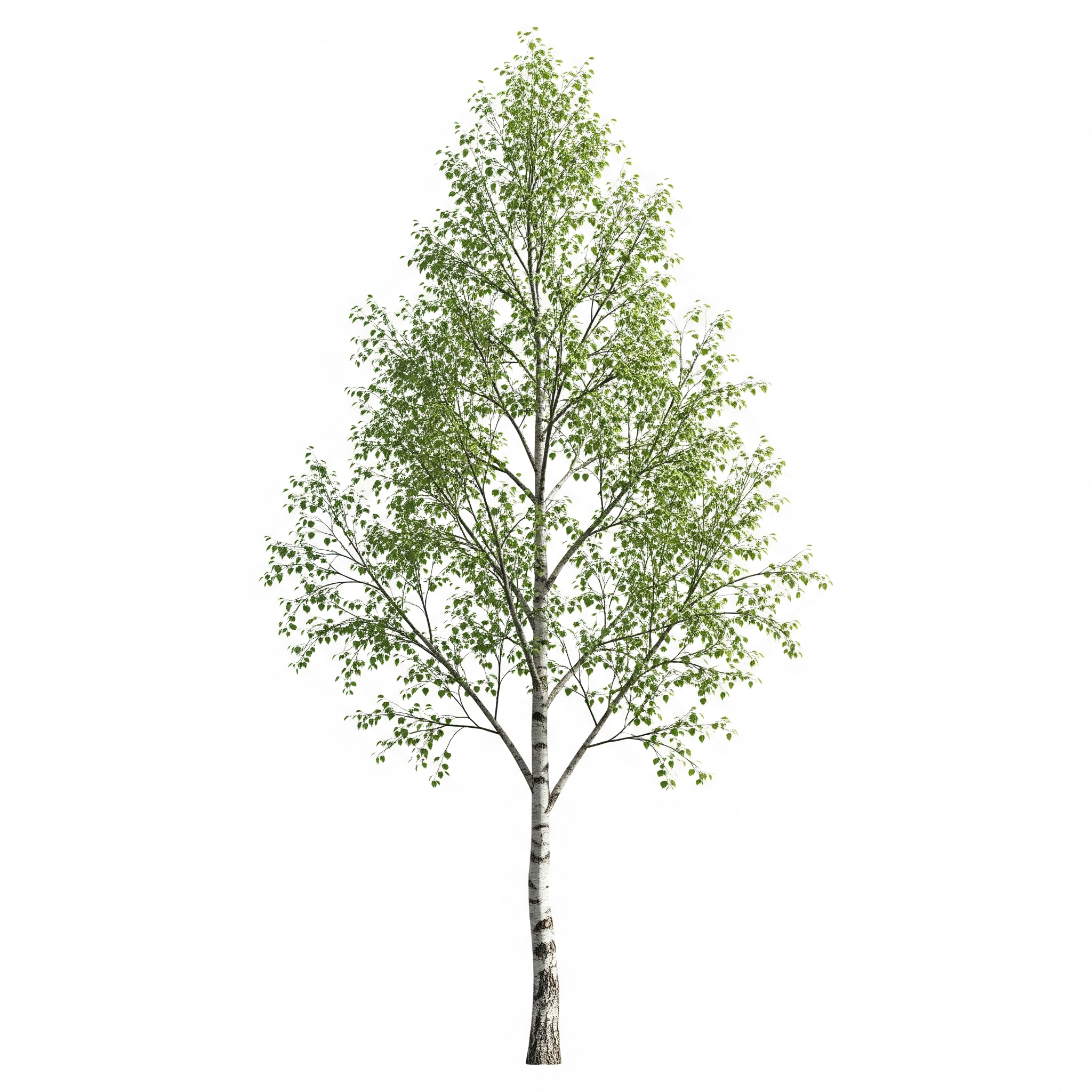
Birches are medium-sized trees, typically reaching 10–30 meters in height, though some species grow taller. Their most distinctive feature is the smooth, papery bark that peels in horizontal strips—often white or silver, but sometimes yellow, gray, or reddish-brown. Leaves are simple, ovate to triangular, with serrated edges and a delicate texture, turning a vibrant yellow in autumn. The slender trunks and airy canopy lend birches a light, elegant silhouette in forests and gardens alike.
Birches are pioneer species, quickly colonizing open or disturbed land and aiding in forest succession. Their tolerance for poor soils and cold climates makes them valuable in reforestation and erosion control. Humans have long utilized birch for timber, sap, and bark—crafting furniture, brewing beverages, and building canoes. Ornamental birches are favored in landscaping for their striking bark and graceful form.
Bring this kind into your world � illustrated posters, mugs, and shirts.
Archival print, museum-grade paper
Buy Poster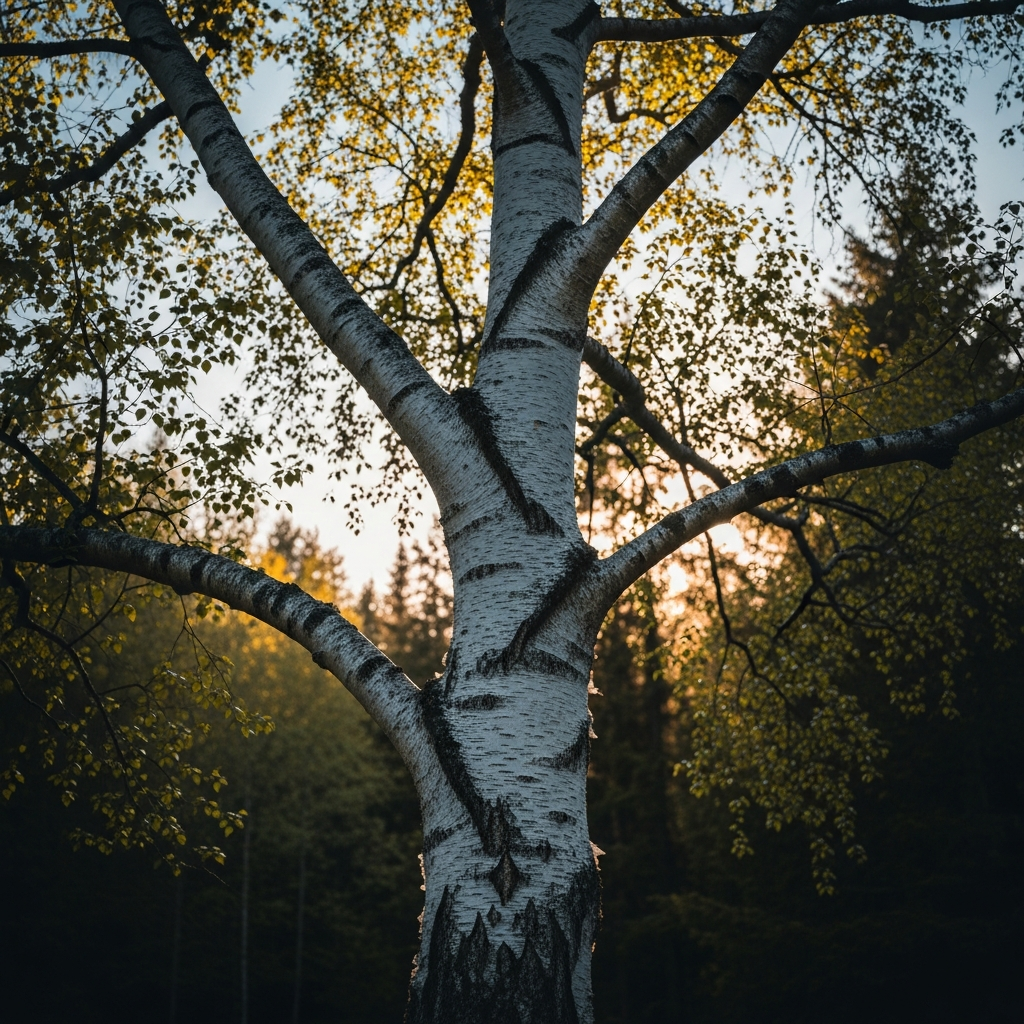
Stoneware mug, dishwasher safe
Buy Mug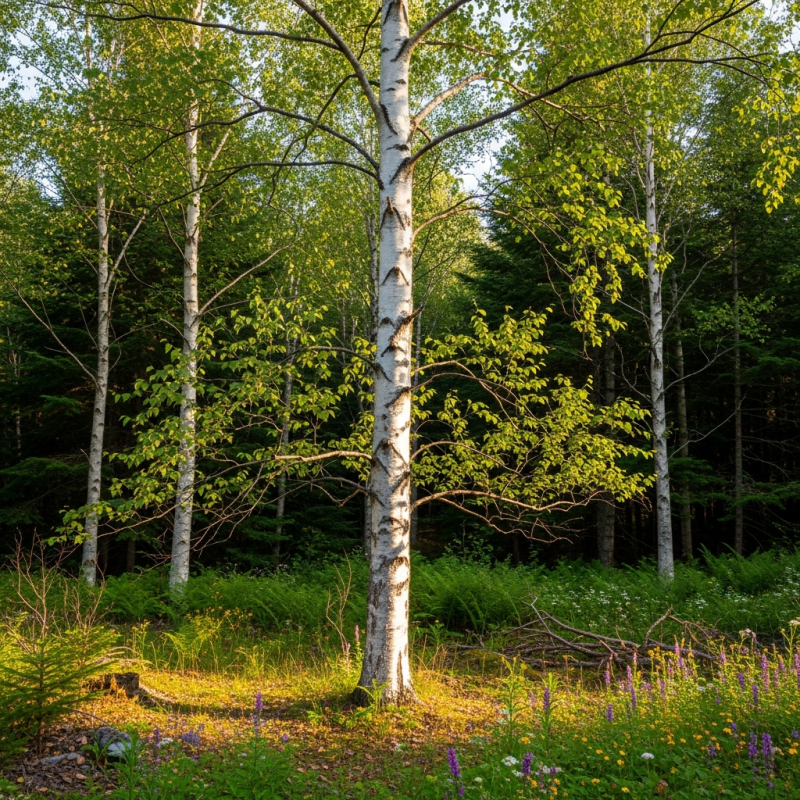
Soft cotton tee, unisex sizes
Buy ShirtBirch trees hold deep cultural resonance across the Northern Hemisphere. In Indigenous North American traditions, birch bark was essential for canoe-building and containers. In European folklore, birch symbolizes renewal and purity, often featured in art and poetry. Russian and Finnish cultures celebrate birch in seasonal rituals and national identity, and the tree appears in myths as a bridge between worlds or a guardian of forests.
Birches play a vital ecological role as pioneer species, stabilizing soil and creating habitats for wildlife in early forest succession. Their seeds and catkins provide food for birds and small mammals, while their leafy canopy offers shelter. By improving soil quality and facilitating the growth of other tree species, birches help shape the structure and diversity of temperate and boreal forests.
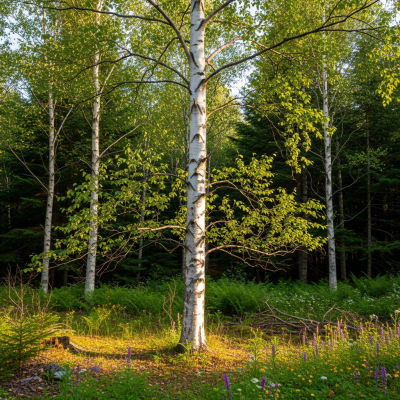


Birches are widely distributed throughout the temperate and boreal regions of the Northern Hemisphere, spanning Eurasia and North America. They thrive in open woodlands, forest edges, riverbanks, and disturbed sites, preferring cool climates and well-drained soils. Some species, like river birch, tolerate wetter conditions, while others excel in upland or rocky terrain.
Birches grow best in cool climates with moist, well-drained soils. Plant them in full sun for optimal growth and bark coloration. Regular watering is important, especially in dry spells, as birches are sensitive to drought. Mulching helps retain soil moisture and protect roots. Watch for pests like the bronze birch borer, and avoid planting in compacted or heavily fertilized soils. Prune only in late autumn or winter to minimize sap bleeding.
Major threats to birch trees include drought, soil compaction, and pests such as the bronze birch borer. Climate change and habitat loss can also impact birch populations, especially at the edges of their native range. Conservation efforts focus on preserving natural habitats, monitoring pest outbreaks, and selecting resistant cultivars for planting. Some birch species are assessed for conservation status, but most remain widespread and resilient.
Birch wood is highly valued for its fine grain and pale color, used in furniture, plywood, veneer, and specialty crafts. The bark’s waterproof qualities made it indispensable for Indigenous canoe-building and containers. Birch sap is harvested for beverages and syrup, while extracts from bark and leaves are used in traditional medicine for anti-inflammatory and diuretic effects. Ornamental birches are popular in landscaping, and some species are utilized in reforestation and erosion control projects.
Birch trees symbolize renewal, purity, and protection in many cultures. In Slavic folklore, birch is celebrated in spring rituals and poetry, representing new beginnings. Finnish traditions honor the birch as a national symbol, while Celtic lore associates the tree with rebirth and transformation. Myths often depict birch as a guardian of forests or a bridge between worlds, reflecting its enduring presence in human imagination.