Beech
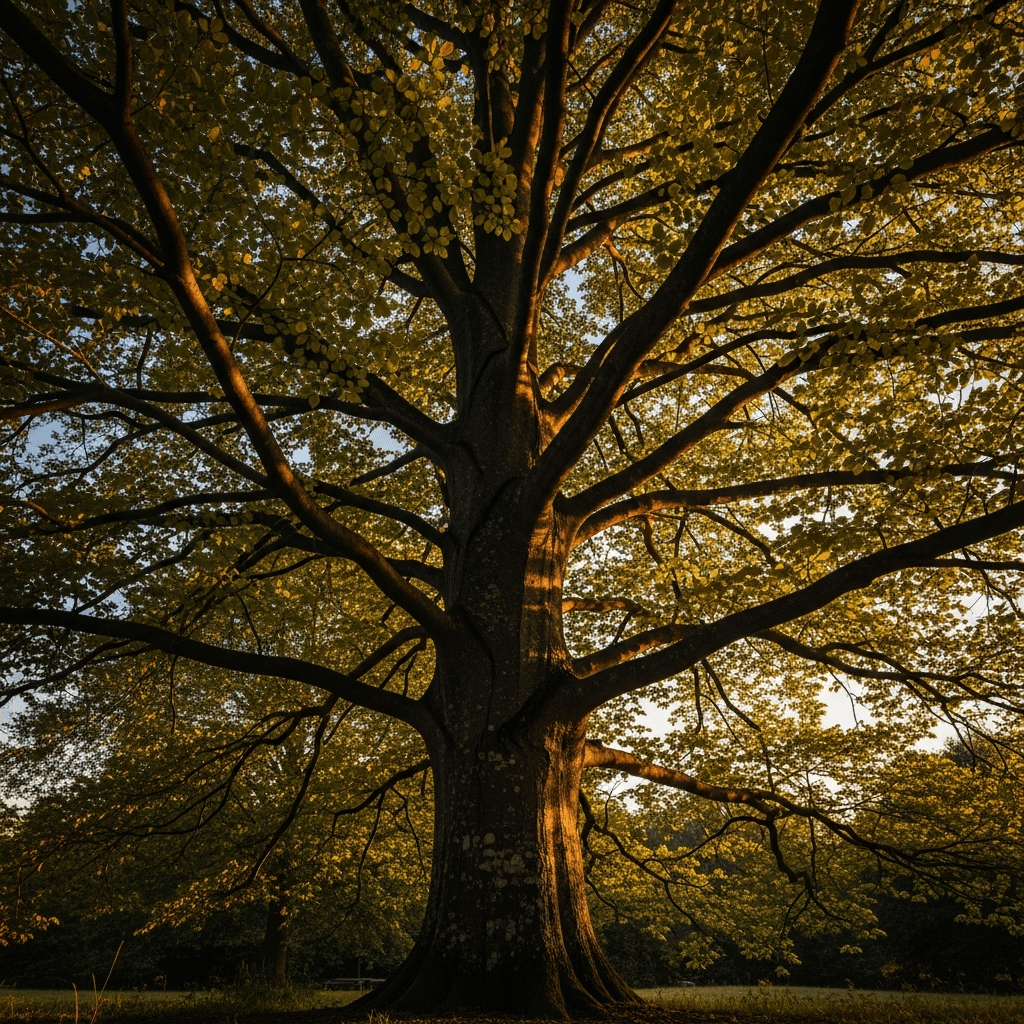
Beech refers to a group of deciduous hardwood trees in the genus Fagus, celebrated for their smooth gray bark, dense foliage, and vital ecological and economic roles in temperate forests.
Beech refers to a group of deciduous hardwood trees in the genus Fagus, celebrated for their smooth gray bark, dense foliage, and vital ecological and economic roles in temperate forests.
Beech trees trace their evolutionary roots to the temperate zones of the Northern Hemisphere, with natural populations spanning Eurasia and North America. First described scientifically by Carl Linnaeus in 1753, the genus Fagus encompasses roughly 10–13 species. These trees have thrived for millennia in fertile, well-drained soils, shaping forest landscapes long before formal cultivation or breeding programs existed.
Beech belongs to the family Fagaceae, within the order Fagales. The genus Fagus sits alongside other notable hardwoods such as oaks and chestnuts. As angiosperms, beeches are flowering plants, and their taxonomic path is: Kingdom Plantae > Division Magnoliophyta > Class Magnoliopsida > Order Fagales > Family Fagaceae > Genus Fagus.
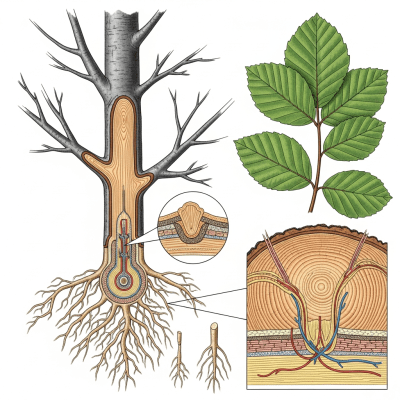
Beech trees are distinguished by their stately form: medium to large stature, reaching heights of 30–40 meters, with trunks up to 1.5 meters in diameter. Their bark is smooth and silvery-gray, often unblemished even in maturity. Leaves are simple, alternate, and elliptical to ovate, with entire or gently toothed margins, forming a lush, dense canopy. In spring, small, inconspicuous flowers emerge, followed by spiny husks containing edible, triangular beechnuts. The overall impression is one of elegance and solidity, with a rounded crown that casts deep shade.
Beech trees play a foundational role in their environments and are highly valued by humans. Their dense foliage provides shade and shelter, while their nuts support wildlife. In forestry, beeches are managed for high-quality timber, and their wood is prized for furniture and flooring. As ornamentals, they grace parks and gardens with their graceful presence and are often planted for their aesthetic appeal and ability to create cool, shaded spaces.
Bring this kind into your world � illustrated posters, mugs, and shirts.

Archival print, museum-grade paper
Buy Poster
Stoneware mug, dishwasher safe
Buy Mug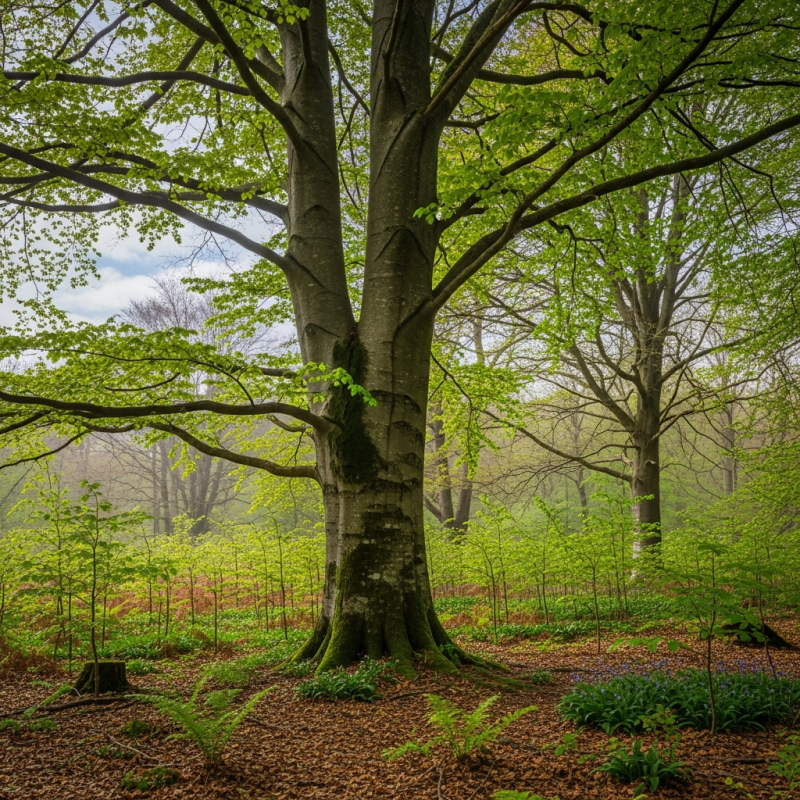
Soft cotton tee, unisex sizes
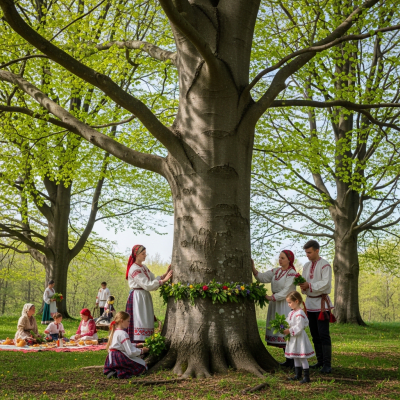
Buy ShirtBeeches have long held a place in European and North American culture, symbolizing wisdom, longevity, and prosperity. Their wood has been used for centuries in craftsmanship and daily life, and beech groves are often featured in art and literature as places of tranquility and reflection. In German-speaking regions, the beech (Buche) is a cultural icon, and its forests are woven into local folklore and tradition.
Beech trees are keystone species in temperate forests, shaping the structure and diversity of their ecosystems. Their dense canopy regulates light and moisture, supporting a rich understory. Beechnuts are a vital food source for birds, rodents, and other wildlife. The trees also provide habitat for insects and fungi, and their leaf litter enriches the soil, fostering a cycle of renewal and biodiversity.
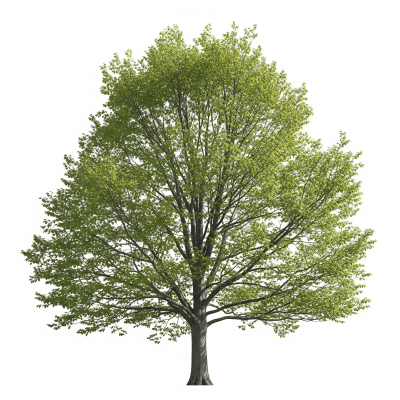
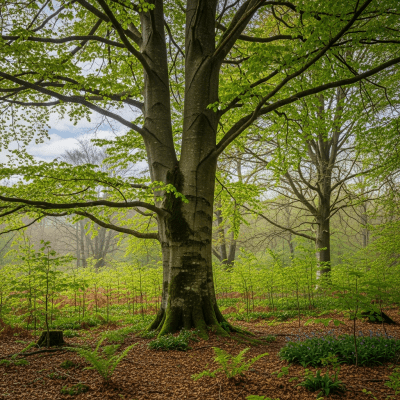
Beech trees are native to the temperate regions of the Northern Hemisphere, with natural populations in Europe, Asia, and North America. They thrive in well-drained, fertile soils and are commonly found in mixed hardwood forests, often forming extensive stands. The European beech dominates central European forests, while the American beech is widespread in eastern North America. Oriental beech occupies forests from southeastern Europe to western Asia.
For successful cultivation, beech trees require well-drained, fertile soils and adequate moisture, especially in their early years. They are shade-tolerant as juveniles but benefit from open space as they mature. Avoid planting in areas prone to drought or poor drainage, as beeches are susceptible to root rot and fungal diseases. Regular monitoring for pests and diseases, along with careful pruning of deadwood, helps maintain healthy specimens. Propagation is typically by seed, though patience is needed, as growth is slow and steady.
Beech populations face threats from drought, root rot, and fungal pathogens such as beech bark disease. Habitat loss and climate change also pose risks, potentially reducing suitable growing areas and increasing stress. Conservation efforts focus on protecting old-growth stands, monitoring disease outbreaks, and promoting sustainable forestry practices to ensure the longevity of beech-dominated ecosystems.
Beech wood is esteemed for its hardness, fine grain, and versatility, making it a top choice for furniture, flooring, tool handles, and veneer. In forestry, beeches are managed for high-quality timber and as part of mixed hardwood stands. Beechnuts, though only modestly consumed today, were once an important food source for humans and wildlife. The trees are also widely planted as ornamentals, valued for their shade and aesthetic appeal in parks and gardens.
Throughout history, beeches have symbolized wisdom, patience, and prosperity. In European folklore, beech groves are places of peace and reflection, and the tree is often associated with longevity and resilience. The smooth bark has inspired legends of messages carved and left for future generations, while the tree itself is seen as a guardian of the forest in many cultural traditions.