
Aegle marmelos
Bael (Aegle marmelos) is a medium-sized, deciduous fruit tree native to the Indian subcontinent and Southeast Asia, celebrated for its hard-shelled, aromatic fruit and profound cultural, medicinal, and religious significance.
Bael (Aegle marmelos) is a medium-sized, deciduous fruit tree native to the Indian subcontinent and Southeast Asia, celebrated for its hard-shelled, aromatic fruit and profound cultural, medicinal, and religious significance.
The bael tree traces its origins to the Indian subcontinent, with wild populations thriving in India, Bangladesh, Sri Lanka, and parts of Southeast Asia. Cultivated since ancient times, its exact domestication date remains unknown, but its presence in historical texts and rituals attests to a lineage deeply intertwined with regional traditions and landscapes.
Bael belongs to the family Rutaceae, within the order Sapindales. It is the sole species in the genus Aegle, making it a monotypic genus. Its full scientific classification is: Kingdom Plantae, Division Magnoliophyta, Class Magnoliopsida, Order Sapindales, Family Rutaceae, Genus Aegle, Species Aegle marmelos.
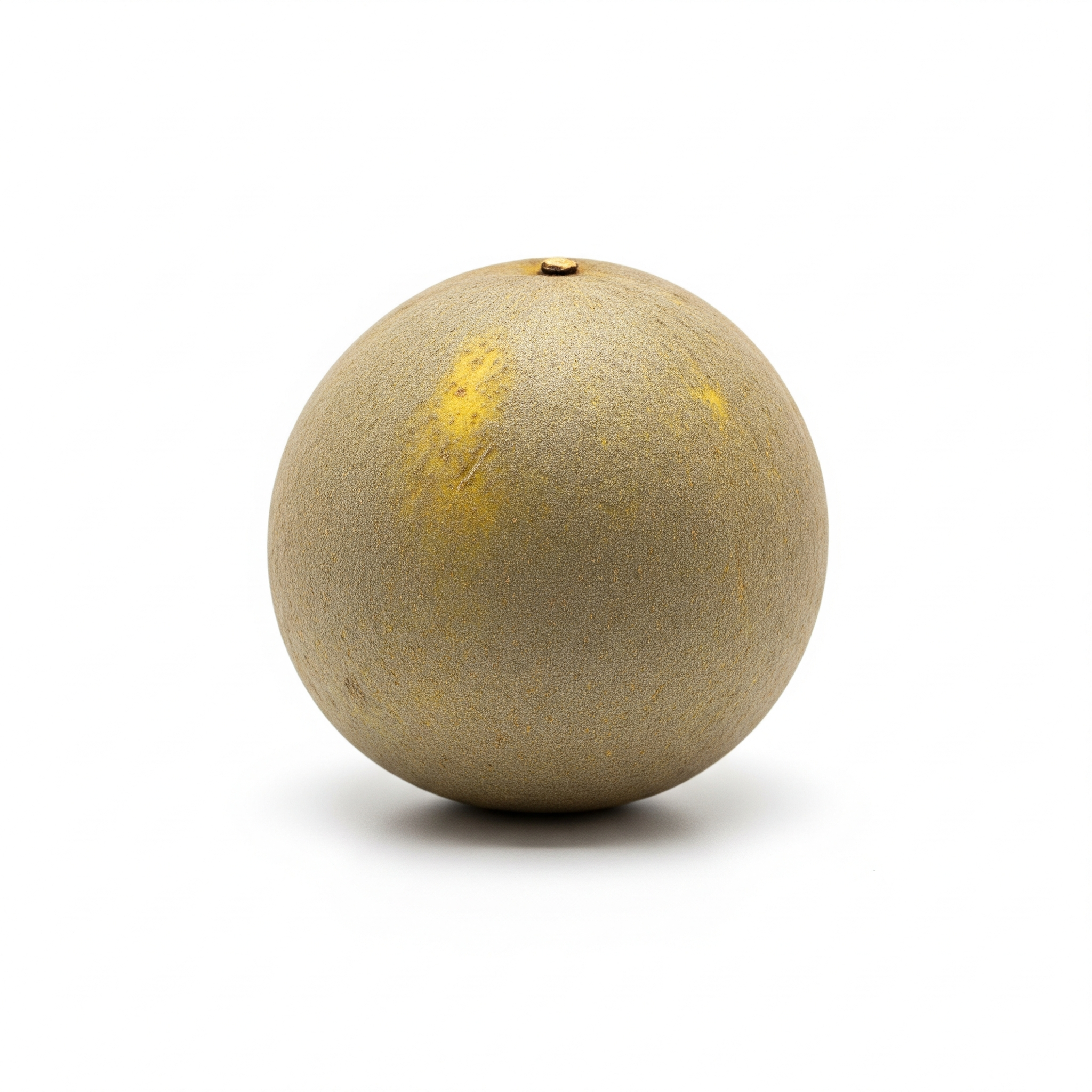
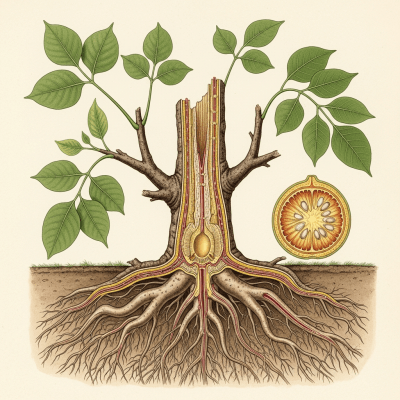
Bael is a slow-growing, medium-sized deciduous tree, typically reaching 8–10 meters in height, with some specimens growing up to 15 meters. Its trunk is short and often gnarled, supporting spreading, spiny branches covered in pale brown bark. The glossy green, trifoliate leaves emit a pleasant aroma when crushed. In spring, clusters of fragrant, greenish-white flowers appear, followed by round, hard-shelled fruits (5–15 cm diameter) containing yellowish, aromatic pulp and numerous seeds embedded in mucilage.
Bael trees are highly drought-tolerant and thrive in a variety of soil conditions, including poor, rocky, and alkaline soils. Their resilience to high temperatures and dry climates makes them ideal for tropical and subtropical regions. The fruit is consumed fresh or processed into drinks, jams, and sweets, with the pulp being a key ingredient in traditional sherbet. Leaves and fruit play important roles in religious rituals, and the tree is valued in traditional medicine for its digestive and antimicrobial properties.
Bring this kind into your world � illustrated posters, mugs, and shirts.
Archival print, museum-grade paper
Buy Poster
Stoneware mug, dishwasher safe
Buy Mug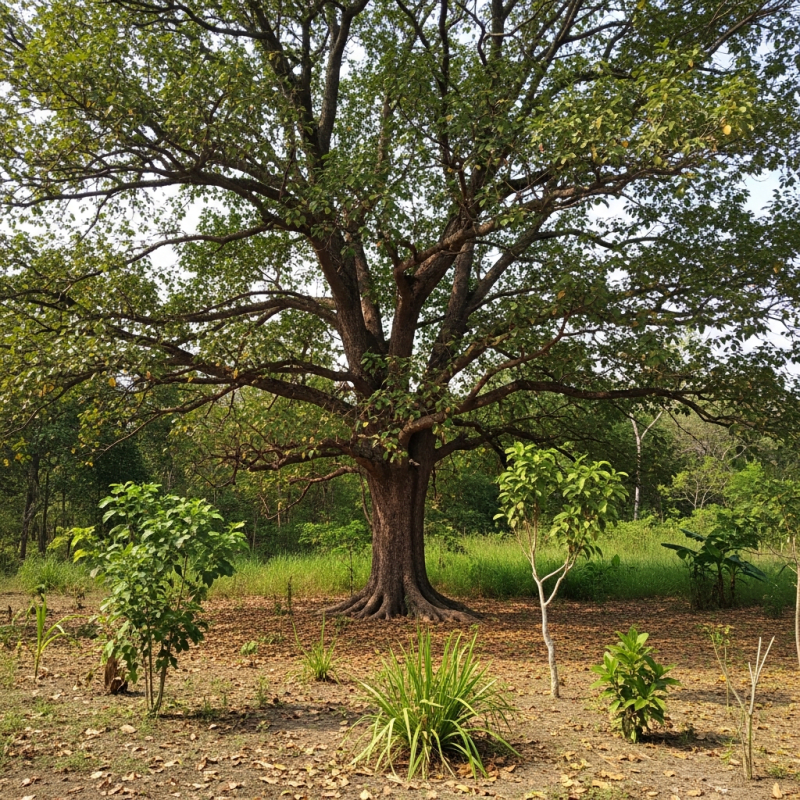
Soft cotton tee, unisex sizes
Buy ShirtBael holds deep spiritual and cultural importance, especially in Hindu and Buddhist traditions. Its leaves are sacred in Hinduism and are essential offerings in the worship of Lord Shiva, symbolizing purity and devotion. The tree is also referenced in ancient texts and folklore, and its fruit and leaves are used in various religious ceremonies across South Asia, making bael a living symbol of spiritual heritage.
Bael trees contribute to their ecosystems by providing shade and shelter for birds and small mammals. Their flowers attract pollinators, while the fruit serves as a food source for wildlife. The tree's resilience to drought and poor soils makes it a valuable component in reforestation and soil conservation efforts in arid regions.


Bael is native to the Indian subcontinent, with natural populations in India, Bangladesh, Sri Lanka, and extending into Southeast Asia. It flourishes in tropical and subtropical climates, often found in dry forests, open woodlands, and cultivated gardens, especially in regions prone to drought and poor soil quality.
Bael is best grown in full sun and well-drained soils, though it tolerates rocky, alkaline, and nutrient-poor conditions. Propagation is typically by seed, as vegetative methods are less common. The tree requires minimal watering once established and is generally pest-resistant, though fruit flies can be a concern. Pruning helps maintain shape and encourages fruiting, while mulching conserves soil moisture.
Bael faces few natural threats due to its resilience, but fruit fly infestation can impact yields. Habitat loss and overharvesting for medicinal and religious purposes may pose localized risks. Conservation efforts focus on maintaining wild populations and promoting sustainable cultivation, with the species currently not considered endangered.
Bael fruit is economically important in South Asia, used in beverages, jams, and sweets. Its pulp is prized in Ayurvedic medicine for digestive and anti-inflammatory benefits. The wood, though not commercially significant, is used for small implements. Leaves and fruit are integral to religious rituals, creating demand beyond culinary and medicinal uses.
Bael symbolizes purity and devotion in Hinduism, with its trifoliate leaves representing the trinity of Brahma, Vishnu, and Shiva. Legends recount its use in ancient rituals and its mention in sacred texts. Folklore attributes healing powers to the fruit and leaves, and the tree is often planted near temples and homes for spiritual protection.