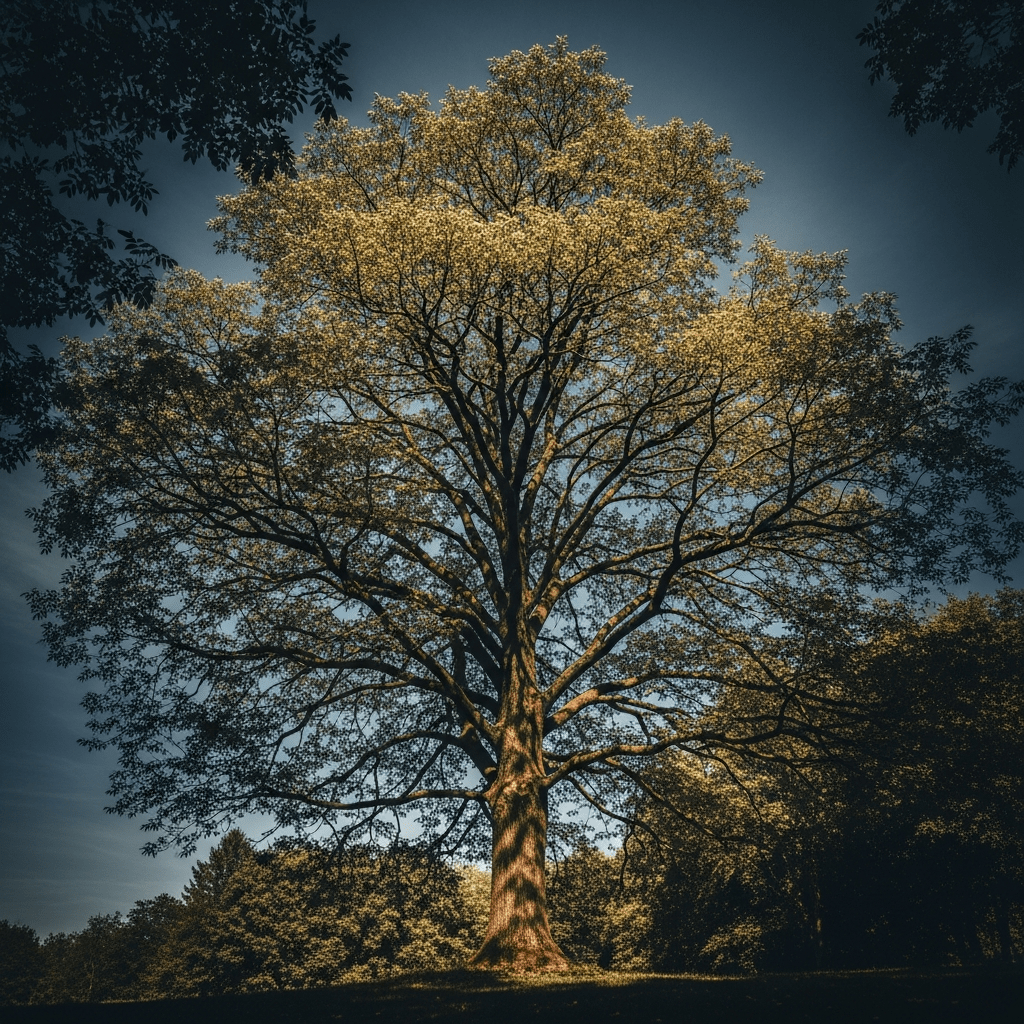
Ash
Ash trees are deciduous members of the genus Fraxinus, renowned for their elegant compound leaves, winged seeds, and versatile, high-quality timber.
Ash trees are deciduous members of the genus Fraxinus, renowned for their elegant compound leaves, winged seeds, and versatile, high-quality timber.
Originating across temperate regions of the Northern Hemisphere, ash trees trace their evolutionary lineage within the Oleaceae family to the Eocene epoch. These naturally occurring species have diversified over millions of years, with prominent representatives such as European ash (Fraxinus excelsior), white ash (Fraxinus americana), and green ash (Fraxinus pennsylvanica) each developing distinct native ranges and histories.
Ash trees belong to the genus Fraxinus within the olive family, Oleaceae. This places them among a diverse group of flowering plants, distinct from other trees such as oaks and maples. The genus comprises approximately 45–65 species, all sharing key botanical traits yet varying in form and adaptation.
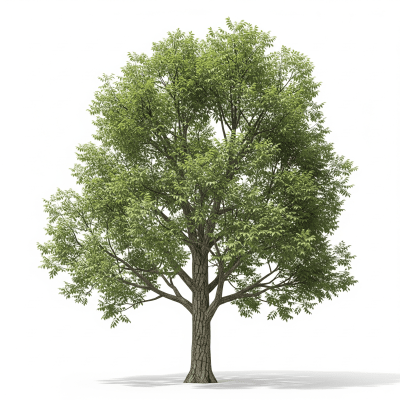
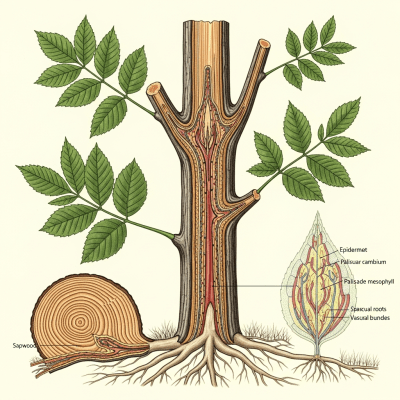
Ash trees are typically medium to large, reaching heights of 10–40 meters. Their straight trunks are clad in smooth gray bark that becomes deeply fissured with age. The leaves are opposite and pinnately compound, featuring 5–11 slender leaflets that create a light, airy canopy. In spring, small, inconspicuous flowers emerge before the leaves, followed by distinctive single-seeded, winged fruits known as samaras, which twirl gracefully in the wind.
Ash trees play vital roles both ecologically and economically. Their rapid early growth and tolerance for various soils make them popular for reforestation and urban landscaping. The tough, elastic wood is prized for furniture, flooring, tool handles, and sports equipment, especially baseball bats. Ash trees also provide shade and habitat for wildlife, and their leaves have occasionally been used in herbal teas and remedies.
Bring this kind into your world � illustrated posters, mugs, and shirts.
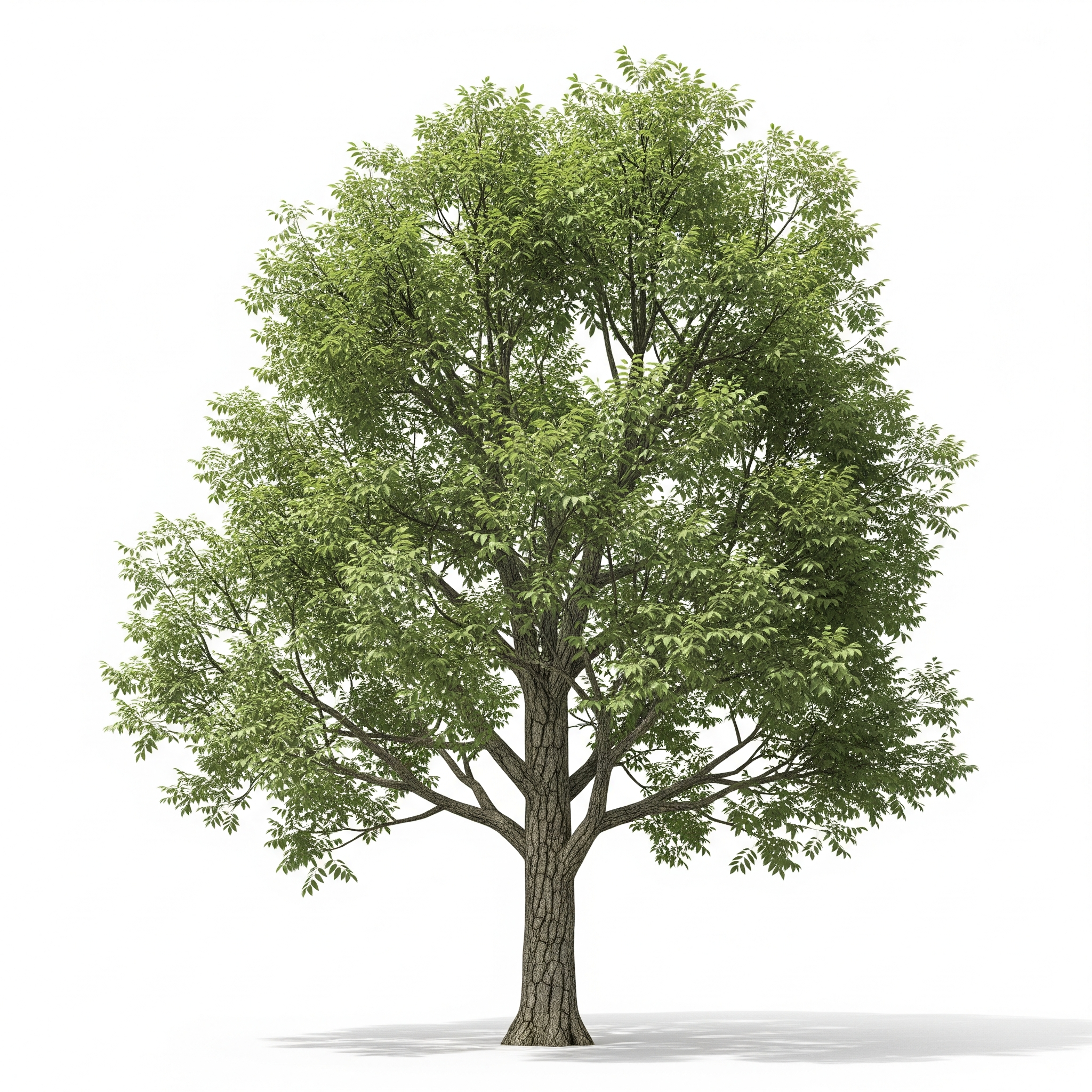
Archival print, museum-grade paper
Buy Poster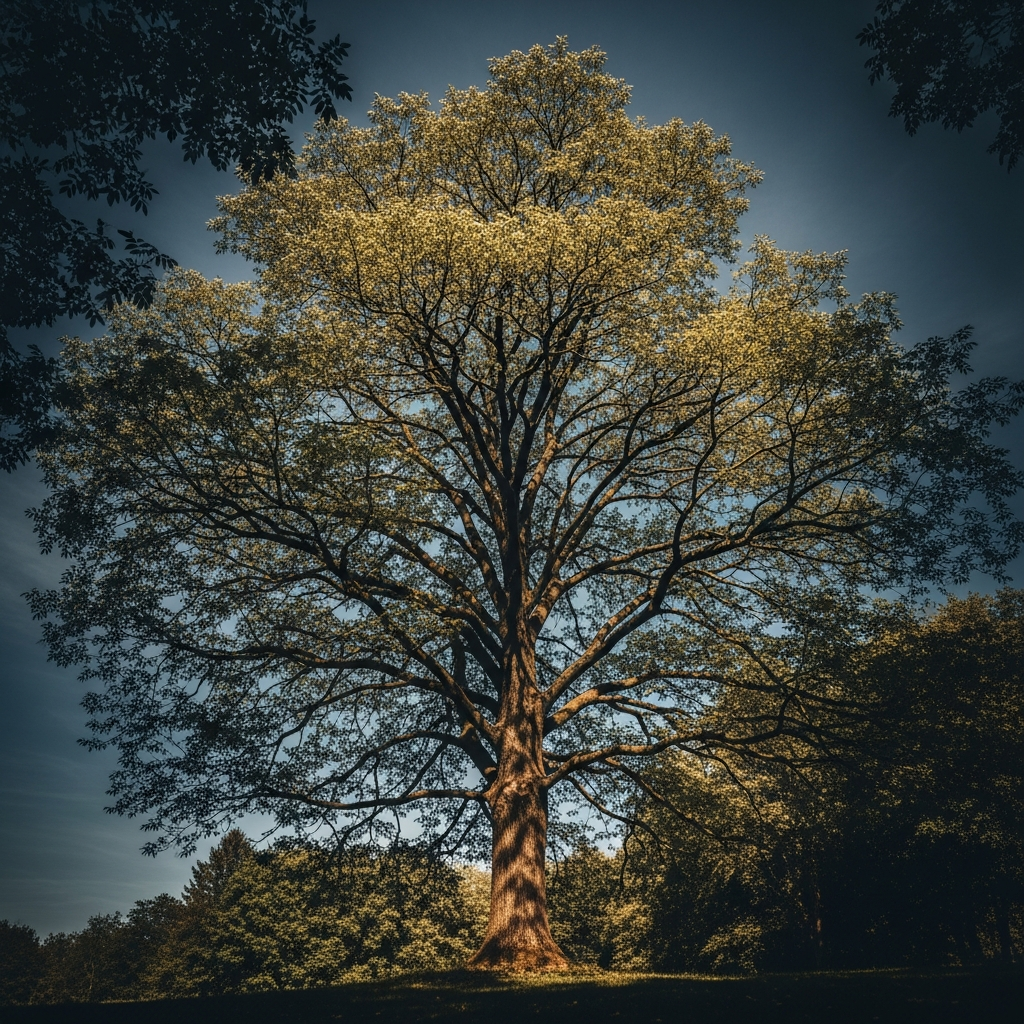
Stoneware mug, dishwasher safe
Buy Mug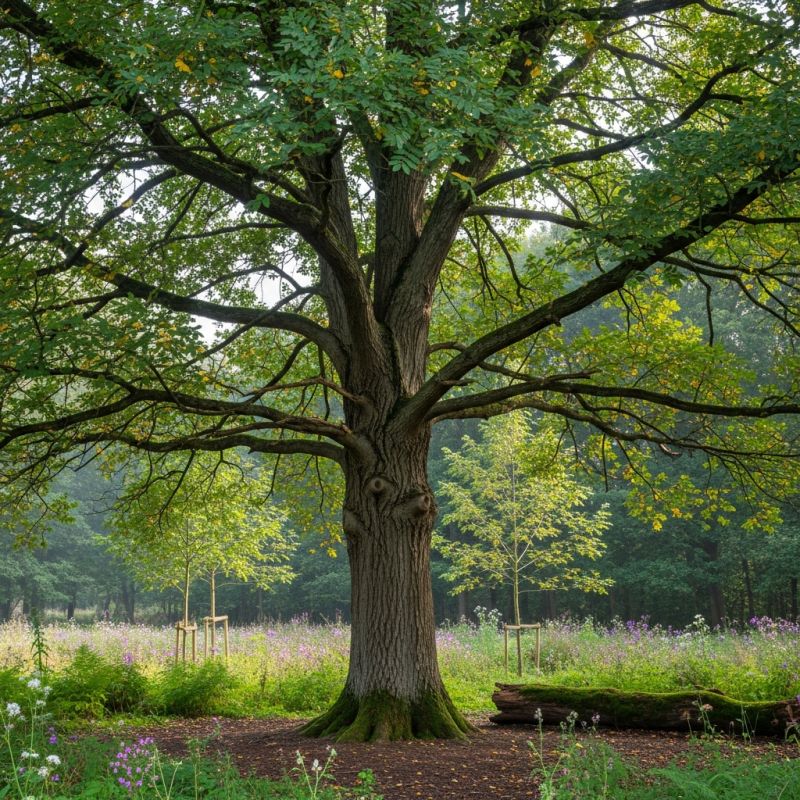
Soft cotton tee, unisex sizes
Buy ShirtAsh trees have long held a place in art, myth, and daily life. In European folklore, the ash is often associated with healing and protection, and its wood was traditionally used for magical staffs and walking sticks. Today, ash trees are celebrated in literature and landscape design for their graceful form and practical value.
Ash trees support diverse ecosystems by providing food and shelter for birds, insects, and small mammals. Their leaves decompose rapidly, enriching forest soils, while the seeds feed wildlife. As canopy trees, they help regulate microclimates and contribute to forest structure and resilience.
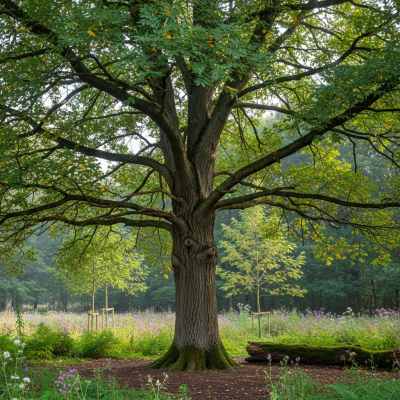
Ash trees are native to temperate regions of Europe, Asia, and North America. They thrive in moist, well-drained soils, often found along riverbanks, in woodlands, and urban parks. Some species tolerate drier or wetter conditions, making the genus adaptable to a range of habitats.
To cultivate ash trees, select a site with full sun and moist, well-drained soil. Plant bare-root or container-grown saplings in spring or autumn. Regular watering during establishment and mulching help young trees thrive. Pruning is minimal, but monitor for pests, especially the emerald ash borer. Avoid planting in areas with known infestations.
The most significant threat to ash trees is the emerald ash borer, an invasive beetle responsible for widespread mortality in North America and Europe. Conservation efforts focus on monitoring, biological control, and breeding for resistance. In some regions, ash trees are protected and monitored to preserve genetic diversity and prevent local extinction.
Ash wood is a staple in furniture making, flooring, tool handles, and sports equipment due to its strength and flexibility. It is also used for veneers and specialty crafts. While not a major food source, young leaves have been used in herbal teas and traditional remedies. Ornamental planting adds landscape value in parks and cities.
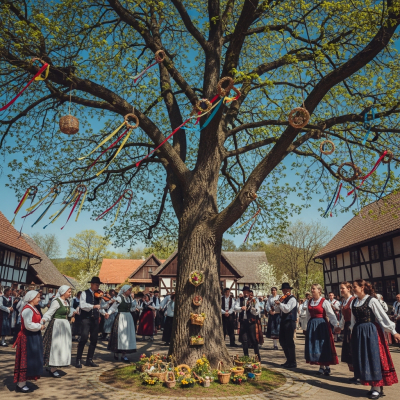
Throughout history, ash trees have symbolized resilience, healing, and connection between worlds. In Norse mythology, the world tree Yggdrasil is often depicted as an ash, linking earth and sky. European traditions associate ash wood with protection and magical properties, and the tree continues to inspire stories and symbolism in modern culture.