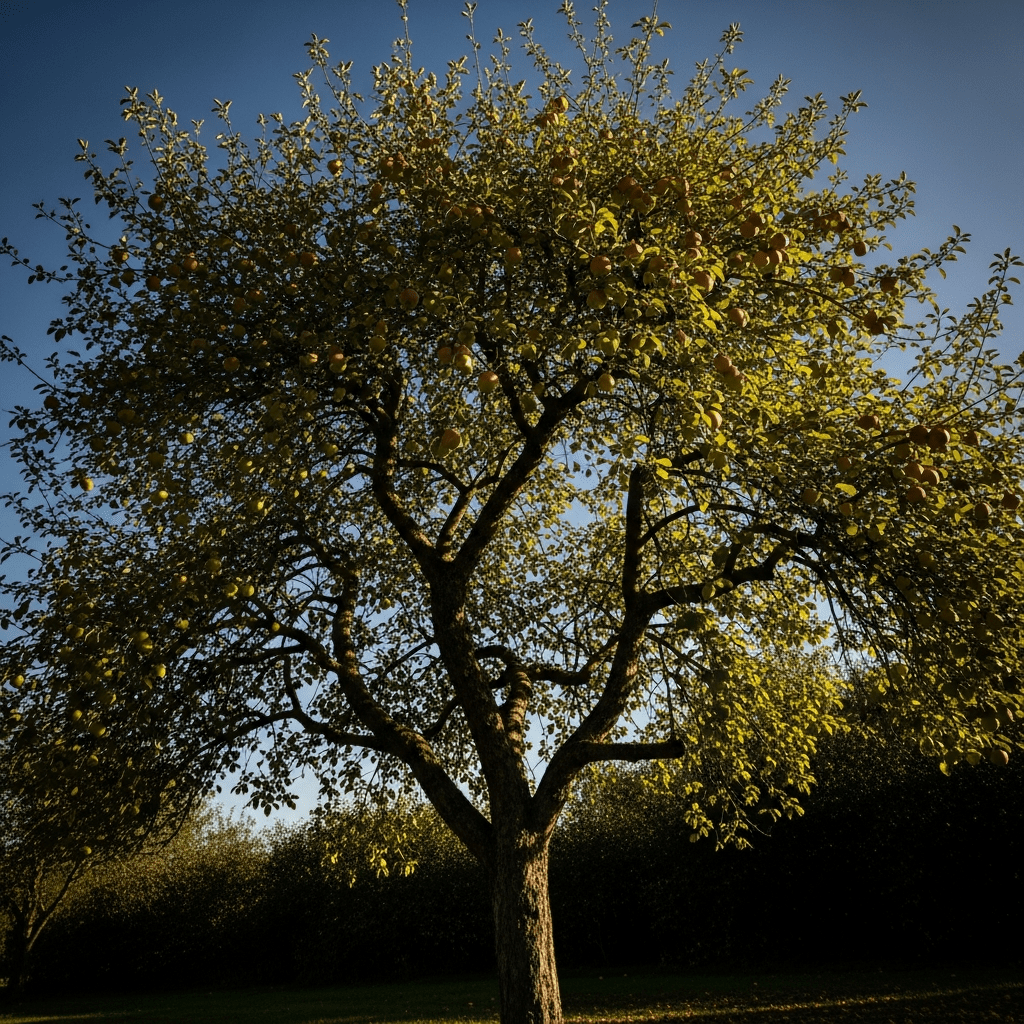
Malus domestica
The apple tree (Malus domestica) is a medium-sized, deciduous fruit tree celebrated worldwide for its edible fruit and central role in temperate agriculture.
The apple tree (Malus domestica) is a medium-sized, deciduous fruit tree celebrated worldwide for its edible fruit and central role in temperate agriculture.
Domesticated apples trace their roots to ancient Central Asia, where wild ancestors such as Malus sieversii and Malus sylvestris interbred to form the species known today. Evidence of apple cultivation spans thousands of years, with modern varieties shaped by extensive breeding efforts in Europe, North America, and Asia. Institutions like the USDA and East Malling Research Station have played pivotal roles in developing the diverse cultivars enjoyed globally.
Belonging to the family Rosaceae, the apple tree is classified botanically as Malus domestica. It sits within the order Rosales, alongside other fruit-bearing trees such as pears and cherries. The genus Malus encompasses both wild and cultivated species, with apples distinguished by their pome fruit and deciduous nature.
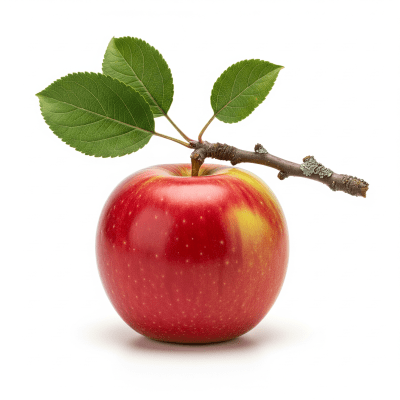
Apple trees typically stand 3–12 meters tall, featuring a single sturdy trunk and a rounded canopy. Their leaves are simple, alternately arranged, and edged with fine serrations. In spring, the branches burst into clusters of fragrant white to pink, five-petaled blossoms, attracting pollinators. The fruit itself is a crisp, juicy pome, varying in size, color (green, yellow, red, or bi-colored), and flavor depending on the cultivar.
Apple trees thrive in temperate climates, requiring winter chilling for healthy fruit set and showing sensitivity to frost during bloom. They are cultivated primarily for their fruit, which is consumed fresh or processed into juice, cider, vinegar, sauces, and baked goods. In addition to their agricultural value, apple trees are appreciated ornamentally for their spring blossoms and are used in landscape design. The wood finds occasional use in crafts and for smoking foods.
Bring this kind into your world � illustrated posters, mugs, and shirts.
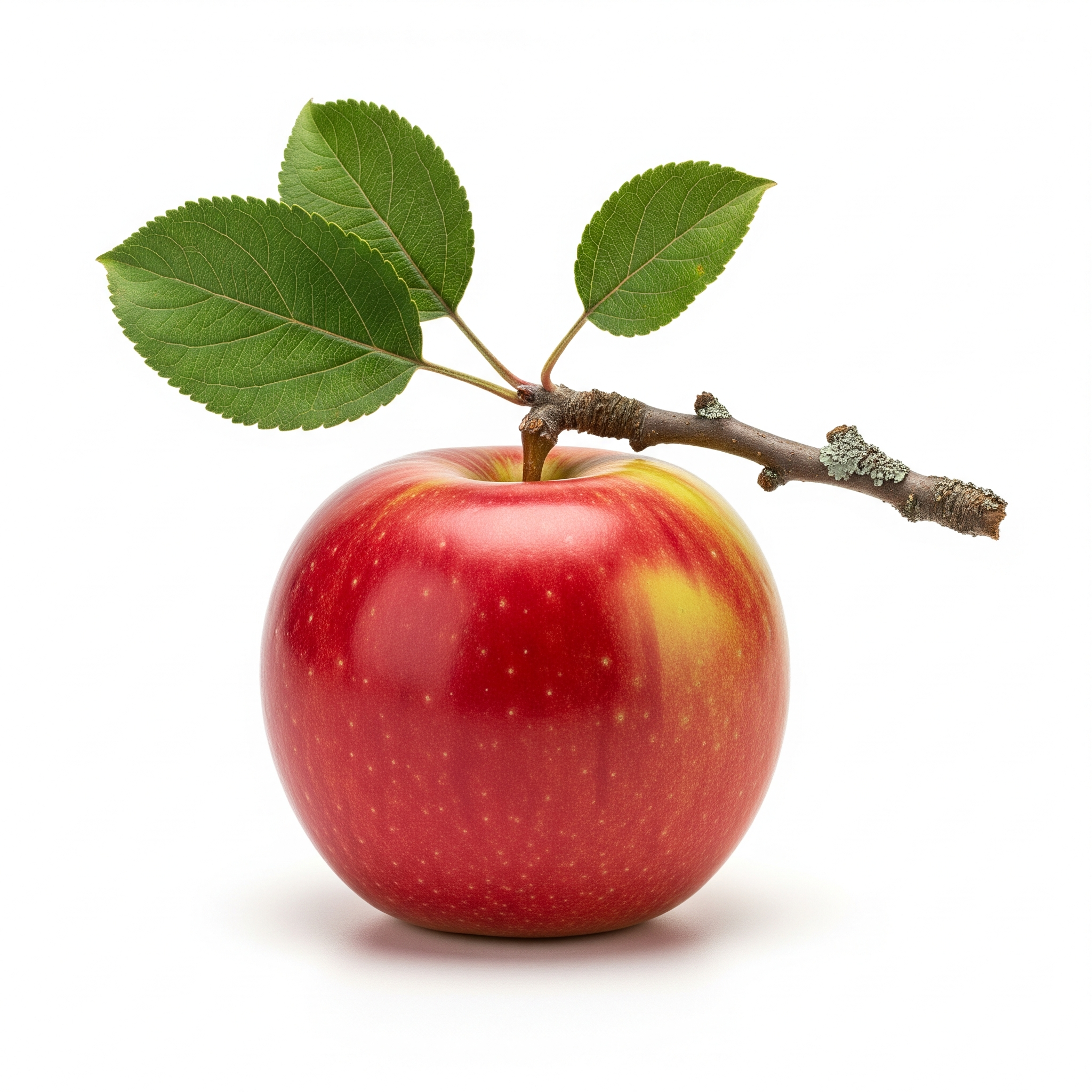
Archival print, museum-grade paper
Buy Poster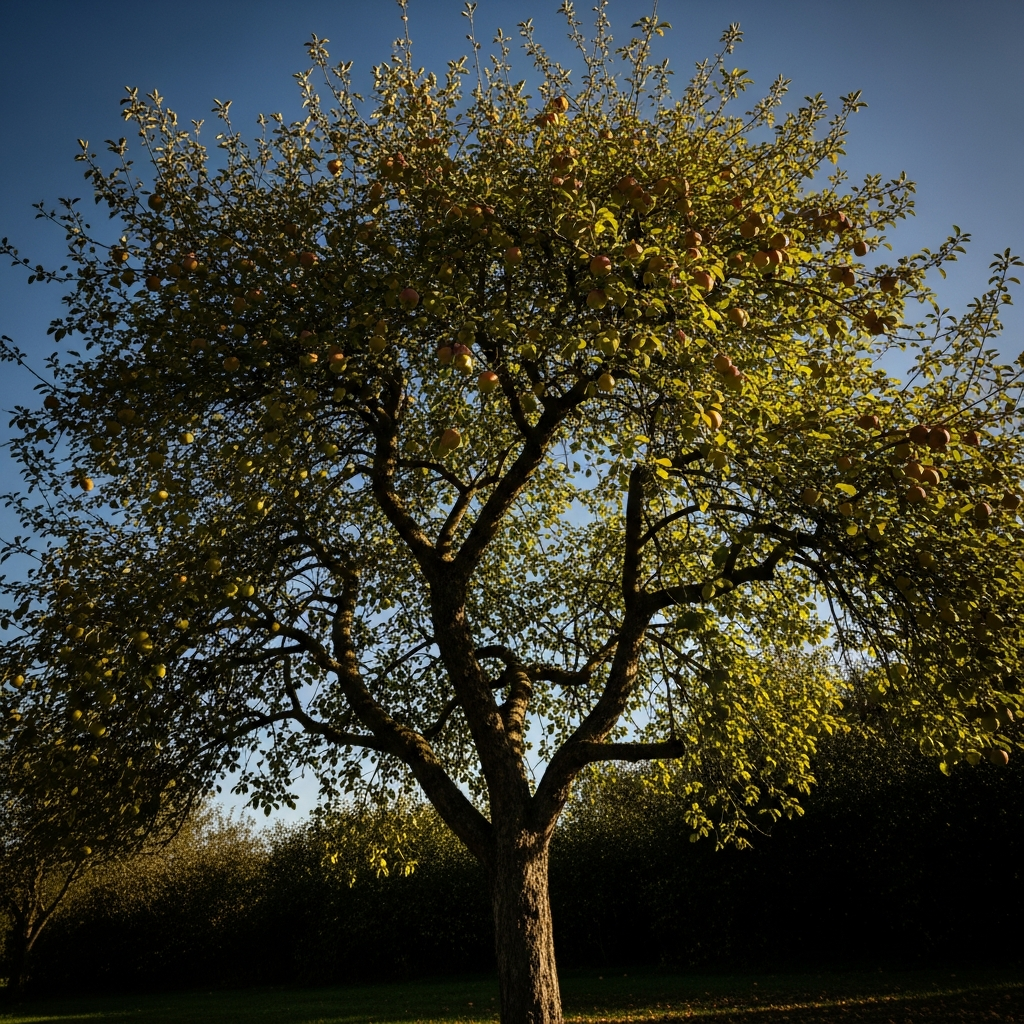
Stoneware mug, dishwasher safe
Buy Mug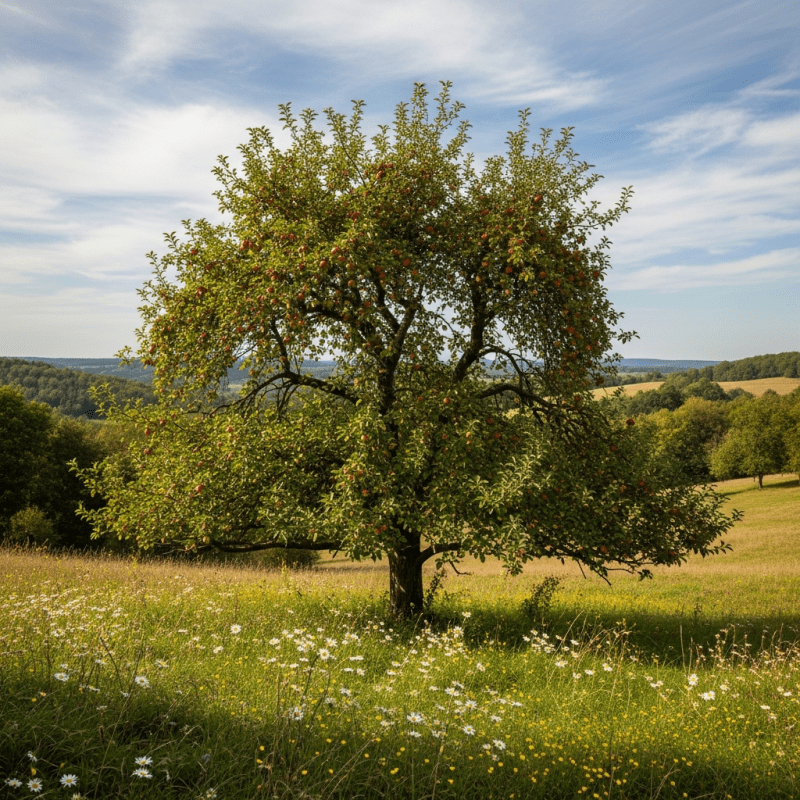
Soft cotton tee, unisex sizes
Buy ShirtApples hold a prominent place in art, mythology, and popular culture. From the biblical story of Adam and Eve to the folklore of Johnny Appleseed, apples symbolize knowledge, temptation, and abundance. Their image recurs in literature, fairy tales, and even modern branding, making the apple a universal cultural icon.
Apple trees contribute to their ecosystems by providing nectar and pollen for bees and other pollinators during spring. Their fruit supports birds, mammals, and insects, while fallen apples enrich the soil. As deciduous trees, apples help cycle nutrients and offer seasonal shade and habitat for wildlife in orchards and gardens.
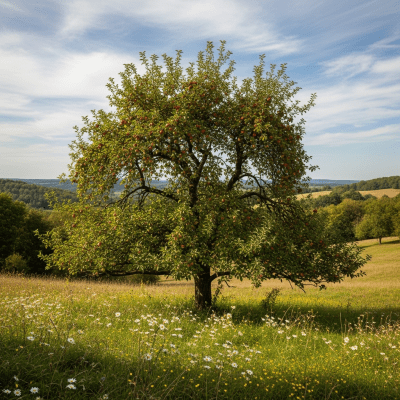

Apples are native to Central Asia but are now cultivated across temperate regions worldwide, from North America and Europe to parts of Asia and Oceania. They prefer well-drained soils, full sun, and climates with distinct seasons, thriving in orchards, gardens, and even urban landscapes.
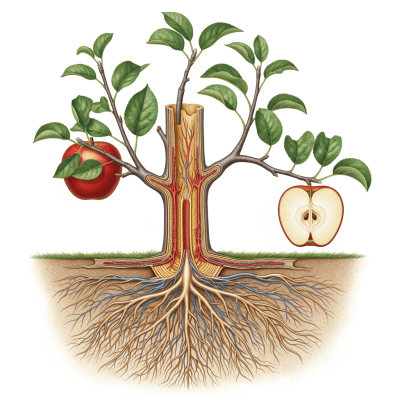
To grow apples successfully, select a site with full sun and well-drained soil. Most varieties require winter chilling and are sensitive to late spring frosts. Regular pruning encourages healthy growth and fruit production. Disease management is important, as apples are susceptible to scab, fire blight, and powdery mildew; planting resistant cultivars and maintaining orchard hygiene can help. Apples are typically grafted onto rootstocks to control tree size and vigor. Harvest timing and proper storage extend fruit quality for weeks or months.
Apple trees face threats from pests, diseases (notably apple scab, fire blight, and powdery mildew), and climate-related stresses such as frost and drought. Conservation efforts focus on preserving wild apple species like Malus sieversii, which maintain genetic diversity crucial for breeding resilient cultivars. Sustainable orchard practices and disease-resistant varieties help safeguard apple production for future generations.
Apples are a cornerstone of global fruit markets, consumed fresh and processed into products like juice, cider, vinegar, sauces, and baked goods. Their nutritional value—rich in vitamin C, fiber, and antioxidants—makes them a dietary staple. Apple blossoms enhance ornamental landscapes, while the wood is occasionally used for crafts and smoking foods, though it is not a major timber source.
Throughout history, apples have symbolized knowledge, temptation, and immortality. They feature in myths such as the golden apples of the Hesperides in Greek lore, the forbidden fruit in the Garden of Eden, and tales of Johnny Appleseed spreading orchards across America. Apples often represent health and abundance in folklore and are a recurring motif in art and literature.