Tieguanyin
Tieguanyin is a celebrated Chinese oolong tea known for its complex floral aroma, creamy mouthfeel, and lingering sweetness, originating from Anxi County in Fujian Province.
Tieguanyin is a celebrated Chinese oolong tea known for its complex floral aroma, creamy mouthfeel, and lingering sweetness, originating from Anxi County in Fujian Province.
Tieguanyin was first discovered in the early 18th century, around 1725 to 1735, in Anxi County, Fujian Province, China. It emerged from local tea farmers selecting a unique cultivar of Camellia sinensis var. sinensis. While legends attribute its discovery to figures such as Wei Yin or Wang Shiqian, no formal breeder or institution is documented. The tea’s name honors the bodhisattva Guanyin, reflecting its deep cultural roots.
Tieguanyin belongs to the oolong tea category, characterized by partial oxidation. It is a specific cultivar within the Camellia sinensis var. sinensis species, distinguished by its unique processing and flavor profile that set it apart among Chinese teas.
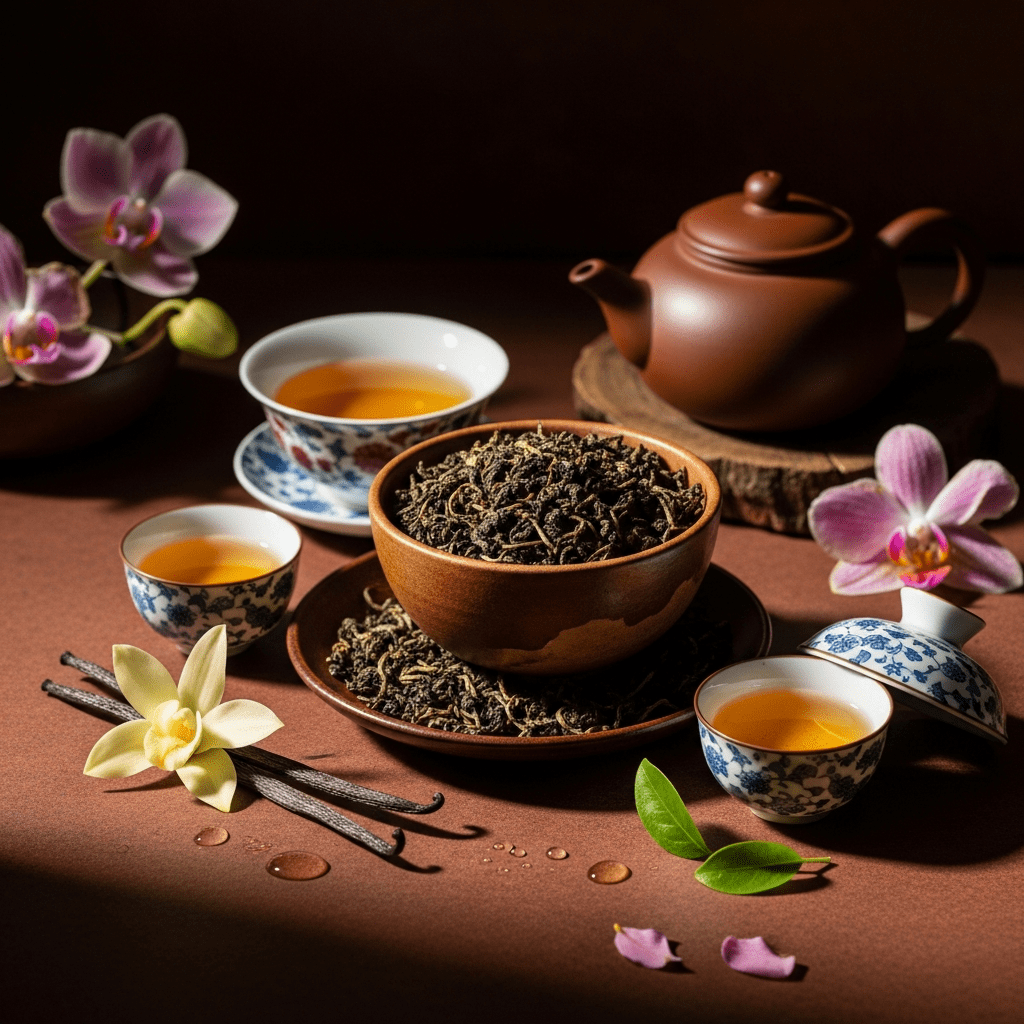
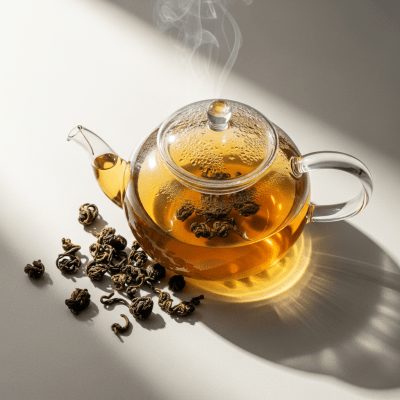
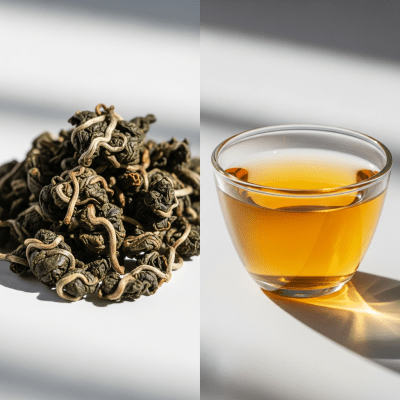
The tea leaves of Tieguanyin are medium-sized and elliptical, featuring a thick, glossy texture with serrated edges and a deep green color. When brewed, the liquor often reveals a clear, bright hue, complementing its delicate floral and creamy sensory qualities.
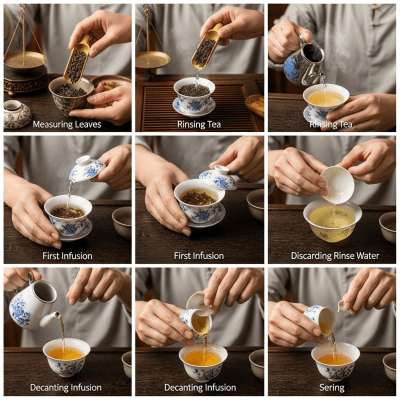
Tieguanyin undergoes a careful semi-oxidized processing that includes withering, tossing, partial oxidation, rolling, and roasting. It is typically brewed as loose leaf tea, often using the gongfu style to highlight its evolving flavors over multiple infusions. The tea’s function extends beyond refreshment, serving as a refined experience that showcases its floral fragrance and smooth texture.
Bring this kind into your world � illustrated posters, mugs, and shirts.
Archival print, museum-grade paper
Buy Poster
Stoneware mug, dishwasher safe
Buy Mug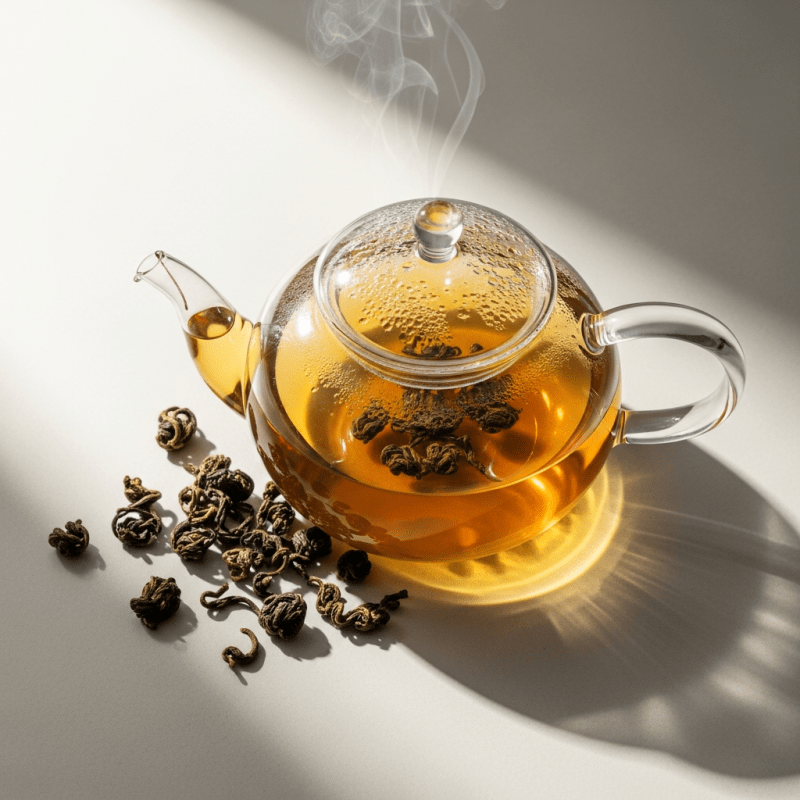
Soft cotton tee, unisex sizes
Buy ShirtTieguanyin holds a revered place in Chinese tea culture as one of the country’s "Ten Famous Teas." It is frequently gifted and served at formal occasions, embodying hospitality and respect. Its name, meaning "Iron Goddess of Mercy," connects it to Buddhist traditions and local legends, enriching its cultural resonance.
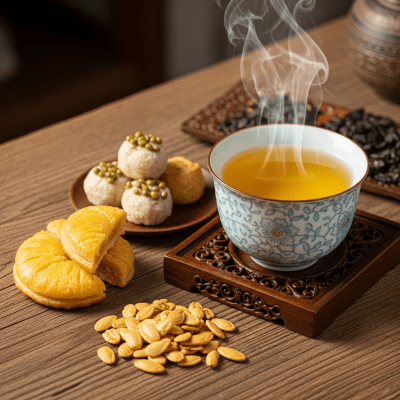
Tieguanyin offers a distinctive orchid-like fragrance complemented by a creamy, smooth mouthfeel. Its flavor unfolds with sweet, lingering notes that balance floral brightness and subtle roasted undertones, creating a refined and memorable tasting experience.
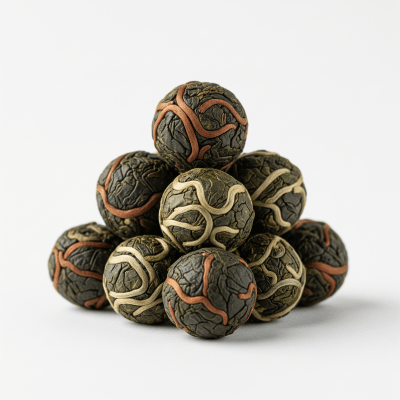

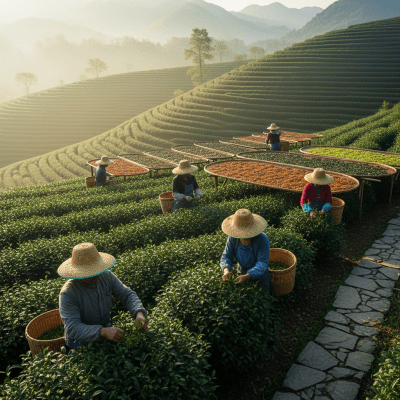
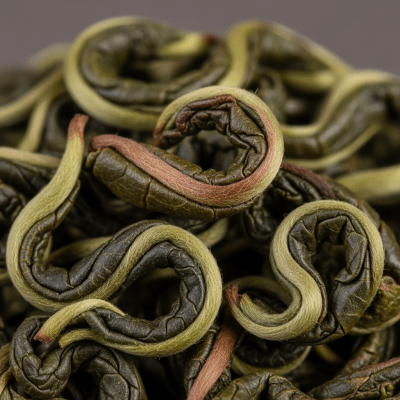
The production of Tieguanyin involves several key steps: withering the fresh leaves, tossing to bruise and initiate oxidation, controlled partial oxidation typically between 15% and 30%, rolling to shape the leaves, and a light roasting to preserve floral aromas. These methods combine to develop its signature complexity and aroma.
Tieguanyin is commonly enjoyed as loose leaf tea, often prepared in the gongfu style to extract multiple infusions that reveal evolving flavors. It holds ceremonial importance in Chinese tea culture and is a favored gift symbolizing respect and good fortune.
Tieguanyin is reputed to offer health benefits typical of oolong teas, including antioxidant properties, support for digestion, and mild stimulation from caffeine. Its moderate oxidation preserves beneficial compounds, contributing to its reputation as a nourishing and refreshing beverage.
Within the Tieguanyin category, notable regional variants include Traditional Tieguanyin, known for its heavier roasting and deeper flavor, and Qing Xiang Tieguanyin, which is lightly oxidized and prized for its fresh, floral character. Taiwanese Tieguanyin teas, made from imported Anxi cultivars but processed locally, also offer distinct interpretations of this classic tea.