Sri Lankan Green Tea
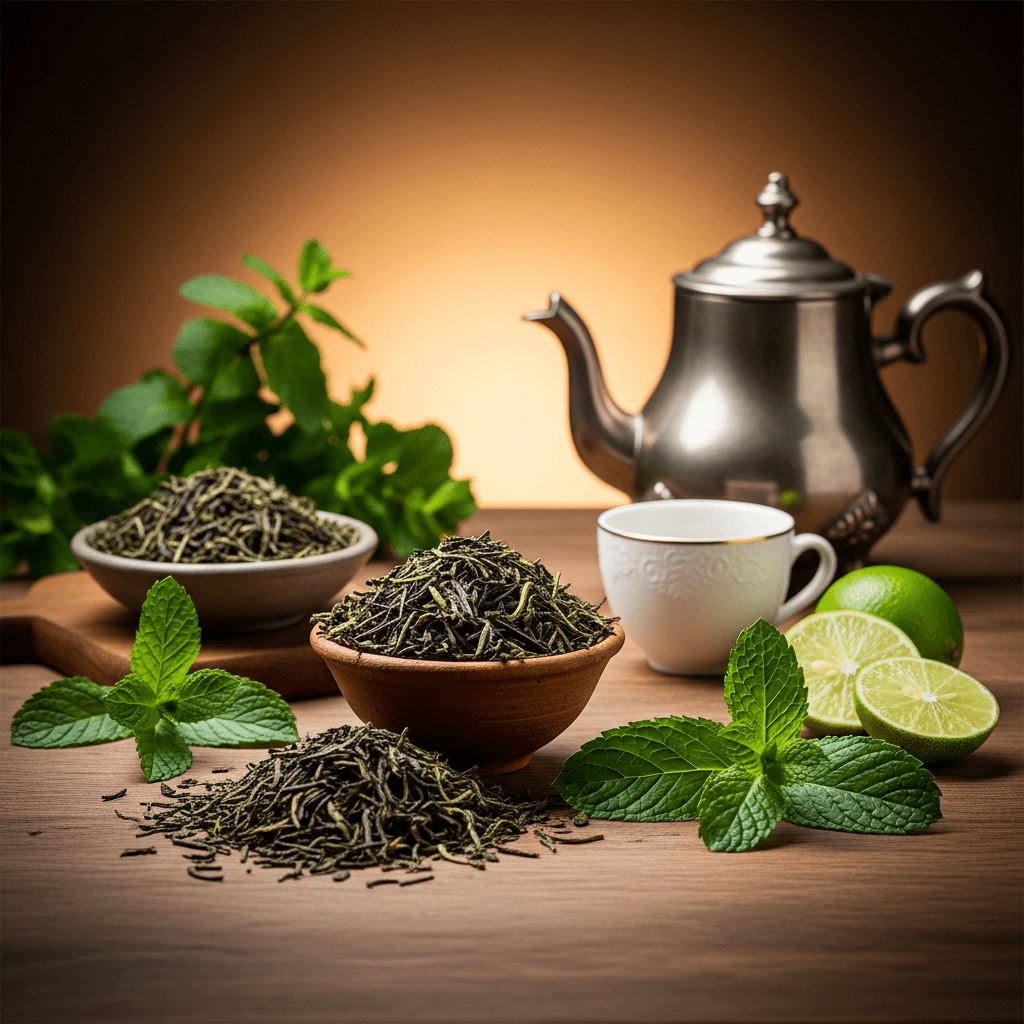
Sri Lankan Green Tea is a green tea crafted from Camellia sinensis leaves grown in Sri Lanka, celebrated for its brisk character, lighter body, and fresh, grassy flavor profile.
Sri Lankan Green Tea is a green tea crafted from Camellia sinensis leaves grown in Sri Lanka, celebrated for its brisk character, lighter body, and fresh, grassy flavor profile.
Originating in Sri Lanka during the late 20th century, Sri Lankan Green Tea emerged as a response to growing export demand. Unlike some teas with defined cultivars or breeders, it is produced from the same tea bushes used for black tea—primarily Camellia sinensis varieties sinensis and assamica—across the island's diverse tea-growing regions.
Classified within the green tea family, Sri Lankan Green Tea is distinguished by its non-oxidized processing and botanical origin from Camellia sinensis. It fits alongside global green teas but stands apart through its unique regional terroir and production methods that mirror Chinese green tea traditions.
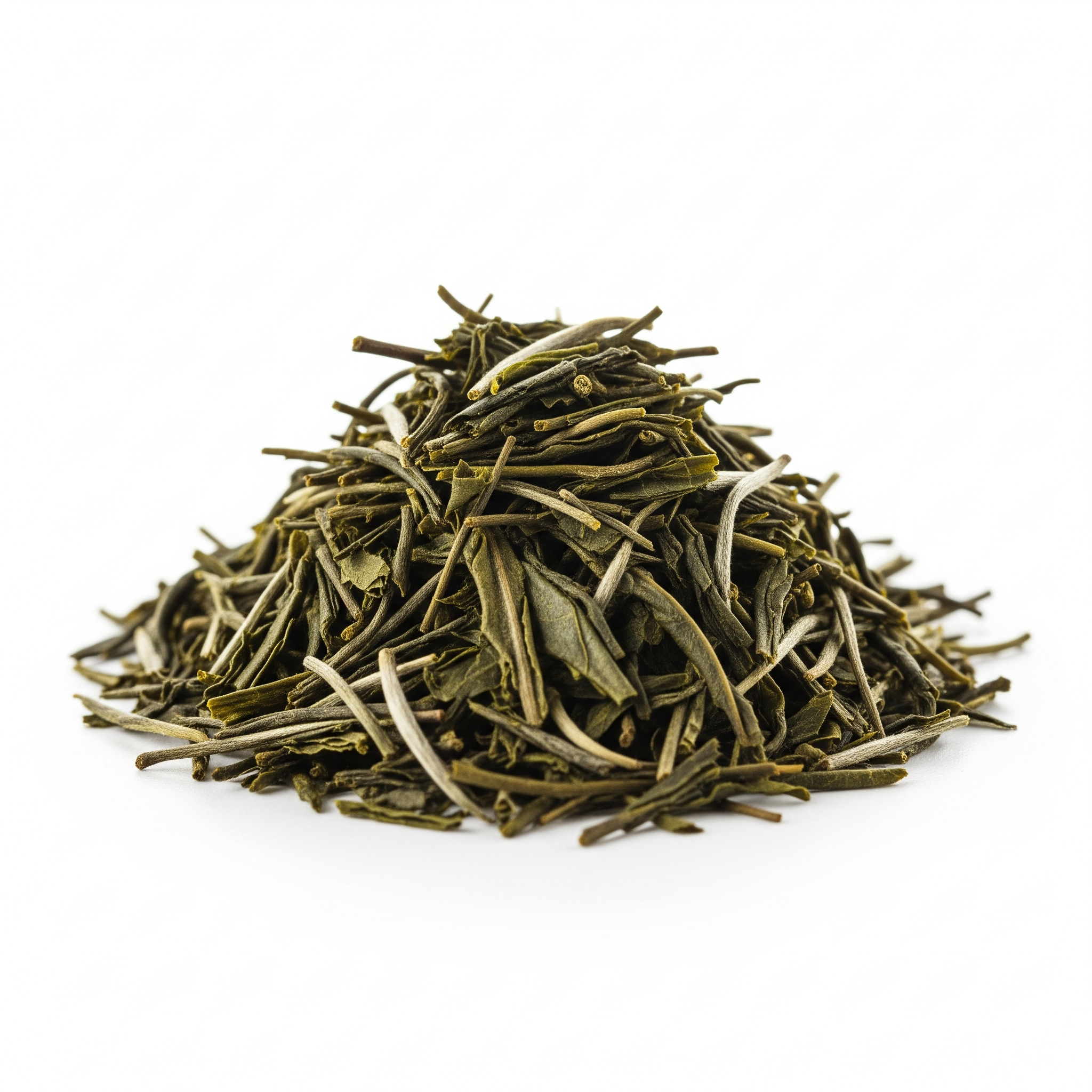
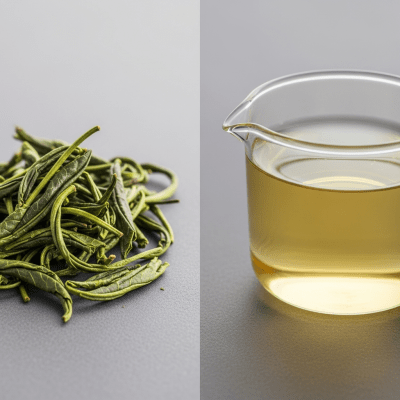
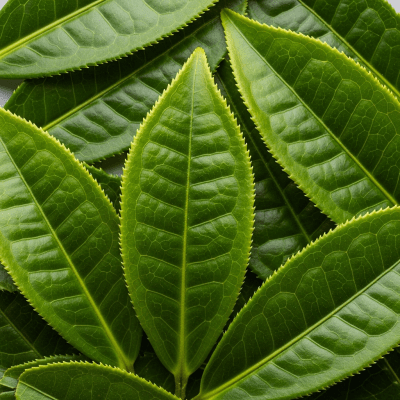
The tea leaves are typically medium to large with a dark green hue before processing. Once prepared, the dry leaves often retain a fresh green appearance, while the brewed liquor presents a clear, light color reflecting its gentle oxidation-free processing.
Sri Lankan Green Tea is primarily cultivated for export, serving as a brisk, refreshing beverage option distinct from the island’s famed black teas. Its lighter body and fresh flavor make it suitable for those seeking a vibrant yet gentle green tea experience.
Bring this kind into your world � illustrated posters, mugs, and shirts.
Archival print, museum-grade paper
Buy Poster
Stoneware mug, dishwasher safe
Buy Mug
Soft cotton tee, unisex sizes
Buy ShirtWhile black tea dominates Sri Lanka’s domestic consumption and cultural identity, green tea is gaining prominence due to international demand. It carries the legacy of Ceylon tea craftsmanship into new markets, symbolizing Sri Lanka’s expanding tea heritage beyond traditional black tea.
Sri Lankan Green Tea delivers a brisk and lively cup with a lighter body than many Asian green teas. Its flavor profile features fresh grassy and vegetal notes, often accompanied by subtle citrus undertones that add brightness and complexity to the sensory experience.



Processing begins with quickly steaming or pan-firing freshly plucked leaves to halt oxidation. This is followed by rolling to shape the leaves and drying to preserve freshness. These steps closely mirror traditional Chinese green tea production, ensuring the tea retains its characteristic green color and brisk flavor.
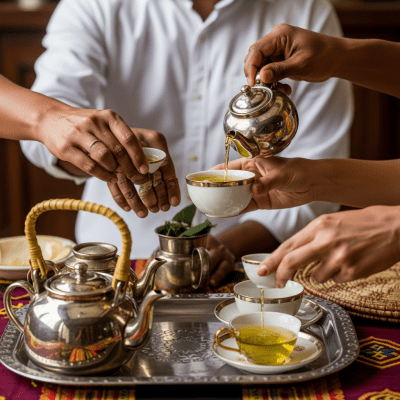
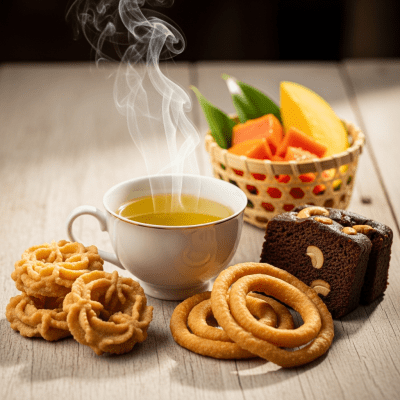
Though less common in local Sri Lankan tea culture, green tea is gaining traction internationally as a valued export. It is typically brewed plain to highlight its fresh flavors and may be enjoyed without additives, aligning with global green tea consumption practices.
Like other green teas, Sri Lankan Green Tea is reputed for its antioxidant properties and potential health benefits, including supporting metabolism and cardiovascular health. Its minimal oxidation helps preserve polyphenols and catechins beneficial to wellness.
Notable regional variants include "Uva Green" and "Nuwara Eliya Green," named after their respective tea-growing areas. These variants reflect differences in elevation and microclimate, which influence leaf characteristics and subtle flavor distinctions within the broader Sri Lankan Green Tea category.