Oriental Beauty
Oriental Beauty is a distinctive Taiwanese oolong tea celebrated for its heavy oxidation and signature honeyed aroma, achieved through a unique insect-influenced processing method.
Oriental Beauty is a distinctive Taiwanese oolong tea celebrated for its heavy oxidation and signature honeyed aroma, achieved through a unique insect-influenced processing method.
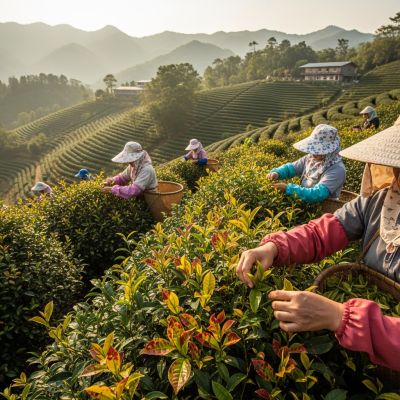
Originating in Taiwan's Hsinchu and Miaoli counties during the late 19th to early 20th century, Oriental Beauty—also known locally as Bai Hao Oolong or Dongfang Meiren—emerged as a specialty tea cultivated primarily from the Qing Xin Da Mao cultivar. Its development is closely tied to the region's terroir and traditional harvesting practices.
Classified as a heavily oxidized oolong tea, Oriental Beauty occupies a unique place between green and black teas, with oxidation levels ranging from 60 to 80%. It belongs to the Camellia sinensis species and is distinguished by its semi-oxidized processing and insect-mediated leaf transformation.
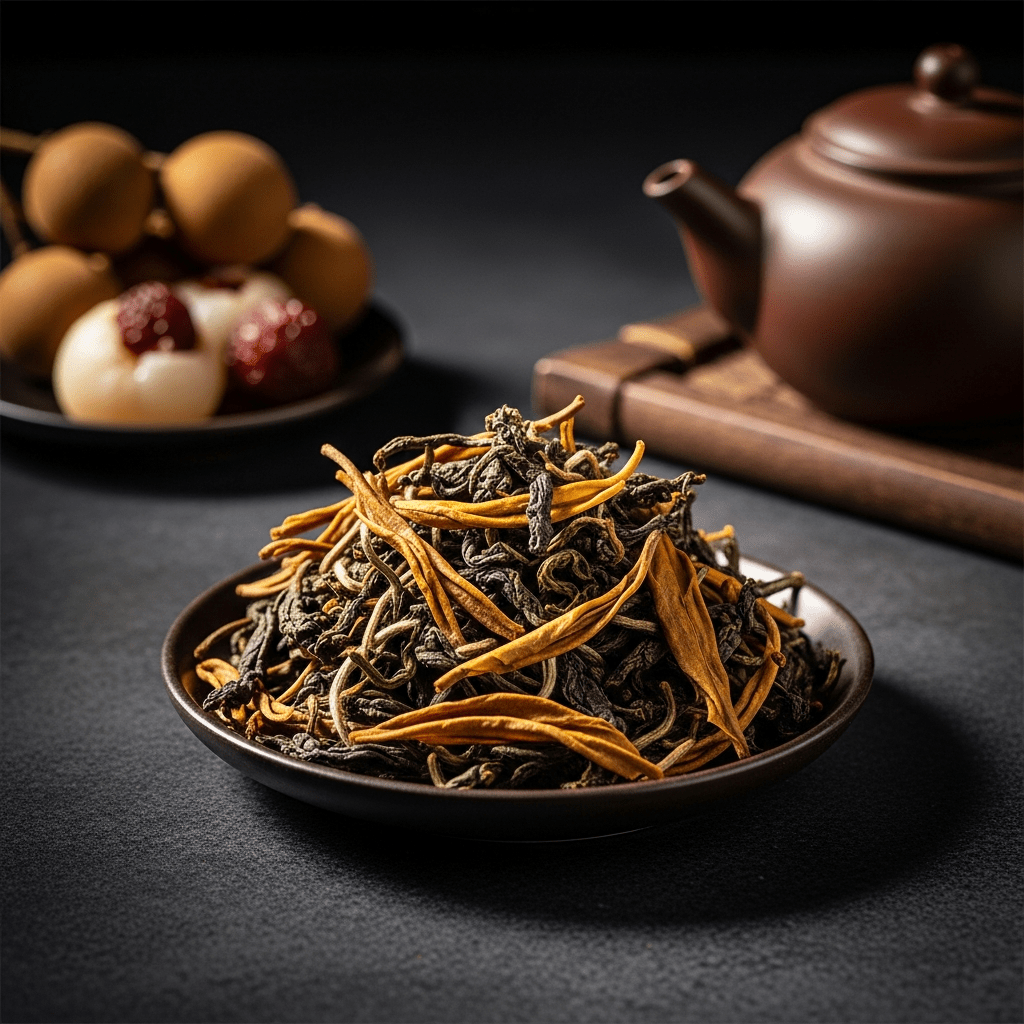
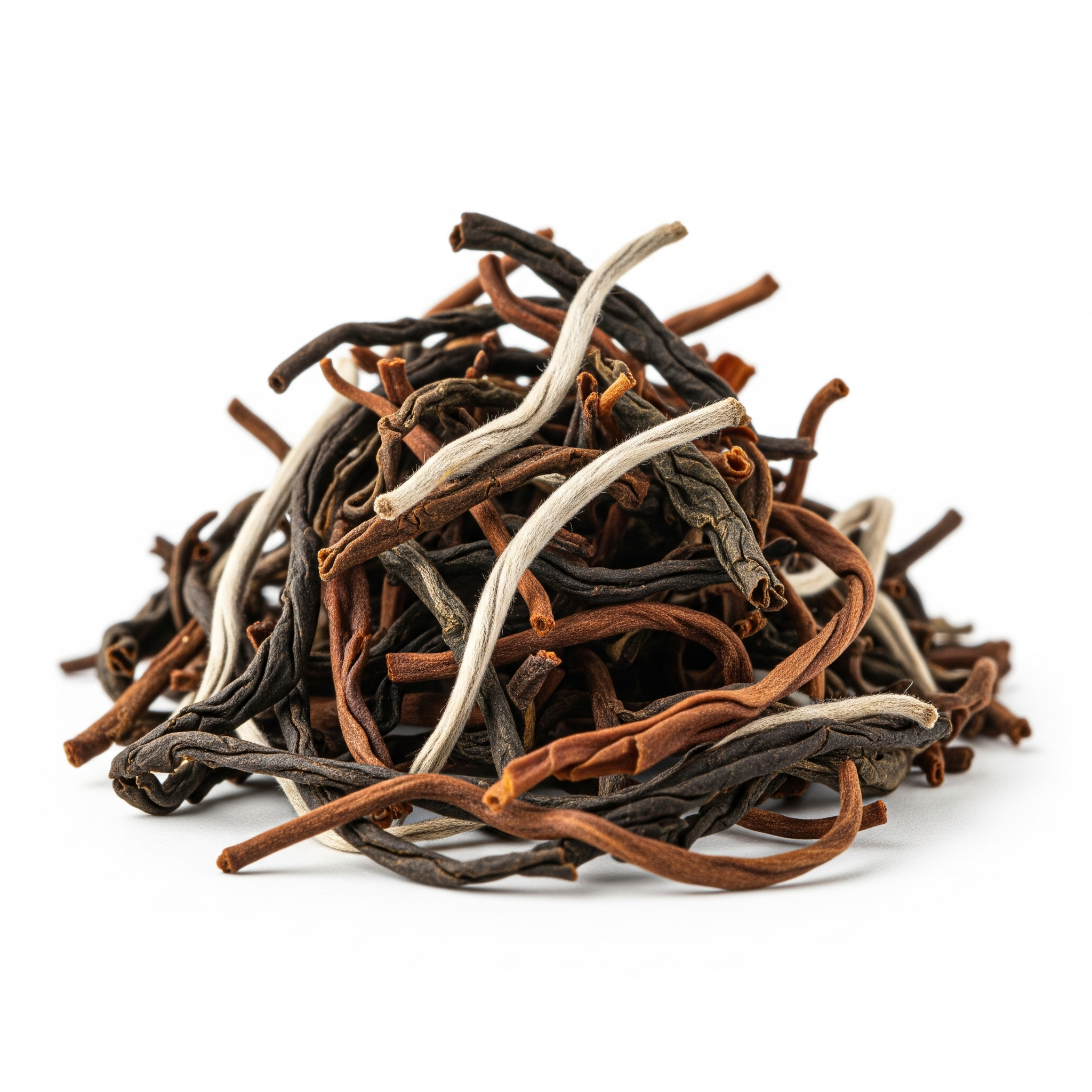
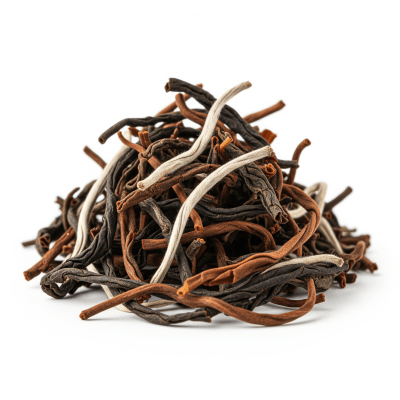
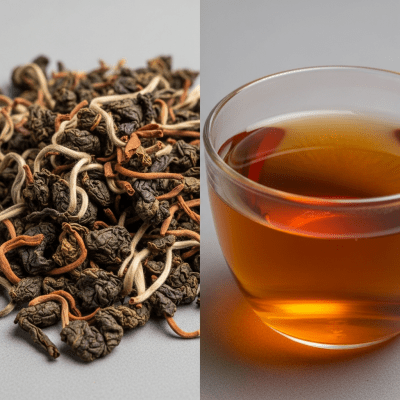
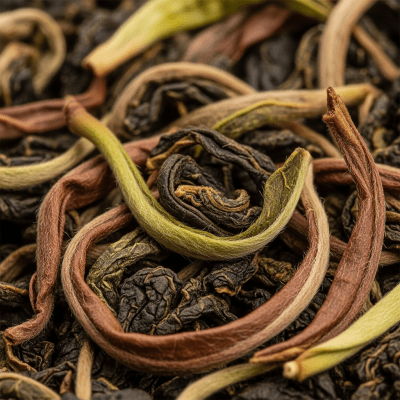
The tea leaves and buds of Oriental Beauty are medium to large, displaying a captivating palette of white, green, yellow, red, and brown hues caused by partial oxidation. This colorful mix reflects its complex processing and contributes to its visual appeal.
Oriental Beauty’s defining characteristic arises from deliberate exposure of tea plants to leafhopper insects, whose feeding induces chemical changes that enhance the tea's sweetness and fragrance. The harvested leaves undergo withering, rolling, oxidation, and drying, culminating in a loose-leaf infusion prized for its aromatic complexity.
Bring this kind into your world � illustrated posters, mugs, and shirts.
Archival print, museum-grade paper
Buy Poster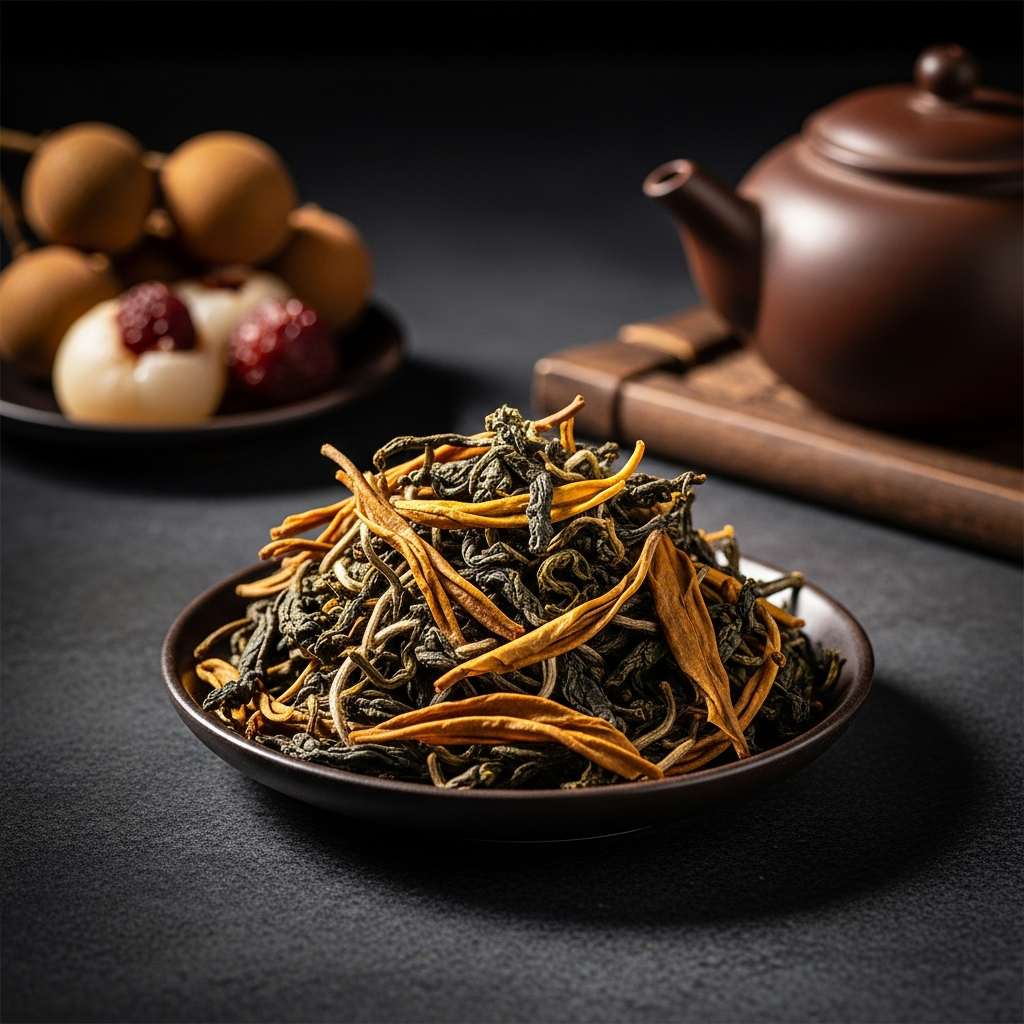
Stoneware mug, dishwasher safe
Buy Mug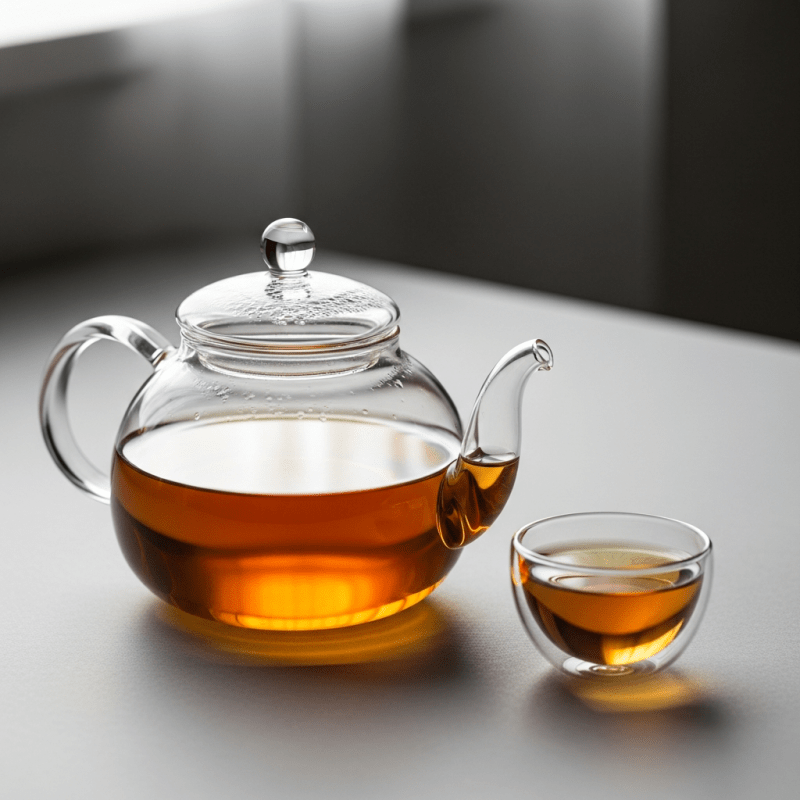
Soft cotton tee, unisex sizes
Buy ShirtDeeply rooted in Taiwanese culture, Oriental Beauty is revered not only for its unique production but also as a symbol of the island’s artisanal tea heritage. Its insect-influenced processing method and regional identity have made it a cherished specialty in both local ceremonies and international tea markets.
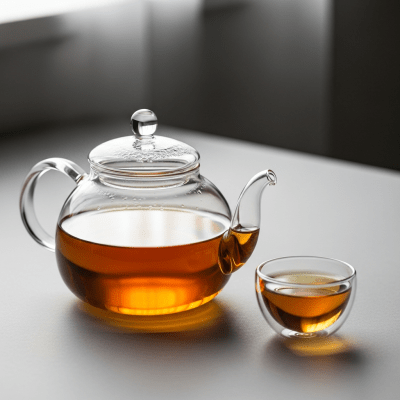
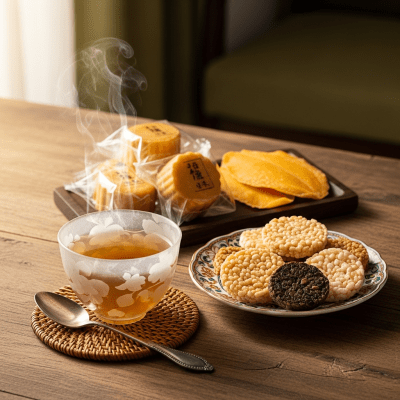
Oriental Beauty offers a sweet, fruity, and honey-like flavor enriched with delicate floral undertones. Its smooth, lingering finish captivates the palate, making it a complex and aromatic tea experience favored by connoisseurs.
The processing of Oriental Beauty involves several key steps: withering the leaves to reduce moisture, rolling to bruise and shape them, controlled oxidation at approximately 60–80% to develop flavor, and finally drying to preserve the tea. Minimal roasting is applied to maintain its delicate aroma.
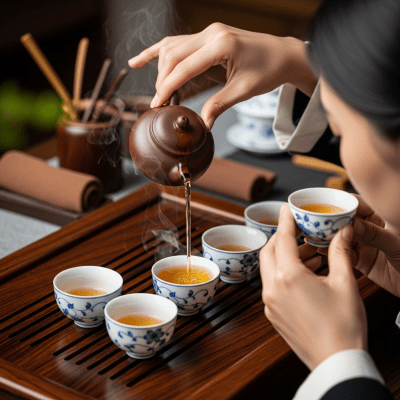
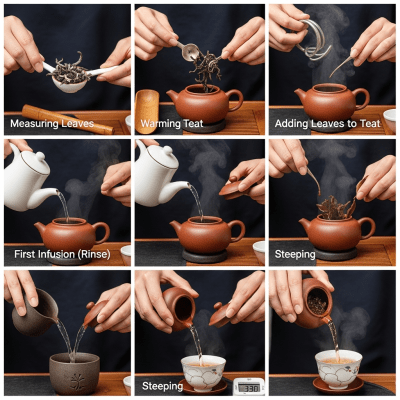
Typically enjoyed as a loose-leaf infusion, Oriental Beauty holds a special place in Taiwanese tea culture. Its preparation emphasizes multiple infusions to fully appreciate its evolving flavors, and it is highly prized in specialty tea markets worldwide.
While specific studies on Oriental Beauty are limited, like other oolong teas, it is reputed to support metabolism, provide antioxidants, and contribute to overall wellness. Its unique chemical profile from insect interaction may offer additional nuanced benefits.
Within Taiwan, notable regional variants of Oriental Beauty are associated with the Hsinchu and Miaoli counties, each imparting subtle differences in flavor and aroma influenced by local terroir and cultivation practices.