Smooth Octopus
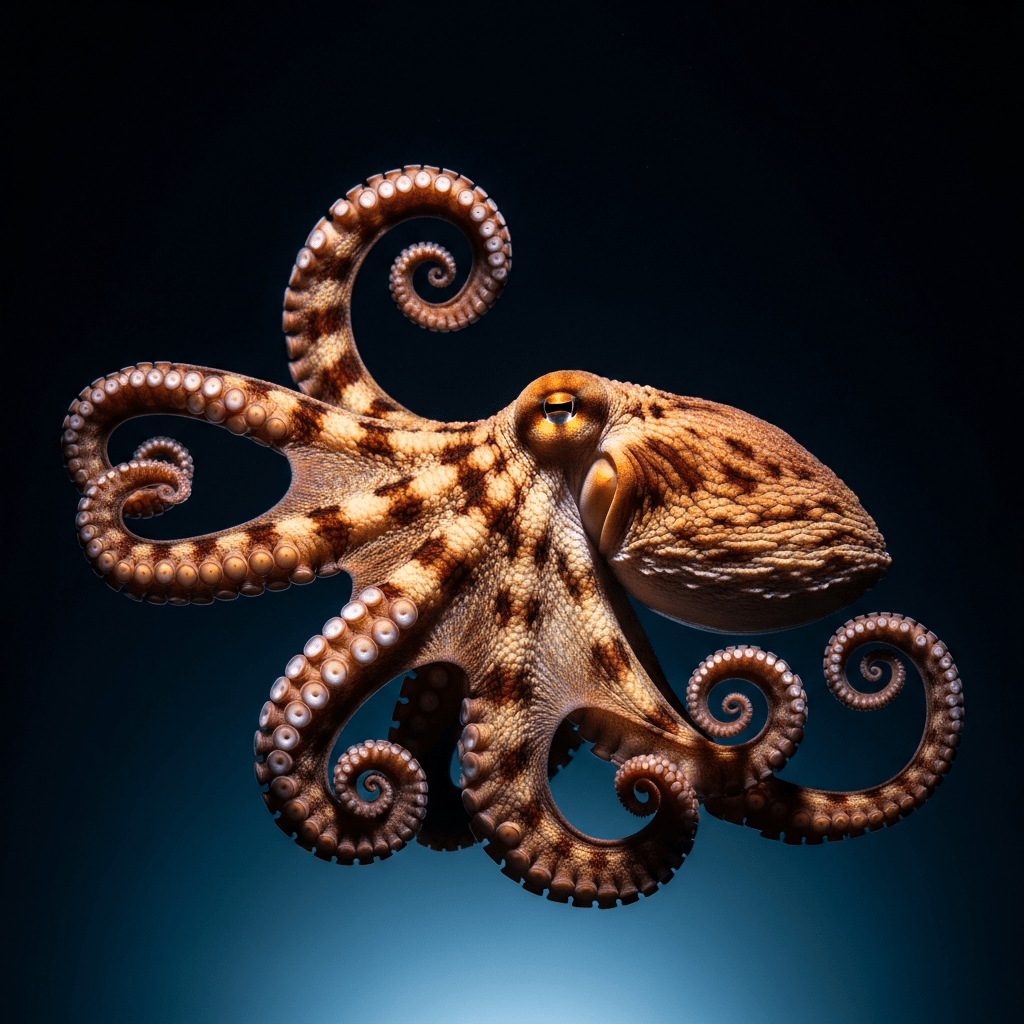
The Smooth Octopus (Octopus superciliosus) is a lesser-known octopus species native to the Indo-Pacific, recognized for its distinctly smooth skin and subtle coloration.
The Smooth Octopus (Octopus superciliosus) is a lesser-known octopus species native to the Indo-Pacific, recognized for its distinctly smooth skin and subtle coloration.
Octopus superciliosus was first described in 1832 by naturalists Quoy and Gaimard during early 19th-century marine explorations in the Indo-Pacific region. While the exact location of the type specimen remains uncertain, this discovery marked the formal introduction of the species into scientific literature.
The Smooth Octopus belongs to the order Octopoda, within the family Octopodidae. It is classified under the genus Octopus and carries the species name superciliosus. This placement situates it among the typical benthic octopuses known for their eight arms and soft bodies.
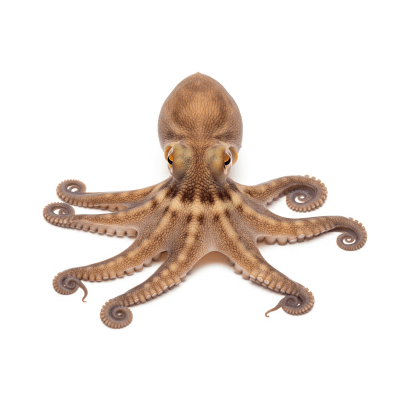
This species is characterized by a soft, smooth mantle that lacks the rough textures or papillae common in many other octopuses. Its mantle length ranges from 5 to 12 centimeters, and its coloration is generally pale to light brown, capable of subtle changes through chromatophores. It has the standard eight arms equipped with biserial suckers, presenting a modest arm length relative to its body size.
Due to limited research, detailed behaviors of the Smooth Octopus remain largely undocumented. It is not known to be targeted by fisheries or aquaculture and has no significant recorded interaction with humans beyond its natural ecological role.
Bring this kind into your world � illustrated posters, mugs, and shirts.

Archival print, museum-grade paper
Buy Poster
Stoneware mug, dishwasher safe
Buy Mug
Soft cotton tee, unisex sizes
Buy ShirtThe Smooth Octopus holds minimal cultural or symbolic significance, with no notable presence in art, folklore, or culinary traditions. Its niche distribution and rarity contribute to its low profile in human culture.
The Smooth Octopus is native to the Indo-Pacific region, where it occupies marine environments typical of benthic octopuses. Specific details about its preferred substrates or depth range are not well documented, reflecting the limited research on this species.



While octopuses are generally known for their intelligence, there is no specific information available regarding the cognitive abilities or problem-solving skills of the Smooth Octopus. Its behaviors remain largely unstudied.
Typical of octopuses, the Smooth Octopus likely relies on camouflage and rapid escape to evade predators, aided by its ability to subtly change coloration. However, detailed descriptions of its defense strategies are not available.
Reproductive habits and lifecycle details of the Smooth Octopus have not been documented in scientific literature. As with many octopuses, it is presumed to follow a similar pattern of mating, egg-laying, and a relatively short lifespan, but specifics remain unknown.
The conservation status of the Smooth Octopus has not been assessed, and there is no available information on threats or population trends. Its limited distribution and rarity highlight the need for further study to understand any potential environmental challenges it may face.