Flapjack Octopus
The Flapjack Octopus is a group of deep-sea octopuses within the genus Opisthoteuthis, recognized for their flattened, gelatinous bodies and umbrella-like webbing connecting their arms.
The Flapjack Octopus is a group of deep-sea octopuses within the genus Opisthoteuthis, recognized for their flattened, gelatinous bodies and umbrella-like webbing connecting their arms.
The Flapjack Octopus name applies to several species described primarily in the early 20th century, with Opisthoteuthis californiana first identified by Berry in 1912 from specimens collected off the coast of California, USA. The genus Opisthoteuthis was established by Verrill in 1883, representing a lineage of deep-sea cirrate octopuses adapted to life near the ocean floor.
Belonging to the order Octopoda, the Flapjack Octopus falls within the family Opisthoteuthidae and genus Opisthoteuthis. These cirrate octopuses are distinguished by their internal shells and cirri—small finger-like projections along their arms—setting them apart from more familiar benthic octopuses.
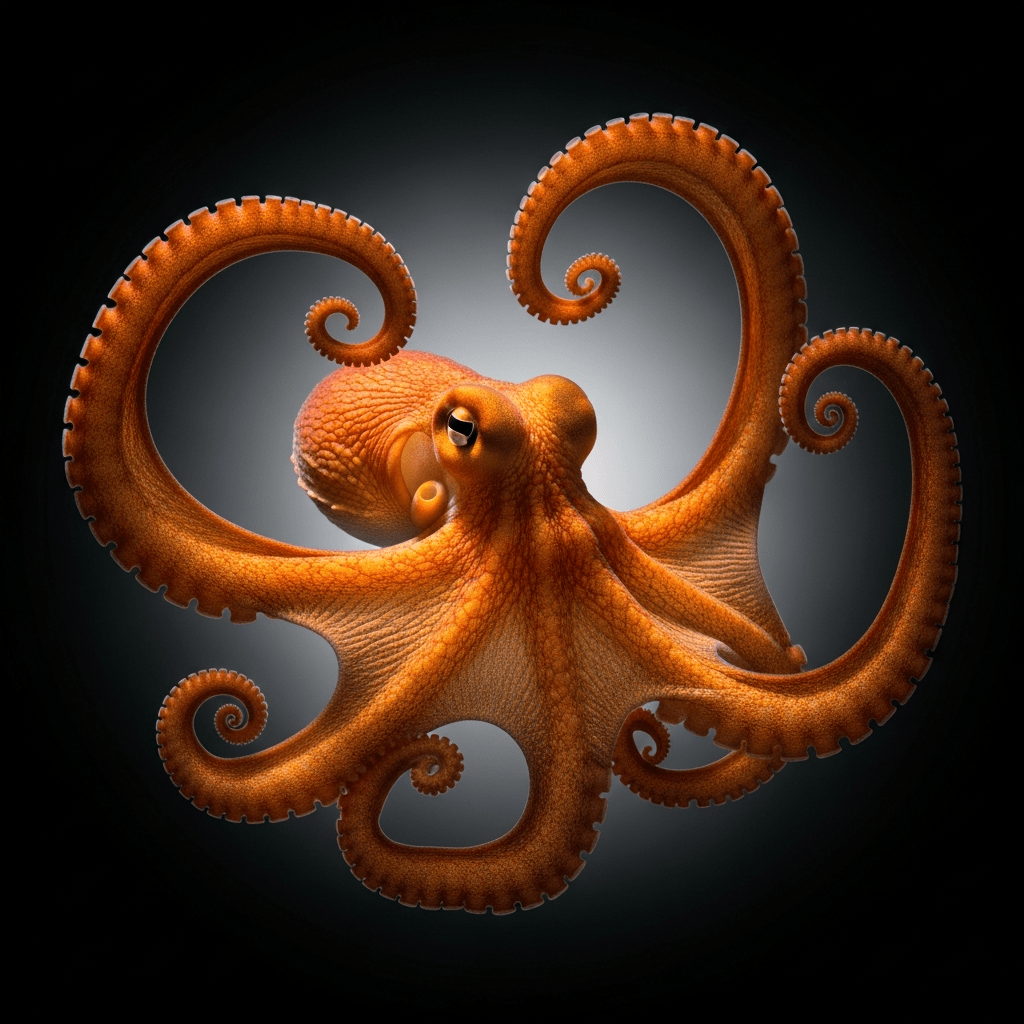
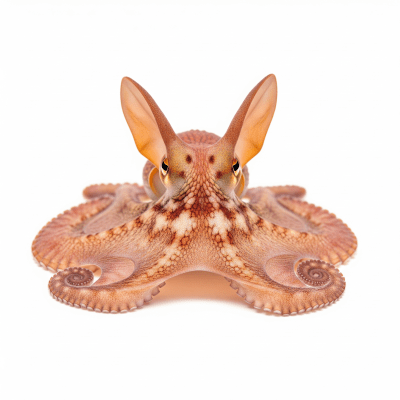
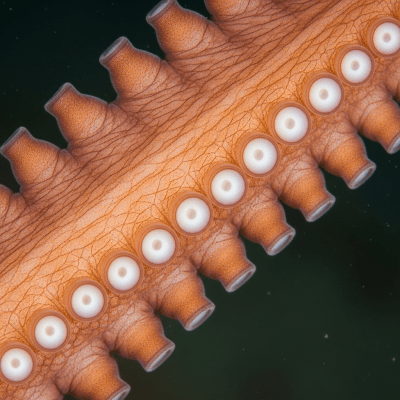
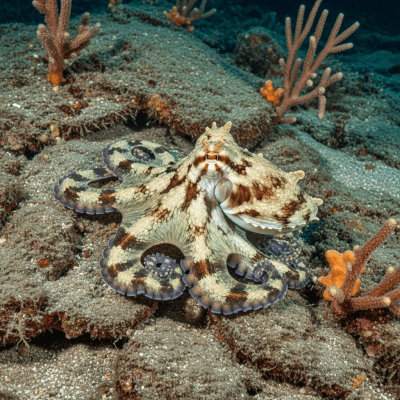
Flapjack Octopuses possess a soft, gelatinous, and flattened body with a distinctive umbrella-like webbing stretching between their arms. Their coloration ranges from pinkish to reddish hues. Notable features include cirri lining their arms and a vestigial internal shell known as a stylet, giving them a unique, almost ethereal appearance suited to deep-sea environments.
These octopuses exhibit low metabolic rates and limited mobility, often propelling themselves by gently flapping or gliding along the seafloor. Their behavior is adapted to the deep benthic zones they inhabit, where energy conservation is vital. They have no known direct use in fisheries or aquaculture but occasionally appear in public aquaria and media as intriguing deep-sea creatures.
Bring this kind into your world � illustrated posters, mugs, and shirts.

Archival print, museum-grade paper
Buy Poster
Stoneware mug, dishwasher safe
Buy Mug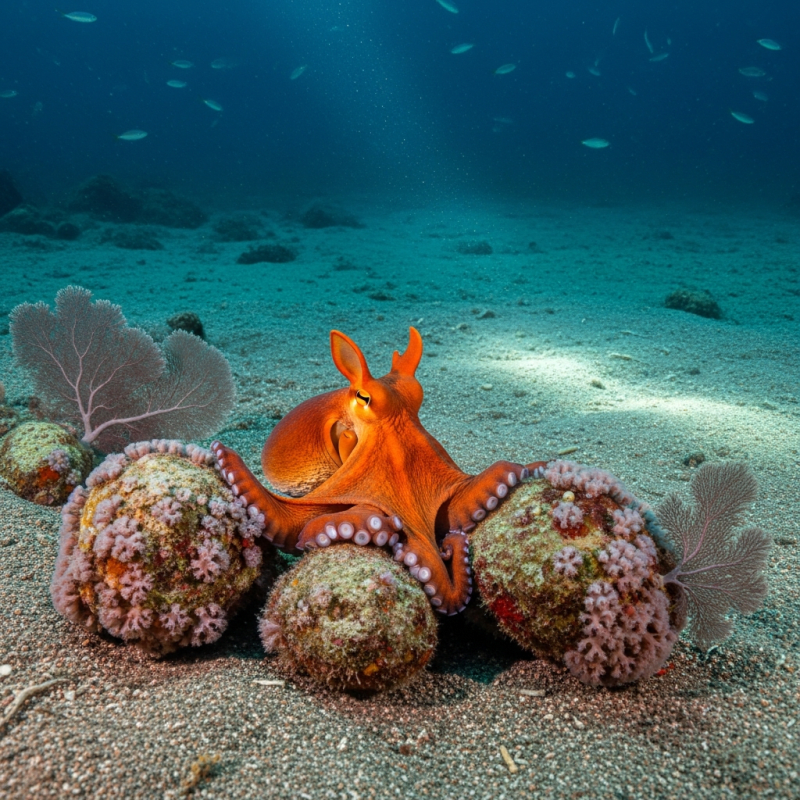
Soft cotton tee, unisex sizes
Buy ShirtWhile the Flapjack Octopus holds negligible direct economic value, it has inspired fascination in popular culture and marine exhibitions. Its unusual form and mysterious deep-sea lifestyle have made it a subtle muse for animated characters and educational displays, highlighting the diversity of ocean life.
Flapjack Octopuses dwell in deep-sea benthic environments, typically ranging from 200 to 1500 meters below the ocean surface. They are found in regions such as off the coast of California and other deep marine habitats worldwide. Their soft bodies and low activity suit the cold, high-pressure conditions of these depths.

While detailed studies are limited, Flapjack Octopuses likely share the problem-solving abilities common to octopods. However, their low metabolic rates and deep-sea lifestyle suggest more subdued activity levels compared to shallow-water relatives, with adaptations favoring energy conservation over complex behaviors.
Flapjack Octopuses rely primarily on their soft, gelatinous bodies and ability to blend into the deep-sea environment for protection. Their flattened form and webbing may help them evade predators by appearing larger or less recognizable. Unlike many octopuses, they lack ink sacs and instead depend on camouflage and low visibility in deep waters.
Specific details on the reproduction and lifecycle of Flapjack Octopuses remain scarce due to their deep-sea habitat and rarity. Like other cirrate octopuses, they likely have slow growth rates and produce relatively few eggs, with development adapted to stable, cold environments. Lifespan data is not well documented.
The conservation status of Flapjack Octopuses is largely unknown, reflecting the challenges of studying deep-sea species. They face threats from habitat disturbance, particularly from deep-sea trawling, which can damage their fragile benthic environments. Their rarity and specialized habitat make monitoring and protection efforts difficult.