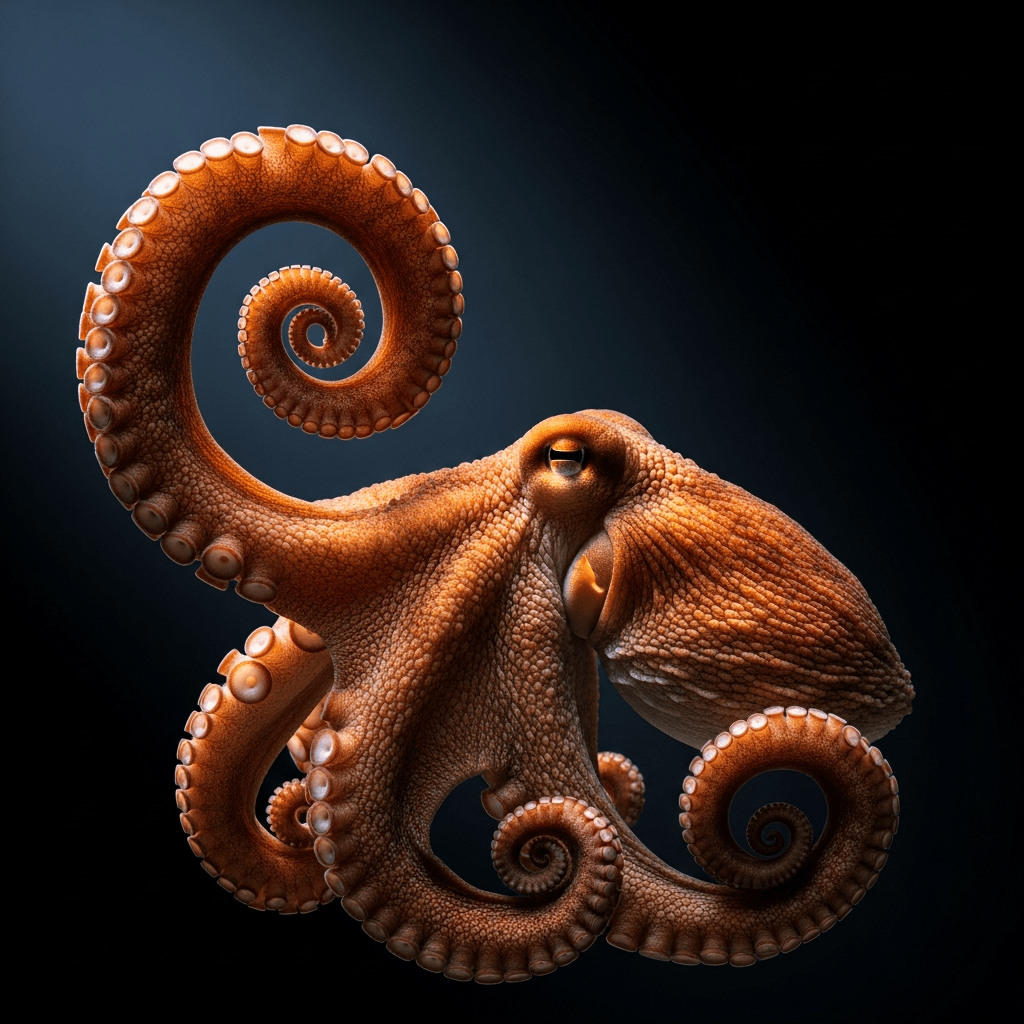
Curled Octopus
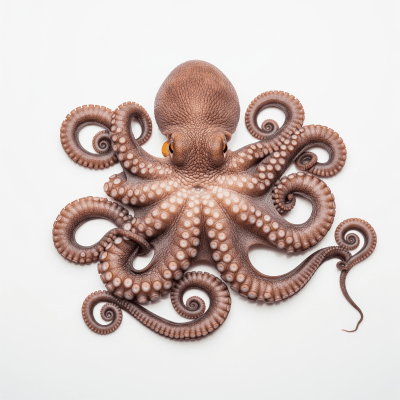
The Curled Octopus (Eledone cirrhosa) is a medium-sized benthic octopus native to the Northeast Atlantic, recognized for its distinctive curled arms and single row of suckers.
The Curled Octopus (Eledone cirrhosa) is a medium-sized benthic octopus native to the Northeast Atlantic, recognized for its distinctive curled arms and single row of suckers.
First described by Jean-Baptiste Lamarck in 1798, the Curled Octopus has long been known to science, though the exact origin of its type specimen remains undocumented. It inhabits temperate marine waters where it has adapted to a benthic lifestyle.
Eledone cirrhosa belongs to the order Octopoda, family Octopodidae, and genus Eledone. Unlike many octopuses with multiple sucker rows, it is characterized by a uniserial arrangement of suckers, setting it apart within its family.
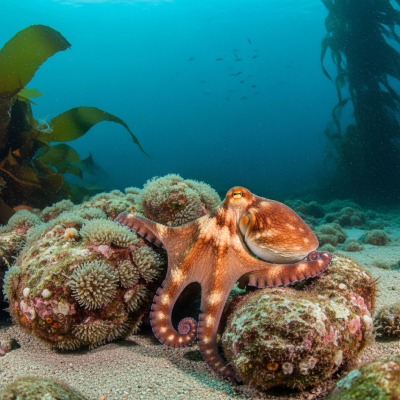
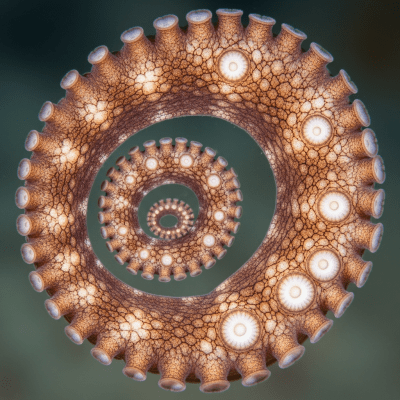
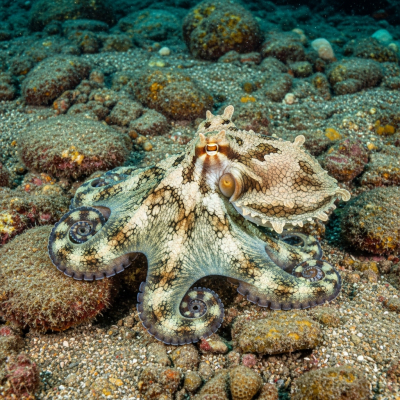
The Curled Octopus features a rounded mantle up to 20 cm long and arms that span about 50 cm. Its skin displays a reddish-brown to orange coloration, often mottled and capable of dynamic color changes for camouflage. Notably, its arms are relatively short and typically curled when at rest, and it possesses a single row of suckers per arm. Unlike many octopuses, it lacks an ink sac.
This species is a benthic predator, feeding primarily on crustaceans and mollusks. It plays an important ecological role in temperate marine environments. While not extensively farmed or kept in aquaria, it holds moderate commercial value, especially in southern European fisheries where it is caught for human consumption.
Bring this kind into your world � illustrated posters, mugs, and shirts.
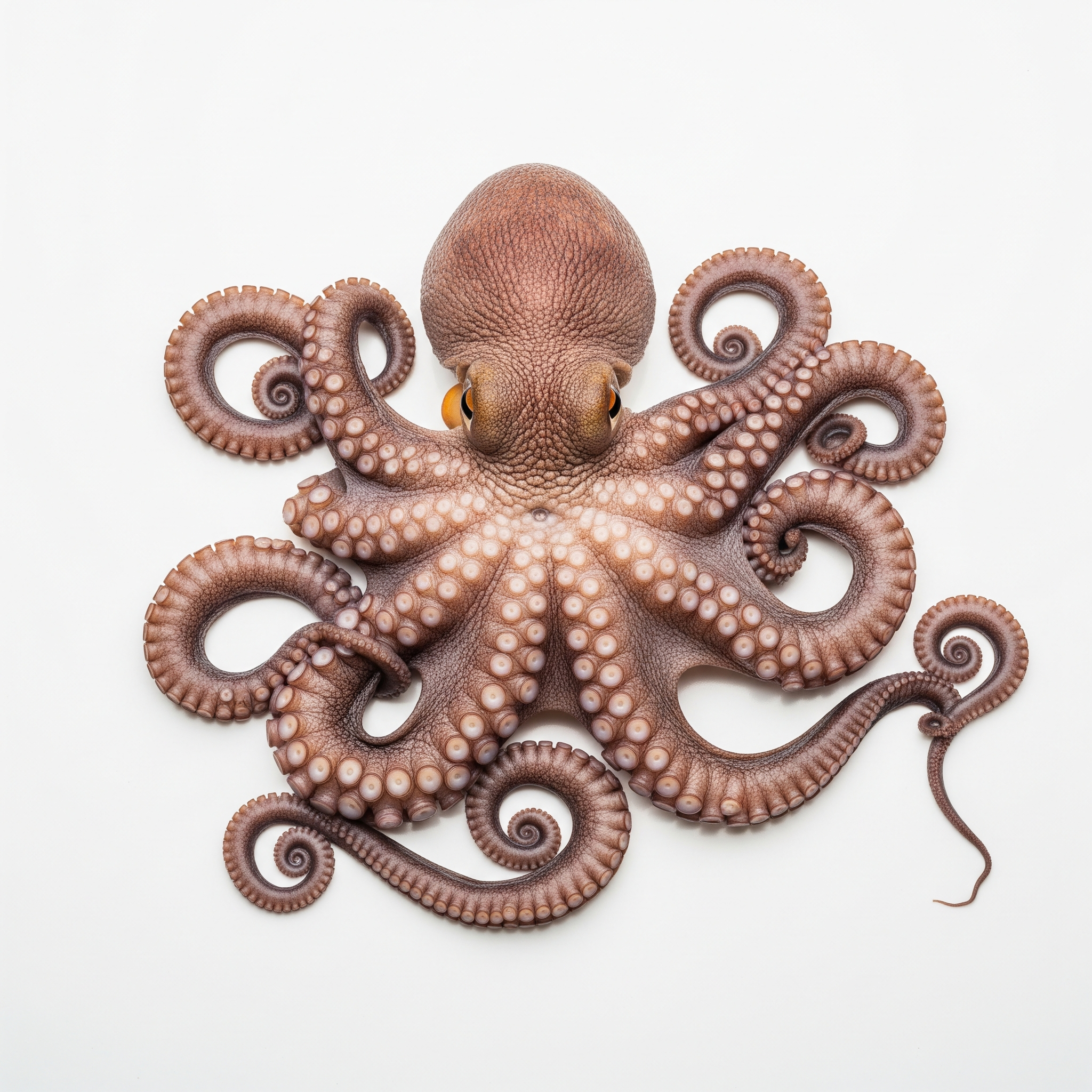
Archival print, museum-grade paper
Buy Poster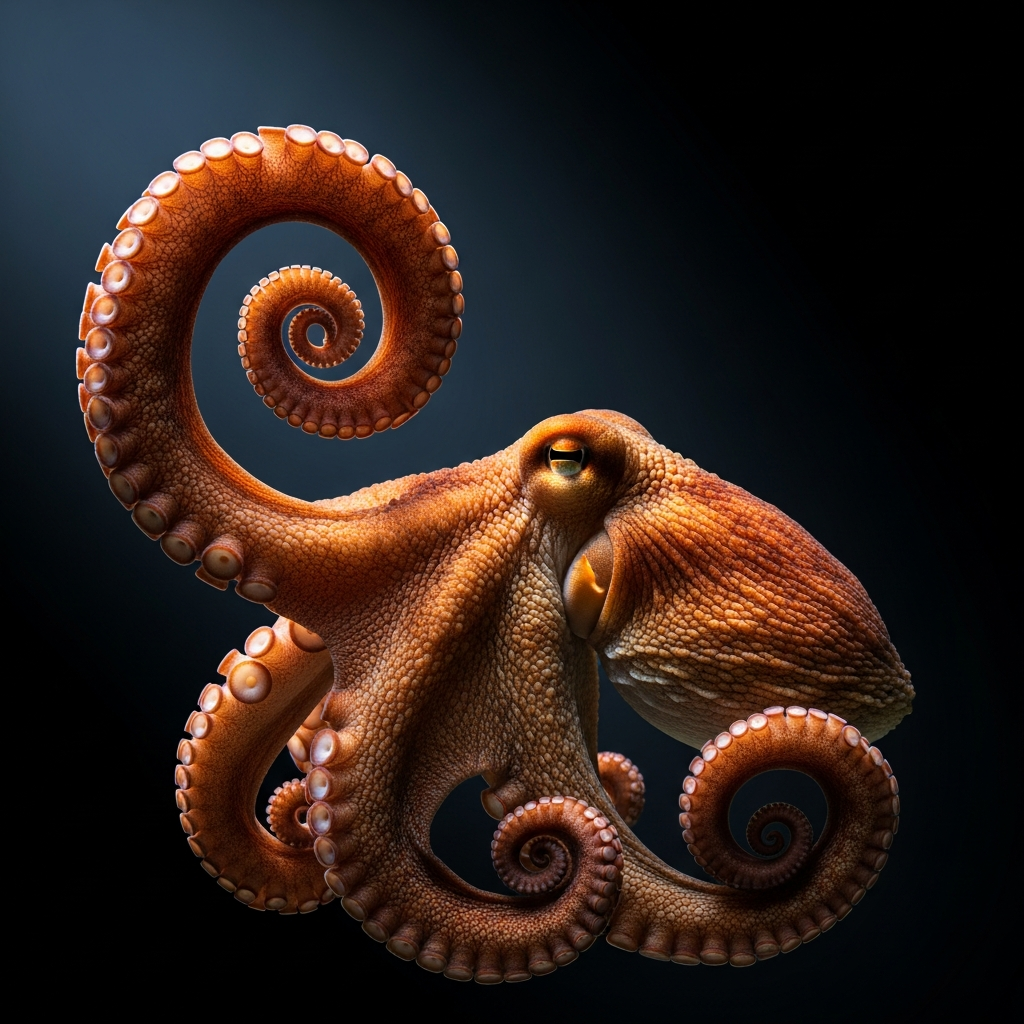
Stoneware mug, dishwasher safe
Buy Mug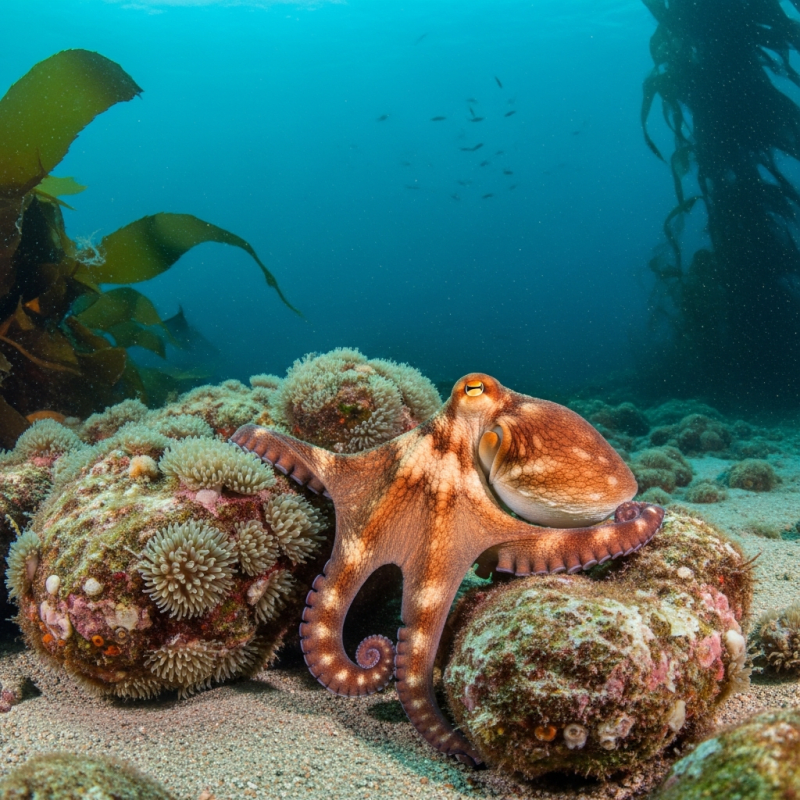
Soft cotton tee, unisex sizes
Buy ShirtThough not widely prominent in global culture, the Curled Octopus is locally appreciated in southern Europe, where it is known by names such as "Eledone" and "Pulpo de roca." It features in regional culinary traditions, often prepared grilled, boiled, or in stews.
The Curled Octopus is native to the Northeast Atlantic and adjacent seas, dwelling primarily on the sea floor. It prefers habitats with muddy, sandy, or gravel substrates and can be found from shallow coastal waters down to depths of about 800 meters, adapting well to temperate benthic environments.
While specific studies on Eledone cirrhosa are limited, octopuses in general are renowned for their intelligence, problem-solving skills, and adaptability. The Curled Octopus likely shares these cognitive traits, enabling it to effectively hunt and camouflage within its environment.
Unlike many octopus species, the Curled Octopus does not possess an ink sac and therefore cannot release ink to evade predators. Instead, it relies on its ability to change skin color and texture for camouflage, as well as its curled arm posture, to blend into its surroundings and avoid detection.
The Curled Octopus has a relatively short lifespan of one to two years. Details on its reproductive behavior are sparse, but like other octopuses, it likely engages in a single reproductive event before dying. Its rapid growth and benthic lifestyle support a lifecycle adapted to temperate marine conditions.
Currently, the Curled Octopus does not have a formal conservation status. It faces typical marine threats such as habitat disturbance and fishing pressure, particularly from small-scale regional fisheries. Its moderate commercial value underscores the importance of monitoring to ensure sustainable populations.