Atlantic Armhook Octopus
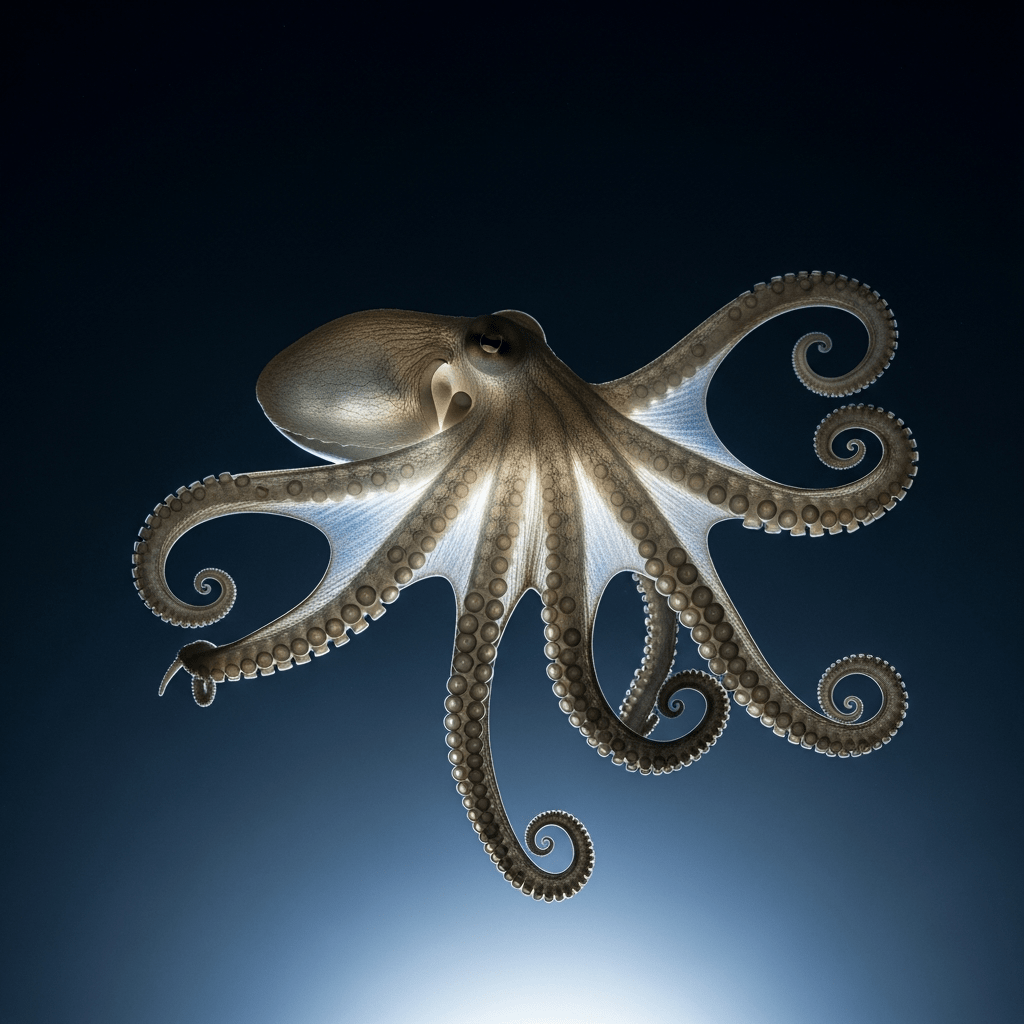
The Atlantic Armhook Octopus (Japetella diaphana) is a small, deep-sea octopus known for its nearly transparent body and distinctive bioluminescent organs.
The Atlantic Armhook Octopus (Japetella diaphana) is a small, deep-sea octopus known for its nearly transparent body and distinctive bioluminescent organs.
Japetella diaphana was first described by W.E. Hoyle in 1885 following deep-sea expeditions that collected specimens from the mesopelagic zones of the Atlantic Ocean. Its discovery marked an important addition to the family Bolitaenidae, a group of pelagic, gelatinous-bodied octopuses adapted to life in the ocean’s twilight depths.
This species belongs to the order Octopoda, encompassing all true octopuses, and is classified within the family Bolitaenidae. Members of this family are characterized by their pelagic lifestyle and gelatinous, often transparent bodies, distinguishing them from benthic octopuses that dwell on the sea floor.
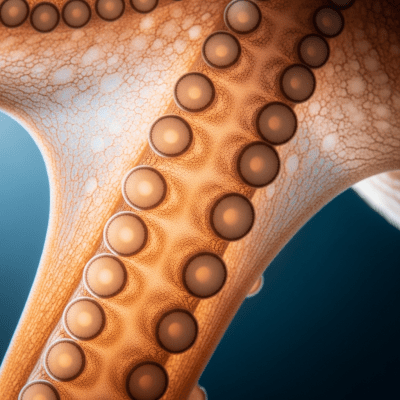
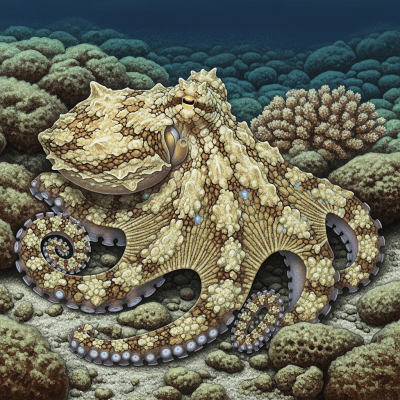
The Atlantic Armhook Octopus is small, with a mantle length ranging from 2 to 4 centimeters. Its body is nearly transparent and gelatinous, allowing it to blend seamlessly into the deep ocean waters. Notably, it possesses specialized arm hooks—modified suckers—that aid in prey capture and possibly mating. Its bioluminescent organs enable it to emit light, likely serving purposes of camouflage through counter-illumination and intraspecies communication.
Living in the dimly lit mesopelagic and bathypelagic zones, this octopus uses its bioluminescence to avoid predators and communicate. The arm hooks play a functional role in securing prey and may assist during mating interactions. Due to its deep-sea habitat and small size, it has no known direct interactions with humans or commercial use.
Bring this kind into your world � illustrated posters, mugs, and shirts.

Archival print, museum-grade paper
Buy Poster
Stoneware mug, dishwasher safe
Buy Mug
Soft cotton tee, unisex sizes
Buy ShirtThe Atlantic Armhook Octopus holds no recorded cultural or culinary significance, primarily due to its remote deep-sea habitat and rarity. Its value lies mainly in scientific research, especially studies exploring bioluminescence and adaptations to life in extreme oceanic environments.
The Atlantic Armhook Octopus is found in the mesopelagic and bathypelagic zones of the Atlantic Ocean, occupying midwater depths where light is minimal. Its gelatinous, transparent body is well-suited to this environment, enabling it to remain inconspicuous in the open water column far from the sea floor.

While specific studies on the intelligence of Japetella diaphana are limited, octopuses in general are renowned for their problem-solving abilities and complex behaviors. Given its deep-sea lifestyle and specialized adaptations, this species likely exhibits behaviors suited to survival in a challenging environment, though detailed cognitive assessments remain scarce.
To evade predators, the Atlantic Armhook Octopus relies on its nearly transparent body to blend into the surrounding water. Its bioluminescent organs provide counter-illumination, masking its silhouette against faint downwelling light. Additionally, its arm hooks may aid in quick prey capture, reducing exposure time to threats.
Details about the reproductive habits and lifecycle of the Atlantic Armhook Octopus remain largely unknown due to its deep-sea habitat and rarity. Like other octopuses, it is presumed to engage in mating behaviors involving arm hooks, but specific developmental stages and lifespan data have yet to be documented.
The conservation status of Japetella diaphana has not been formally assessed. Its deep-sea habitat offers some protection from human impacts, but sensitivity to changes in temperature and pressure could pose risks amid shifting ocean conditions. Currently, there are no known targeted threats or fisheries affecting this species.