Baru nut
The baru nut is the edible seed of the Dipteryx alata tree, native to Brazil’s Cerrado savanna, prized for its rich nutrition and distinctive, nutty flavor.
The baru nut is the edible seed of the Dipteryx alata tree, native to Brazil’s Cerrado savanna, prized for its rich nutrition and distinctive, nutty flavor.
Baru nut originates from the wild Dipteryx alata tree, indigenous to the vast Cerrado biome of central Brazil, with natural populations also found in Bolivia and Paraguay. For centuries, indigenous and rural communities have harvested baru nuts from wild stands, integrating them into traditional diets and folk medicine. Unlike many commercial nuts, baru remains largely undomesticated, with no formal breeding programs or recognized cultivars. Its rise to international prominence began in the early 21st century, propelled by growing interest in sustainable, nutrient-dense foods.
Though commonly called a nut, the baru nut is botanically a legume, belonging to the Fabaceae family. Its scientific name is Dipteryx alata. In culinary contexts, it is grouped with other edible nuts due to its taste, texture, and nutritional profile. This dual identity—legume by science, nut by cuisine—reflects the broader taxonomy of nuts, which includes both true nuts and nut-like seeds and fruits.
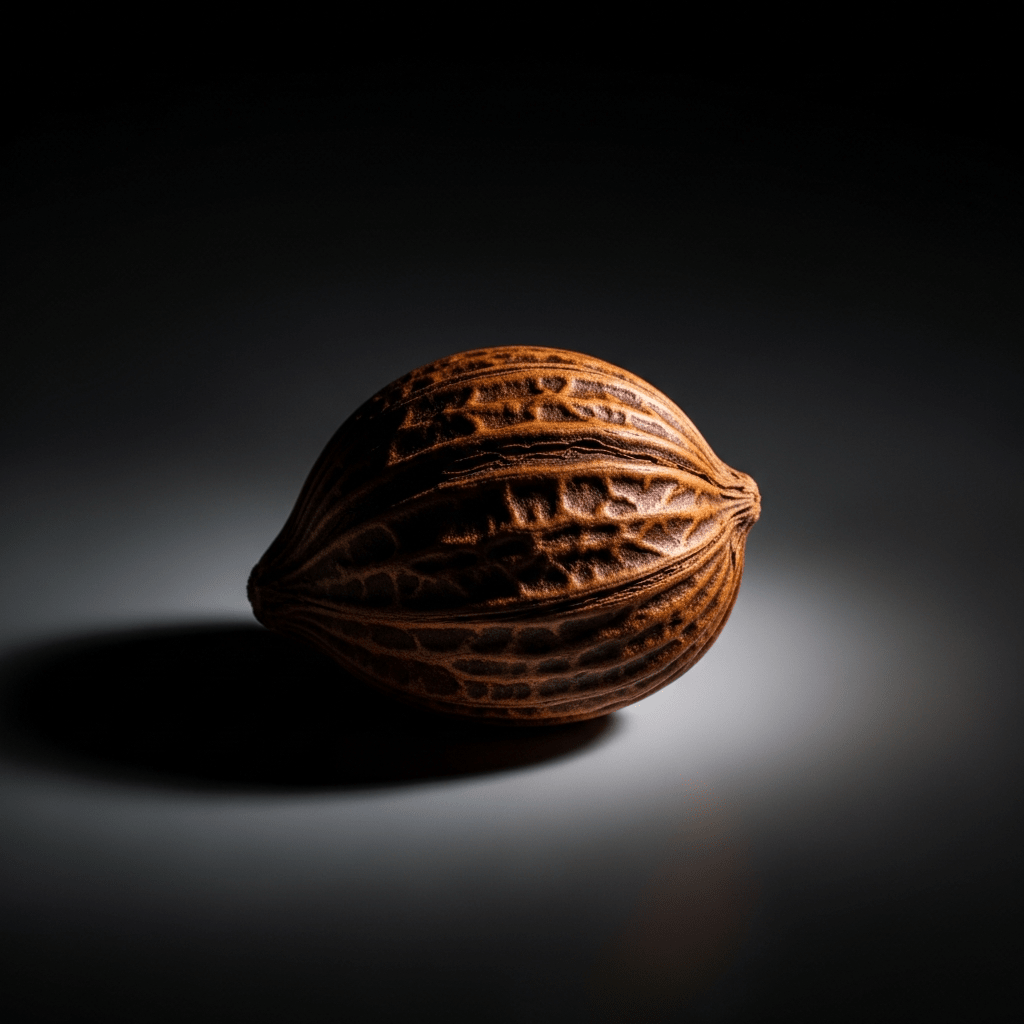
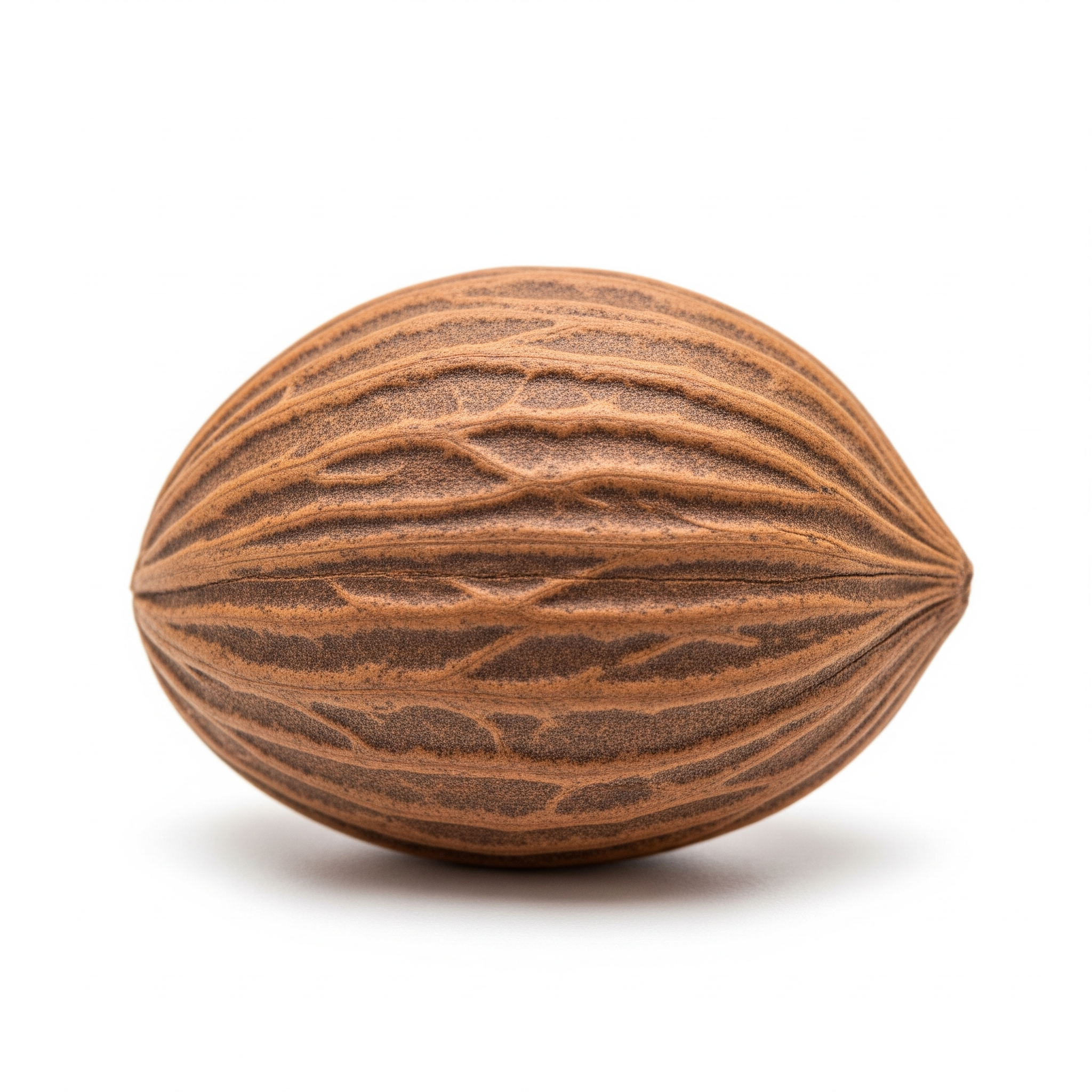
Baru nuts are oblong to oval, measuring about 2–3 cm in length. They have a hard, smooth, dark brown shell that encases the edible kernel. The kernel itself, once roasted, reveals a creamy interior with a mild, earthy aroma and a flavor reminiscent of peanuts and almonds. The nuts are extracted from woody drupes, each fruit typically containing a single seed.
Baru nuts are primarily harvested from wild or semi-wild trees and require roasting before consumption to neutralize natural antinutritional factors and enhance their flavor. Their versatility makes them popular as a roasted snack, ingredient in confectionery, granola, nut mixes, and as a base for flour and oil. The nuts are gluten-free, suitable for vegan and vegetarian diets, and are increasingly marketed as a superfood due to their high protein and antioxidant content.
Bring this kind into your world � illustrated posters, mugs, and shirts.
Archival print, museum-grade paper
Buy Poster
Stoneware mug, dishwasher safe
Buy Mug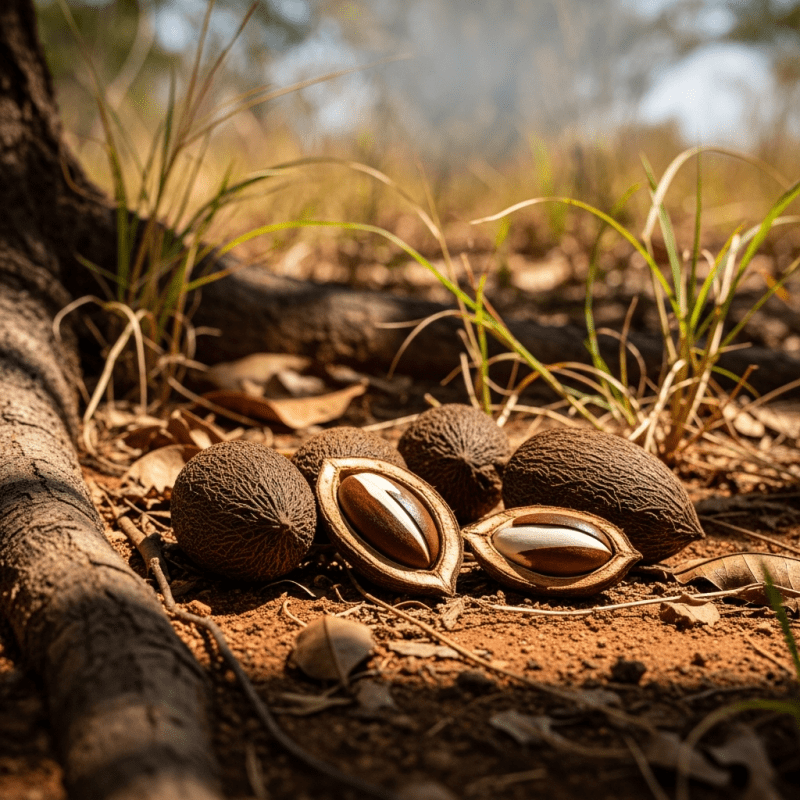
Soft cotton tee, unisex sizes
Buy ShirtAmong indigenous and rural populations of the Cerrado, baru nuts hold cultural importance as both a staple food and a component of folk medicine. They are celebrated in local traditions, with regional names such as "cumbaru" and "castanha de baru" reflecting their deep roots in the area’s heritage. The nut’s recent emergence in global health food circles has further elevated its status, symbolizing the rich biodiversity and traditional knowledge of Brazil’s savanna.
Scientific name: Dipteryx alata
Family: Fabaceae (Legume)
Tree size: Medium to large deciduous tree, 8–25 meters tall
Fruit type: Woody drupe, 6–10 cm long, containing a single hard-shelled seed (the baru nut).
Adaptations: Drought-tolerant, thrives in acidic, nutrient-poor soils.
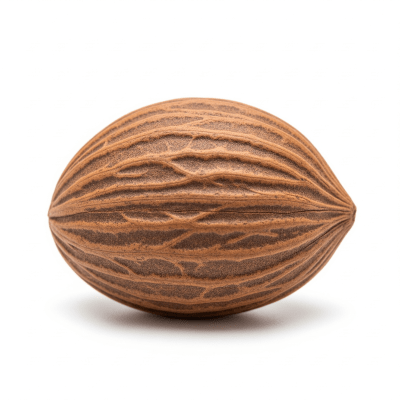
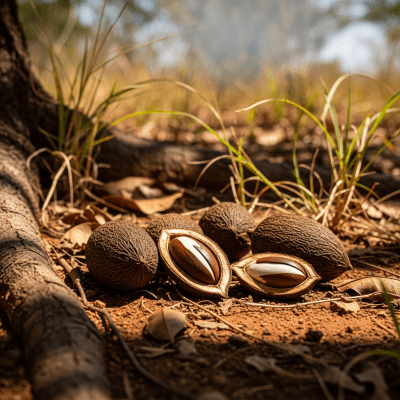
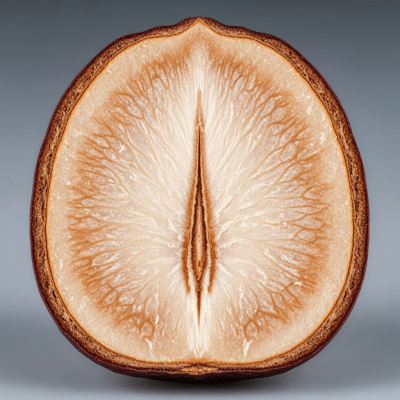
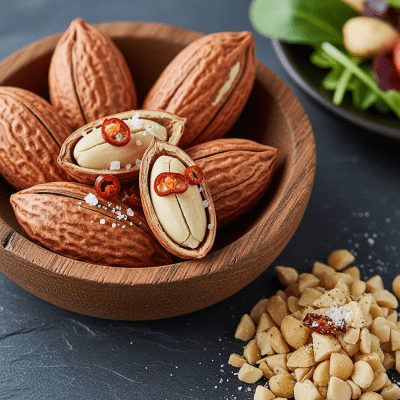

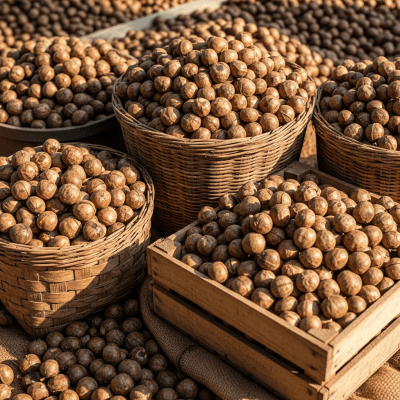
Baru nuts are predominantly harvested from wild or semi-wild Dipteryx alata trees in the Cerrado biome. The trees yield 20–50 kg of fruit per mature tree each season, though this varies with environmental conditions. The nuts are extracted from woody fruits and must be roasted to remove antinutritional compounds and enhance flavor. There are no formal plantations or breeding programs; cultivation remains largely traditional, with local communities playing a central role in collection and processing.
Currently, there are no recognized commercial varieties or cultivars of baru nut. All production comes from wild-type Dipteryx alata populations, with genetic diversity maintained through natural propagation. Research and breeding efforts are limited, and the nut’s market presence is based on its wild heritage.
Baru nuts are celebrated for their dense nutritional profile: high in protein (24–28 g/100 g), rich in dietary fiber, and loaded with monounsaturated fats. They provide essential minerals such as magnesium, zinc, and iron, and boast significant antioxidant content. Their favorable fatty acid profile and absence of gluten make them suitable for health-conscious, vegan, and vegetarian diets.
Baru nut is not classified as a major allergen by regulatory authorities. It is considered safe for most consumers, including those seeking gluten-free options. As with any novel food, individuals with severe allergies should exercise caution and consult with a healthcare provider before consumption.
Baru nuts are most commonly enjoyed roasted, either as a standalone snack or blended into nut mixes. They are also featured in confectionery, granola, and energy bars, and processed into flour and oil for baking and cooking. Their mild, earthy flavor pairs well with both sweet and savory dishes, making them a versatile ingredient in modern and traditional recipes.
Baru nuts are primarily produced and exported from Brazil, with limited commercial production outside their native range. They are marketed as a superfood, most commonly sold as roasted nuts for snacks and processed products. Global trade is modest but growing, driven by demand from health food sectors in North America, Europe, and beyond.