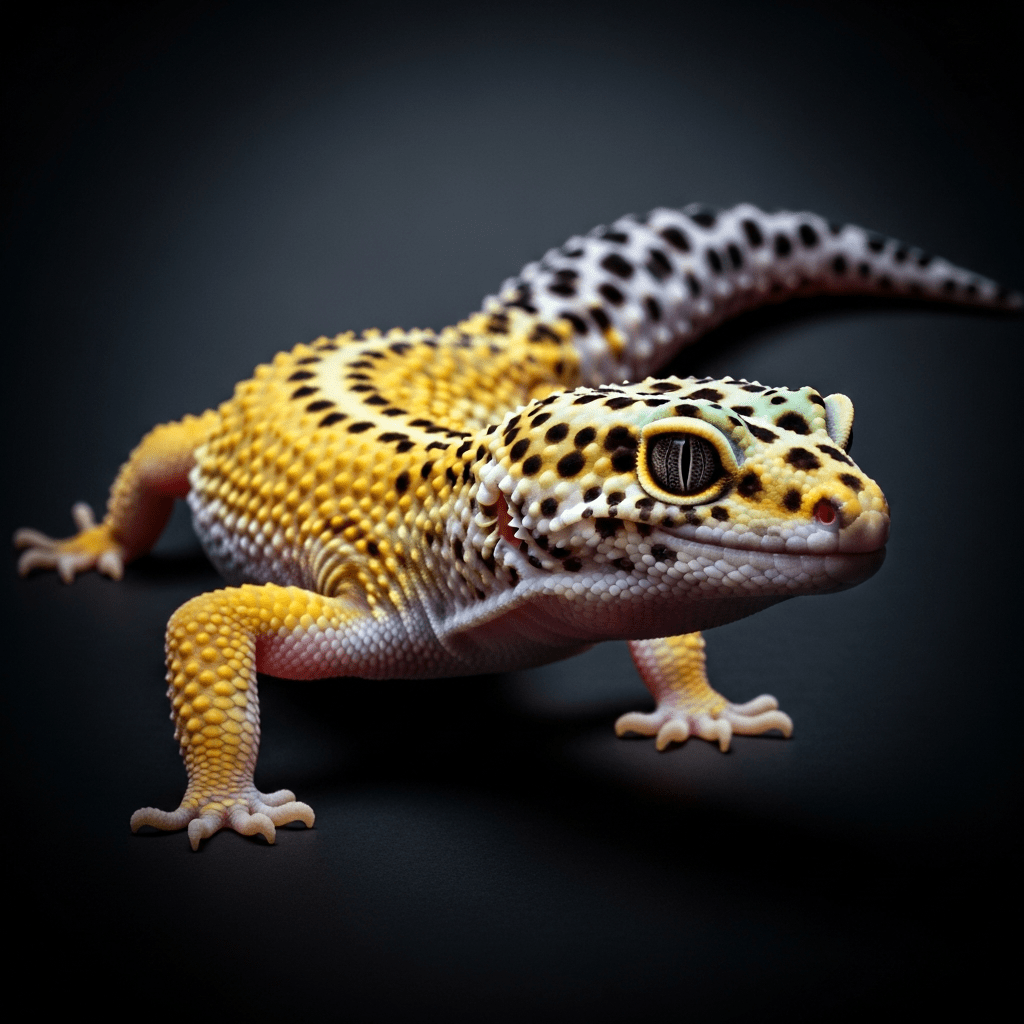
Leopard Gecko
The Leopard Gecko (Eublepharis macularius) is a small, terrestrial lizard native to South Asia, celebrated for its distinctive spotted pattern and gentle temperament, making it one of the most popular reptile pets worldwide.
The Leopard Gecko (Eublepharis macularius) is a small, terrestrial lizard native to South Asia, celebrated for its distinctive spotted pattern and gentle temperament, making it one of the most popular reptile pets worldwide.
First described by Edward Blyth in 1854, the Leopard Gecko originates from the arid and semi-arid regions of Afghanistan, Pakistan, northwestern India, Iran, and Nepal. Its captive lineage stems from wild populations primarily in Pakistan and India, with selective breeding expanding its variety since the late 20th century.
The Leopard Gecko belongs to the family Eublepharidae within the genus Eublepharis. As a member of the suborder Lacertilia (true lizards) in the order Squamata, it is distinguished by traits such as movable eyelids and the absence of adhesive toe pads, setting it apart from many other geckos.
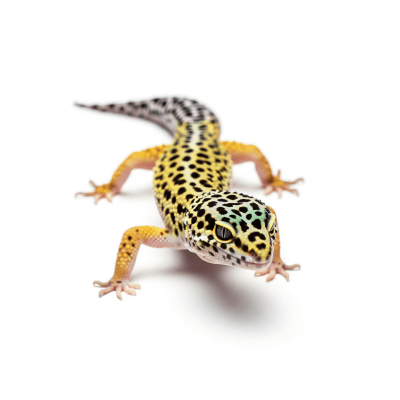
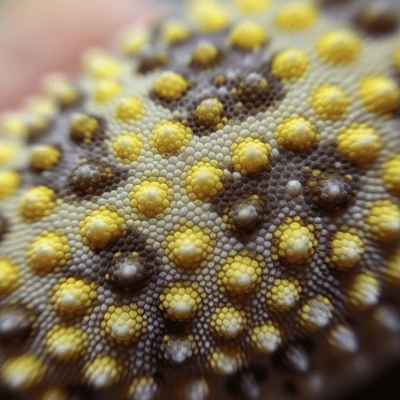
Typically measuring between 18 and 25 centimeters in length and weighing 45 to 65 grams, the Leopard Gecko features granular skin adorned with prominent dark spots or bands on a yellow to tan background. Unlike many geckos, it has movable eyelids and lacks sticky toe pads, reflecting its strictly terrestrial lifestyle. Its thick tail serves as a fat reserve and can be dropped as a defense mechanism.
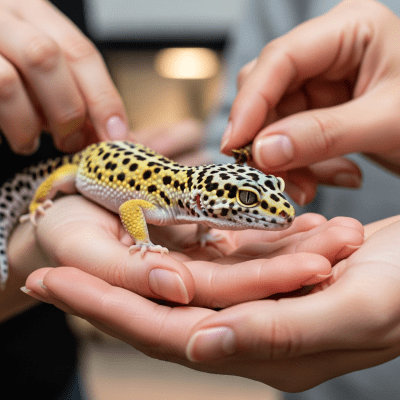
Leopard Geckos are primarily nocturnal and insectivorous, exhibiting crepuscular activity patterns. They are known for their docile nature and adaptability, which has made them highly valued as companion animals. Their behavior in captivity is generally calm, and they interact well with humans, contributing to their popularity in the pet trade.
Bring this kind into your world � illustrated posters, mugs, and shirts.
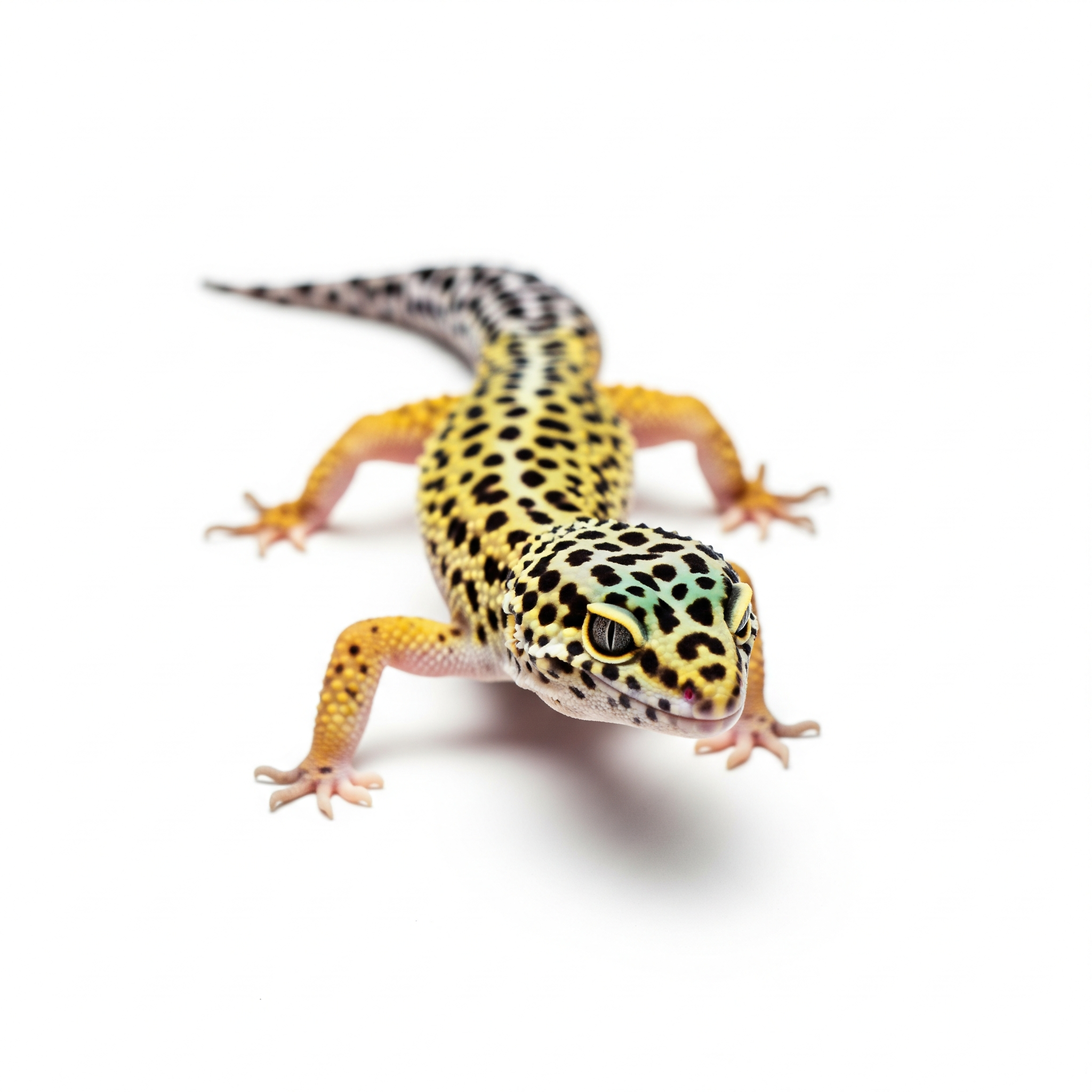
Archival print, museum-grade paper
Buy Poster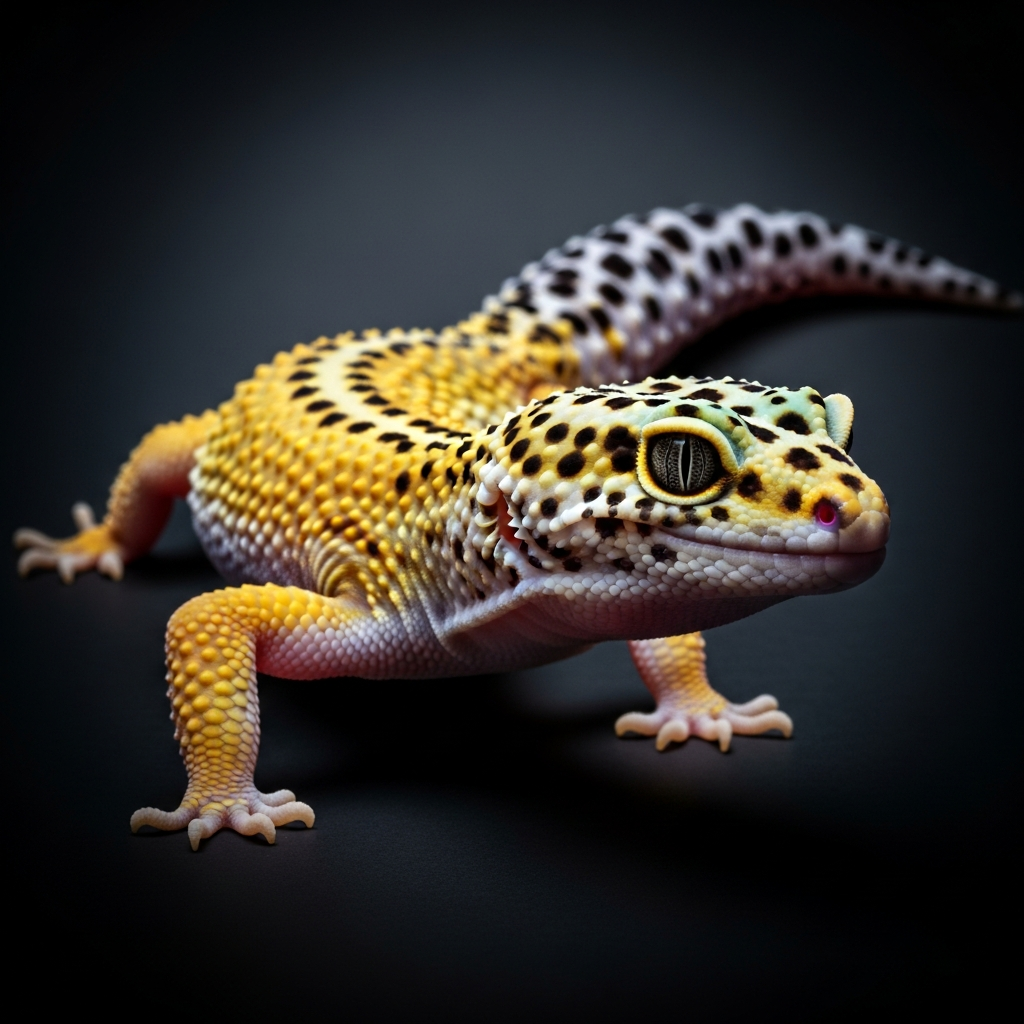
Stoneware mug, dishwasher safe
Buy Mug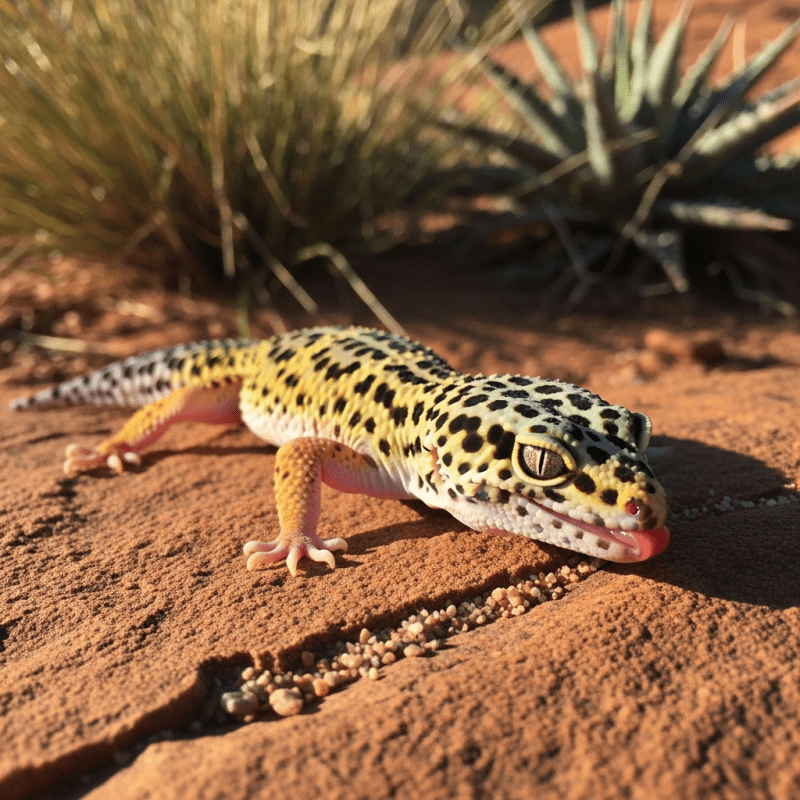
Soft cotton tee, unisex sizes
Buy ShirtWhile the Leopard Gecko holds no significant cultural or mythological role in its native regions, it has gained widespread recognition globally as a beloved pet. Its diverse captive-bred morphs have also made it a subject of interest in herpetological education and research, enhancing its cultural footprint in modern reptile keeping.
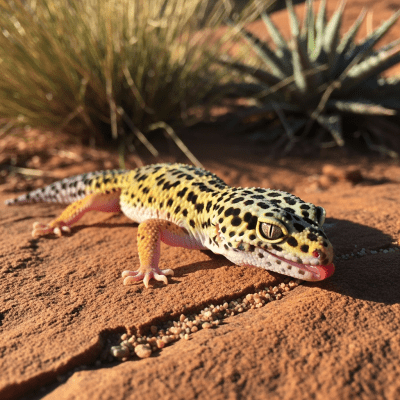
Leopard Geckos inhabit arid and semi-arid environments across Afghanistan, Pakistan, northwestern India, Iran, and Nepal. They prefer terrestrial habitats where they can shelter under rocks and in burrows to escape extreme temperatures and predators.
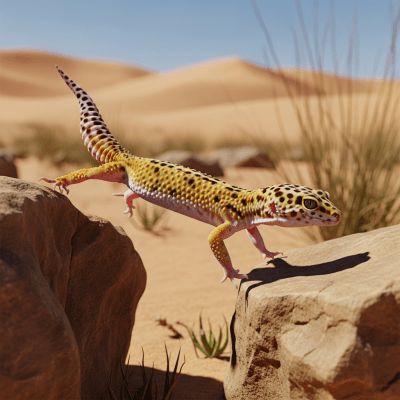
In the wild and captivity, Leopard Geckos are insectivorous, feeding primarily on a variety of insects. Their diet includes crickets, mealworms, and other small invertebrates, which they hunt actively during their nocturnal and crepuscular activity periods.
Leopard Geckos are oviparous, laying eggs rather than giving live birth. They reach sexual maturity between 12 and 18 months of age. Females typically lay clutches of two eggs, with breeding and egg-laying occurring seasonally in response to environmental conditions.
Currently, Leopard Geckos face no major threats in the wild and are not considered endangered. Their populations remain stable across their native range, supported by their adaptability and extensive captive breeding programs that reduce pressure on wild stocks.
Leopard Geckos are widely bred in captivity, with numerous morphs available to enthusiasts. They require a terrestrial enclosure with appropriate temperature gradients, hiding spots, and a diet rich in live insects supplemented with calcium and vitamin D3. Regular monitoring helps prevent common health issues such as metabolic bone disease. With proper care, they can thrive for up to 20 years in captivity.